
I still remember the Great Rib Incident of 2018. I had seven friends over to my tiny backyard platform, and within twenty minutes, one guest had tripped over a bulky chair leg, another was trapped behind the scorching grill, and my sister-in-law ended up eating her dinner while standing in a flower bed. It was mortifying. I had the passion for hosting, but my layout was a claustrophobic nightmare. If you’ve ever felt like you’re playing a high-stakes game of Tetris just to get everyone a seat, you aren’t alone. We often think more square footage is the only answer, but I’ve learned that a few clever swaps and better traffic flow can make even a modest footprint feel like a sprawling oasis. Today, I’m going to show you exactly how to fit eight people on your deck without anyone feeling like they’re in a crowded elevator.
Your Furniture is Usually the Real Culprit, Not Your Deck’s Square Footage
Most of us make the same mistake I did: we buy furniture designed for a suburban mansion and try to shoehorn it onto a 10×12 space. I once thought a heavy, wrought-iron dining set was the peak of outdoor luxury, but it just became an immovable anchor that killed any chance of movement. When you are maximizing space with modern designs for composite decks, you have to think about movement, not just seating. A small deck shouldn’t be a storage locker for oversized chairs; it should be a functional extension of your living room. The reality is that the best layout for a small deck with a grill and table often involves ditching the traditional dining set for more flexible, perimeter-focused seating. According to the National Association of Home Builders (NAHB), well-planned outdoor spaces can increase a home’s perceived value by up to 12%, but that value vanishes the second a guest feels cramped.
Does fitting eight guests just mean more clutter?
I get the skepticism. You’re looking at your modest deck and thinking there is no physical way to seat a crowd without it looking like a waiting room. But the secret to making your deck feel like an indoor room is all in the zones you create. I used to ignore my corners and let my stairs for outdoor decks eat up way too much prime real estate without a plan for traffic. Have you ever had a party where everyone ended up huddled in the kitchen because the deck just felt “too full”? Let me know in the comments if you’ve faced that awkward guest bottleneck! We’re going to fix that today by exploring vertical solutions and why custom composite decking ideas are a game-changer for tight spaces.
Move Your Seating to the Edge to Open the Floor
If you treat your deck like a formal dining room, you’ve already lost the battle. A massive table in the center creates a “moat” effect where guests are trapped in their seats or forced to shuffle sideways just to get a refill. Think of your deck as a galley kitchen; the center must remain an open thoroughfare. When I finally stopped making the mistake of using indoor furniture on an outdoor deck, everything changed. I realized that the best way to accommodate eight people is to push the seating to the absolute perimeter.
Built-in Benches Save Your Traffic Flow
Back in 2019, I finally got fed up with the “Great Rib Incident” style of hosting and decided to rip out my bulky patio chairs. I replaced them with an L-shaped perimeter bench. It was a messy weekend project involving a lot of sawdust and a few choice words, but the result was transformative. By using the edges of the deck for seating, the middle stayed completely open. I even learned how to build a deck bench with hidden storage, which meant the bulky bags of charcoal and extra cushions finally had a home that wasn’t the middle of the floor. Suddenly, eight people didn’t feel like a crowd; they felt like a party.

Turn Your Railing into a Functional Bar Top
Standard railings are a wasted opportunity. They are basically just safety fences when they could be serving as your primary dining surface. I’ve seen homeowners try to squeeze a four-top table into a corner, only to realize that nobody can actually sit in the chairs without hitting the railing. The solution is the cocktail rail. By installing a flat deck board on top of your railing, you create a 5-to-7-inch ledge that holds drinks, small plates, and appetizers. Looking into the best way to install a cocktail rail on a staircase or your main perimeter allows people to stand and mingle while having a place to set their drink. It effectively doubles your “table” space without adding a single square inch of furniture to the deck floor.
How Your Staircase Kills Your Useable Area
We often treat stairs as an afterthought, but they are often the biggest space-hogs on a small deck. If your stairs are narrow and cut directly into the footprint of the deck, they create a dead zone where nothing can happen. When designing safe and stylish stairs for outdoor decks in 2025, the trend is to use wide, wrap-around stairs that act as additional tiered seating. This is a classic stadium-seating trick. If the main deck area is full, guests naturally migrate to the wide steps, especially if you have a nice view. It turns a transit zone into a destination.
Go Vertical for Privacy and Plants
When you are maximizing space with modern designs for composite decks, you have to stop looking at the floor and start looking at the air. A small deck feels much larger when the boundaries are clearly defined but beautiful. I installed a slat wall on the side of my deck that was facing the neighbor’s driveway. Instead of just a blank wall, I focused on creating a privacy wall that doubles as a vertical garden. By hanging herbs and small lanterns, I added depth and “vertical interest.” This draws the eye upward, making the 120-square-foot space feel like a tall, airy outdoor room rather than a flat platform. When you combine these custom composite decking ideas, you’re not just fitting more people—you’re creating a better experience for every single one of them. The secret to making your deck feel like an indoor room is making sure every element, from the benches to the stairs, serves at least two purposes.
Once you’ve mastered the art of perimeter seating, you’re ahead of 90% of homeowners. But here is the nuanced reality that many contractors won’t tell you: a great layout is worthless if the deck itself isn’t built to handle the physical dynamics of a crowd. Most people believe that once they switch to composite, their work is done forever. I used to think the same until I saw a three-year-old deck look twenty years old because the owner fell for the truth about maintenance-free decking claims. While the boards don’t rot, they still require respect. Have you ever fallen into this trap of thinking ‘no maintenance’ means ‘no care’? Let me know in the comments because I certainly did with my first build!
Stop Believing the Maintenance-Free Marketing Myth
The biggest ‘oops’ factor I see with new deck owners is the urge to treat composite like a sidewalk. I have seen people try to blast away a simple wine stain with a high-pressure hose, which is a massive mistake. In fact, you should never power wash your composite deck because it can etch the surface and permanently damage the protective cap. Instead, the real expertise lies in choosing the right composite decking for durable low-maintenance outdoor areas that resist scratching from heavy furniture movement. When you have eight people on a deck, they aren’t sitting still; they are sliding chairs and dropping forks. If you didn’t pick a high-traffic board, your layout will look worn within a single season.
Why Your Layout Falls Apart When the Temperature Rises
Most beginners plan their deck layout in the spring when the weather is mild, but they forget that composite decking is a living, breathing material in terms of thermal expansion. I’ve seen beautiful perimeter benches get forced out of alignment because the builder didn’t account for why your composite boards are expanding more than expected. If you don’t leave the proper gaps, the boards will ‘volcano’ or buckle, turning your perfectly planned floor into a tripping hazard. According to the North American Deck and Railing Association (NADRA), improper fastening and spacing are among the top reasons for premature deck failure. This is why I always suggest innovative outdoor living ideas with composite decking in 2025 that include hidden fasteners, which allow for natural movement without compromising the aesthetics of your space.
Why does my brand-new deck feel like a trampoline?
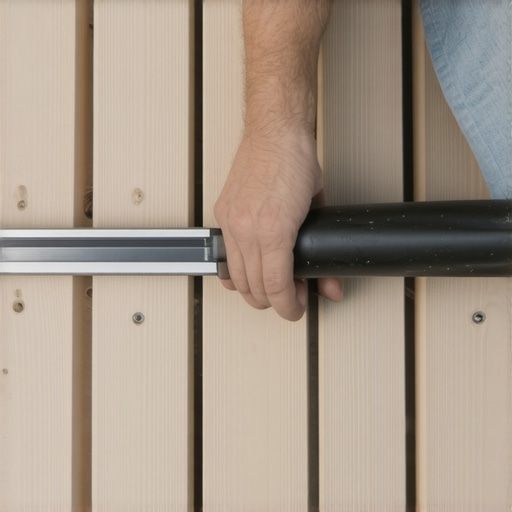
If you have eight people standing on your deck and you feel a rhythmic bounce every time someone walks to the grill, you have a framing issue, not a board issue. This is a common nuance: composite boards are more flexible than wood. If your professional deck builder didn’t decrease the joist spacing to 12 inches on center, you’ll experience the structural reason your deck feels bouncy when you walk. To truly protect the substructure for decades, why I always use joist tape on every single deck frame becomes the golden rule. It prevents water from sitting between the board and the wood, ensuring the ‘skeleton’ of your deck lasts as long as the fancy composite skin on top. When planning your next upgrade, remember that maximizing outdoor space and inspiring deck ideas must start with a rock-solid foundation, or the prettiest layout won’t matter when the joists start to rot beneath your feet.
I used to think my tape measure and a rough sketch on a napkin were enough to build a masterpiece. I was wrong. When you’re trying to fit eight people onto a layout that actually works, precision is your only friend. This is why I never start a complex deck project without a digital 3d walkthrough first. It allows you to virtually ‘walk’ through the space and see exactly where that grill or those stairs for outdoor decks might create a bottleneck. This isn’t just for pros; using a digital designer is the best move for planning a complex backyard deck because it eliminates the ‘I thought this would fit’ heartbreak that I experienced back in 2018.
How do I keep my composite deck looking brand new for decades?
The secret isn’t a magic chemical; it’s a specific routine and the right knowledge. Most people ignore the small details that lead to big failures. For instance, did you know that the core of your composite boards is often susceptible to moisture if exposed? This is why you must learn the best way to seal the cut ends of composite boards to prevent swelling and delamination at the seams. Additionally, keeping the surface clear of organic debris is vital. If you’ve been hosting those eight guests and someone drops a burger, don’t panic. You just need to know how to clean grease stains off composite without ruining the finish, which usually involves a simple degreaser and a soft-bristled brush rather than harsh chemicals. 
The Small Tools That Save Your Back and Your Budget
I’ve swapped my old heavy lag bolts for specialized hardware that makes the structure feel like a fortress. Personally, I’ve moved entirely to using structural screws instead of lag bolts for ledgers because they don’t require pre-drilling and offer superior shear strength. According to the American Wood Council’s DCA 6 (Prescriptive Residential Wood Deck Construction Guide), the spacing and type of ledger fasteners are the most critical safety components of any deck. For the stairs, I’ve found that why your deck stairs need a middle stringer for stability is a lesson most people learn too late—usually when the tread starts to sag under a heavy guest. I also highly recommend using a dedicated deck board spacer tool. Eyeballing the gaps is a recipe for disaster when the boards start expanding.
What is coming for outdoor living in 2025?
Looking ahead, I predict we are going to see a massive shift toward ‘smart decks’ where sensors integrated into the joists can alert homeowners to moisture buildup or structural shifts before they become visible. As we follow the composite decking trends 2025: the ultimate guide for outdoor enthusiasts, it’s clear that the focus is shifting from just ‘low maintenance’ to ‘intelligent longevity.’ We are seeing more homeowners opt for choosing the right composite decking for durable low-maintenance outdoor areas that feature heat-reflective technology. To truly ensure your project stands the test of time, I suggest you dive into how to keep your deck joists from rotting under the boards by using high-quality flashing tapes. My best advice for you today? Go out and buy a roll of joist tape before you lay down your next board. It is the single cheapest way to double the life of your frame.
What Most Homeowners Ignore Until the First Big Party
After helping dozens of families fix their outdoor flow, I’ve realized the biggest mistakes happen before the first board is even laid. First, never underestimate the ‘chair swing’—people need 36 inches of clearance to push back from a table without hitting a railing or a guest behind them. Second, I’ve seen too many DIYers prioritize the surface while neglecting the skeleton. If you want a deck that survives a decade of parties, you have to understand how to protect your deck frame from rot for thirty years. Lastly, remember that your grill is a heat source, not just a tool; where to place your grill so you dont melt your vinyl siding is a lesson you only want to learn once.
#IMAGE_PLACEHOLDER_E#
The Tools That Finally Ended My Deck Disasters
I don’t keep secrets when it comes to the equipment that actually works. To avoid the ‘I thought it would fit’ heartbreak, why I never start a complex deck project without a digital 3d walkthrough first is my number one rule. For hardware, I’ve completely ditched old-fashioned fasteners because why I use structural screws instead of lag bolts for ledgers ensures a tighter, safer connection to your home. And for the frame? I won’t even step onto a job site without a roll of G-Tape because why I always use joist tape on every single deck frame is the ultimate insurance policy against moisture damage.
Build a Space Where Memories Actually Fit
Your deck isn’t just a collection of plastic and wood; it’s the backdrop for every birthday, graduation, and quiet Sunday morning for the next twenty years. By focusing on innovative outdoor living ideas with composite decking in 2025, you are investing in a lifestyle that values connection over clutter. Whether you choose to do it yourself or seek the benefits of working with a professional deck builder, the goal remains the same: a safe, beautiful, and spacious environment. It’s time to take your outdoor living to the next level. What’s the one thing currently stopping you from hosting a big group on your deck? Let me know in the comments below and let’s troubleshoot your layout together!