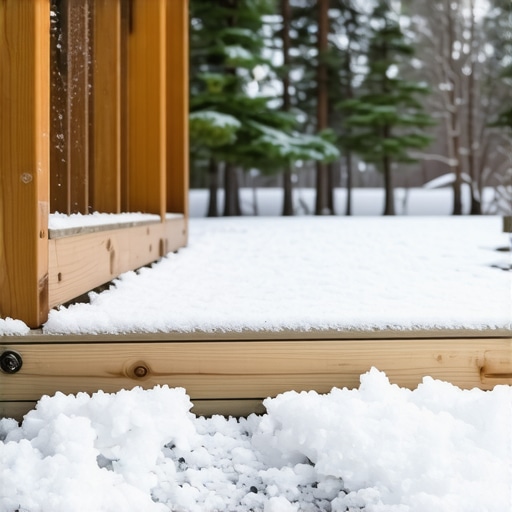
I remember the first heavy snow of the season, a sudden hush over the neighborhood as the white blanket settled in. I stepped outside to find my outdoor stairs nearly unusable—slick, treacherous, and honestly, a bit frightening. That moment was an eye-opener: outdoor stairs, especially on decks, can turn dangerous fast when winter weather hits hard. And early on, I made a crucial mistake—trusting flimsy, decorative stair treads that looked nice but offered zero grip when I needed it most.
Why Solid, Slip-Resistant Stair Treads Matter for Heavy Snow and Ice
Ensuring safety during winter isn’t just about shoveling snow; it’s about choosing the right materials that can withstand relentless ice, snow, and low temperatures without deteriorating or becoming hazardous. When I started researching, I realized many homeowners overlook this crucial aspect, risking slips and falls that can lead to serious injuries. That’s why I’m here—to share my experience and help you select the best stair treads to keep your deck safe throughout the cold months.
Question: Are the Popular Stair Treads Really Worth It in Heavy Snow?
Like most, I initially bought some stylish plastic or metal treads, thinking they’d be enough. Turns out, I overlooked their slip resistance and durability under freeze-thaw cycles. Reading a study from the National Safety Council highlighted that slips on outdoor stairs are one of the leading causes of winter injuries. No matter how good your deck looks, if the stair treads aren’t designed to grip icy boots, the risk skyrockets.
One mistake I made early on was assuming all stair treads are created equal. I didn’t consider their material composition—especially their surface texture and resistance to snow buildup. Incorporating non-slip, heavy-duty options made a world of difference, as I’ve come to realize from experience. If you’re tired of slipping on your deck stairs every winter, you’re in the right spot. Next, we’ll look at the specific features that make stair treads truly effective against ice and snow, so you can make a smart, long-lasting investment.
Choose Durable, Non-Slip Materials for Your Stair Treads
Start by selecting high-quality, heavy-duty materials like textured composite, rubber, or metal with abrasive surfaces. I once replaced slick plastic treads on my deck stairs with rugged rubber ones, which dramatically improved grip during icy mornings. To ensure longevity, look for options specifically designed to withstand freeze-thaw cycles and resist snow buildup.
Assess Material Properties Carefully
Compare surface textures—rougher surfaces provide better traction. Rubber treads with a gritty, sandpaper-like finish are excellent. When I installed these, I used a pencil to scratch the surface, testing their grip before final attachment. This proactive step prevents sudden slips—and gives peace of mind.
Prepare Your Surface for Maximum Adhesion
Clean the existing stairs thoroughly with a pressure washer to remove dirt, debris, and algae. I once neglected this and saw my new treads loosen after a few weeks of heavy snow; a simple cleaning would have prevented that. Use an aggressive cleaner if necessary, then dry the surface completely. Proper prep ensures the adhesive bonds firmly, avoiding dangerous shifts when ice forms.
Choose Appropriate Fastening Methods
Secure treads with high-quality, weather-resistant adhesives or mechanical fasteners like non-corrosive screws or anchors. I prefer using stainless-steel screws with rubber gaskets to prevent water ingress. When installing, tighten securely but avoid overtightening, which can crack the material. This balance helps maintain the tread’s integrity as temperatures fluctuate.
Apply and Secure the Treads Correctly
Follow manufacturer instructions meticulously. Apply the adhesive evenly with a notched trowel, then press the tread firmly into place. Use clamps or weights if needed, especially on larger treads. I once left a heavy object on each corner for 24 hours—this patience ensured consistent contact and a strong bond, preventing any lifting during winter storms.
Test and Maintain Your Installation
Once set, test the stability by applying pressure on different points. Regularly inspect for loose edges or bubbles after bad weather. In my experience, reapplying adhesive to small areas or adding extra fasteners in vulnerable spots extends the lifespan of the treads and keeps your stairs safe year-round.
By carefully selecting, preparing, securing, and maintaining your outdoor stair treads, you can dramatically reduce slip hazards during heavy snow and ice. For further inspiration on outdoor upgrades that complement safety, explore innovative outdoor living ideas with composite decking in 2025 and designing safe and stylish stairs for outdoor decks in 2025. Proper execution ensures your deck remains both beautiful and secure during the toughest winter conditions.When it comes to outdoor living spaces, many homeowners focus primarily on choosing attractive materials like composite decking and stylish railings, believing these are the keys to a durable, beautiful deck. However, a common misconception persists: that selecting the most popular products guarantees long-term success. In reality, there’s a nuanced aspect many overlook—understanding the subtle interplay of material compatibility, installation techniques, and environmental factors—that truly determines the longevity and safety of your outdoor stairs and deck.
Why Do Some Composite Decks Fail Prematurely, Despite Quality Selection?
Many assume that high-end composite decking, properly installed, will last decades with minimal maintenance. Yet, in my experience, the issue often lies in the details: improper fastening methods, insufficient surface prep, or neglecting to consider local climate conditions. For instance, choosing a decking material without considering its expansion and contraction under temperature fluctuations can lead to warping or buckling over time. Furthermore, many builders fail to account for proper ventilation and drainage, which are critical in preventing moisture accumulation—a leading cause of deterioration in outdoor structures.
According to a study by the University of Florida’s Institute of Food and Agricultural Sciences, moisture-related issues account for over 60% of deck failures in humid climates. This statistic underscores the importance of integrating environmental considerations into every phase—from material choice to design and installation.
Common Myths That Can Sabotage Your Outdoor Living Investment
One widespread myth is that composite decking requires no maintenance. While it’s true that composites are low-maintenance compared to wood, they still need regular inspections for signs of mold, staining, or damage—especially around stairs and traffic zones. Another myth is that hidden fasteners are always superior. In fact, if not installed correctly, they can loosen over time, leading to creaking or safety hazards.
An often-overlooked nuance is the importance of selecting the right fasteners and anchors for your specific composite decking and environmental conditions. For example, stainless-steel screws with proper gaskets are essential in coastal areas where saltwater exposure can accelerate corrosion. Failure to use the appropriate hardware can result in costly repairs down the line.
My personal advice? Always consult with a professional deck builder who understands these fine details. A skilled contractor can help you navigate these nuances, ensuring your outdoor space remains safe, functional, and stunning for years to come. For inspiration and expert tips on designing safe and stylish stairs, check out this guide on outdoor stairs design. Want to explore the latest in composite decking trends? Visit our comprehensive trends guide for 2025. Remember, paying attention to these subtle, often ignored factors makes all the difference. Have you ever fallen into this trap? Let me know in the comments.Maintaining your outdoor deck and stairs requires the right tools and a proactive approach to ensure longevity and safety. One indispensable tool I rely on is a high-quality cordless leaf blower. It allows me to quickly clear debris from the surface and between composite boards without risking damage that a power washer might cause. For more detailed cleaning, I use a soft-bristle brush attachment alongside biodegradable cleaner, which gently lifts stains without harming the material. Regular inspections are critical, so I keep a set of precision screwdrivers and a magnetic pickup tool handy to tighten loose fasteners and retrieve dropped hardware during routine checks. When dealing with composite decking, I recommend a digital moisture meter—like the Protimeter Surveymaster—to monitor moisture levels and prevent mold buildup, especially in humid climates. Predicting future trends, I believe smart maintenance systems integrating IoT sensors could soon alert homeowners to early signs of deterioration, making proactive care even smarter.
How do I maintain outdoor stairs and decking over time?
Consistent, scheduled maintenance prevents small issues from becoming costly repairs. Regularly sweep away debris and inspect for loose fasteners or cracks. Applying a protective sealant annually—using a roller or brush—is vital, particularly on exposed edges and stair risers. I prefer marine-grade sealants because they resist moisture intrusion better, extending the life of your structure. When necessary, treat areas showing early signs of wear with composite-specific restorer products; these are specially formulated to repair minor surface scratches and discoloration, keeping your deck looking as good as new. For detailed guidance, I consult resources like the [composite decking trends](https://deckdesignbuild.com/composite-decking-trends-2025-the-ultimate-guide-for-outdoor-enthusiasts), which highlight evolving maintenance techniques tailored for modern materials. Staying ahead with tools and routine checks ensures your deck remains safe, attractive, and functional for many seasons. If you’re considering scaling up or adding features, engaging a professional deck builder can help you plan for long-term durability—reach out through [contact us](https://deckdesignbuild.com/contact-us). Equip yourself with these tools and strategies and enjoy worry-free outdoor living for years to come!
The Hidden Gems in Safe Decking That Change Everything
Over the years, I’ve discovered that one overlooked detail can mean the difference between a safe winter and a hazardous slip-up on your outdoor stairs. My lightbulb moment was realizing that durable, textured materials combined with proper installation techniques create a fortress against ice and snow. It’s tempting to go for quick fixes, but investing in high-quality, slip-resistant treads and meticulous surface prep pays off tremendously in the long run, ensuring your outdoor stairs stay safe through every freeze and thaw.
My Toolbox for Mastering Outdoor Winter Safety
Beyond the obvious, I rely on some trusted tools and resources to keep my outdoor spaces winter-ready. A cordless leaf blower makes quick debris clean-ups without risking damage, while a moisture meter helps me spot trouble spots before issues escalate. Books like Choosing the Right Composite Decking have deepened my understanding of material performance in harsh climates. For ongoing maintenance, I trust high-quality sealants and fasteners from brands I’ve come to rely on through hands-on experience. These tools and resources aren’t just about fixing problems—they’re about preventing them.
Your Next Step Lies Just Beyond Your Comfort Zone
**
Embracing the challenge of winter-proofing your outdoor stairs and decks is more than a task—it’s an opportunity to elevate your home’s safety and beauty. Don’t shy away from trying new materials, techniques, or consulting professionals who truly understand these nuances. With small, consistent efforts, you can enjoy your outdoor sanctuary year-round, even during the harshest months. Dive into the latest trends and best practices, and make smart choices today for a safer, more inviting outdoor space tomorrow. Want personalized advice? Reach out to a professional deck builder who can guide you through the process and turn your outdoor space into a winter-ready oasis.
What safety upgrade have you been considering for your outdoor stairs? Share your plans or questions below, and let’s make winter safer together.