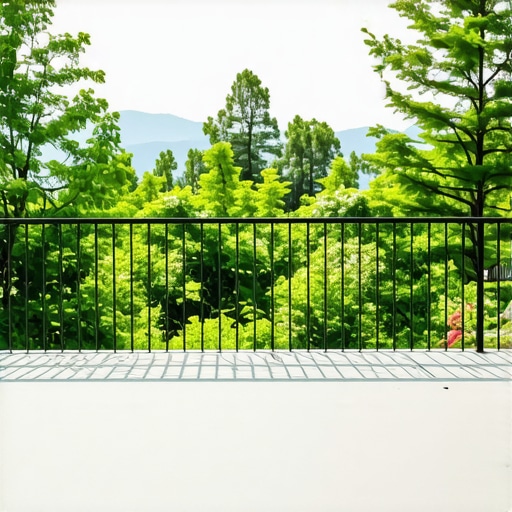
I remember the first time I stood on my deck, eager to enjoy a quiet evening overlooking my backyard. Instead, I found myself squinting over a railing that felt either too high, blocking my view, or too low, making me nervous about safety. That lightbulb moment hit hard — I was overlooking a critical detail that could make or break my outdoor experience: the perfect railing height. Since then, I’ve become a bit of a fanatic about finding that sweet spot to maximize views without compromising safety or style.
Why Railing Heights Matter More Than You Think
When I started paying attention to backyard design, I quickly realized that railing height isn’t just about safety codes—although those are essential—it’s about creating an open, inviting space that encourages relaxation and unobstructed enjoyment. If your railing is too tall, it can feel like a barrier rather than an extension of your porch or deck. Too low, and you risk safety violations and potential accidents. Striking the right balance isn’t just personal preference; it’s backed by longstanding building standards and best practices.
Is Following the Experts Really Necessary?
Honestly, my first mistake was assuming I could DIY my railing design without consulting guidelines or professionals. I thought, how complicated could it be? Turns out, I overlooked the importance of precise measurements and local building codes. The result was a railing that looked good but failed inspection—costing me time and extra money. Starting with proper guidance from specialists [like this guide](https://deckdesignbuild.com/designing-safe-and-stylish-stairs-for-outdoor-decks-in-2025) can save you a lot of trouble overall. Remember, shortcuts often lead to costly fixes down the line.
Measure Precisely to Hit the Sweet Spot
Start by measuring the height from the ground to your desired railing height, aiming for around 36 to 42 inches depending on local codes. I once used a simple tape measure and a level to mark out the exact height, but I misjudged the slope of my uneven yard. As a result, the railing looked crooked. To avoid this, use a string level stretched between two points to mark the same height along uneven terrain, ensuring your railing is consistently level and safe.
Choose the Right Materials for Durability and Style
Opt for composite decking materials that resist rot and weathering. I replaced my old wooden boards with [capped polymer composites](https://deckdesignbuild.com/choosing-the-right-composite-decking-for-durable-low-maintenance-outdoor-areas), which hold up better over time. When selecting, consider the color and texture—darker shades hide dirt but may absorb more heat. Remember, quality materials prevent frequent repairs, saving time and money in the long run.
Design Stairs That Combine Safety and Elegance
Building stairs involves precise measurements for risers and treads. A common mistake is uneven risers, which are a trip hazard. I once built a set where one riser was slightly taller, causing me trips during evening gatherings. To fix this, measure the total height, divide by the desired riser height (typically 7-8 inches), and cut all risers to that length. Use a string line to keep the stairs straight during framing. For added safety and aesthetic appeal, consider installing LED lighting along the edges; see how [stair lighting reduces trips](https://deckdesignbuild.com/the-lighting-trick-for-stairs-that-prevents-trips-without-the-glare).
Ensure Proper Support and Stability
Use appropriate footings and stringers to support your stairs and railing. For uneven ground, pour concrete footings with the correct diameter for your soil condition. I once neglected this and had a railing wobble after heavy wind. Reinforce the connection points with galvanized brackets and bolts. Proper anchoring is critical—consult [this guide](https://deckdesignbuild.com/creating-seamless-transitions-stairs-as-key-elements-in-outdoor-living) for seamless integration of stairs and outdoor transition spaces.
Follow Building Codes Without Compromise
Check local regulations to ensure your railing and stairs meet safety standards. I once built a railing that was too low, which failed inspection. Use a tape measure and a level, and don’t hesitate to call your municipal building department for clarifications. Remember, compliant structures are safer and add value to your outdoor space.
Finishing Touches for Comfort and Style
Add handrails with a comfortable grip and consider finishing trims around stairs for a polished look. I painted mine with a slip-resistant coating, which proved invaluable during the rainy season. Incorporate decorative balusters or glass panels for modern aesthetics, but prioritize safety and durability. For inspiration, explore how [professional deck builders](https://deckdesignbuild.com/transform-your-space-expert-deck-builder-tips-for-stunning-outdoor-living) craft their designs.
Many homeowners and DIY enthusiasts operate under common misconceptions that can lead to costly mistakes. While it’s tempting to believe that choosing the cheapest materials or following basic guidelines suffices, the truth is far more nuanced. In fact, understanding the subtle intricacies of outdoor living features—such as stairs, composite decking, and working with professional deck builders—can significantly elevate your project’s durability, safety, and aesthetic appeal.
One prevalent myth is that all composite decking is created equal. However, the market is flooded with a variety of products differing drastically in quality, resistance, and maintenance needs. Choosing the right composite material is crucial to ensure longevity, especially in climates with heavy sun or moisture exposure. Many assume that initial cost savings outweigh the benefits of premium brands, yet low-quality composites can warp, fade, or develop mold, leading to expensive replacements. It’s a trap that often catches unwary homeowners.
Advanced Question: How does the hidden fastener system impact the longevity and maintenance of composite decks?
This might seem like an internal detail, but hidden fasteners actually play a significant role in ensuring your deck remains smooth and resistant to decay. Improper fastening can cause boards to loosen or squeak over time, inviting water infiltration and early deterioration. Selecting high-quality fasteners designed specifically for composite decking units prevents these issues, ensuring a seamless appearance and long-term durability. Advanced deck builders take this into account to avoid future repair costs, underscoring the importance of expertise in the building process.
Another overlooked aspect is stair design. Many believe that following basic code requirements is sufficient, but the nuances in riser and tread proportions directly influence safety and comfort. For example, uneven risers not only look unprofessional but can cause trip hazards, especially at night. Moreover, incorporating features like integrated lighting enhances safety during evening use—a simple upgrade that many underestimate in importance. For insights on this, professional stair design principles reveal ways to blend style with function.
” alt=”Close-up of composite decking fasteners” title=”Impact of Proper Fastening on Deck Durability”/>
Working with a skilled deck builder often gets dismissed as unnecessary or too expensive. Yet, the difference in final results can be dramatic. Experienced professionals don’t just follow standard plans; they anticipate risks—from drainage problems to support stability—that DIYers often overlook. Collaborating with a seasoned expert means your project benefits from tailored solutions, such as optimal support structures and material selection, that extend your deck’s lifespan. For those ready to elevate their outdoor space, professional guidance is invaluable.
In the end, the devil truly lies in the details. Spotting hidden pitfalls before they become visible—be it inferior fasteners, poor stair proportions, or subpar materials—is the hallmark of a savvy outdoor enthusiast. It’s about investing time and research into the nuances that truly matter. Have you ever fallen into this trap? Let me know in the comments, and if you’re ready to learn more about high-quality outdoor projects, I invite you to explore the resources linked throughout this post for deeper insights.
Keeping your outdoor deck and stairs in top condition requires the right tools and methods that ensure long-term durability and safety. One of my favorite investments is a high-quality cordless impact driver, like the Makita XDT131. I personally rely on it because of its power and battery longevity, which makes installing fasteners and clips seamless without the hassle of cords. For detailed work, I prefer a digital angle finder to ensure precise slopes for stairs—trust me, a deviation of even 1° can cause unevenrisers, leading to tripping hazards. When measuring deck sections, I use a laser distance measure like the Bosch GLM 50 C. It offers quick, accurate readings, saving time and preventing costly mistakes, especially when working on slopes or multiple levels.
How do I maintain composite decking over time?
Cleaning is key to maintaining composite decking’s appearance and safety. I swear by a mix of pressure washing with a 1500 PSI setting and a specially formulated composite cleaner like DeckRevive. Regular cleaning prevents dirt buildup and mold, which can accelerate wear. For stubborn stains, I use a soft-bristle brush to avoid scratching the surface. In the future, I predict that IoT-enabled sensors embedded in decking might monitor moisture and structural health, alerting homeowners before problems escalate—an exciting frontier for outdoor maintenance technology.
Another advanced tip involves installing hidden fasteners designed specifically for composite boards. These fasteners not only create a sleek surface but also reduce moisture infiltration points that could lead to warping or deterioration—more info on that here. Start practicing these maintenance habits today, and your deck will look fresh and safe for decades to come. Don’t underestimate the importance of tools; they are your best allies in achieving a lasting, beautiful outdoor space.
The Hardest Lesson I Learned About outdoor living,stairs,composite decking,deck builder
My journey into creating the perfect outdoor sanctuary was filled with surprises, but the toughest lesson was realizing that details matter far more than I anticipated. Overestimating my DIY skills led to overlooked support structures, which caused wobbling stairs and uneven decking. It taught me that even small mistakes—like misjudging support span or fastener quality—could compromise safety and aesthetics. Patience, research, and collaboration with experts ensure that every nail and beam aligns with long-term plans.
3 Myths About outdoor living,stairs,composite decking,deck builder That Held Me Back
One false belief was that all composite decking is maintenance-free, leading me to choose a cheaper brand that warped after a season. Another misconception was that building stairs is straightforward without precise measurements; I learned uneven risers cause safety hazards. Lastly, I thought a good eye was enough when selecting a deck builder—yet, expertise and adherence to local codes are crucial for durability and safety. Challenging these myths profoundly improved my project outcomes.
What Experts Won’t Tell You About outdoor living,stairs,composite decking,deck builder
Professionals often keep a few tricks up their sleeves, like using hidden fasteners to prevent moisture intrusion or recommending specific support brackets for uneven terrain. They also understand subtle code nuances that protect your investment over time. I discovered that investing in quality materials and proper installation techniques not only enhances safety but also saves money on future repairs. Learning these insider secrets was a game-changer for my outdoor space.
Curated Recommendations for Elevating Your Outdoor Space
My top tool is a hidden fastener system—it creates smooth surfaces and prolongs deck life. I rely on the recommended composite decking brands for weather resistance. For precise stair measurements, a digital angle finder provides unparalleled accuracy. Lastly, collaborating with a professional deck builder can transform your vision into reality, ensuring safety and style.
Your Turn to Try
Building or upgrading your outdoor living space is an investment in your home’s value and your daily wellbeing. Embrace the details—measure twice, choose quality materials, and don’t hesitate to consult professionals. Your perfect backyard retreat is within reach, waiting for your next step. Remember, the only way to truly master outdoor living is to start learning and taking action today.
Which outdoor project has been on your mind, and what’s stopping you from making it happen? Share your experiences in the comments below—I’d love to hear your stories and help you take that first step!
,