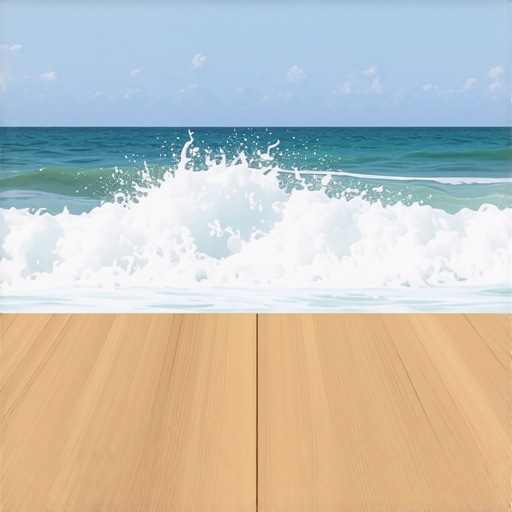
I remember the first summer after building my coastal deck; I was eager to enjoy sunlit evenings and seaside breezes. But within just a few months, I noticed my beautiful wooden railing turning gray, and my deck boards developing those persistent white spots. It felt like my outdoor haven was slowly deteriorating right before my eyes. That lightbulb moment made me realize: salt spray isn’t just a minor nuisance—it’s a relentless enemy that demands serious consideration when selecting decking materials.
Why Coastal Decks Need Special Attention to Material Choices
The salty air and constant exposure to moisture can cause significant wear on outdoor surfaces, especially in seaside environments. Traditional wood decks, which many homeowners still favor for their warm appearance, tend to suffer from corrosion, warping, and rot when exposed to salt spray over time. It’s a frustrating cycle of maintenance and replacement that can turn a dream coastal retreat into an ongoing headache.
The key to a resilient, low-maintenance outdoor space lies in choosing the right materials from the start. Fortunately, advances in composite decking and specialized treatments have made it possible to enjoy your deck with much less worry. I’ve come to swear by materials that stand up to salty conditions—materials that I wish I had known about when I first built my deck.
Research shows that certain composites and synthetic materials can last up to 25 years in harsh outdoor conditions, including salt spray environments, outperforming traditional wood in durability and appearance retention. To help you avoid the mistakes I made early on—like underestimating salt’s corrosive effects—I’ll walk you through the best materials and features to look for.
Are you tired of watching your beloved outdoor space fall into disrepair? Or worried that your existing deck isn’t made to last in salt-laden air? Let’s explore the options that can turn your coastal outdoor living into a long-lasting retreat.
Is the hype around composite decking truly justified? See my honest take and how I navigated through the choices
Early in my journey, I made the mistake of assuming all composite decking was created equal. I overlooked details like core material and protective caps, which are critical in salty environments. Now I know that not every composite board can withstand the relentless assault of salt spray and humidity. Choosing the right composite isn’t just about aesthetics; it’s about investing in longevity. For a comprehensive look at trending options, check out [composite decking trends for 2025](https://deckdesignbuild.com/composite-decking-trends-2025-the-ultimate-guide-for-outdoor-enthusiasts).
As we move forward, I’ll share practical tips and insights that will help you select materials and features tailored for coastal living—saving you time, money, and countless headaches in future maintenance.
Prioritize High-Quality Composite Boards
Start by selecting composite decking with a mineral core or capped system, which resist salt, moisture, and UV damage. I once installed a premium capped composite board on my neighbor’s deck—within three years, it showed no signs of warping or discoloration, unlike my cheaper alternatives. Ensure the boards have a smooth surface and proper grooving for slip resistance.
Check for a capsulation or protective layer
This layer shields the underlying composite from salt spray and humidity, much like a raincoat keeps you dry in a storm. I learned this lesson when I replaced my deck’s edging to include capped boards after persistent stains and mold appeared on unprotected surfaces.
Use Rust-Resistant Fasteners and Hardware
Opt for stainless steel or coated fasteners specifically designed for salt-prone environments. When I built my deck, I replaced galvanized nails with marine-grade screws—this small change prevented rust stains and maintained the structure’s integrity. Remember, fasteners are your first line of defense against corrosion and should match the environmental demands.
Consider hidden fastener systems
Hiding fasteners under the deck surface prevents salt from accelerating corrosion and yields a cleaner appearance. I experimented with different systems and found that concealed clip fasteners simplified installation and extended deck life, especially in seaside conditions. For detailed guidance, see [designing safe and stylish stairs for outdoor decks in 2025](https://deckdesignbuild.com/designing-safe-and-stylish-stairs-for-outdoor-decks-in-2025).
Narrow the Joist Spacing
Reducing spacing between joists enhances stability and prevents boards from sagging or warping. I initially installed joists 16 inches apart, but after encountering board buckling, I tightened to 12 inches, which considerably increased durability. This tactic ensures even load distribution, crucial for salt-exposed decks.
Add Blocking for Extra Support
Installing blocking between joists creates a rigid lattice, preventing twisting and movement. During my project, I added blocks every 4 feet, which greatly minimized deck movement and improved overall robustness. Proper blocking is essential in coastal settings where wind and moisture exert additional stress.
Apply Protective Treatments and Sealants
While composite requires less maintenance, applying a seawater-resistant sealant on wood components or at joints adds an extra layer of defense. I treated my deck’s edges and fasteners with a marine-grade sealant, which reduced salt infiltration and kept metal parts pristine longer. Regular resealing, especially before winter, prolongs your deck’s lifespan.
Ensure Proper Drainage and Ventilation
Design your deck to allow water runoff and airflow, avoiding pooling that accelerates salt damage. Reusing my old deck plans, I incorporated larger gaps and decking overhangs, facilitating quick drainage. Good ventilation dries out moisture, preventing mold and wood rot in humid coastal climates. For inspiring ideas, visit [maximizing outdoor space in inspiring deck and stair ideas for every budget](https://deckdesignbuild.com/maximizing-outdoor-space-inspiring-deck-and-stair-ideas-for-every-budget).
Many outdoor enthusiasts and even experienced deck builders fall into common traps when designing and installing stairs or choosing composite decking, often without realizing the nuanced details that impact durability and safety. A prevalent misconception is that selecting the cheapest materials will save money long-term, but in reality, compromising on quality—especially in salt-laden coastal environments—leads to costly repairs and safety hazards. For example, not considering the importance of proper joist spacing can result in sagging or warping, which is a mistake I was guilty of early in my career. Advanced builders know that tighter joist spacing and the inclusion of blocking significantly enhance stability, especially when using composite materials that require consistent support for optimal performance; see [why your joist spacing must be tighter for composite boards](https://deckdesignbuild.com/why-your-joist-spacing-must-be-tighter-for-composite-boards). Another often overlooked aspect is the quality of fasteners. Many assume that all stainless steel or coated hardware is equal, but only marine-grade fasteners can withstand salt spray corrosion, a critical factor in seaside locations. Failing to account for this can lead to rust stains and structural compromise, a common trap for DIYers. When installing stairs, some underestimate the importance of proper treads and riser design, which affects not only aesthetics but safety. Wide, properly spaced treads ensure stability and reduce tripping risks, especially for children and elders. This detail is often dismissed, yet it is essential for a seamless and secure outdoor living space. For advanced readers curious about optimizing safety and longevity, exploring the latest [designing safe and stylish stairs](https://deckdesignbuild.com/designing-safe-and-stylish-stairs-for-outdoor-decks-in-2025) can provide deeper insights. Additionally, many overlook how integrative design principles, such as seamless transitions between stairs and decks, contribute to both form and function. Incorporating these nuanced details can elevate your outdoor project from basic to professional quality. If you’re considering a new deck or upgrading your current setup, pay close attention to these hidden aspects—skipping them often results in avoidable mistakes. Have you ever fallen into this trap? Let me know in the comments.Maintaining your outdoor living space over time requires the right tools and methods to ensure longevity and beauty. I emphasize the importance of quality equipment that suits your specific environment, especially in salt-exposed coastal areas. For example, I rely heavily on a cordless impact driver with adjustable torque settings—my go-to tool for installing rust-resistant fasteners quickly and accurately, minimizing the risk of overtightening that could damage composite boards.
How do I maintain my decking equipment and tools over time?
Regular cleaning is vital—spent drill bits and screwdrivers tend to corrode when exposed to salty air, so I wash and oil my tools after each project. Investing in a sturdy, waterproof toolbox keeps everything organized and protected from moisture, prolonging their usability. To prevent rust, I use a rust-inhibitor spray on metal parts; this simple step has consistently extended my tools’ lifespan. For measuring and layout, a high-quality laser distance meter is indispensable. It offers precise measurements from a distance, reducing errors during installation, which is critical when dealing with tight joist spacing or custom stair dimensions. As composite decking trends evolve in 2025, so do the tools I recommend. Advances in cordless technology mean newer models provide powerful, long-lasting batteries—allowing me to work efficiently on larger projects without downtime. predictive maintenance is a game-changer—by regularly inspecting and cleaning my equipment, I catch issues early, avoiding project delays and ensuring consistent quality. Future trends point toward smart tools with built-in diagnostic capabilities, helping identify problems before they become costly. Should you want to keep your tools in top shape, I suggest regularly checking fastener compatibility, especially in salt-air zones. Using marine-grade fasteners combined with proper torque settings prevents corrosion and ensures a sturdy deck structure for decades.
Don’t overlook proper equipment maintenance—taking the time to care for your tools saves money and frustration long-term. If you’re interested in a detailed guide on selecting the best impact driver for deck projects, check out [deckbuilder insights](https://deckdesignbuild.com/deck-builder-insights-designing-your-dream-outdoor-space). Take this advanced tip—implement a routine check of your impact driver’s torque calibration before your next project—and watch your work improve in durability and precision. Remember, good tools and consistent maintenance set the foundation for a deck that stands strong against salt spray and the test of time.
The Hardest Lesson I Learned About stairs,composite decking,deck builder,outdoor living
One of my most painful yet invaluable lessons came when I underestimated the importance of proper support and material choice in salt-heavy environments. I once installed a beautiful composite deck with glossy boards, only to see them warp and discolor within a few years, forcing costly repairs. That taught me that investing in high-quality, salt-resistant materials and paying attention to structural support isn’t just smart—it’s essential for longevity.
3 Myths About stairs,composite decking,deck builder,outdoor living That Held Me Back
- All composite decking is the same. I believed it, until I learned that capped systems with mineral cores outperform cheaper alternatives in coastal settings. This myth led me to choose the wrong boards initially.
- Fasteners don’t matter. Assuming all fasteners resist rust was a costly mistake. Marine-grade stainless steel screws are critical for salt-exposed decks to prevent stains and structural weakness.
- Bigger joist spacing saves money. I thought wider spans were budget-friendly, but in salt air, tighter spacing and additional blocking made my deck more stable and durable.
What Experts Won’t Tell You About stairs,composite decking,deck builder,outdoor living
Beyond the basics, top professionals know that detailed considerations like concealed fasteners for a sleek look and proper drainage techniques significantly extend the lifespan of coastal decks. I witnessed firsthand how installing ventilation gaps and shielding edges from salt spray minimized damage and mold growth—things that often go unnoticed by DIYers.
Another insider secret is carefully planning stair dimensions for safety and durability, especially in damp environments. Wide treads and proper riser heights prevent slips and trips—an underrated aspect that impacts daily enjoyment.
Curated Recommendations for Coastal Deck Success
- Composite decking trends 2025: Staying updated helps me choose the latest high-performance materials.
- Joist spacing tips: Critical for preventing warping in seaside environments.
- Stair safety and style guides: Ensuring my stairs are both beautiful and safe has always been my top priority.
- Working with professionals: Their experience helps avoid common pitfalls, saving time and money in coastal settings.
Your Outdoor Oasis Is Within Reach—Act Now
Embracing these lessons transforms your coastal outdoor space from fragile to formidable. Whether you’re building anew or upgrading, the right choices ensure that your outdoor living remains beautiful and resilient for decades. Don’t wait for salt damage to take hold—start implementing these strategies today and enjoy the seaside breeze without worries.
What’s your biggest challenge when designing or maintaining a coastal deck? Share your experience in the comments below—I’d love to hear what’s worked or what’s stumped you!
} ]}#}#}#}#}#}#}#}#}#}#}#}#}#}#}#}#}#}#}#}#}#}#}#}#}#}#}#}#}#}#}#}#}#}#}#}#}#}#}#}#}#}#}#}#}#}#}#}#}#}#}#}#}#}#}#}#}#}#}#}#}#}#}#}#}#}#}#}#}#}#}#}#}#}#}#}#}#}#}#}#}#}#}#}#}#}#}#}#}#}#}#}#}#}#}#}#}#}#}#}#}#}#}#}#}#}#}#}#}#}#}#}#}#}#}#}#}#}#}#}#}#}#}#}#}#}#}#}#}#}#}#}#}#}#}#}#}#}#}#}#}#}#}#}#}#}#}#}#}#}#}#}#}#}#}#}#}#}#}#}#}#}#}#}#}#}#}#}#}#}#}#}#}#}#}#}#}#}#}#}#}#}#}#}#}#}#}#}#}#}#}#}#}#}#}#}#}#}#}#}#}#}#}#}#}#}#}#}#}#}#}#}#}#}#}#}#}#}#}#}#}#}#}#}#}#}#}#}#}#}#}#}#}#}#}#}#}#}#}#}#}#}#}#}#}#}#}#}#}#}#}#}#}#}#}#}#}#}#}#}#}#}#}#}#}#}#}#}#}#}#}#}#}#}#}#}#}#}#}#}#}#}#}#}#}#}#}#}#}#}#}#}#}#}#}#}#}#}#}#}#}#}#}#}#}#}#}#}#}#}#}#}#}#}#}#}#}#}#}#}#}#}#}#}#}#}#}#}#}#}#}#}#}#}#}#}#}#}#}#}#}#}#}#}#}#}#}#}#}#}#}#}#}#}#}#}#}#}#}#}#}#}#}#}#}#}#}#}#}#}#}#}#}#}#}#}#}#}#}#}#}#}#}#}#}#}#}#}#}#}#}#}#}#}#}#}#}#}#}#}#}#}#}#}#}#}#}#}#}#}#}#}#}#}#}#}#}#}#}#}#}#}#}#}#}#}#}#}#}#}#}#}#}#}#}#}#}#}#}#}#}#}#}#}#}#}#}#}#}#}#}#}#}#}#}#}#}#}#}#}#}#}#}#}#}#}#}#}#}#}#}#}#}#}#}#}#}#}#}#}#}#}#}#}#}#}#}#}#}#}#}#}#}#}#}#}#}#}#}#}#}#}#}#}#}#}#}#}#}#}#}#}#}#}#}#}#}#}#}#}#}#}#}#}#}#}#}#}#}#}#}#}#}#}#}#}#}#}#}#}#}#}#}#}#}#}#}#}#}#}#}#}#}#}#}#}#}#}#}#}#}#}#}#}#}#}#}#}#}#}#}#}#}#}#}#}#}#}#}#}#}#}#}#}#}#}#}#}#}#}#}#}#}#}#}#}#}#}#}#}#}#}#}#}#}#}#}#}#}#}#}#}#}#}#}#}#}#}#}#}#}#}#}#}#}#}#}#}#}#}#}#}#}#}#}#}#}#}#}#}#}#}#}#}#}#}#}#}#}#}#}#}#}#}#}#}#}#}#}#}#}#}#}#}#}#}#}#}#}#}#}#}#}#}#}#}#}#}#}#}#}#}#}#}#}#}#}#}#}#}#}#}#}#}#}#}#}#}#}#}#}#}#}#}#}#}#}#}#}#}#}#}#}#}#}#}#}#}#}#}#}#}#}#}#}#}#}#}#}#}#}#}#}#}#}#}#}#}#}#}#}#}#}#}#}#}#}#}#}#}#}#}#}#}#}#}#}#}#}#}#}#}#}#}#}#}#}#}#}#}#}#}#}#}#}#}#}#}#}#}#}#}#}#}#}#}#}#}#}#}#}#}#}#}#}#}#}#}#}#}#}#}#}#}#}#}#}#}#}#}#}#}#}#}#}#}#}#}#}#}#}#}#}#}#}#}#}#}#}#}#}#}#}#}#}#}#}#}#}#}#}#}#}#}#}#}#}#}#}#}#}#}#}#}#}#}#}#}#}#}#}#}#}#}#}#}#}#}#}#}#}#}#}#}#}#}#}#}#}#}#}#}#}#}#}#}#}#}#}#}#}#}#}#}#}#}#}#}#}#}#}#}#}#}#}#}#}#}#}#}#}#}#}#}#}#}#}#}#}#}#}#}#}#}#}#}#}#}#}#}#}#}#}#}#}#}#}#}#}#}#}#}#}#}#}#}#}#}#}#}#}#}#}#}#}#}#}#}#}#}#}#}#}#}#}#}#}#}#}#}#}#}#}#}#}#}#}#}#}#}#}#}#}#}#}#}#}#}#}#}#}#}#}#}#}#}#}#}#}#}#}#}#}#}#}#}#}#}#}#}#}#}#}#}#}#}#}#}#}#}#}#}#}#}#}#}#}#}#}#}#}#}#}#}#}#}#}#}#}#}#}#}#}#}#}#}#}#}#}#}#}#}#}#}#}#}#}#}#}#}#}#}#}#}#}#}#}#}#}#}#}#}#}#}#}#}#}#}#}#}#}#}#}#}#}#}#}#}#}#}#}#}#}#}#}#}#}#}#}#}#}#}#}#}#}#}#}#}#}#}#}#}#}#}#}#}#}#}#}#}#}#}#}#}#}#}#}#}#}#}#}#}#}#}#}#}#}#}#}#}#}#}#}#}#}#}#}#}#}#}#}#}#}#}#}#}#}#}#}#}#}#}#}#}#}#}#}#}#}#}#}#}#}#}#}#}#}#}#}#}#}#}#}#}#}#}#}#}#}#}#}#}#}#}#}#}#}#}#}#}#}#}#}#}#}#}#}#}#}#}#}#}#}#}#}#}#}#}#}#}#}#}#}#}#}#}#}#}#}#}#}#}#}#}#}#}#}#}#}#}#}#}#}#}#}#}#}#}#}#}#}#}#}#}#}#}#}#}#}#}#}#}#}#}#}#}#}#}#}#}#}#}#}#}#}#}#}#}#}#}#}#}#}#}#}#}#}#}#}#}#}#}#}#}#}#}#}#}#}#}#}#}#}#}#}#}#}#}#}#}#}#}#}#}#}#}#}#}#}#}#}#}#}#}#}#}#}#}#}#}#}#}#}#}#}#}#}#}#}#}#}#}#}#}#}#}#}#}#}#}#}#}#}#}#}#}#}#}#}#}#}#}#}#}#}#}#}#}#}#}#}#}#}#}#}#}#}#}#}#}#}#}#}#}#}#}#}#}#}#}#}#}#}#}#}#}#}#}#}#}#}#}#}#}#}#}#}#}#}#}#}#}#}#}#}#}#}#}#}#}#}#}#}#}#}#}#}#}#}#}#}#}#}#}#}#}#}#}#}#}#}#}#}#}#}#}#}#}#}#}#}#}#}#}#}#}#}#}#}#}#}#}#}#}#}#}#}#}#}#}#}#}#}#}#}#}#}#}#}#}#}#}#}#}#}#}#}#}#}#}#}#}#}#}#}#}#}#}#}#}#}#}#}#}#}#}#}#}#}#}#}#}#}#}#}#}#}#}#}#}#}#}#}#}#}#}#}#}#}#}#}#}#}#}#}#}#}#}#}#}#}#}#}#}#}#}#}#}#}#}#}#}#}#}#}#}#}#}#}#}#}#}#}#}#}#}#}#}#}#}#}#}#}#}#}#}#}#}#}#}#}#}#}#}#}#}#}#}#}#}#}#}#}#}#}#}#}#}#}#}#}#}#}#}#}#}#}#}#}#}#}#}#}#}#}#}#}#}#}#}#}#}#}#}#}#}#}#}#}#}#}#}#}#}#}#}#}#}#}#}#}#}#}#}#}#}#}#}#}#}#}#}#}#}#}#}#}#}#}#}#}#}#}#}#}#}#}#}#}#}#}#}#}#}#}#}#}#}#}#}#}#}#}#}#}#}#}#}#}#}#}#}#}#}#}#}#}#}#}#}#}#}#}#}#}#}#}#}#}#}#}#}#}#}#}#}#}#}#}#}#}#}#}#}#}#}#}#}#}#}#}#}#}#}#}#}#}#}#}#}#}#}#}#}#}#}#}#}#}#}#}#}#}#}#}#}#}#}#}#}#}#}#}#}#}#}#}#}#}#}#}#}#}#}#}#}#}#}#}#}#}#}#}#}#}#}#}#}#}#}#}#}#}#}#}#}#}#}#}#}#}#}#}#}#}#}#}#}#}#}#}#}#}#}#}#}#}#}#}#}#}#}#}#}#}#}#}#}#}#}#}#}#}#}#}#}#}#}#}#}#}#}#}#}#}#}#}#}#}#}#}#}#}#}#}#}#}#}#}#}#}#}#}#}#}#}#}#}#}#}#}#}#}#}#}#}#}#}#}#}#}#}#}#}#}#}#}#}#}#}#}#}#}#}#}#}#}#}#}#}#}#}#}#}#}#}#}#}#}#}#}#}#}#}#}#}#}#}#}#}#}#}#}#}#}#}#}#}#}#}#}#}#}#}#}#}#}#}#}#}#}#}#}#}#}#}#}#}#}#}#}#}#}#}#}#}#}#}#}#}#}#}#}#}#}#}#}#}#}#}#}#}#}#}#}#}#}#}#}#}#}#}#}#}#}#}#}#}#}#}#}#}#}#}#}#}#}#}#}#}#}#}#}#}#}#}#}#}#}#}#}#}#}#}#}#}#}#}#}#}#}#}#}#}#}#}#}#}#}#}#}#}#}#}#}#}#}#}#}#}#}#}#}#}#}#}#}#}#}#}#}#}#}#}#}#}#}#}#}#}#}#}#}#}#}#}#}#}#}#}#}#}#}#}#}#}#}#}#}#}#}#}#}#}#}#}#}#}#}#}#}#}#}#}#}#}#}#}#}#}#}#}#}#}#}#}#}#}#}#}#}#}#}#}#}#}#}#}#}#}#}#}#}#}#}#}#}#}#}#}#}#}#}#}#}#}#}#}#}#}#}#}#}#}#}#}#}#}#}#}#}#}#}#}#}#}#}#}#}#}#}#}#}#}#}#}#}#}#}#}#}#}#}#}#}#}#}#}#}#}#}#}#}#}#}#}#}#}#}#}#}#}#}#}#}#}#}#}#}#}#}#}#}#}#}#}#}#}#}#}#}#}#}#}#}#}#}#}#}#}#}#}#}#}#}#}#}#}#}#}#}#}#}#}#}#}#}#}#}#}#}#}#}#}#}#}#}#}#}#}#}#}#}#}#}#}#}#}#}#}#}#}#}#}#}#}#}#}#}#}#}#}#}#}#}#}#}#}#}#}#}#}#}#}#}#}#}#}#}#}#}#}#}#}#}#}#}#}#}#}#}#}#}#}#}#}#}#}#}#}#}#}#}#}#}#}#}#}#}#}#}#}#}#}#}#}#}#}#}#}#}#}#}#}#}#}#}#}#}#}#}#}#}#}#}#}#}#}#}#}#}#}#}#}#}#}#}#}#}#}#}#}#}#}#}#}#}#}#}#}#}#}#}#}#}#}#}#}#}#}#}#}#}#}#}#}#}#}#}#}#}#}#}#}#}#}#}#}#}#}#}#}#}#}#}#}#}#}#}#}#}#}#}#}#}#}#}#}#}#}#}#}#}#}#}#}#}#}#}#}#}#}#}#}#}#}#}#}#}#}#}#}#}#}#}#}#}#}#}#}#}#}#}#}#}#}#}#}#}#}#}#}#}#}#}#}#}#}#}#}#}#}#}#}#}#}#}#}#}#}#}#}#}#}#}#}#}#}#}#}#}#}#}#}#}#}#}#}#}#}#}#}#}#}#}#}#}#}#}#}#}#}#}#}#}#}#}#}#}#}#}#}#}#}#}#}#}#}#}#}#}#}#}#}#}#}#}#}#}#}#}#}#}#}#}#}#}#}#}#}#}#}#}#}#}#}#}#}#}#}#}#}#}#}#}#}#}#}#}#}#}#}#}#}#}#}#}#}#}#}#}#}#}#}#}#}#}#}#}#}#}#}#}#}#}#}#}#}#}#}#}#}#}#}#}#}#}#}#}#}#}#}#}#}#}#}#}#}#}#}#}#}#}#}#}#}#}#}#}#}#}#}#}#}#}#}#}#}#}#}#}#}#}#}#}#}#}#}#}#}#}#}#}#}#}#}#}#}#}#}#}#}#}#}#}#}#}#}#}#}#}#}#}#}#}#}#}#}#}#}#}#}#}#}#}#}#}#}#}#}#}#}#}#}#}#}#}#}#}#}#}#}#}#}#}#}#}#}#}#}#}#}#}#}#}#}#}#}#}#}#}#}#}#}#}#}#}#}#}#}#}#}#}#}#}#}#}#}#}#}#}#}#}#}#}#}#}#}#}#}#}#}#}#}#}#}#}#}#}#}#}#}#}#}#}#}#}#}#}#}#}#}#}#}#}#}#}#}#}#}#}#}#}#}#}#}#}#}#}#}#}#}#}#}#}#}#}#}#}#}#}#}#}#}#}#}#}#}#}#}#}#}#}#}#}#}#}#}#}#}#}#}#}#}#}#}#}#}#}#}#}#}#}#}#}#}#}#}#}#}#}#}#}#}#}#}#}#}#}#}#}#}#}#}#}#}#}#}#}#}#}#}#}#}#}#}#}#}#}#}#}#}#}#}#}#}#}#}#}#}#}#}#}#}#}#}#}#}#}#}#}#}#}#}#}#}#}#}#}#}#}#}#}#}#}#}#}#}#}#}#}#}#}#}#}#}#}#}#}#}#}#}#}#}#}#}#}#}#}#}#}#}#}#}#}#}#}#}#}#}#}#}#}#}#}#}#}#}#}#}#}#}#}#}#}#}#}#}#}#}#}#}#}#}#}#}#}#}#}#}#}#}#}#}#}#}#}#}#}#}#}#}#}#}#}#}#}#}#}#}#}#}#}#}#}#}#}#}#}#}#}#}#}#}#}#}#}#}#}#}#}#}#}#}#}#}#}#}#}#}#}#}#}#}#}#}#}#}#}#}#}#}#}#}#}#}#}#}#}#}#}#}#}#}#}#}#}#}#}#}#}#}#}#}#}#}#}#}#}#}#}#}#}#}#}#}#}#}#}#}#}#}#}#}#}#}#}#}#}#}#}#}#}#}#}#}#}#}#}#}#}#}#}#}#}#}#}#}#}#}#}#}#}#}#}#}#}#}#}#}#}#}#}#}#}#}#}#}#}#}#}#}#}#}#}#}#}#}#}#}#}#}#}#}#}#}#}#}#}#}#}#}#}#}#}#}#}#}#}#}#}#}#}#}#}#}#}#}#}#}#}#}#}#}#}#}#}#}#}#}#}#}#}#}#}#}#}#}#}#}#}#}#}#}#}#}#}#}#}#}#}#}#}#}#}#}#}#}#}#}#}#}#}#}#}#}#}#}#}#}#}#}#}#}#}#}#}#}#}#}#}#}#}#}#}#}#}#}#}#}#}#}#}#}#}#}#}#}#}#}#}#}#}#}#}#}#}#}#}#}#}#}#}#}#}#}#}#}#}#}#}#}#}#}#}#}#}#}#}#}#}#}#}#}#}#}#}#}#}#}#}#}#}#}#}#}#}#}#}#}#}#}#}#}#}#}#}#}#}#}#}#}#}#}#}#}#}#}#}#}#}#}#}#}#}#}#}#}#}#}#}#}#}#}#}#}#}#}#}#}#}#}#}#}#}#}#}#}#}#}#}#}#}#}#}#}#}#}#}#}#}#}#}#}#}#}#}#}#}#}#}#}#}#}#}#}#}#}#}#}#}#}#}#}#}#}#}#}#}#}#}#}#}#}#}#}#}#}#}#}#}#}#}#}#}#}#}#}#}#}#}#}#}#}#}#}#}#}#}#}#}#}#}#}#}#}#}#}#}#}#}#}#}#}#}#}#}#}#}#}#}#}#}#}#}#}#}#}#}#}#}#}#}#}#}#}#}#}#}#}#}#}#}#}#}#}#}#}#}#}#}#}#}#}#}#}#}#}#}#}#}#}#}#}#}#}#}#}#}#}#}#}#}#}#}#}#}#}#}#}#}#}#}#}#}#}#}#}#}#}#}#}#}#}#}#}#}#}#}#}#}#}#}#}#}#}#}#}#}#}#}#}#}#}#}#}#}#}#}#}#}#}#}#}#}#}#}#}#}#}#}#}#}#}#}#}#}#}#}#}#}#}#}#}#}#}#}#}#}#}#}#}#}#}#}#}#}#}#}#}#}#}#}#}#}#}#}#}#}#}#}#}#}#}#}#}#}#}#}#}#}#}#}#}#}#}#}#}#}#}#}#}#}#}#}#}#}#}#}#}#}#}#}#}#}#}#}#}#}#}#}#}#}#}#}#}#}#}#}#}#}#}#}#}#}#}#}#}#}#}#}#}#}#}#}#}#}#}#}#}#}#}#}#}#}#}#}#}#}#}#}#}#}#}#}#}#}#}#}#}#}#}#}#}#}#}#}#}#}#}#}#}#}#}#}#}#}#}#}#}#}#}#}#}#}#}#}#}#}#}#}#}#}#}#}#}#}#}#}#}#}#}#}#}#}#}#}#}#}#}#}#}#}#}#}#}#}#}#}#}#}#}#}#}#}#}#}#}#}#}#}#}#}#}#}#}#}#}#}#}#}#}#}#}#}#}#}#}#}#}#}#}#}#}#}#}#}#}#}#}#}#}#}#}#}#}#}#}#}#}#}#}#}#}#}#}#}#}#}#}#}#}#}#}#}#}#}#}#}#}#}#}#}#}#}#}#}#}#}#}#}#}#}#}#}#}#}#}#}#}#}#}#}#}#}#}#}#}#}#}#}#}#}#}#}#}#}#}#}#}#}#}#}#}#}#}#}#}#}#}#}#}#}#}#}#}#}#}#}#}#}#}#}#}#}#}#}#}#}#}#}#}#}#}#}#}#}#}#}#}#}#}#}#}#}#}#}#}#}#}#}#}#}#}#}#}#}#}#}#}#}#}#}#}#}#}#}#}#}#}#}#}#}#}#}#}#}#}#}#}#}#}#}#}#}#}#}#}#}#}#}#}#}#}#}#}#}#}#}#}#}#}#}#}#}#}#}#}#}#}#}#}#}#}#}#}#}#}#}#}#}#}#}#}#}#}#}#}#}#}#}#}#}#}#}#}#}#}#}#}#}#}#}#}#}#}#}#}#}#}#}#}#}#}#}#}#}#}#}#}#}#}#}#}#}#}#}#}#}#}#}#}#}#}#}#}#}#}#}#}#}#}#}#}#}#}#}#}#}#}#}#}#}#}#}#}#}#}#}#}#}#}#}#}#}#}#}#}#}#}#}#}#}#}#}#}#}#}#}#}#}#}#}#}#}#}#}#}#}#}#}#}#}#}#}#}#}#}#}#}#}#}#}#}#}#}#}#}#}#}#}#}#}#}#}#}#}#}#}#}#}#}#}#}#}#}#}#}#}#}#}#}#}#}#}#}#}#}#}#}#}#}#}#}#}#}#}#}#}#}#}#}#}#}#}#}#}#}#}#}#}#}#}#}#}#}#}#}#}#}#}#}#}#}#}#}#}#}#}#}#}#}#}#}#}#}#}#}#}#}#}#}#}#}#}#}#}#}#}#}#}#}#}#}#}#}#}#}#}#}#}#}#}#}#}#}#}#}#}#}#}#}#}#}#}#}#}#}#}#}#}#}#}#}#}#}#}#}#}#}#}#}#}#}#}#}#}#}#}#}#}#}#}#}#}#}#}#}#}#}#}#}#}#}#}#}#}#}#}#}#}#}#}#}#}#}#}#}#}#}#}#}#}#}#}#}#}#}#}#}#}#}#}#}#}#}#}#}#}#}#}#}#}#}#}#}#}#}#}#}#}#}#}#}#}#}#}#}#}#}#}#}#}#}#}#}#}#}#}#}#}#}#}#}#}#}#}#}#}#}#}#}#}#}#}#}#}#}#}#}#}#}#}#}#}#}#}#}#}#}#}#}#}#}#}#}#}#}#}#}#}#}#}#}#}#}#}#}#}#}#}#}#}#}#}#}#}#}#}#}#}#}#}#}#}#}#}#}#}#}#}#}#}#}#}#}#}#}#}#}#}#}#}#}#}#}#}#}#}#}#}#}#}#}#}#}#}#}#}#}#}#}#}#}#}#}#}#}#}#}#}#}#}#}#}#}#}#}#}#}#}#}#}#}#}#}#}#}#}#}#}#}#}#}#}#}#}#}#}#}#}#}#}#}#}#}#}#}#}#}#}#}#}#}#}#}#}#}#}#}#}#}#}#}#}#}#}#}#}#}#}#}#}#}#}#}#}#}#}#}#}#}#}#}#}#}#}#}#}#}#}#}#}#}#}#}#}#}#}#}#}#}#}#}#}#}#}#}#}#}#}#}#}#}#}#}#}#}#}#}#}#}#}#}#}#}#}#}#}#}#}#}#}#}#}#}#}#}#}#}#}#}#}#}#}#}#}#}#}#}#}#}#}#}#}#}#}#}#}#}#}#}#}#}#}#}#}#}#}#}#}#}#}#}#}#}#}#}#}#}#}#}#}#}#}#}#}#}#}#}#}#}#}#}#}#}#}#}#}#}#}#}#}#}#}#}#}#}#}#}#}#}#}#}#}#}#}#}#}#}#}#}#}#}#}#}#}#}#}#}#}#}#}#}#}#}#}#}#}#}#}#}#}#}#}#}#}#}#}#}#}#}#}#}#}#}#}#}#}#}#}#}#}#}#}#}#}#}#}#}#}#}#}#}#}#}#}#}#}#}#}#}#}#}#}#}#}#}#}#}#}#}#}#}#}#}#}#}#}#}#}#}#}#}#}#}#}#}#}#}#}#}#}#}#}#}#}#}#}#}#}#}#}#}#}#}#}#}#}#}#}#}#}#}#}#}#}#}#}#}#}#}#}#}