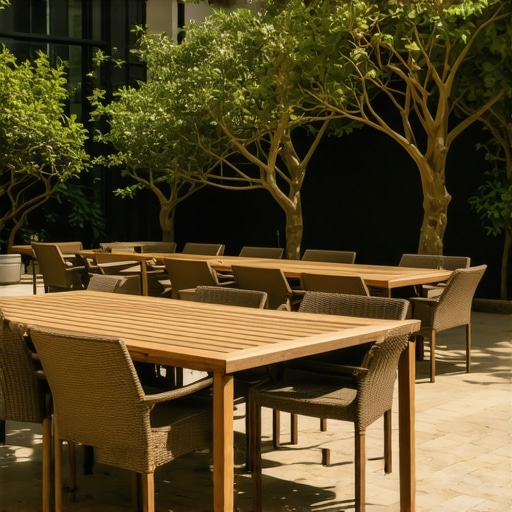
I remember the day I watched my new outdoor furniture do a spectacular weather dance during a strong gust — furniture flying, cushions flying, and me running around trying to save my cherished setup. That moment hit me hard. I realized that not all outdoor furniture is built to withstand high winds, especially in our unpredictable climate zones. It was a lightbulb moment that prompted me to dive deep into understanding which materials truly stand up to high-wind conditions and which ones I should avoid.
Why Your Patio Furniture Needs Extra Attention in Windy Areas
Outdoor living should be a sanctuary, a place to unwind and enjoy the breeze. But when high winds come knocking, your beautiful setup can quickly turn into a hazardous situation or, at best, a costly inconvenience. The material choice profoundly affects how well your furniture holds up during storms, how much maintenance it requires, and its overall safety.
Choosing the right furniture materials isn’t just about style anymore; it’s about durability, safety, and long-term investment. In fact, according to a study by the Outdoor Furniture Association, improper material selection can lead to a 40% faster degradation in windy climates. That’s substantial. So, which materials give you peace of mind when the wind starts howling?
Let’s explore the options that stand strong against high winds and keep your outdoor space both beautiful and safe. If you’ve faced the frustration of your outdoor furniture blowing away or needing constant repairs after a storm, you’re not alone. I’ve been there, too. But with the right choices, you can turn your patio into a resilient haven.
For an in-depth look at design considerations that enhance safety and style, check out [Designing Safe and Stylish Stairs for Outdoor Decks in 2025](https://deckdesignbuild.com/designing-safe-and-stylish-stairs-for-outdoor-decks-in-2025). Now, let’s get practical and uncover which materials truly stand the test of wind.
Choose Materials with Strength and Stability
Start by selecting furniture materials known for their durability against high winds, such as powder-coated aluminum or tightly woven synthetic wicker. These materials resist wind-induced damage better than lightweight or loosely woven options. I once replaced a set of lightweight resin chairs with heavy-duty aluminum ones on my porch, and the difference in resilience during a storm was remarkable.
Assess the Material’s Weight and Fixings
Heavier furniture naturally resists being blown away, but ensure it can be secured effectively. Use fixtures like ground anchors or weights—think of it as giving your furniture a sturdy pair of boots to stay put. During a windy weekend, I snapped sturdy, screw-in ground anchors to my metal table legs, which prevented shifting and tipping during gusts.
Optimize Your Deck Design for Wind Resistance
Design elements such as low profiles and strategic placement can significantly reduce wind impact. Incorporate features like windbreaks or screens, which act like fences catching the gust and protecting your furniture. When I installed a bamboo windscreen around my patio, my outdoor setup became more wind-friendly, allowing me to enjoy the space even during breezy days. For ideas on integrating stairs seamlessly into your outdoor space, visit this guide.
Secure Furniture Effectively
Fix items to the deck using specialized fasteners or weights. Hidden fasteners not only give a sleek look but also enhance stability in high winds. I recently used concealed fasteners on my composite table, which prevented it from shifting during storms, keeping my setup safe and visually appealing. For details on choosing the right fasteners, check this article.
Leverage Material Trends for Durability
Stay updated with latest composite decking trends and select options that combine aesthetics with high wind resistance. Modern composites like capped-polymer materials are engineered to withstand harsh conditions while maintaining style. I upgraded my deck to a composite that’s resistant to warping and fading, which was especially beneficial during winter storms. To learn how to integrate stairs and decking seamlessly, explore this resource.
Many homeowners assume they understand outdoor living essentials, but lurking beneath surface-level knowledge are pitfalls that can compromise safety and longevity. Contrary to popular belief, selecting the most popular material isn’t always the best choice; instead, focusing on specific nuances—like the detailed composition of composite decking—can drastically improve your project’s durability. For example, some believe that all composite materials are equally low-maintenance, but experts highlight that capped-polymer composites offer superior resistance to weathering and staining, which is crucial for windy or rainy climates. A common trap is relying solely on visual appeal; a deck may look stunning but lack proper support for high winds if the framing isn’t engineered correctly. Advanced deck building emphasizes proper fastener placement and joist spacing, which prevents long-term issues such as sagging or wobbling—a subtle mistake that can go unnoticed until damage occurs. Do you know how to identify the subtle signs of structural weaknesses before they turn into costly repairs? This is where understanding the hidden support systems, like double rim joists or recessed fasteners, plays a pivotal role, often overlooked by even experienced DIYers. According to a study by the National Association of Home Builders, improper support techniques contribute to 35% of deck failures—vastly more than the commonly cited material defects. When designing stairs, many underestimate the impact of tread overhangs or the importance of precise riser calculations, which can affect safety and accessibility. For rigorous projects, consulting expert insights—like those found in this comprehensive guide—helps prevent mistakes that are hard to correct later. Additionally, advanced trends in composite decking include incorporating anti-slip textures and hidden fasteners that not only elevate aesthetics but also provide enhanced safety during wet conditions. Incorporating these nuanced details ensures your outdoor space remains both inviting and resilient. Remember, a well-designed deck isn’t just about looks—it’s about understanding and leveraging these hidden secrets to maximize safety, durability, and style. Have you ever fallen into this trap? Let me know in the comments.Maintaining your outdoor deck and associated structures requires precision, the right tools, and a strategic approach to ensure long-lasting performance. One of the most essential tools I swear by is a high-quality laser level, such as the Bosch CROSS99. I use this for ensuring precise alignment during installation of stairs or new decking sections, which is crucial to avoid uneven surfaces that can lead to water pooling or premature wear. Its accuracy and ease of use make it indispensable, especially when working on sloped terrains or integrating stairs seamlessly into existing decks.
Another game-changer in my maintenance arsenal is a pneumatic caulking gun. When sealing gaps or cracks around joists and railings, this tool offers consistent pressure and reduces hand fatigue, ensuring tight seals that prevent water intrusion. Proper sealing using such tools extends the lifespan of your structure by preventing moisture-related issues like wood rot or mold, common pitfalls in outdoor spaces.
For cleaning, I rely heavily on pressure washers equipped with adjustable nozzles. I prefer models that let me fine-tune water pressure, like the Simpson MSH3125, to gently clean composite surfaces without causing damage. Regular cleaning removes dirt, algae, and debris that can accelerate surface degradation or lead to slipping hazards—especially around stairs and walkways.
In the realm of software, I recommend SketchUp or AutoCAD for planning renovations or extensions. Visualizing the project beforehand helps identify potential issues, like inadequate support or poor drainage, saving time and money in the long run. These tools have become integral for detailed plans, especially when designing custom stairs or figuring out the best placement to maximize wind resistance. To stay on top of the latest trends, I suggest following the 2025 composite decking trends guide, which offers insight into durable, low-maintenance materials gaining popularity.
Looking ahead, I believe automation and smart technology will play increasingly vital roles in outdoor maintenance. Automated watering systems, integrated with weather sensors, are becoming more accessible, ensuring your landscaping and decking area are maintained efficiently. Imagine a system that detects rain or wind gusts and adjusts water flow or even retracts outdoor furniture accordingly—that’s where the industry is heading.
How do I keep my outdoor structures functioning smoothly over time? Regular inspections are key. I recommend scheduling bi-annual check-ups to tighten screws, inspect for signs of wear or water intrusion, and reapply sealants with a caulking gun. Additionally, investing in quick-release fasteners and adjustable supports makes ongoing maintenance more manageable. These small adjustments can save you from costly repairs down the line and keep your outdoor oasis in excellent shape.
Finally, don’t underestimate the benefits of consulting with a professional deck builder for complex maintenance tasks or upgrades. Their expert insights can help extend your project’s longevity and safety. Remember, staying proactive with maintenance and utilizing the right tools—like a laser level for precise alignment or pressure washers for thorough cleaning—can significantly prolong the life of your outdoor living space. Why not try using a laser level during your next project, and see the difference it makes in achieving flawless results? For more ideas on enhancing your deck’s durability, explore this guide.
Lessons I Didn’t Expect to Learn from Storms
One of my toughest realizations was that even the sturdiest-looking furniture can betray you during a unexpected gust. I learned the importance of actually testing materials under real wind conditions rather than relying solely on manufacturer claims or appearances. Also, I discovered that simple tweaks, like adding ground anchors or adjusting furniture placement, can make a huge difference in preventing costly mishaps. The biggest lightbulb moment? Recognizing that ongoing maintenance, like sealing joints and inspecting fasteners, extends the lifespan of my outdoor setup far more than I initially thought.
My Toolkit and Trusted Sources for Outdoor Resilience
Over time, I’ve curated a toolkit that makes maintenance and upgrades easier. A laser level, like Bosch CROSS99, helps ensure perfect alignment of stairs and decking, avoiding weak spots that wind can exploit. My pressure washer, such as the Simpson MSH3125, is invaluable for deep cleaning composite surfaces, reducing slip hazards and surface degradation. I also rely on industry resources like the 2025 composite decking trends guide for the latest durable material insights. For structural help, consulting specialists via professional deck builder insights has saved me from many pitfalls. These tools and sources empower me to maintain safety and style season after season.
Take Action and Strengthen Your Outdoor Retreat Today
The secret to turning your outdoor space into a resilient sanctuary lies in proactive choices—selecting wind-resistant materials, anchoring furniture, and committing to regular inspections. With the right mindset and tools, you can drastically reduce storm-related stress and costs. Remember, an investment in high-quality materials and smart design now pays dividends in safety, longevity, and peace of mind later. Curious about how to upgrade your deck or improve its wind resilience? Start exploring the resources I’ve shared, and don’t hesitate to reach out for expert advice. Your perfect outdoor oasis is within your grasp—are you ready to make it wind-proof?