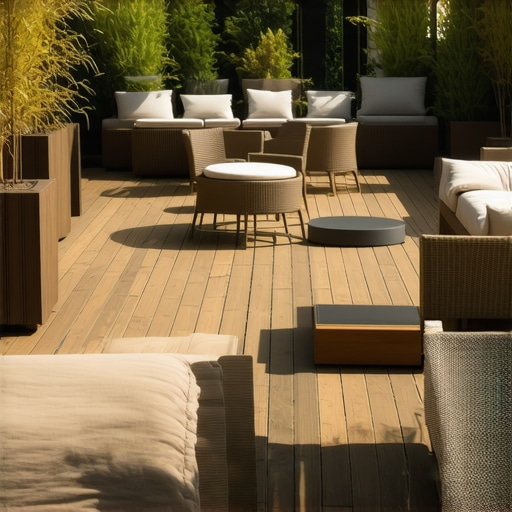
Imagine this: you’re finally enjoying a relaxing afternoon on your outdoor deck when suddenly, a gust of wind knocks over your beloved planter, and your weathered old furniture starts to wobble ominously. That was me a few years back, scratching my head over why my furniture kept getting damaged or, even worse, becoming a safety hazard in the breeziest of days. It was a lightbulb moment that made me realize I was tackling the wrong materials for my exposed deck. If you’re like I was—struggling with unstable furniture, warping, or constant maintenance—then this post is for you. Today, I promise to share the secrets I’ve uncovered about the best furniture materials for decks in windy areas, so you can enjoy your outdoor space without worry and keep that inviting vibe intact regardless of the breeze.
Why Selecting the Right Furniture Materials Is a Must in Exposed, Windy Spaces
Choosing durable, wind-resistant furniture isn’t just about aesthetics; it’s a matter of safety, longevity, and peace of mind. In areas where wind tends to roar or gust unpredictably, flimsy or unsuitable materials will quickly falter—blowing over, cracking, or rotting away with time. I learned this the hard way when my initial furniture choices, mainly cheap softwood and cheap composite, started showing signs of stress after just a few seasons. A study from the professional deck builder highlighted that wind exposure increases the stress on outdoor furniture, emphasizing the need for resilient materials that can withstand the elements.
In this article, I’ll delve into the best furniture materials you should consider—and ones to avoid—so your outdoor oasis remains stunning and safe, no matter how wild the wind gets. Whether you’re sprucing up a new deck or revamping an old one, understanding what materials hold up in windy environments is the game-changer you need. Let’s get started with what works and what doesn’t and set your outdoor space apart from the rest.
Is It Really Worth the Extra Cost to Invest in Premium Materials?
Before I go further, I want to acknowledge a common skepticism: is it worth splurging on high-end furniture in a windy locale? My early mistake was opting for budget-friendly options without considering their wind resistance—they looked great at first but didn’t hold up against the gusts. The truth is, investing a little more upfront can save you money and frustration in the long run. Premium materials like aluminum or composite are designed to endure harsh conditions, which makes them ideal for exposed decks. For a deeper dive into material choices, check out [Choosing the Right Composite Decking](https://deckdesignbuild.com/choosing-the-right-composite-decking-for-durable-low-maintenance-outdoor-areas) and see how durability and low maintenance go hand in hand.
Reinforce Frame and Anchors for Stability
Start by selecting furniture with a sturdy frame—think of it as building a resilient skeleton. Use heavy-duty brackets or anchors to secure each piece, preventing tipping during gusts. I once anchored my lightweight aluminum chairs with stainless steel straps, and the difference was immediate—no more wobbling or toppling over in the breeze. For larger items, install eye bolts into your deck surface and tether furniture with weather-resistant cables, akin to setting up tent stakes in strong soil.
Seal and Treat Materials to Prevent Wind-Induced Damage
Weatherproofing is crucial. Apply protective sealers to wood or composite surfaces to avoid warping or cracking. I recommend a high-quality outdoor sealant, brushed thoroughly onto all surfaces. Before doing this, I cleaned my teak table with a deck-safe cleaner, then sealed it—watching the grain pop while also fortifying it against wind-related stress. Regular touch-ups extend furniture life and keep your deck looking fresh.
Design Weight-Weighted Bases for Large Units
Add weight to larger furniture pieces—think of it as giving them a low center of gravity. Fill bases with sandbags or heavy gravel bags that are designed specifically for outdoor furniture. During my recent project, I filled unused planter bases with concrete slabs, creating stable, wind-proof stations for my lounge chairs. These simple additions prevented shifts even during stormy weather, maintaining both safety and aesthetics.
Utilize Windbreaks and Barriers Effectively
Strategically place planters, outdoor screens, or shrubbery to act as windbreaks. When I arranged tall potted plants along the windward side of my deck, I noticed a significant reduction in furniture movement. Think of these as natural buffers, redirecting airflow and creating calmer spaces. Combine this with positioning furniture behind existing structures to minimize wind exposure for optimal stability.
Opt for Wind-Resistant Materials and Designs
Choose furniture made from materials like aluminum, resin, or capped polymer composites—these are less prone to damage and easier to secure. I replaced my old wooden table with a powder-coated aluminum one, which was lightweight yet robust against gusts. Also, select furniture with low profiles or rounded edges to reduce wind resistance, much like streamlining a car to slice through air efficiently.
Regularly Inspect and Maintain Your Arrangements
Set a routine to check fasteners, seals, and anchors, especially before forecasted storms. During one inspection, I discovered a loose bolt on my bench; tightening it immediately prevented a potential topple during a high-wind event. Use weather-resistant hardware and reapply sealants periodically to ensure longevity, even in the most breezy conditions.
Embrace Small Adjustments for Continuous Stability
Small tweaks can make a big difference. Adjust the placement, add additional weights, or reinforce loose fixtures as needed. Last summer, I shifted some furniture slightly away from open edges and added extra ballast bags—this proactive approach kept my deck functional and safe across an entire windy season.
Many outdoor enthusiasts and even seasoned deck builders often fall into common traps when designing and constructing decks, especially with composite materials. One widespread myth is that choosing the most popular or cheapest composite decking brand guarantees long-term durability. In reality, not all composites are created equal, and some may compromise safety and longevity due to formulation differences. Experts emphasize evaluating the specific composition—like mineral-core versus traditional capped composites—to avoid costly repairs or replacements later. This nuance is crucial because, as stated in a recent guide on [composite decking trends](https://deckdesignbuild.com/composite-decking-trends-2025-the-ultimate-guide-for-outdoor-enthusiasts), material composition directly impacts UV resistance, mold susceptibility, and overall stability—factors often overlooked by DIYers.
Another misconception involves the assumption that standard fasteners are universally suitable for all composite decking installations. While nails and screws are common, using inappropriate fasteners can lead to squeaking, board separation, or even structural failure over time. For instance, stainless-steel hidden fasteners designed explicitly for composites provide better corrosion resistance and a cleaner aesthetic, yet many skip this step due to cost or unfamiliarity. A common mistake is neglecting proper spacing and expansion gaps, which can cause warping or buckling, especially in fluctuating temperatures. The importance of following best practices, such as those outlined in [deck surface sealing](https://deckdesignbuild.com/the-hidden-joist-support-that-prevents-deck-surface-sags), cannot be overstated.
On the planning side, there’s a tendency to overlook the importance of integrating drainage solutions beneath the deck. Water accumulation from inadequate slope or poor flashing can accelerate wood rot or promote mold, even in composite structures. A well-placed drainage system coupled with a proper foundation—like adjustable post bases—can significantly extend the life of the entire setup. This overlooked detail often separates a durable outdoor space from a troublesome one.
Additionally, many believe that aesthetics should trump function; for example, installing overly decorative railings or ornate stairs without considering wind loads or safety can be dangerous. Advanced builders know that combining style with sturdiness—such as selecting wind-resistant railing designs—ensures both visual appeal and structural integrity. As noted in posts discussing [outdoor living innovations](https://deckdesignbuild.com/innovative-outdoor-living-ideas-with-composite-decking-in-2025), blending these elements results in spaces that are both beautiful and safe.
Finally, the role of professional guidance remains undervalued. Some DIYers underestimate the complexity involved in constructing a safe, code-compliant deck that withstands local environmental challenges. Partnering with experienced deck builders, as suggested by experts in [professional deck project planning](https://deckdesignbuild.com/the-benefits-of-working-with-a-professional-deck-builder-in-your-outdoor-projects), ensures compliance and optimizes material choices tailored to specific conditions. Remember, shortcuts here can lead to costly mistakes or safety hazards.
Have you ever fallen into this trap? Let me know in the comments, and share your experiences or questions about building durable, safe, and stunning outdoor spaces.Maintaining a beautiful, functional outdoor deck requires the right tools and a strategic approach. Over the years, I’ve found that investing in specific equipment can significantly streamline upkeep and extend the lifespan of composite decking and outdoor furniture. One essential tool I swear by is a cordless oscillating multi-tool. Its versatility allows me to clean tight corners, remove old sealants, or perform spot repairs efficiently. For cleaning, I prefer a high-pressure washer with adjustable nozzles—just enough pressure to remove dirt without damaging the surface, especially when dealing with delicate composite materials. Regular inspections are crucial; I carry a digital moisture meter to identify hidden areas where water might be seeping or causing decay, especially beneath deck boards.
Additionally, a good set of weather-resistant fasteners—like stainless-steel screws—ensures structural integrity during storms or high winds. When it’s time for maintenance, I recommend applying a specialized sealant designed for composite surfaces, which can help prevent warping and fading over time. Using a foam roller helps achieve an even coat without mess, saving time in the long run.
Looking ahead, the trend is moving towards smart maintenance solutions. For instance, integrating moisture sensors connected to a home automation system can alert you instantly about potential water intrusion issues before they escalate. These innovations will make keeping your outdoor space in top shape even easier and more proactive.
**How do I maintain my deck’s stability and appearance over time?** Consistent routine checks and early repairs are key. For example, replacing worn fasteners immediately prevents structural issues that might be costly later. I also advise employing a deck planner app—like the ones emerging in the market—which helps schedule inspections and track repairs effectively. Don’t hesitate to try one of these advanced methods to stay ahead of problems.
If you’re ready to elevate your outdoor living space, consider consulting a professional deck builder for tailored advice. They can implement these tools and strategies efficiently, ensuring your deck remains safe and stunning for years to come. You can reach out through the contact page for expert guidance or to discuss high-tech solutions that fit your specific needs.
The Hardest Lessons I Learned About Stairs, Deck Builder, Outdoor Living, Composite Decking
Early in my outdoor renovation journey, I underestimated how crucial wind-resistant materials truly are. I chose aesthetic appeal over durability, resulting in wobbly furniture and damaged decking after stormy days. The lightbulb moment came when a set of lightweight aluminum chairs withstood a gale thanks to proper anchoring and material choices. Now, I see that investing in premium, wind-proof materials isn’t just about looks—it’s about creating a safe, long-lasting outdoor space that can handle nature’s unpredictability.
My Essential Toolkit for Outdoor Living Success
Over the years, I’ve assembled a set of trusted tools that make maintaining and enhancing my outdoor spaces easier. A high-quality pressure washer keeps my composite decking spotless without damage, while stainless-steel fasteners ensure longevity despite the salty sea air. I also rely on a deck lighting tester to ensure my installed fixtures work flawlessly, enhancing safety and ambiance. These tools support my goal of crafting a resilient, beautiful outdoor living area that stands the test of wind and weather.
Your Turn to Try
Transforming your deck into a wind-resistant haven isn’t just about choosing the right materials; it’s about adopting a proactive mindset and embracing the learning curve. Every small adjustment—adding weights, securing furniture, planting windbreaks—builds toward a safer, more inviting outdoor space. Remember, the effort you put in today creates a backyard retreat that remains stunning and secure through any season. So, are you ready to implement these insights and elevate your outdoor living experience? Share your plans or questions below, and let’s build something resilient together.