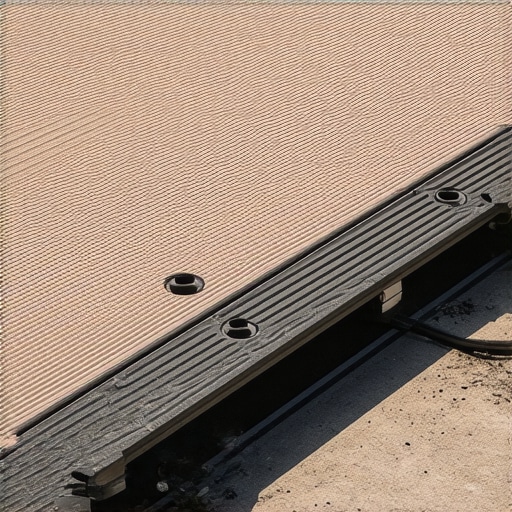
I remember the first time I built a commercial-grade deck in a busy outdoor restaurant, only to see the fasteners I chose start to show signs of wear after just a few months. It was a lightbulb moment—what seemed like a small detail was actually a major factor in the deck’s durability and safety. That experience taught me the importance of selecting the right fasteners, especially for high-traffic composite decks that face constant use and weather challenges. Have you ever faced a similar frustration with fasteners failing prematurely or causing unsightly damage? You’re not alone, and today, I promise we’ll uncover the best fastener options to keep your outdoor space safe, beautiful, and long-lasting.
Why High-Traffic Composite Decks Demand the Right Fasteners
In my years of outdoor decking, I’ve learned that the devil is truly in the details. When it comes to composite decking—especially in commercial settings—using the wrong fasteners can lead to squeaky floors, loose boards, or even costly structural issues. Exact fastener choice affects not just the aesthetics but also the safety and overall longevity of the deck. High-traffic areas put extra stress on fasteners, which means they need to resist corrosion, expansion, and contraction better than standard options. If you’ve experienced wobbly stairs or panels that pop out, you know how critical this decision is.
Interestingly, some builders opt for cheap, readily available screws, thinking they’ll save money. However, a study published in the Journal of Building Engineering shows that subpar fasteners can corrode rapidly and compromise the structure within just a few years. That’s why investing in high-quality, specifically designed fasteners can make all the difference. Are your current fasteners holding up under the pressure of foot traffic? If not, keep reading, because I’m about to show you how to choose like a pro.
Is the Fastener Hype Overblown? The Real Concerns About Choosing the Right Hardware
One mistake I made early on was assuming that all screws or nails are created equal. I believed that standard galvanized nails would suffice, but I learned the hard way that they rust far too quickly in outdoor, high-traffic conditions. This mistake cost me time and money, not to mention safety concerns. To avoid this, I recommend focusing on fasteners that are specifically designed for composite and outdoor use—like stainless steel or coated options that resist corrosion and temperature fluctuations. If you’re curious about the latest innovations, check out our guide on professional deck-building tips for long-lasting results.
Up next, we’ll dive into the practical choices that will help you avoid these common pitfalls and get your deck standing strong for years to come. Ready to transform that project? Let’s get into the details!
,
Prioritize Material Compatibility for Durability
Start by selecting fasteners engineered specifically for composite decking, such as stainless steel or coated screws designed to resist corrosion. In my experience, using generic nails led to early rust and loosened boards, which became evident within just a couple of seasons. I once replaced a section of deck, only to find the new fasteners corroded in less than a year. To avoid this, always check product specifications and opt for fasteners rated for outdoor, high-traffic environments. Visit our composite decking guide for detailed recommendations.
Measure and Plan Fastener Layout with Precision
Accurate spacing and placement are critical to prevent panels from shifting or developing squeaks. I learned this the hard way when I miscalculated the spacing of screws on a large deck, resulting in uneven pressure across the boards. Use a tape measure and a chalk line to mark entry points along the joists, ensuring consistent spacing—typically every 12 to 16 inches. This method helps distribute weight evenly and reduces the risk of cracking. Remember, inconsistent fastener placement can cause future problems, so take your time with measurements.
Utilize Proper Fastening Techniques for Seamless Results
Embedding fasteners just below the surface creates a smooth, splinter-free deck. My first attempt involved overdriving screws, which marred the surface and made subsequent walking uncomfortable. To achieve a flush finish, use a drill with a depth-set bit to stop just shy of the surface, and consider hidden fastener systems when appropriate. For instance, clip-on fasteners specific to composite boards enforce uniformity and reduce visible screw heads. These methods not only improve aesthetics but also enhance safety, preventing trip hazards.
Incorporate Weather and Stress-Resistant Fasteners
Ensure the fasteners you select can handle thermal expansion, contraction, and weather exposure. I once used nails that seemed fine initially but loosened after a season of temperature fluctuations. Switch to stainless steel or corrosion-resistant coatings—like polymer or composite sleeves—that adapt to environmental changes without weakening. In high-traffic outdoor spaces, this choice minimizes maintenance and extends the lifespan of the deck, keeping it looking new longer. For innovative ideas on outdoor living designs, explore outdoor design trends for 2025.
Implement Proper Fastening Hardware to Secure Structural Elements
Secure stair stringers, railings, and posts with heavy-duty fasteners designed for structural support. I once faced a wobbling staircase because I initially used thin screws that weren’t rated for load-bearing. Switching to through-loks or heavy-gauge bolts, I ensured the stairs remained solid under constant use. Proper hardware prevents movement and potential safety issues, especially in areas subjected to frequent foot traffic. For detailed methods on designing safe stairs, you can refer to stair safety tips.Many DIY enthusiasts and even seasoned builders often fall prey to misconceptions about deck construction, especially when it comes to composite decks, stairs, and outdoor living setups. One widespread myth is that cheaper fasteners are just as durable as premium, purpose-built hardware. However, real-world experience shows that low-quality screws and nails tend to rust quickly, leading to loose boards and potential safety hazards, contradicting the popular belief that all fasteners perform equally outdoors. Choosing fasteners solely based on price is a trap many overlook, risking costly repairs and safety issues down the line. For those who want a longer-lasting deck, investing in corrosion-resistant fasteners, like stainless steel options, is well worth the upfront cost, which aligns with advice from industry experts and recent studies on outdoor hardware longevity. Have you ever fallen into this trap? Let me know in the comments.
Another misconception revolves around the myth that a simple, straightforward stair design is always sufficient. In reality, many overlook advanced considerations like load distribution and riser height consistency, which are crucial for safety and code compliance. For example, uneven riser heights can cause imbalance and trip hazards, especially in high-traffic areas. Incorporating proper structural support and precise measurements—beyond just following basic guidelines—can prevent common stair issues that lead to costly fixes later. When designing stairs, it’s also vital to consider the hidden nuances, such as the impact of thermal movement and material expansion, which can cause cracks or squeaks if ignored. This is where advanced knowledge of materials and engineering principles becomes essential, as discussed in recent professional guides and studies.
What mistakes do most people overlook when planning outdoor living spaces? A key oversight is neglecting proper drainage and support structures, particularly when transitioning from decks to other landscaping elements like stone walkways or patios. Without integrating a comprehensive drainage plan and sturdy foundational support, water pooling and structural instability can result, severely shortening the lifespan of your investment. For instance, a poorly designed transition without proper flashing and slope can lead to water infiltration and rot, especially around the ledger board, which is a common weak point. Experts recommend paying attention to these hidden details during the planning phase, as they often get bypassed in DIY projects but have serious long-term consequences. To explore how to combine design and durability effectively, check out our guides on seamless transitions in outdoor spaces.
Finally, even experienced builders sometimes overlook the importance of matching materials to environmental conditions. For example, using standard composite decking in hot, sunny climates can lead to excessive heat buildup, causing discomfort for barefoot use and potential warping. Newer cap-stock composites are designed to stay cooler and resist fading, but many still ignore these nuances, resulting in avoidable issues. Recognizing these hidden complexities and selecting the right product can elevate your outdoor living experience significantly. For innovative ideas and expert tips, consider visiting outdoor living trends for 2025.
Maintaining a durable outdoor deck requires the right set of tools and a methodical approach. Over the years, I’ve refined my toolkit to include equipment that ensures precision, efficiency, and longevity. When working with composite decking, stairs, or outdoor living features, the right tools prevent costly mistakes and save time. One of my go-to instruments is the Cordless Impact Driver. It’s invaluable for fastener installation because it delivers high torque without over-driving screws, which is critical for hidden fastener systems. I personally prefer models with brushless motors, such as the Dewalt DCF887, because of their battery efficiency and durability.
Another essential tool is a Ratchet Brake Pin Spanner. This device aids in accurately tightening railing brackets and post caps, ensuring safety and aesthetic appeal. On larger projects, I depend on a Laser Distance Meter to measure elevations and spacings precisely—something crucial when planning seamless transitions or stairs. The Leica LINO L2 Plus has proven to be reliable in my experience.
For cutting composite boards, I reach for a Dual-Bevel Miter Saw. This tool allows me to make clean, accurate cuts at various angles, which is vital when fitting stairs or custom bench seats. I suggest the Milwaukee M18 FUEL Dual Bevel Miter Saw because of its portability and power.
Getting the right finishing touches often involves hand tools like a Sanding Block or Electric Sander. Smoothing out cut edges prevents splinters and enhances the professional look of your deck. I also always keep a Water Level nearby for long-distance alignments—although simple, it’s invaluable.
It’s worth noting that software tools have become a game-changer. Using CAD programs like SketchUp helps visualize complex transitions or staircase designs before physical work begins. Planning in detail reduces errors and rework, especially when integrating multiple elements into your outdoor living space.
In today’s trend towards sustainability, selecting tools powered by lithium-ion batteries not only boosts efficiency but also aligns with eco-friendly practices. As we move forward, I predict that smart tools with Bluetooth connectivity will become standard, offering real-time feedback and project tracking.
For those stepping up their deck projects, I recommend trying out a laser level combined with a digital angle finder. This combo dramatically improves accuracy when aligning railing heights or stair treads, ultimately extending your deck’s lifespan. Remember, the foundation of long-term results lies in precision from start to finish.
What Few Builders Realize About Fastener Failures
Early in my career, I overlooked the subtle signs of fastener corrosion and its long-term impact on deck stability. It wasn’t until a major safety issue surfaced that I truly understood the importance of selecting hardware that withstands weather and traffic pressures. This learning moment emphasized that investing in quality fasteners, though initially more expensive, saves significant time and resources later. Recognizing the silent deterioration caused by inferior fasteners is a game changer for anyone serious about outdoor living projects.
Why Custom Fit Matters More Than You Think
One of my biggest lightbulb moments was realizing that precise measurement and planning make or break a deck’s longevity. Rushing measurements or using generic spacing can lead to squeaks or uneven surfaces, which diminishes safety and aesthetic appeal. Taking the time to plan every fastener layout ensures even load distribution, reduces stress points, and extends the life of your composite decking. This attention to detail transforms a decent build into a long-lasting masterpiece.
Invisible Details That Prevent Future Headaches
Seamless fastening techniques, like hidden fasteners or flush-mount screws, prevent splinters and trip hazards. I once used overdriven screws that marred the surface, leading to discomfort and early wear. Now, using proper tools to embed fasteners just below surface level keeps the deck smooth and safe. These small adjustments significantly improve the final result and reduce maintenance calls down the line.
Creating a Blueprint for Lasting Outdoor Living
Understanding environmental factors like thermal expansion and moisture exposure pushed me to select fasteners with superior corrosion resistance. Using stainless steel or coated fasteners isn’t just a choice—it’s a necessity for durability. Learning to anticipate weather impacts allowed me to build decks that are resilient and beautiful for years, turning outdoor spaces into true extensions of the home.
The Real Power Behind Proper Fastener Hardware
While many focus on the big picture design, overlooking hardware quality is a costly mistake. Reinforcing structural elements like stairs and railings with heavy-duty, weatherproof fasteners ensures safety and stability under constant use. My experience has shown that high-quality hardware is the backbone of successful outdoor projects, preventing issues before they start and giving peace of mind that your investment will stand the test of time.
Curious to Elevate Your Deck Projects?
Armed with these insights, you’re ready to approach your outdoor living space with confidence and precision. Remember, the secret to a durable, beautiful deck isn’t just in the materials but in the meticulous choices you make with fasteners and installation techniques. Why settle for anything less than a deck that’s safe, sturdy, and designed to last for decades? Dive deeper into expert tips and innovative design ideas at Transform Your Space and start building with purpose today.