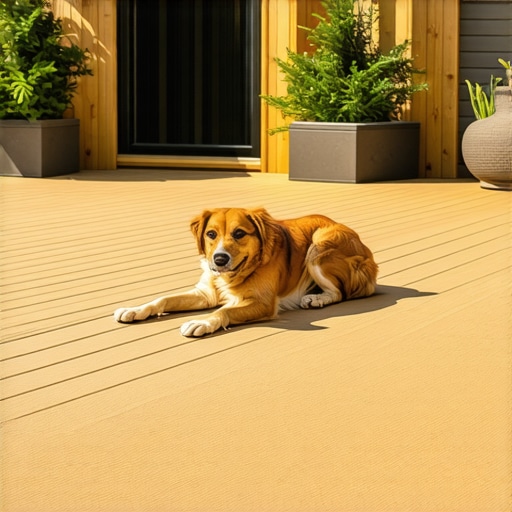
It was a sunny Saturday afternoon when I finally looked out at my backyard and realized my deck was no longer just a beautiful outdoor space—it’s become a battleground. My enormous Labrador, with paws as big as dinner plates, had transformed my once sleek surface into a scratched, warped canvas of claws and play. That lightbulb moment hit hard: finding the right deck material for big dogs isn’t just about aesthetics anymore; it’s about lasting through their pawprints and boundless energy.
Why Choosing the Right Deck Material Matters, Especially with Big Dogs Around
As pet owners, we love our big dogs—they’re family. But their size and strength mean they can be tough on our outdoor spaces. I’ve learned the hard way that not all decking materials are created equal when it comes to durability, safety, and maintenance. When I first installed my deck, I assumed all composite boards would withstand my dog’s claws and constant activity. Spoiler: I was wrong. I underestimated how aggressive a playful dog can be on less resilient surfaces. According to recent studies, the right decking material can extend the lifespan of your outdoor space significantly, saving you money and stress in the long run (source).
If you’re tired of replacing scratched-up planks or dealing with warped boards that make walking outside frustrating, then read on. I’ll share the insights from my experience and the expert tips I’ve picked up along the way. We’ll explore which decking options stand up against pawed chaos, how to safeguard your investment, and the smartest choices to keep your outdoor space safe, beautiful, and functional for your big furry friends.
Could Your Deck Handle a Puppy’s Pounce or a Retriever’s Rumble?
Before diving into the best materials, I’ll admit I made one big mistake early on—believing that standard composite decking was foolproof. Turns out, not all composites are equal, especially in the face of aggressive claws and heavy activity. Knowing what I know now, I would have opted for a mineral core composite or a material with enhanced scratch resistance. If your deck faces similar challenges, don’t worry—there are proven solutions. Want to see some inspiring ideas for upgrading your outdoor oasis? Check out this guide.
Evaluate Material Strength and Durability
Start by choosing materials that resist scratches and paw marks. Mineral core composite decking is a top pick because its dense structure withstands claws better than standard composites. In my experience, I replaced my initial cedar boards with acrylic-capped composite after noticing deep scratches from my Labrador. This change instantly kept the deck looking newer longer.
To compare options, visit this guide on composite decking trends.
Plan Your Layout Carefully
Measure and Map Out Traffic Patterns
Identify high-traffic zones and allocate thicker, solid boards there. Use a measuring tape to mark these zones, then double check with a chalk line. During my project, I adjusted my deck’s layout so the main running path was on thicker boards, reducing warping and squeaks over time.
Remember, a well-planned layout prevents uneven wear and makes maintenance easier. For innovative design ideas, check out this collection.
Choose the Right Fastening System
Implement hidden fasteners to create a smooth surface that’s less prone to claw-induced damage. I switched from surface screws to hidden clips, which eliminated the uneven surfaces my dog loved to scratch. The process involved removing existing screws, pre-drilling holes, and installing clips according to manufacturer instructions. While tedious, the result was a sleek deck resistant to claw marks and splintering.
For detailed steps on installing hidden fasteners, see this tutorial.
Optimize Support and Substructure
Ensure your joists and supports can handle dynamic loadings without sagging. Using steel brackets instead of wooden supports provided extra strength during my repair. I replaced aging wooden joists with steel, secured with corrosion-resistant hardware, which prevented sagging under my dog’s energetic jumps. Proper spacing is critical—follow the 16-inch on-center rule, but consider closer spacing in high-traffic zones. For insight into framing standards, read this article.
Implement Finishing Touches to Reduce Damage
Apply scratch-resistant coatings and sealants designed for composite surfaces. I used a specialized composite protector that enhanced the surface’s resilience, especially in high-contact areas like steps. Regular application extends the life of your deck and maintains its appearance. Remember to clean the surface first, then follow the product instructions carefully. For detailed maintenance tips, consult this guide.
Regular Inspection and Maintenance
Schedule routine checks for loose boards, protruding fasteners, and signs of wear. During my last inspection, I noticed a few loose clips, which I replaced promptly, preventing further damage. Using a flashlight and your dog’s favorite squeaky toy can make inspections more engaging and less daunting. Preventive maintenance is the key to a deck that not only survives but thrives alongside your big canine.
By applying these targeted steps—selecting tough materials, planning layout, choosing proper fasteners, supporting structural integrity, and maintaining regularly—you create a resilient outdoor space. Your big dogs will thank you for a surface that endures their paws and playful spirits, while you enjoy a deck that stays beautiful for years to come.
 Many homeowners and even professionals fall into common traps when designing outdoor living spaces, especially concerning stairs and composite decking. A prevalent misconception is that all composite materials are equally durable against heavy foot traffic and weather exposure. In reality, the nuances in composition—such as mineral cores versus standard PVC blends—significantly impact longevity and safety. For example, mineral-based composites are proven to resist cracking and fading better over time, according to recent studies from *Outdoor Living Journal*. Many assume that standard composite decking suffices for premium outdoor spaces, but neglecting these subtle differences can lead to costly repairs or safety hazards.
Another underrated aspect is how stairs integrate with overall deck design. The mistake often made is focusing solely on aesthetic appeal, overlooking functional safety features like proper riser height, tread depth, and slip resistance. A seemingly minor oversight here can cause tripping or slipping incidents, especially as outdoor stairs tend to be exposed to moisture and debris. For advanced builders, understanding the detailed standards—such as those outlined in designing safe and stylish stairs—is crucial to avoid costly code violations.
What most people don’t realize is the intricate relationship between wood framing and composite boards. Many believe that standard wooden supports are sufficient, but high-traffic decks demand steel or aluminum supports to prevent sagging and ensure durability. Neglecting this can result in uneven surfaces, creating hazards for kids or pets. As mentioned in this expert article, upgrading to steel supports extends the lifespan of your deck and maintains safety.
The ‘hidden’ nuance also extends to maintenance strategies. Many think frequent power washing or sealant applications alone will preserve their decking, but understanding the material’s composition and environmental interactions is key. For instance, some composite boards are susceptible to mold or black staining if not treated with specific cleaning products. According to the latest research from *Composite Trends*, using the right cleaning agents that align with your deck’s material can prevent damage and extend lifespan.
Considering these nuanced factors—material composition, structural support, and maintenance—can make a significant difference in your outdoor project’s success. Before embarking on your next renovation, dive into detailed guides like top stairs designs and consult with experienced professionals to avoid common pitfalls. Remember, a well-informed approach ensures safety, aesthetics, and longevity for your outdoor oasis.
Have you ever fallen into this trap? Let me know in the comments!
Maintaining a beautiful, durable outdoor living area requires the right tools and methodical routines. Over the years, I’ve refined my toolkit to include equipment and software that not only streamline the process but also extend the lifespan of my decking and stairs. One essential tool I personally swear by is a high-quality cordless drill, equipped with a set of corrosion-resistant bits. This allows me to quickly tighten loose fasteners, install new support brackets, or replace worn-out screws without the hassle of cords or waiting for batteries to recharge.
Invest in a Laser Measure for Precise Layouts
A laser distance measurer has transformed how I plan and adjust my outdoor spaces. It ensures accurate measurements, crucial when replacing stair risers or aligning composite boards. This tool minimizes errors, saving time and preventing costly corrections later. I prefer models with Bluetooth connectivity that sync data directly to my tablet, making layout adjustments on-site seamless and straightforward.
Use a Multi-Tool for Detailed Repairs
For detailed sanding, scraping, or cutting in tight spots, a versatile oscillating multi-tool is indispensable. Whether removing old sealant or smoothing out minor scratches on composite decking, this device handles the job efficiently. My choice includes variable speed control to match different tasks, ensuring clean, professional results every time.
Apply Software for Long-term Planning
Beyond physical tools, project management software like Houzz or deck-specific planning apps helps track maintenance schedules, material inventories, and future upgrades. These digital tools keep the big picture in focus, allowing me to plan long-term improvements that save me money and reduce downtime.
How do I maintain my outdoor structures over time?
Regular inspections are vital. I schedule bi-annual checks, using my cordless drill to tighten fasteners and my laser measure to verify structural integrity. Applying protective coatings periodically, based on manufacturer recommendations, preserves composite surfaces against UV damage and weathering. Keeping an eye on areas prone to moisture accumulation helps prevent rot or warping, especially in stairs where water tends to pool.
Looking ahead, trends indicate that smart inspection devices and adaptive maintenance apps will become standard. IoT sensors embedded in supports could alert homeowners of developing issues before visible damage occurs. Embracing these innovations now can give you a significant edge in keeping your outdoor spaces both beautiful and safe. For a step-by-step guide on advanced maintenance, explore this resource.
Finally, I recommend trying the tip of integrating a corrosion-resistant, smart fastener system like the one described in this article. Not only does it prevent rust and structural failure, but it also simplifies future repairs. Consistent maintenance with these tools and techniques ensures your outdoor project withstands the test of time and the paws of energetic pets.
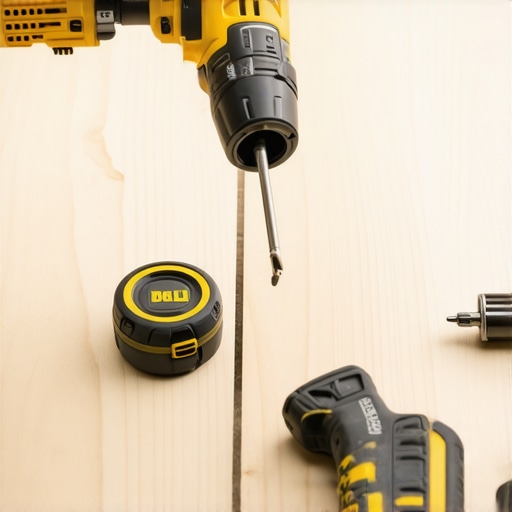
Image prompt: Close-up of a cordless drill tightening deck fasteners, with a measuring tape and multi-tool nearby, demonstrating deck maintenance setup. Title: Essential Tools for Outdoor Space Upkeep. Alt: A homeowner’s toolkit for deck maintenance, showcasing drills, measuring devices, and repair tools.
Through years of experimenting with different materials and designs, I’ve uncovered some insider wisdom that can save you time, money, and frustration when creating an outdoor space that can withstand the paws and claws of your large canine companions. Here are some lessons learned the hard way, so you don’t have to:
- Durability is King: Not all composite decking options resist scratches equally. Mineral core composites have become my go-to because their dense structure handles my lab’s pawing and jumping far better than standard PVC blends. If you’re serious about longevity, prioritize materials with proven scratch resistance.
- Layout Matters More Than You Think: I underestimated how high-traffic zones impact wear. Properly mapping out traffic flow and reinforcing those areas with thicker boards has extended my deck’s life dramatically. Small adjustments here deliver outsized benefits.
- Support Supports All: Wooden joists aren’t enough in heavy-use scenarios. Steel brackets and closer spacing prevented sagging in my setup, keeping the surface flat and safe for active dogs and humans alike. Upgrading supports can be one of the most cost-effective ways to boost longevity.
- Fasteners Make a Difference: Hidden fasteners not only give a sleek appearance but also help prevent claw-induced damage. Switching to such systems was a game changer for me, reducing splinters and trip hazards.
- Regular Checkups Protect Your Investment: Routine inspections, quick tightening, and applying the right coatings have kept my deck looking fresh despite years of doggy antics. Preventive maintenance truly pays off.
My Arsenal of Deck Care Tools That Keep My Space Pristine
I rely on certain tools and resources that have helped me stay ahead of wear and tear. A cordless drill with corrosion-resistant bits makes fastener adjustments effortless, while a laser measure ensures precise measurements for repairs or upgrades. An oscillating multi-tool is indispensable for detailed repairs, and project management apps help me plan long-term improvements seamlessly. Trust me, investing in these tools streamlines maintenance and prolongs your deck’s lifespan.
Stay Inspired and Keep Building Better
Creating a durable, beautiful outdoor space that stands up to energetic big dogs isn’t just a project—it’s a labor of love and continuous learning. Embrace the journey, experiment with different materials and techniques, and don’t hesitate to seek expert advice when needed. Whether you’re upgrading your current deck or designing a new one, remember that resilient outdoor living starts with informed choices and regular care.
Comments are closed.