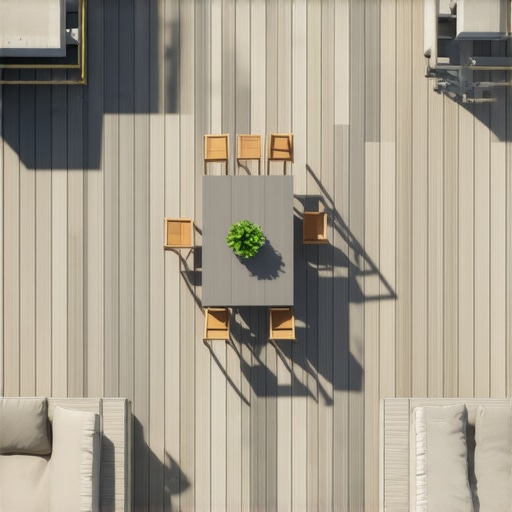
I remember the moment clearly—standing in my sprawling backyard, staring at my massive deck, feeling overwhelmed. The space was gorgeous, but it lacked purpose. It became clear that without proper zoning, my outdoor area was just a giant empty shell, awkwardly divided and underutilized. I realized early on that a mismatched layout turned what could have been a cozy retreat into a confusing, cluttered space. It was like trying to enjoy a meal in a room with no clear dining spot or lounge corner—chaotic and uninspiring.
Why Proper Zoning Turns Your Deck Into an Outdoor Oasis
Ever since I started paying closer attention to outdoor living trends, I learned that effective zoning is the secret sauce for turning a large deck into a functional, stylish haven. When you carve out specific spaces for dining, lounging, and even gardening, your deck transforms from a vague expanse into an inviting, purposeful extension of your home. Proper zoning improves not only the flow and usability but also boosts your home’s value—something real estate experts agree on. In fact, a well-designed outdoor space can add up to 20% to your property’s worth, according to the National Association of Realtors.
Is Overcomplicating Your Deck Worth It?
Initially, I made the mistake of trying to cram everything into one large area—thinking bigger was better. But that approach backfired. My space felt crowded, and I constantly wrestled with clutter. It was only after I started breaking down the deck into zones—using different materials, furniture styles, and layout techniques—that I saw the magic happen. If you’re worried that dividing your deck will make it look busier, I promise that with a thoughtful plan, you’ll create a cohesive look that feels natural. Want to see how to avoid common design pitfalls? Check out some professional tips on transforming your outdoor space.
Start with a Clear Plan for Your Outdoor Zones
Before diving into construction, sketch a detailed layout of your deck, dividing it into functional zones such as dining, lounging, and planting areas. Use measuring tapes and stakes to mark these zones on your property. I once laid out my zones on a sheet of plywood, cardboard, and tape, which helped visualize space allocation and identify potential conflicts. This tangible plan prevents costly mistakes and makes the build process smoother.
Choose the Right Materials and Layout Techniques
Select Durable Components
Pick composite decking boards known for low maintenance and resistance to weather. I opted for boards with a textured surface (see https://deckdesignbuild.com/choosing-the-right-composite-decking-for-durable-low-maintenance-outdoor-areas) and learned that textured surfaces provide better slip resistance, especially around pool areas. Decide on the layout pattern—parallel, diagonal, or border-inlaid—to create visual interest. During my project, I experimented with a diagonal pattern to maximize space perception, but I kept the boards aligned for a cleaner look.
Visualize Natural Flow Between Zones
Create pathways with different materials, like stepping stones or narrow decking sections, to guide movement naturally. I used narrow wooden planks between zones, which subtly directed guests from the dining spot to the lounge area without feeling forced. This approach mimics a garden trail, making the space more inviting and accessible.
Design and Build Effective Stairs and Transitions
Stairs link different deck levels or elevate zones. Use https://deckdesignbuild.com/transform-your-outdoor-living-with-custom-composite-decking-ideas to explore design options. When building stairs, ensure the risers and treads are consistent for safety and comfort. I initially miscalculated the riser height, leading to awkward steps, but recalculating with a laser level (https://deckdesignbuild.com/why-you-should-use-a-laser-level-for-stair-layout) corrected this quickly. Incorporate landings where necessary to break long runs and provide resting spots, especially for older visitors.
Ensure Secure Connections and Safety
Use stainless-steel fasteners (https://deckdesignbuild.com/the-best-fasteners-for-coastal-decks-that-wont-rust) to prevent corrosion. Secure stairs firmly to the deck frame by anchoring stringers properly and flashing the connections to avoid water infiltration (https://deckdesignbuild.com/the-proper-way-to-flash-a-deck-stair-connection). I learned to avoid nails that can loosen over time, opting for hidden screws which create a clean finish and enhance stability.
Enhance Outdoor Living with Seamless Transitions
Designing seamless connections between your deck and house or existing landscape creates a cohesive look. Use https://deckdesignbuild.com/creating-seamless-transitions-stairs-as-key-elements-in-outdoor-living to get inspiration. I built flush-mounted stairs with matching fascia, which resulted in a sleek profile. To soften the transition, incorporate planters or built-in seating along the edges—this trick helped me combine form and function beautifully.
Many homeowners and even seasoned deck builders overlook nuanced aspects that can make or break the longevity and aesthetics of an outdoor space. For instance, a common misconception is that all composite decking is maintenance-free and suitable for every climate. While brands like capped polymer composites offer impressive resistance, assuming uniform performance across different products without consulting expert resources can lead to costly mistakes. In fact, the true key to durability lies in understanding the specific formulations and manufacturing processes—details that only experienced builders are well-versed in, as highlighted in the latest composite decking trends. Moreover, many assume that installing stairs is straightforward, but improperly calculated riser heights or inadequate support can result in creaking, wobbling, or even structural failure over time—issues that careful planning and expert help can mitigate. An advanced mistake is neglecting the importance of proper flashing and water management around stair landings and deck transitions, which can cause hidden water infiltration and rot. Professionals recommend specific techniques, such as those found here, to ensure long-term integrity. Curious about complex design nuances? For example, selecting the right layout that guides natural flow between zones—and avoids creating confusing pathways—is vital for an effective and inviting space. An advanced tip is to incorporate pathways with contrasting materials, like stepping stones or narrow decking, to subtly direct movement, thereby enhancing both aesthetics and function. Don’t fall into the trap of oversimplification; your outdoor living area deserves the same meticulous planning as your indoor spaces. If you’re considering a renovation or new build, consulting with a professional deck builder can reveal hidden pitfalls and opportunities you might never envision alone. Have you ever fallen into this trap? Let me know in the comments or reach out through our contact page to discuss how to elevate your outdoor space with expert insights.
Keeping It Working: My Essential Tools for Durable Decks
Over the years, I’ve refined my toolbox to focus on equipment and software that actually make a difference in building and maintaining resilient, beautiful composite decks. The first item I reach for is a high-quality digital laser level, like the Leica Disto. Precise leveling ensures your deck surface stays flat over time, preventing water pooling and warping. I use it daily to double-check the squareness and levelness of framing, especially in challenging terrains. How do I maintain your deck’s structural integrity over time? Regular inspections with a moisture meter, such as the Tramex MM5, help detect early signs of water infiltration or rot, allowing proactive repairs. This can extend the life of your deck and keep those composite boards looking sharp year after year. In addition, I rely on a cordless impact driver with a set of high-quality stainless steel fasteners to secure every joist and board firmly, reducing mess and ensuring safety.
For planning, I swear by a 3D deck design software like SketchUp coupled with outdoor-specific add-ons. This helps me visualize the finished project in detail before I even start cutting, minimizing errors and material waste.
What Tools Are Critical for Perfect Staircases?
Stairs are often the most overlooked part of outdoor living projects. I use a combination of a miter saw and a dedicated stair jig, such as the Kreg Stair Jig or a custom-built template, to achieve precise cuts. This ensures risers and treads align flawlessly, providing safety and aesthetic appeal. A good pair of kneeboards helps me measure and mark consistent riser heights, especially on slopes. Proper installation and maintenance of stairs are crucial for safety—regularly inspecting for wobbles and cracking can prevent accidents. Exploring custom composite decking ideas can further refine your design approach, especially when considering long-term durability.
Future of Deck Maintenance and Tools
I predict a rise in smart tools that integrate sensor technology to monitor moisture levels, structural shifts, and even load capacity in real time. IoT-connected devices could notify homeowners of potential issues before they become costly repairs, revolutionizing how we care for outdoor spaces.
Get Your Tools Right—Start Today
If you’re serious about building a deck that lasts, invest in a quality laser level and a moisture meter as initial steps. These tools will pay off by saving time, money, and headaches in the long run. Don’t forget to use software that helps you perfect your design before cutting a single piece of composite. For expert assistance or more advanced tips, reach out today. Consider trying a precision laser for your next project—precision is everything when it comes to seamless transitions and safe stairs. Remember, the right tools aren’t just about work; they’re about building peace of mind into your outdoor living space.
The Hardest Lesson I Learned About composite decking,deck builder,stairs,outdoor living
One pivotal realization was that overcomplicating my deck with too many zones without a clear plan created more chaos than comfort. Simplifying the layout and focusing on purpose-driven zones brought harmony, proving that quality trumps quantity in outdoor design.
3 Myths About composite decking,deck builder,stairs,outdoor living That Held Me Back
I once believed all composite decking was maintenance-free and suitable for any climate. Dispelling this myth and understanding specific product features saved me from costly mistakes. Also, thinking stairs are straightforward led to safety issues—careful planning and expert advice are essential.
What Experts Won’t Tell You About composite decking,deck builder,stairs,outdoor living
Many overlook the importance of water management around stair landings and transitions; neglecting this can cause rot and structural failure over time. Learning about proper flashing techniques and water diversion is a game-changer for durability.
My Essential Toolkit for composite decking,deck builder,stairs,outdoor living
Investing in a high-quality laser level like Leica Disto and a moisture meter such as Tramex MM5 transformed my building process, ensuring precise construction and early damage detection. These tools have become invaluable for long-lasting outdoor spaces.
Where to Go from Here
If you’re serious about creating a durable, stylish composite deck, start by visualizing your zones with software like SketchUp and consult trusted resources for material choices. Remember, expert help can unveil overlooked opportunities. Curious about advanced design tactics? Check out composite decking trends 2025 for the latest insights.
Your Next Outdoor Moment Awaits
Building a deck that truly feels like an outdoor oasis is within your reach. Thoughtful zoning, quality materials, and the right tools turn your vision into reality. Embrace the process and make your outdoor living dreams come true—it’s more attainable than you think.
What’s your biggest challenge in designing a functional outdoor deck? Drop your thoughts below or reach out for expert guidance—we’re here to help you every step of the way!