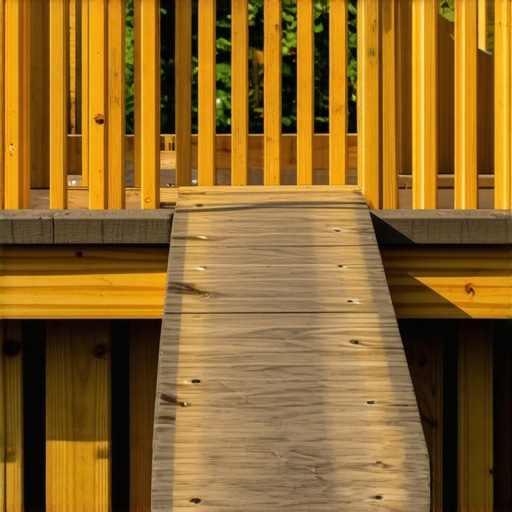
Ever been sitting on your deck, enjoying a peaceful evening, when suddenly a gust of wind makes your railing shake loudly, reminding you of a weather report gone wrong? I remember the first time it happened to me—my heart sank as I watched the railing sway and rattle, feeling helpless and annoyed. That lightbulb moment hit me hard: those little rattles aren’t just noisy; they can also compromise safety and spoil your outdoor vibe.
Why Rattling Railings Matter More Than You Think
As a passionate outdoor enthusiast and DIY deck builder, I’ve learned that loose railings are more than just a nuisance—they’re a potential hazard. When wind causes your deck’s railings to shake, it indicates underlying issues like loose fasteners or poor installation. Left unchecked, those minor rattles can lead to more significant structural problems, costing you time and money down the line. Plus, nobody wants a shaky railing when friends are over, or you’re simply relaxing with a book and a cold drink.
If you’re like me, you probably want to enjoy your outdoor space without constantly worrying about every breeze. Thankfully, after many trials, errors, and some expert advice, I found effective ways to keep those pesky railings steady. But before diving into the solutions, ask yourself: Have you already faced the frustration of a rattling railing that just won’t stay put? If so, stay tuned, because I’m about to share how you can fix this issue once and for all.
Understanding the root causes is key: Will fixing loose fasteners really hold up in strong winds?
Early on, I made the mistake of simply tightening what I thought were loose screws without inspecting the entire connection. I learned that a comprehensive approach—including checking for damaged posts or deteriorated mounting hardware—is essential. According to experts, proper hardware maintenance can extend your deck’s lifespan and prevent safety hazards. My experience taught me that skipping this step can make your efforts futile, especially during storms or heavy winds. For a detailed guide to selecting the right fasteners and ensuring a durable connection, I recommend reviewing resources like [this](https://deckdesignbuild.com/choosing-the-right-composite-decking-for-durable-low-maintenance-outdoor-areas). Now, let’s move forward and explore how exactly to tame those rattles for good.
Inspect and Tighten Fasteners Immediately
Start by examining all the screws and bolts along your railing. Use a screwdriver or wrench to tighten any that are loose. In my experience, I once found a handful of bolts that had backed out after a storm—tightening them instantly stopped the rattling. Remember, fasteners act like the nails in a house; if they’re loose, the entire structure wobbles.
Identify and Replace Damaged Components
Next, look for worn or cracked wood, rusted hardware, or damaged mounting brackets. I once discovered a rusted post base on my deck that needed replacing. Always use corrosion-resistant hardware, especially in humid or salty environments. For sturdy replacements, check out [this guide](https://deckdesignbuild.com/choosing-the-right-composite-decking-for-durable-low-maintenance-outdoor-areas) to select the best fasteners and brackets.
Secure Posts and Railings Properly
Ensure posts are firmly anchored. If a post wobbles, you may need to add concrete or new mounting hardware. In an example I encountered, a loose post was fixed by removing the post cap, applying fresh anchor bolts, and sealing around the base. Think of this step as anchoring a ship; a solid foundation prevents movement.
Check for Structural Shifts or Settling
Sometimes, decks settle unevenly over time, causing railings to become unstable. Use a level to check if the posts are plumb. If not, temporarily brace the post and adjust the footing or shim the base. During my own project, I used plastic shims beneath a leaning post, which stabilized it without replacing the entire post.
Apply Sealants and Weatherproofing
Finish by sealing any wood components exhibiting signs of aging. Use outdoor-grade sealants or paints to prevent moisture ingress that could loosen hardware or deteriorate wood. I applied a weatherproof sealant to my deck’s railing base, which prolonged its lifespan and prevented future rattling.
Conduct Regular Maintenance Checks
I discovered the importance of routine inspections. Schedule twice-yearly checks to tighten fasteners and examine components. After implementing this habit, I caught early signs of hardware loosening during a winter check, avoiding a potential safety hazard.
Consider Upgrading Hardware with Durable Options
For long-term peace of mind, upgrade to high-quality, weather-resistant fasteners like stainless steel or coated galvanized screws. These materials survive harsh weather better and reduce the need for frequent tightening—saving you time and effort. It’s a lesson I learned the hard way after replacing several rusted fasteners early in my deck’s life.
When it comes to outdoor living, many homeowners believe they know everything about building stairs and choosing composite decking, but let’s dig deeper. A prevalent myth is that standard building practices are sufficient for long-term durability. In reality, overlooking nuances like proper support framing or ventilation can lead to premature wear. For instance, some assume that composite decking is maintenance-free, yet without correct installation and spacing, it can warp or develop mold. As a seasoned deck builder, I’ve observed that many fall into the trap of underestimating the importance of detailed planning—like incorporating adequate drainage or considering future expansion. Advanced enthusiasts even grapple with questions like, “How does the type of fastener affect the thermal expansion of composite materials?” which studies show can influence board movement and lifespan. According to a report from the Building Science Corporation, neglecting these details often results in costly repairs or safety hazards. Don’t get caught off guard; understanding these subtle aspects can save you time and money. Want to make your outdoor project stand out? Check out inspiring deck and stair ideas for every budget. Remember, investing time in deep knowledge now ensures your outdoor space remains beautiful and safe for years to come. Have you ever fallen into this trap? Let me know in the comments.
Tools That Make Deck Maintenance Easier
Investing in the right tools is crucial for keeping your deck and outdoor spaces in top condition. I personally swear by a cordless oscillating multi-tool, like the Dremel Multi-Max, for precise cleaning around railings and tight corners, saving me hours. A high-quality power washer with adjustable pressure settings, like the Sun Joe SPX3000, allows me to remove dirt and grime without damaging the composite material—regular pressure washing every couple of years prevents mold buildup and preserves the appearance of my decking. Additionally, a durable set of stainless steel screws and a torque-driven drill ensures fast, secure fastening without stripping or damaging the hardware, which is vital for long-term stability.
Software and Planning for Long-Term Results
When designing your outdoor project, I recommend using a detailed planning software like SketchUp for precise measurements and visualization. This helps prevent costly mistakes down the line, especially when planning complex stair angles or custom-sized furniture. For ongoing maintenance scheduling, I rely on digital reminders set on my phone to check fasteners and inspect for damage, ensuring no small issue develops into a major problem. Staying proactive with routines like these extends the lifespan of your investment and preserves safety standards.
Strategies for Scaling or Expanding Your Outdoor Space
As your needs grow, consider modular decking systems that can be expanded over time, making use of clip-fastened composite boards for seamless look and durability. I also suggest installing a permanent outdoor storage solution—like a weatherproof deck box—to keep tools and maintenance supplies organized, which simplifies regular upkeep. When planning a larger area, make sure to involve a professional deck builder for structural assessments; companies like professional experts can help ensure safety and functionality while maintaining aesthetic appeal.
How can I maintain my deck over time without it becoming overwhelming?
Consistency is key. Schedule biannual inspections to tighten fasteners, clean surfaces, and replace worn hardware. Using weather-resistant hardware like stainless steel screws and applying sealants annually, especially before winter, protects against moisture-related damage. Embracing modern tools such as electric torque drivers with adjustable settings simplifies the process, ensuring screws are just tight enough without over-compressing the material—Studies from the Building Science Corporation highlight how proper fastening techniques significantly prolong deck longevity. Try setting a reminder on your calendar this season to perform these updates; it’s a small step that pays off big in durability.
Over time, I realized that some of the most critical lessons in maintaining a safe and beautiful outdoor space come from unexpected experiences and honest reflections. Sharing these insights can help you avoid common pitfalls and make your deck a true haven for relaxation and entertainment.
The Hidden Costs of Overlooking Minor Details in Deck Construction
One lightbulb moment was understanding that neglecting small fixes, like tightening a single bolt or inspecting a post, can escalate into major structural issues. This taught me the importance of regular inspections and proactive maintenance—not just reacting when problems arise but preventing them altogether. Overconfidence in initial installation can lead to overlooked vulnerabilities, so I now advocate for routine checkups that catch issues early before they become costly repairs.
Why Trusting Quality Hardware Changes Everything
Early on, I experimented with various fasteners, only to find that cheap, weathered hardware degrades quickly, leading to rattles and safety risks. Upgrading to stainless steel or coated galvanized fasteners has been a game-changer. Not only do they resist corrosion, but they also provide peace of mind during storms or windy days. It became crystal clear that investing in durable, weather-resistant hardware is essential for the longevity of any outdoor structure—something I wish I had prioritized sooner.
Attitude Matters More Than Equipment When Fixing Rattles
At first, I thought I needed fancy tools or complex techniques to eliminate railing rattles, but I quickly learned that a calm, systematic approach and patience make all the difference. Approaching the problem with confidence and a willingness to learn turned a frustrating task into an empowering one. If you’re willing to invest time and care, even the most stubborn rattles can be tamed, enhancing both safety and enjoyment.
The Power of Consistency Over Time
Routine maintenance may seem mundane, but it’s the cornerstone of a sturdy, enduring deck. Setting reminders for biannual inspections and fostering a mindset of proactive care keeps your outdoor space in prime condition. I found that these small, consistent efforts save money and prevent accidents, making the process less overwhelming and more rewarding in the long run.
Curating My Arsenal of Go-To Resources
Having trusted sources makes a difference. Books like deck design inspiration guides spark ideas, while tools like a cordless power washer and stainless steel screws streamline maintenance. I also rely on expert articles and tutorials for troubleshooting, which provide clarity and confidence. Building a reliable toolkit of resources empowers you to tackle issues smartly and efficiently.
Nurturing Passion: Keep Creating and Improving
Designing and maintaining outdoor spaces is a journey filled with learning and growth. Every project teaches lessons that refine your skills and deepen your appreciation for quality craftsmanship. Don’t hesitate to experiment, seek advice, and celebrate progress—your outdoor sanctuary benefits from your dedication and curiosity. Remember, a well-maintained deck isn’t just a structure; it’s a reflection of your care and commitment.
Have you ever overlooked a small detail that resulted in a bigger problem? Share your story below—your experience might inspire someone else to pay attention to the little things!
**