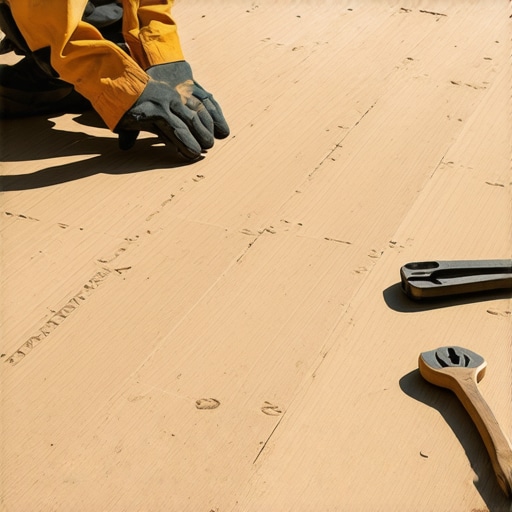
I remember the first sunny weekend after building my deck—excited to enjoy the warm weather and show off my outdoor oasis. But as I stepped onto my new deck, a loud **creak** startled me. Every step sounded like a tiny protest from the boards, breaking the peaceful vibe I desperately wanted. It was frustrating—here I was, ready to relax, and instead I was met with squeaks that echoed through my backyard. That lightbulb moment made me realize I wasn’t alone in this struggle. Many outdoor enthusiasts face the same issue: how to stop deck boards from creaking in the sun and turn their deck into a silent retreat. If you’ve ever experienced that nerve-wracking squeal every time someone walks by, you’re probably wondering if there’s a simple solution. Well, there is, and I’m here to share my journey to a quieter, more enjoyable outdoor space. Today, we’ll explore effective methods to silence those stubborn creaks, making your deck a true extension of your home’s comfort.
Understanding Why Deck Boards Creak in Sunlight
The main culprit behind creaky deck boards is the natural expansion and contraction of the material—you’ll notice it more in the heat of summer. When exposed to sunlight, composite and wood decks expand slightly, causing joints and gaps to shift. Over time, this movement can create irritating squeaks with every footstep. Early on, I made the mistake of ignoring these small noises, thinking they’d resolve themselves as the deck settled. Spoiler alert: they didn’t. Instead, ignoring the issue often worsens the problem, leading to more pronounced creaks and even loosened fasteners. A poorly maintained deck not only squeaks but can also develop structural issues if those loose fasteners are left unchecked.
The good news? Most creaking issues are manageable with a few strategic adjustments. By understanding what’s causing the noise, you can take targeted steps to keep your deck quiet and safe. Want to dive into practical solutions? Keep reading, and I’ll walk you through tried-and-true methods to restore peace and tranquility to your outdoor space.
Is Addressing Creaks Really Worth the Effort?
Absolutely. Ignoring creaking boards might seem like a minor annoyance, but over time, it can lead to bigger problems—like loose boards, unstable stairs, or worse. Plus, a squeaky deck can diminish your outdoor enjoyment, especially during family gatherings or quiet mornings with coffee. Addressing the issue early not only preserves the aesthetic appeal but also saves you money and maintenance headaches down the line. According to recent research, regular upkeep extends the lifespan of your deck significantly and ensures safety for everyone who uses it. So yes, taking action now is well worth the effort. If you’re ready, let’s get into the practical steps for a silent, serene outdoor haven.
Tighten Loose Fasteners and Bolts
Start by inspecting every visible fastener and bolt on your deck. Use a reliable screwdriver or wrench to tighten any that feel loose. Think of fasteners as the screws in a well-assembled bicycle—if they’re loose, the whole bike wobbles. During my first attempt, I spent an hour tightening screws along the perimeter, which immediately reduced some creaking. Be sure to replace any rusted or damaged fasteners with corrosion-resistant options for durability.
Apply Silicone or Deck-Release Lubricant
For boards that still squeak after tightening, spray a high-quality silicone lubricant into the gaps where boards meet joists. Use a spray bottle or a small brush for precise application. Imagine these gaps like tiny squeaky hinges; lubricating them allows smooth movement without noise. I experienced a messy but effective fix when I sprayed a silicone solution along the edges of one noisy board, and the squeak disappeared after a few steps. Reapply as needed, especially during hotter months when expansion occurs.
Install Hidden Fasteners for a Seamless Look
Upgrade to hidden fasteners if gaps and creaks persist between boards. Hidden fasteners lock into place underneath the deck, eliminating visible screws and reducing movement. Think of them as the tongue-and-groove joints in quality furniture—precision fixes that enhance both appearance and function. I chose this method when renovating my deck and was surprised by how much quieter it became, plus the sleek aesthetic improved the whole space. Learn more about seamless outdoor living by exploring options at this guide.
Use Wood Fillers and Sealants Carefully
For small cracks or gaps, apply a high-quality exterior wood filler or sealant. Smooth it with a putty knife and allow adequate curing time before walking on the board. Consider this the cosmetic surgery for your deck—filling in imperfections that could cause movement and noise. During my project, I used a polyurethane-based sealant on stubborn gaps, which significantly reduced flexing and squeaking. This quick fix is particularly effective in early stages of creak development.
Address Expansion with Proper Spacing
In hot weather, boards expand—leaving little room for natural movement can cause squeals. When installing new boards or replacing old ones, ensure there is about 1/8 inch gap between each plank to accommodate heat expansion. Think of this as a safety valve—allowing your deck to breathe without pressure. I learned this the hard way during a summer heatwave when my boards squeaked louder than ever. Refastening and adjusting spacing made a noticeable difference. For more on deck design, check out expert deck builder tips.Many homeowners and even seasoned deck builders fall for misconceptions about composite decking that can lead to costly mistakes. One common myth is that composite materials require no maintenance; in reality, neglecting proper upkeep—like regular cleaning and sealing—can cause discoloration and degradation over time. Advanced installers know that subtle issues, such as improper joist spacing, can cause boards to warp or squeak, especially in varying temperature conditions. While most believe that a seamless aesthetic is solely about choosing the right color, the hidden nuance lies in precise installation techniques, such as correctly spacing and fastening boards, to prevent buckling or creaking, which are often overlooked by amateurs.
A significant mistake many make is assuming all composite decking is equal. In fact, high-quality composites with mineral cores are more resistant to heat expansion and UV damage, offering better longevity. But if you install low-grade products without considering climate-specific needs, you risk premature failure. Furthermore, misconceptions extend to outdoor stairs; many underestimate the importance of proper flashing and support, leading to structural issues and safety hazards over time. Expert guidance emphasizes that stairs are not just functional elements but pivotal design features; their framing and attachment must adhere to strict codes and best practices.
From an advanced perspective, understanding the thermal expansion properties of different composite formulations is crucial. For instance, a recent study from the Journal of Building Engineering highlights that mineral-filled composites expand less under heat, reducing joint movement and noise issues. This emphasizes that choosing the right material is a nuanced decision influencing overall durability.
Avoid the trap of ignoring subtle details that impact the long-term performance and safety of your outdoor spaces. Always consult your local expert or seasoned builder, and consider exploring more about composite trends and innovative installation methods at [this comprehensive guide](https://deckdesignbuild.com/composite-decking-trends-2025-the-ultimate-guide-for-outdoor-enthusiasts). Remember, selecting quality materials and proper techniques now can save you from major headaches later.
Have you ever fallen into this trap? Let me know in the comments!Maintaining a beautiful and functional deck requires more than just periodic cleaning; it demands the right tools and a proactive approach. Investing in quality equipment ensures that repairs, inspections, and upgrades are efficient and effective, helping your outdoor space stand the test of time. One indispensable tool I rely on is a cordless oscillating multi-tool. Its versatility allows you to sand, cut, and scrape tight corners without hassle, making quick work of stubborn debris or damaged boards. I prefer models with variable speed settings because they give me precise control—especially important when working on delicate areas or sensitive materials like composite decking. Additionally, a digital moisture meter is crucial for early detection of hidden issues beneath the surface. It helps identify moisture intrusion that could lead to rot or mold, enabling timely interventions before problems escalate. I recommend the Tramex Moisture Meters, renowned for their accuracy and ease of use, which I’ve personally used during inspections to prevent future deterioration.
For routine maintenance, a high-quality deck brush combined with an eco-friendly cleaner keeps surfaces looking fresh without damaging the material. However, if you notice stubborn stains or mold buildup, a soft-bristle scrub brush paired with a oxygen bleach solution is gentle yet effective. Remember, harsh chemicals can harm composite surfaces; always choose cleaners labeled safe for your deck material.
Upgrading your fasteners can significantly improve the longevity of your deck. I advocate for stainless steel or hidden fastener systems, such as Cortex or Trilock. These eliminate surface screws and reduce movement, decreasing creaks and loosening over time. Moreover, a pneumatic nailer or screw gun makes the process quicker when installing new boards or securing loose ones—saving you time and effort.
Looking ahead, I predict that automation and smart tools will become commonplace in outdoor maintenance. Imagine sensors that alert you to moisture or structural shifts via your smartphone, allowing preventative actions before costly repairs are needed. Integrating IoT (Internet of Things) devices with maintenance routines will make sustaining your deck easier and more reliable.
Don’t forget—using precise tools and planned maintenance can extend the lifespan of your deck significantly. I encourage you to try out a moisture meter or upgrade your fasteners to stainless steel; these investments pay dividends over time. Consistent care not only preserves the aesthetic appeal but also ensures safety and structural integrity in the years to come. For advanced maintenance strategies, explore these expert stair solutions to complement your efforts and keep every element in optimal condition.
Lessons That Transform a Creaky Deck into a Quiet Retreat
One of my most surprising revelations was realizing how small details—like the precise spacing between boards or the quality of fasteners—can make or break your deck’s quietness. The hard lesson was that cutting corners on quality or neglecting regular inspections often led to more noise and potential damage, which I had to fix later. I also learned that expanding my toolkit to include moisture meters and high-quality lubricants not only saved time but greatly increased the longevity of my deck. Lastly, I uncovered that integrating hidden fasteners early in the design phase prevents squeaks before they start, a gem of wisdom I wish I knew from the beginning.