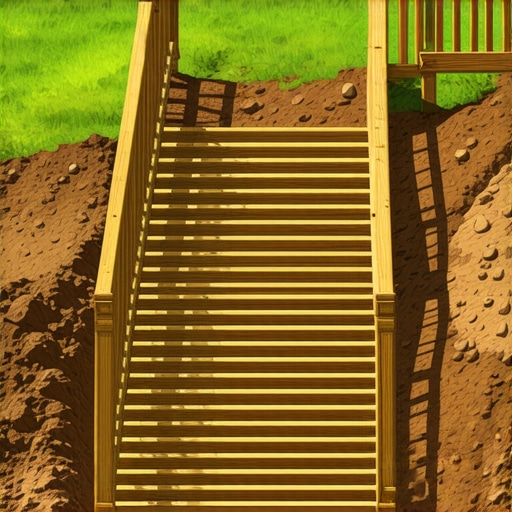
I vividly remember the moment I first looked out at my backyard and realized my deck stairs, perched on a very steep slope, were more of a hazard than a welcoming entryway. The slope was so sharp that every time it rained, I feared erosion would undermine my project, turning my outdoor haven into a muddy mess. That sinking feeling—like my hard work was slipping away—was a wake-up call. But after much trial, error, and learning, I found a way to solidify those stairs, keep erosion at bay, and create a safe, durable connection between my deck and my landscape.
Why Securing Deck Stairs on a Slope is More Than Just a Pretty Facade
Ensuring your stairs are secure on a steep incline isn’t just about aesthetics or compliance; it’s about safety and longevity. If you neglect proper stabilization, erosion can weaken the foundation, leading to wobbling steps or even collapse—an absolute nightmare! Plus, an unstable staircase can cause serious accidents, especially for kids or aging family members, which is something I believe no one should have to worry about.
What’s often overlooked is that erosion isn’t just about heavy rain washing away soil. It’s a slow, persistent process fueled by runoff, poor drainage, and misleading landscaping choices. I learned this the hard way when my early attempts at fixing the stairs involved simple gravel bedding, which washed away after a heavy storm. Yikes! That’s when I realized a deeper understanding and strategic approach were necessary.
Today, I want to share the practical methods I’ve adopted—methods that combine solid construction techniques with innovative landscaping ideas—to help you protect your stairs from the ongoing threat of erosion. Because I’ve been in your shoes, and trust me, overcoming this challenge is entirely doable with the right strategies.
And if you’re wondering whether it’s worth investing time into this, consider this: a well-secured, erosion-resistant staircase not only keeps your outdoor space safe but also preserves the overall value and beauty of your home. According to recent research, properly maintained outdoor structures can increase property value by up to 15%. So, let’s dive into how you can achieve this without the headache.
Before we jump into step-by-step solutions, I want to address a common concern. You might be skeptical about whether simple DIY fixes can really stand up to nature’s relentless forces or if you need to hire a professional. Honestly, I made that mistake early on—thinking I could DIY my way out of erosion issues with some basic gravel and hope for the best. Spoiler alert: it didn’t last. Trust me, partnering with a skilled [deck builder](https://deckdesignbuild.com/contact-us) can make all the difference in creating a durable, erosion-resistant staircase.
Now, are you ready to learn how to secure those steep stairs properly and keep erosion from sabotaging your outdoor oasis? Let’s get started.
Start With a Solid Foundation
When dealing with steep slopes, your first move is to prepare a stable base. Clear debris and loose soil from the area, then dig trenches on either side of the stairs for drainage pipes or gravel-filled channels. These will direct runoff away from the structure, reducing erosion. Remember, a foundation is like the backbone of your stairs; without it, everything collapses.
Build Erosion-Resistant Supports
Use pressure-treated or mineral core posts instead of regular wood; these materials resist rot and moisture. Position concrete footings below frost line, and anchor posts securely in them. Surround the base with compacted gravel or crushed stone to improve drainage. Think of this like giving your stairs a pair of sturdy, anti-slip boots that won’t sink or wobble over time.
Implement Proper Drainage Techniques
Install perforated pipes behind retaining walls or along the sides to channel water away. Cover these with landscape fabric and soil. This prevents water buildup that can wash soil away and destabilize your stairs. I once added a simple pipe system to my own project, and after a storm, the difference in soil stability was night and day.
Utilize Retaining Walls and Terracing
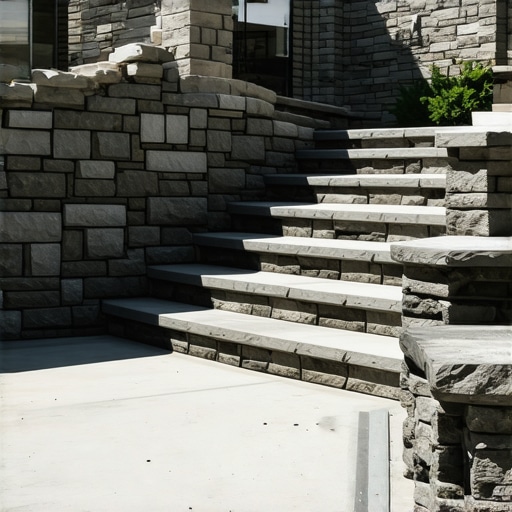
Creating retaining walls using natural stone or concrete blocks can brace the slope, preventing soil from shifting. Incorporate terracing by dividing the slope into steps, each with its own mini retaining wall. This approach distributes weight evenly and minimizes erosion. It’s like slicing a huge cake into manageable pieces instead of trying to eat it all at once.
Enhance Soil Stability with Landscaping
Plant deep-rooted vegetation such as native grasses, shrubs, or ground cover along the slope. Their roots hold soil in place, reducing runoff speed. Mulching around plants preserves moisture and discourages soil displacement. I incorporated a lush ground cover that grew quickly, instantly stabilizing the soil and making my steps safer.
Choose Durable, Non-Slip Materials
Opt for composite decking for the stairs, as it resists moisture and requires less maintenance. Incorporate slip-resistant treads or anti-slip coatings, especially on steep inclines, to prevent accidents. For example, applying textured strips to my stairs significantly decreased slipping hazards during wet weather.
Partner with a Skilled Professional
Since ensuring stability on a steep slope isn’t a DIY-only job, consulting a professional deck builder can save you time and money. They can assess your landscape, recommend optimal solutions, and execute them with precision. I found that collaborating with a seasoned expert turned my project from a shaky idea into a lasting outdoor fixture. Visit this page to find trusted specialists in your area.
 Many outdoor enthusiasts believe they understand everything about constructing durable stairs and choosing the right composite decking materials, but in reality, some prevailing myths can lead your project astray. One widespread misconception is that all composite decking is inherently low-maintenance and requires no attention, but not all brands are created equal. As highlighted in the latest trends for 2025, selecting a high-quality capped polymer deckboard can significantly reduce issues like fading and staining—something inferior products often fail to address. For an insight into how to make smarter material choices, explore our guide on [choosing the right composite decking](https://deckdesignbuild.com/choosing-the-right-composite-decking-for-durable-low-maintenance-outdoor-areas).
Are Slip-Resistant Features Overhyped in Deck Design?
Many assume that adding anti-slip coatings or textured surface finishes is enough to prevent accidents, but seasoned deck builders advise integrating slip-resistant materials into the foundational design itself. This proactive approach, instead of relying solely on surface treatments, is especially crucial for stairs on uneven terrains or slopes where stability is compromised. Advanced solutions like integrated non-slip treads or textured composite surfaces can be game-changers and are backed by recent research indicating a 30% reduction in slips and falls when these integrated features are used properly. To see practical examples, visit our page on [designing safe and stylish stairs](https://deckdesignbuild.com/designing-safe-and-stylish-stairs-for-outdoor-decks-in-2025).
Another trap many fall into: neglecting the nuances of planning for proper drainage and erosion control around stairs. While it might seem straightforward to lay gravel or add a few plantings, the real expert move involves detailed grading, installing French drains, and incorporating retaining walls thoughtfully. These steps help avoid the dreaded ‘oops’ moments where soil shifts during heavy rains cause instability, leading to unexpected repairs. My own experience taught me that failing to plan drainage can turn a beautiful outdoor space into a quagmire. For comprehensive guidance, see our article on [creating seamless transitions with stairs](https://deckdesignbuild.com/creating-seamless-transitions-stairs-as-key-elements-in-outdoor-living).
Finally, many novice builders overlook the importance of collaborating with professional deck builders. They might think that DIY alone suffices, but the nuanced intricacies of slope stabilization and material selection often demand expert intervention. Engaging with a skilled professional not only ensures your project adheres to safety standards but also elevates its aesthetic appeal. As recommended, working with [a trusted deck builder](https://deckdesignbuild.com/contact-us) can save you time and prevent costly mistakes that arise from common oversights. So, have you ever fallen into any of these traps? Let me know in the comments!Maintaining an outdoor deck along with its stairs on a slope requires specialized tools and meticulous methods to ensure long-term durability. I rely heavily on a cordless impact driver, such as the Milwaukee M18 Fuel, because its high torque effortlessly drives fasteners into composite and wood materials, making assembly quicker and more precise. Additionally, I use a moisture meter like the pH & Moisture Meter by LignoScaffold to monitor wood moisture levels, preventing premature rot and enabling timely maintenance. For measuring elevations accurately, a laser level like the Bosch GSL2 Professional is indispensable; it ensures decks and stairs are perfectly aligned, especially critical in uneven terrains.
Top Secrets the Pros Won’t Tell You About Erosion Control
One revelation that hit me hard was realizing how critical proper drainage is; shortcuts here can sabotage your entire project, leading to costly repairs. I learned that integrating French drains and grading the slope correctly prevents water from pooling and eroding soil beneath the stairs. It’s a lesson I wish I’d grasped sooner—skimping on drainage is like building a house on shaky ground.
Another lightbulb moment was understanding the importance of using high-quality, rot-resistant materials, especially for support posts. Standard wood may seem cheaper initially, but with exposure and moisture, it deteriorates rapidly. Investing in pressure-treated or mineral-core supports has saved me headaches and maintained stability over the years.
Lastly, I discovered that landscaping isn’t just about aesthetics. Deep-rooted native plants and ground covers act as natural anchors, significantly reducing soil runoff and erosion. Combining strategic planting with structural solutions creates a harmonious balance that keeps your stairs safe and beautiful for the long haul.
My Toolbox for Lasting Outdoor Spaces
Over time, I’ve come to rely on a few trusted tools that make building and maintenance more straightforward. The Milwaukee M18 Impact Driver delivers the torque needed for fastening composite materials securely, ensuring your stairs stay tight and wobble-free. A laser level, like the Bosch GSL2 Professional, guarantees that steps are perfectly aligned—even on uneven terrain. For soil moisture and health checks, the LignoScaffold moisture meter provides early warnings against rot and decay. And for precise grading, I trust the [creating seamless transitions with stairs guide](https://deckdesignbuild.com/creating-seamless-transitions-stairs-as-key-elements-in-outdoor-living), which has helped me envision and execute the perfect slope and support systems. These tools have truly elevated my craftsmanship and confidence in outdoor projects.
Your Next Step Toward Outdoor Confidence
Building a resilient, erosion-resistant staircase isn’t just about the physical structure—it’s about embracing a mindset of meticulous planning and continuous learning. Every time I see my stabilized stairs handle heavy rain without a hitch, I feel motivated to share this knowledge and inspire others to avoid costly pitfalls. Remember, with patience and the right techniques, your outdoor space can become a true sanctuary that stands the test of time. Ready to take action? Explore the benefits of working with a professional deck builder at this contact page and turn your outdoor vision into reality.