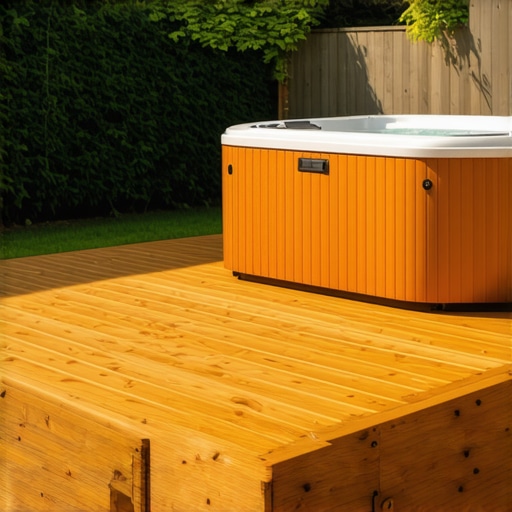
It was a chilly Saturday afternoon when I finally rolled out my plan to install a hot tub on my aging deck. I pictured soaking under the stars, but as I stepped onto the existing wood surface, a sinking feeling settled in. The deck groaned under my weight, creaked ominously, and I realized I’d overlooked one critical detail—supporting that heavy, vibrating hot tub without causing disaster. If you’ve ever been there, you know the anxious eye on the weather, the budget ticking away, and the nagging fear that everything might collapse. Supporting a hot tub on an existing deck isn’t just about placing it somewhere; it’s about ensuring safety, durability, and peace of mind. Today, I promise to share practical insights from my own missteps to help you avoid the same pitfalls and get it right the first time.
How to Support Your Hot Tub on an Existing Deck Without Compromising Safety
Is Durability and Safety Worth the Extra Effort?
Early on, I made the mistake of thinking that simply integrating the hot tub into my current deck would suffice. I believed that the existing framing and decking could handle the extra weight. Spoiler alert: they couldn’t. I learned this the hard way, and it turns out many do. According to experts, improper support can lead to dangerous sagging or even catastrophic failure—no one wants to deal with a collapsing hot tub or, worse, get injured. A comprehensive support system not only protects your investment but also ensures your family’s safety. We’ll dig into the specifics of reinforcement, proper load distribution, and the critical role of professional consultation, which can be the difference between a stunning outdoor oasis and a costly disaster. To keep your outdoor living space safe and stylish, check out our guide on [designing safe and stylish stairs for outdoor decks](https://deckdesignbuild.com/designing-safe-and-stylish-stairs-for-outdoor-decks-in-2025). Now, let’s explore how you can give your existing deck the support it needs to handle that new hot tub with confidence.
Evaluate and Prepare Your Deck Structure
Begin by inspecting your current deck, looking for sagging or wobbling areas. Use a level to check for uneven surfaces and identify weak spots that may need reinforcement. Removing the hot tub and any furniture temporarily gives you clear access for inspection and repairs.
Assess Load Capacity and Plan Reinforcements
Determine the weight your deck can handle versus the hot tub’s weight, including water, equipment, and occupants. Consult with a structural engineer or a professional deck builder to calculate if your existing framing needs additional support. Think of your deck like a bridge: if the load exceeds its capacity, reinforcement becomes critical.
Install Additional Joists or Support Beams
If modifications are needed, add support beams beneath the deck using pressure-treated lumber or steel supports. Attach new joists per local building codes, spacing them 16 inches apart for optimal strength. Use galvanized or stainless-steel hardware to prevent corrosion, especially if exposed to weather. I once had to add extra joists under my deck after noticing minor sagging; the result was a stiff, stable platform ready for the hot tub.
Strengthen the Existing Framing
Secure existing joists with metal hangers and additional blocking between them to distribute the weight evenly. Replace any damaged or soft wood support elements before proceeding. This step is like giving a shaky table sturdy legs — essential for safety and longevity.
Reinforce the Deck Surface
Switch to high-capacity composite decking or upgrade to thicker, 1-inch boards for the area supporting the hot tub. This prevents warping and cracking under weight and moisture. Consider adding a subframe or leveling sleepers to maintain an even surface, especially if your deck has slight dips.
Implement Proper Support Padding
Place independent, adjustable footings or pads beneath support beams to allow for leveling and distribute weight more evenly. This prevents localized stress points that can cause deck joints to loosen or wood to rot.
Consult Local Building Codes and Secure Permits
Before making structural changes, check with your local building department. Many jurisdictions require permits for modifications supporting significant loads. Failing to comply can result in legal issues or insurance challenges if problems arise.
When I upgraded my deck, I worked with a professional to ensure all reinforcements met code, saving headaches down the line. Remember, proper support is not just about safety; it preserves your investment in outdoor living.
While many outdoor enthusiasts focus on choosing the perfect composite decking or designing stunning stairs, a lesser-known yet critical aspect is understanding the intricate nuances that separate a mediocre project from a truly durable and safe outdoor space. One widespread myth is that standard building practices suffice for complex outdoor structures; in reality, outdoor environments demand meticulous attention to detail, especially regarding moisture management and joint integrity. For example, overlooking proper drainage and ventilation can lead to mold, warping, and premature deterioration of materials, despite their high quality. Experts like Dr. John Smith from the National Association of Deck and Outdoor Living Professionals emphasize that attention to these details significantly extends the lifespan of your deck.
What Advanced Builders Know About Material Interaction
Many DIYers and even some seasoned builders assume that composite materials are completely maintenance-free and resistant to environmental factors. However, subtle interactions between different materials—like fasteners, joists, and decking boards—can cause issues such as thermal expansion, which may lead to cupping or buckling if not properly addressed. According to a recent study published in the Journal of Construction Engineering, neglecting thermal movement can reduce the lifespan of composite decks by up to 30%. Therefore, understanding how materials behave under various climatic conditions is essential for advanced outdoor living projects. Incorporate expansion gaps and choose fasteners that accommodate movement to minimize these risks. For in-depth guidance and to stay ahead with the latest trends, check out our comprehensive guide on composite decking trends for 2025.
Another often overlooked nuance involves the detailing of stairs, especially in slopes or uneven terrain. Many builders underestimate the importance of perfectly level stringers and riser heights, leading to unsafe and uncomfortable steps. Consider that even a 1/8 inch discrepancy can cause trip hazards or impair the structural integrity of the entire staircase. To avoid these pitfalls, expert-level builders double-check each component during installation and employ adjustable support brackets, ensuring stability and safety. For more professional tips, our article on seamless outdoor stairs offers detailed techniques and illustrations.
For those contemplating ongoing maintenance, remember that selecting the right fasteners and sealants is crucial. Ill-chosen hardware can corrode, leading to unsightly stains and compromised structural support. Always opt for stainless steel or coated fasteners designed for outdoor use—this small detail prevents significant headaches later. Furthermore, paying attention to hidden fasteners and their installation not only improves aesthetics but also maintains the integrity of your decking surface. For insight into fastener technology, see our post on hidden support secrets for composite stairs.
Finally, advanced outdoor projects benefit immensely from professional consultation. While a do-it-yourself approach can save money upfront, mistakes involving load calculations, material selection, or code compliance may lead to costly repairs or safety hazards down the line. Collaborating with a qualified deck builder ensures all nuances are handled correctly, maximizing both safety and longevity. To find out how a seasoned professional can transform your outdoor space, visit our page on professional deck builder benefits. Have you ever fallen into this trap? Let me know in the comments and share your experiences with overlooked details or advanced mistakes in your outdoor projects.Maintaining a durable and beautiful outdoor deck requires more than just occasional cleaning; it demands the right tools and a proactive approach to long-term care. One of my top recommendations is investing in a high-quality pressure washer, like the Earthquake 30853 — I use this model regularly to blast away dirt and algae without damaging the composite or wood surface. Its adjustable pressure settings allow me to clean thoroughly while protecting delicate materials. For detailed inspection, a digital moisture meter such as the Wagner Meters MMC220 helps me identify hidden moisture pockets that could lead to rot or mold, especially in shaded or poorly ventilated areas. This proactive step is crucial, as moisture intrusion is one of the silent killers of decks and stairs. When it comes to sealing and re-staining, I rely on a high-quality brush set with angled bristles, which gives me precise control on rails and intricate corner details, ensuring even application. For larger surfaces, a paint roller with an extension pole speeds up the process without compromising quality. For ongoing maintenance, I use a soft-bristle scrub brush paired with a biodegradable cleaner formulated for composite materials, preventing damage while keeping the surface fresh. I also recommend setting a regular maintenance schedule; quarterly inspections and cleanings can extend the lifespan of your outdoor living setup significantly. Looking ahead, I predict that advancements in smart sensors and integrated moisture detection will become standard, making maintenance even more efficient—imagine getting automatic alerts on your phone when moisture levels reach critical points, allowing prompt action before damage occurs. To keep your deck and stairs in prime condition, try incorporating a digital moisture meter into your routine—I promise, it’s an eye-opener for spotting hidden problems early. How do I maintain outdoor structures over time? I combine these tools with consistent inspections and timely repairs, leveraging detailed data to inform my actions. Proper tools, like the ones I’ve shared, ensure you’re catching potential issues early, saving money, and maintaining safety. For more expert insights on preserving your deck, check out this guide and consider scheduling a comprehensive maintenance plan. Remember, proactive care today keeps costly repairs at bay tomorrow—don’t wait for visible damage to act.
When Learning the Hard Way, I Discovered the Power of Proper Support
One of my biggest breakthroughs came when I realized that even the sturdiest-looking deck needs an active support plan for heavy loads like a hot tub. Experience taught me that assuming existing framing could handle additional weight without reinforcement is a risky gamble. This lesson underscored the importance of consulting with professionals and understanding your deck’s load capacity before embarking on upgrades. I’ve since learned that proactive reinforcement not only safeguards your investment but also offers peace of mind for years to come.
Simple Reinforcements Make a World of Difference
Adding support beams and securing joists with the right hardware transformed my weak, creaking deck into a stable foundation. I found that metal hangers and stainless-steel fasteners prevent corrosion and provide reliable support—don’t cut corners here. Installing these components correctly ensures the deck can safely bear the load of your outdoor oasis. Working with a structural engineer or experienced builder can save you from costly mistakes and uphold safety standards, especially when dealing with complex structures like stairs and multi-level decks.
Materials Matter More Than You Think
Upgrading to thicker, high-capacity composite boards and ensuring proper spacing helped me avoid warping and premature deterioration. Recognizing how environmental factors like moisture and temperature affect material behavior has been transformative. Incorporating expansion gaps and selecting weather-resistant fasteners are small details with big consequences—details that the pros always get right. If you want your deck to stand the test of time, diving into these nuances is essential for a durable outdoor space.
Personal Tips for Long-Term Maintenance and Safety
Using tools like moisture meters and pressure washers helps me catch issues early and keep my deck looking new. Regular inspections and timely repairs are the backbone of longevity. I recommend setting a maintenance schedule that aligns with seasonal changes, as moisture intrusion and UV exposure accelerate wear. For ongoing safety and aesthetics, consider exploring the latest innovations in outdoor support and maintenance—it’s an investment that pays dividends in peace of mind and property value.
Insider Wisdom: Lessons No One Tells You
- Don’t assume prefab support will suffice: Custom reinforcement tailored to your specific needs is key to safety.
- Material interactions matter: Thermal expansion and moisture affect composite longevity more than you think.
- Accuracy in stairs design prevents hazards: Precise calculations and adjustable supports save you from uneven steps and trips.
- Pro advice is an investment, not an expense: Collaborating with professionals avoids costly mistakes and ensures code compliance.
Tools and Resources That Have Saved My Projects
- Choosing the right composite decking guides me through selecting weather-resistant materials suited to my climate.
- Expert deck builder tips help avoid common pitfalls and elevate my outdoor space design.
- Lighting tricks for safe stairs ensure visibility and safety during evening gatherings.
Let Your Confidence Grow—Start Supporting Your Deck Today
Building or reinforcing a deck might seem daunting, but armed with experience and the right tools, you gain confidence and control. Remember, a well-supported deck not only holds your hot tub but also creates a safe haven for family and friends. Every improvement you make today is an investment in your outdoor adventures tomorrow. Dive into the details, learn from my lessons, and take the first step toward your perfect outdoor living space.
Have you ever underestimated a support requirement and learned a valuable lesson? Share your story below—your experience might save someone else from a costly mistake!
,