Have you ever stepped out onto your deck stairs, only to feel that unsettling wobble or hear a faint creak? That moment often leads to a sinking suspicion—are those stair stringers starting to crack or split? I vividly recall my own lightbulb moment: walking down my deck stairs, hearing that dreaded splintering sound beneath my feet, realizing I might be facing costly repairs if I didn’t act.
Why Deck Stair Stringers Fail and How to Keep Them Strong
Protecting your outdoor oasis means more than just choosing the right decking material; it’s about ensuring the entire structure, especially the critical components like stair stringers, remains robust over time. When these vertical supports begin to split, it’s not just a safety hazard but also a sign that your deck’s foundation may be compromised. Fortunately, with a bit of preventive care, you can extend the life of your stairs and avoid unexpected replacements. Today, we’ll tackle how to prevent stair stringers from splitting, drawing on personal experience and proven techniques.
Is Reinforcing Stairs Really Worth the Effort?
At first, I thought dealing with small splits was normal wear and tear—something to accept, maybe even ignore. But I quickly learned that ignoring these signs can lead to more serious issues, including wobbling steps or, worse, a collapsed staircase. The mistake I made early on was neglecting regular inspections and assuming my deck was “fine” because it looked good from a distance. As research from architectural experts suggests, preventive maintenance can save you hundreds, if not thousands, in future repairs. It’s simply more cost-effective and safer to address issues early.
So, how do you ensure your stair stringers stay intact? The answer lies in understanding common causes of splitting and implementing straightforward strategies that make a world of difference. From proper material selection to protective treatments, I’ll walk you through everything you need to know to keep your stairs durable and secure, so you can enjoy your outdoor space worry-free. Ready to get your stairs standing strong for years to come? Let’s dive into the practical steps that can save you from costly headaches down the line.
Assess and Prepare Your Deck Before Repair
Start by inspecting your stairs for visible cracks, rot, or looseness. Use a sturdy ladder to reach the stringers, and note any areas showing signs of damage. Personal experience taught me that thorough inspection reveals issues hidden beneath surface-level wear. Clear debris and ensure the area is dry to work safely.
Remove Old or Damaged Components Carefully
Cut away any cracked or rotted sections of the stringers using a reciprocating saw with a wood-cutting blade. In my project, I used a reciprocating saw to neatly detach compromised wood, which made fitting new supports easier and more precise. Take care to avoid damaging adjacent framing or decking boards.
Choosing the Right Materials for Reinforcement
Select pressure-treated lumber or composite materials resistant to moisture and decay. I opted for 2×12 pressure-treated boards because they offer extra strength and longevity. For added durability, consider applying a waterproof sealant or protective paint to all new components, especially if your climate subjects your deck to high humidity.
Reinforce with Proper Fasteners and Anchors
Use galvanized or stainless-steel bolts and hardware to prevent corrosion over time. I personally used lag bolts, securing new stringers to the existing framing, which prevented wobbling and enhanced stability. Always pre-drill holes to avoid splitting the wood, especially when working with composite or pressure-treated lumber. For optimal results, refer to structural reinforcement tips.
Install and Secure the Repaired Stringers
Align the new stringers precisely with the deck framing, ensuring they are plumb and level. I used a carpenter’s level and framing square to verify proper alignment before tightening all fasteners. Secure the stringers at the top to the ledger board and at the bottom to the footing or support post, ensuring a stable connection that distributes weight evenly.
Add Support Brackets and Cross Bracing
To prevent future splitting from lateral stresses, install metal L-brackets or cross braces between the stringers. I found that adding diagonal bracing significantly reduced movement in my stairs. These additional supports can be attached using corrosion-resistant fasteners, ensuring the structure remains rigid over years of outdoor exposure.
Test and Finish Your Improved Stairs
After installation, gently test each step for wobbliness or movement. Walk slowly, feeling for any instability. In my case, I noticed a slight give in one step, which I addressed by tightening the bolts and adding a secondary cross brace. Finish by sealing all timber surfaces with a high-quality outdoor sealant or stain to protect against moisture intrusion, vital for extending lifespan.
Proper reinforcement, using durable materials and precise fastening, transforms a sagging, cracked stair system into a safe, lasting feature of your outdoor space. Regular inspection and maintenance will further prolong the integrity of your stairs, making them as resilient as the rest of your deck structure. For more ideas on upgrading your outdoor living space, visit maximizing outdoor spaces.
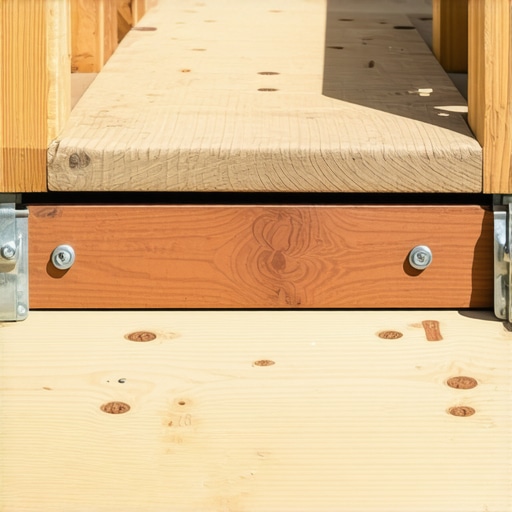 Many homeowners and even seasoned deck builders fall prey to misconceptions about stairs and outdoor living setups. A common myth is that choosing composite decking automatically guarantees low maintenance and longevity, but the reality is more nuanced. For example, not all composite brands perform equally well in direct sun, which can lead to premature fading or warping if you’re unaware of specific trends, like those discussed in composite decking trends. This suggests that selecting a deck material isn’t just about aesthetics but requires understanding material properties and climate compatibility.
Maintaining your deck, stairs, and outdoor living features requires the right tools that offer precision, durability, and efficiency. From inspecting structural integrity to applying protective finishes, my personal arsenal is curated for longevity and ease of use. One essential tool I recommend is the Bosch GSA 18V-LI SDS-plus rotary hammer. This versatile device helps me drill into concrete footings for reinforcement anchors or installing new supports, ensuring stability and safety. Its cordless design allows maneuverability around tight spaces without the hassle of cords, making it a favorite for quick repairs or upgrades.
To keep a close eye on existing issues, I rely heavily on an IR thermometer. Temperature fluctuations can hint at moisture intrusion or wood rot before visible signs appear. Personally, I use a thermal imaging device to identify hidden structural weaknesses, allowing for proactive maintenance rather than reactive repairs. Regular inspection with such equipment aligns with trends towards predictive upkeep, reducing long-term costs and risks.
For applying finishes, I favor the Wagner Control Pro 150 Power Painter. Its fine spray nozzle delivers uniform coats on composite boards or painted surfaces, which is crucial to prevent moisture penetration over time. Proper sealing with high-quality sealants and stains enhances the efficacy of these tools, contributing to the deck’s resilience against weathering, especially in climates with high humidity. As the trends in outdoor living evolve, integrating advanced application methods like HVLP sprayers ensures durability and aesthetic appeal.
How do I maintain outdoor structures over time? Watch out for signs of wear like splintering or fading, and use specialized tools accordingly.
Looking ahead, the trend toward smart maintenance is gaining momentum. Devices equipped with sensors that monitor moisture levels, wood movement, and structural shifts will become standard in preserving outdoor spaces. Integrating IoT-based tools allows homeowners and professionals to stay ahead of issues, ensuring their decks and stairs remain safe and beautiful. For example, companies are developing sensing systems that connect with your smartphone, alerting you when routine maintenance is due, similar to what you might do with a security system. This proactive approach not only extends the lifespan of your outdoor features but also enhances safety and enjoyment.
To implement these advanced techniques effectively, start by investing in a quality inspection camera or thermal imaging device. Regular use of such equipment can reveal potential problems long before they escalate, saving you time and money. For more insights on elevating your outdoor projects, consider consulting a professional deck builder who employs these cutting-edge tools to ensure lasting results. Why not try integrating a moisture sensor into your maintenance routine today? It could be the game-changer that keeps your outdoor living space pristine for years to come.
The Hard-Earned Wisdom from My Deck Repair Journey
One of the most valuable lessons I learned was that tiny cracks in stair stringers are often the first warning sign of bigger trouble. Instead of dismissing them, I wish I’d understood earlier how proper reinforcement can prevent costly replacements and keep my outdoor space safe. Recognizing and acting on these signs early has saved me time, money, and potential accidents, and it can do the same for you.
Another insight came from realizing that materials genuinely resistant to moisture and decay are worth the investment. I hesitated initially, but using pressure-treated lumber with protective coatings transformed my stairs from a shaky hazard into a durable fixture that lasts beyond the typical lifespan of untreated wood. Choosing quality fasteners that resist corrosion was equally crucial; galvanized hardware made a huge difference in maintaining structural integrity over storms and years.
The biggest lightbulb moment was understanding that routine inspections and preventive measures are your best allies. Incorporating tools like thermal imaging devices or moisture sensors allowed me to spot hidden weaknesses early, turning maintenance into a proactive rather than reactive process. This shift in mindset made a significant difference, ensuring my deck remains a safe sanctuary year after year.
Tools and Resources That Elevated My Deck Maintenance Game
Investing in a thermal imaging device gave me the power to detect hidden wood rot before it showed up visually. This tool is a game-changer for any outdoor enthusiast serious about longevity. Additionally, the IR thermometer was invaluable for monitoring moisture levels, helping me catch potential issues early. For sealing and finishing, I rely on my trusty Wagner Power Painter, which ensures a uniform, durable coat that resists the elements. Combining these tools with expert advice from professional deck builders has truly elevated my outdoor living game.
Embrace Your Outdoor Oasis and Keep It Safe
With the right knowledge, tools, and attitude, you can transform your deck stairs from a potential hazard into a lasting feature of your outdoor space. Every upgrade and inspection you perform now is an investment in safety and enjoyment for years to come. Don’t let small signs of wear turn into big problems—take action today and enjoy the peace of mind that comes with a strong, beautiful deck.
What’s Your Next Step? Share Your Experience
Have you ever hesitated before reinforcing or repairing your deck stairs? What challenges did you face, and how did you overcome them? I’d love to hear your story—share below and let’s learn from each other’s outdoor living journeys.