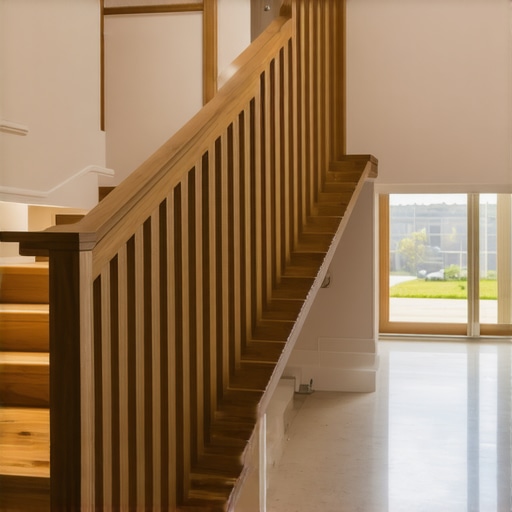
I’ll never forget the day I completed my outdoor deck. I was so proud of the new composite decking, the stylish railing, and that perfectly laid out staircase leading right into my home. But something felt off—like a mismatch in style that I couldn’t put my finger on. I realized that despite spending hours choosing the right materials, I neglected the importance of tying everything together visually. It was a lightbulb moment that taught me an essential lesson: your outdoor spaces and interior design should speak the same language.
Why You’re Probably Struggling to Match Your Deck Railing with Your Interior Stairs
When I first started planning my outdoor upgrade, I was knocked flat by how many options there are—different colors, materials, and styles. Naturally, I wanted my deck to look cohesive with my home’s interior stairs, but I didn’t know where to start. I quickly found out that DIY projects often lead to mismatched aesthetics because we focus on individual elements rather than the overall flow. The result? An inconsistent look that can diminish your home’s curb appeal and internal harmony.
The key is understanding the visual connection between your interior and exterior spaces. This isn’t about making everything match perfectly (which can be bland) but about creating a cohesive style that complements both areas. Interestingly, a study published by the Deck and Patio Design Institute highlights that balanced proportions and complementary materials significantly enhance a property’s aesthetic appeal. So, if you’re thinking about your deck and stairs, think about harmony, not just individual choices.
In my case, I initially installed a black metal railing on my deck, thinking it would give a modern vibe, but my interior staircase had warm wood tones. The mismatch was glaring. I learned the hard way that early decisions—like choosing contrasting materials—can make the overall look disjointed. Trust me; you want to avoid that mistake, and I’ll guide you through how to do it right.
Are You Worried That Matching Your Deck Railing to Your Interior Stairs Is Too Overwhelming?
It’s a common fear. The idea of coordinating styles across different parts of your home can seem daunting, especially if you’re not a design expert. However, the trick is to focus on a few core principles—color harmony, material consistency, and style flow—that can be easier to manage than you think. When I finally paid attention to these details, the transformation was remarkable. Your outdoor space will feel like an extension of your interior, inviting and stylish, rather than jarring or disconnected.
So, are you facing the same dilemma—struggling to get that seamless look? Don’t worry; in the next sections, I’ll share practical tips and real-world advice that will help you create a unified, beautiful design that elevates your entire home.
Let’s dive into how to choose materials and colors that will make your deck and stairs look like they belong together—without breaking the bank or losing sleep.
Match Materials for a Seamless Look
Start by selecting materials that share similar tones or textures. When I designed my deck, I deliberately chose composite boards that echoed the warm undertones of my interior stairs. I visited a local supplier and picked a mid-tone gray composite because it complemented my oak staircase. This choice created a harmonious transition without clashing or overwhelming the space. To visualize this effectively, think of your deck and stairs as two pieces of a puzzle that should fit together naturally.
Choose the Right Colors
Pick a color palette that flows between your indoor and outdoor spaces. Use paint swatches or digital tools to compare shades side by side. For example, if your interior features cool blues, consider a deck railing with a similar hue or a neutral color that balances the blues. During my project, I used a color sample from my interior wall for the railing spindles, which improved visual continuity and made my outdoor area feel like an extension of my home.
Select Complementary Hardware and Finishings
Focus on hardware finishes—such as balusters, fasteners, and handrails—that match or complement interior fixtures. If your interior uses brushed nickel, opt for deck railing hardware in the same finish. When I upgraded my deck, I swapped out generic fasteners for stainless steel ones with a matte finish, matching my kitchen fixtures. These small details collectively foster cohesion and elevate your overall design.
Balance Style and Functionality
While aesthetics are key, safety shouldn’t be compromised. Ensure your outdoor stairs and railing conform to local codes—like proper riser heights and secure balusters—without sacrificing style. I learned this the hard way when I initially built a stylish but unsafe staircase with overly narrow balusters. After consulting a professional and reviewing outdoor stairs safety tips, I replaced them with wider, code-compliant balusters that still looked sleek. Prioritize durability and safety to make your outdoor space both beautiful and practical.
Use Consistent Design Elements
Incorporate design features across both areas for flow—such as similar baluster styles, post caps, or decorative elements. For instance, I used the same post caps with integrated lighting both on my interior staircase handrails and my deck railing. This consistency subtly guides the eye and creates unity. By paying attention to these details, you ensure your entire outdoor and indoor masterpiece feels curated and intentional.
Test the Transition Before Finalizing
Set up temporary elements or mock-ups to assess how well your deck and stairs work together. I used painter’s tape and cardboard templates to visualize the transition zone. This simple step revealed that my chosen railing style was too bulky for the narrow staircase opening, prompting me to switch to a more streamlined design. Taking this extra step avoids costly revisions later and guarantees a smooth visual and functional flow.
Remember, creating a unified look isn’t about perfection but about deliberate choices that complement each other. When I followed these steps, my outdoor deck and interior stairs became a cohesive extension of my home — inviting, stylish, and harmonious, all achieved without breaking the bank. For more insights on designing functional and attractive stairs, check out this guide.
Many homeowners believe that choosing the most popular materials or following generic advice guarantees a perfect outcome for their outdoor stairs and decks. However, in my extensive experience working with various projects, I’ve noticed several nuanced pitfalls that are often overlooked. For instance, a widespread myth is that composite decking is completely maintenance-free; while it requires less upkeep than wood, neglecting proper sealing of cut ends and understanding the specific brand’s properties can lead to premature wear and discoloration.
Another common misconception involves the idea that all fasteners and hardware are interchangeable. Using low-quality screws or mismatched finishes can cause corrosion over time, jeopardizing safety and aesthetics. This might seem trivial initially but can turn into costly repairs later. To avoid this, I always recommend selecting fasteners designed specifically for outdoor environments and matching their finishes with your hardware to prevent rust stains that spoil the sleek look of your deck.
Are There Hidden Advanced Mistakes That Even Savvy DIYers Miss?
One often missed nuance is the importance of proper load calculations, especially when adding features like built-in seating or hot tubs. Underestimating load capacity can result in structural failures that aren’t immediately visible but are dangerous in the long run. Recent studies by the Deck and Patio Design Institute highlight that exceeding recommended spans and load limits is a leading cause of deck failure. Consulting an expert or using advanced software tools ensures your structure remains safe and durable over time.
Additionally, the framing foundation deserves special attention. Many assume that leveling posts and footings is sufficient, but neglecting the soil’s drainage properties can lead to shifting and instability. In poor-drainage areas, installing proper flashing and moisture barriers is crucial—a detail many overlook until it’s too late. For advice on this, see this comprehensive guide on securing your deck’s foundation against moisture damage.
Ultimately, the key lies in understanding the complexities beneath seemingly straightforward choices. Making these advanced considerations ensures your outdoor living spaces aren’t just beautiful but also safe and long-lasting. If you want to elevate your project beyond basic DIY tips, consider partnering with a professional who understands these nuances. They can often spot pitfalls that even experienced DIYers miss, saving you time and money in the long run. Want to explore more detailed strategies for durable, stylish decking? Check out top stairs design tips or how to choose the best composite decking. Have you ever fallen into this trap? Let me know in the comments.Maintaining your outdoor decks and stairs requires more than just occasional cleaning. I rely heavily on the right tools and routine checks to ensure longevity and safety. One of my go-to tools is a high-quality cordless power washer, which effectively removes dirt, algae, and moss without damaging the composite surface. I personally prefer models with adjustable pressure settings—such as the Ryobi 2300 PSI pressure washer—because they give me control, especially when cleaning delicate areas like stair stringers or detailed railing components. Using a brush attachment with soft bristles combined with environmentally friendly cleaners helps prevent surface scratches and keeps the finish looking fresh.
For ongoing maintenance, I inspect my deck and stairs quarterly. This involves checking for loose fasteners, damaged boards, and rusted hardware. I recommend a reliable magnetic screwdriver set, like the Wiha Kraftform, which speeds up the process and reduces hand fatigue. When I spot any loose screws or nails, I tighten or replace them immediately, preventing future safety hazards.
In terms of long-term results, sealing composite decking is a myth I avoid—they are designed to resist moisture naturally. Instead, I focus on preventing UV damage and discoloration. A product I swear by is a UV protectant spray formulated specifically for composite materials, which I apply biannually using a pump sprayer. This simple step helps maintain color vibrancy and prevents surface degradation.
When it comes to stairs, safety is paramount. I install anti-slip tape with diamond grit on all stair treads and landings. Applying these strips annually ensures safety, especially in wet conditions. For maximum durability and ease, I use 3M safety tape, which adheres well and withstands weathering.
Predicting future trends, I believe smart technology will play a role in outdoor maintenance. Devices like moisture sensors integrated into joist and fascia areas could alert homeowners when conditions are ripe for mold or rot, leading to preemptive care and extended deck lifespan.
**How do I maintain outdoor stairs and decks over time?** Regular inspections, proper cleaning with gentle yet effective tools, and protecting surfaces from UV exposure are key strategies I use. Investing in quality hardware, like stainless steel fasteners recommended by experts in deck design, prevents corrosion and maintains structural integrity.
An advanced tip you should try is applying a UV protectant spray with a pump sprayer after each thorough cleaning session. This small step can significantly prolong the vibrant look of your composite decking and preserve the safety features of your stairs. Remember, consistent upkeep—though seemingly minor—can make all the difference in enjoying your outdoor spaces for years to come. For more on choosing the right tools and techniques, explore our guide on innovative outdoor living ideas.
The Unspoken Truths That Changed My Approach to Outdoor Design
- One of my biggest realizations was that mixing different materials without a cohesive vision can create dissonance. I learned that choosing elements with complementary textures and tones isn’t just about aesthetics—it’s about creating a seamless experience from inside to outside.
- Initially, I thought matching every detail, like hardware finishes, was overkill. But I discovered that these small touches—matching the matte stainless steel of my railing hardware to my kitchen fixtures—can make a surprisingly big impact on the overall harmony of the space.
- I overlooked the importance of thorough planning before installation, which often led to rework and frustration. Planning by visualizing the transition zones and mock-ups helped me catch potential mismatches early, saving time and money.
- Understanding the technical aspects—such as proper load calculations and foundation durability—was a game-changer. Recognizing that a beautiful deck must also be safe and long-lasting made me prioritize structural integrity alongside style.
- Finally, I realized that patience and ongoing maintenance are key. Regular inspections, gentle cleaning, and timely upgrades prolong the life of my outdoor structures, allowing me to enjoy them for years to come.
Tools and Resources That Elevated My Projects
- Ryobi 2300 PSI Power Washer: Reliable and gentle enough for composite surfaces, it keeps my deck looking brand new without risking damage.
- ColorSmart Digital Tool: This app helps me compare paint and stain colors to ensure seamless indoor-outdoor flow, which is vital for harmony.
- Stainless Steel Fasteners: I trust high-quality fasteners for corrosion resistance and consistent appearance. Brands like Grip-Rite have been dependable for me.
- Deck Design Software: For mapping out layouts, considering load capacities, and visualizing transitions, software tools save me headaches and improve precision.
Keep Moving Forward with Confidence
Embarking on outdoor living enhancements can seem overwhelming at first, but with a focus on harmony, technical knowledge, and quality tools, you can create spaces that are both beautiful and resilient. Remember, your outdoor projects are an extension of your home—so worth every bit of effort you invest. Take that first step today, and transform your backyard into a sanctuary that reflects your style and values. What’s one change you’re excited to try in your outdoor space? Share your thoughts below, and let’s inspire each other to build better, lasting outdoor living environments.
,