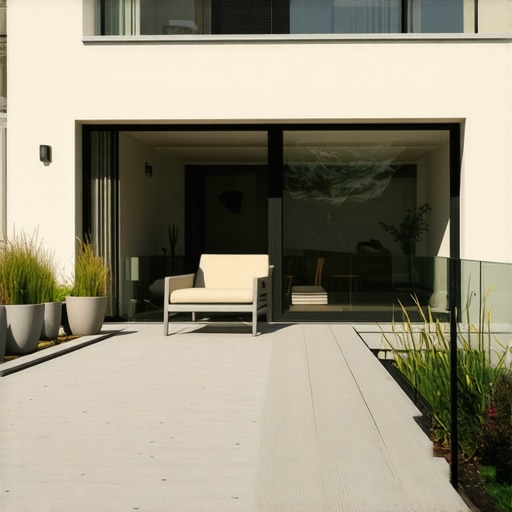
It was a sunny Saturday afternoon when I finally stepped back to evaluate my backyard project. Instead of a seamless outdoor retreat, I saw a mismatch — a sleek, modern deck paired with a railing that looked like it belonged in a Victorian garden. The realization hit me like a bolt of lightning: I had overlooked the importance of design cohesion. That lightbulb moment transformed the way I approached outdoor living, pushing me to learn how to match my deck railing to my home’s contemporary style effectively.
Why Perfectly Matched Deck Railing Changes Everything
When I first built my deck, I was so eager to finish that I chose railings that seemed convenient or on sale. But soon, the dissonance became apparent. An uncoordinated railing doesn’t just look off; it subconsciously signals a lack of thought in your home’s overall aesthetic. Achieving harmony between your deck and your house enhances not only curb appeal but also the value of your outdoor space. A study from Houzz indicates that coordinated outdoor designs can boost home value by up to 6%—a compelling reason to get this right from the start.
Is Matching Your Railing to Your Home’s Style Truly Necessary?
Early in my journey, I made the mistake of assuming that any railing would do, especially if it was sturdy and affordable. But that oversight made me realize how important visual harmony is. You see, a mismatch can make even the most beautiful deck look out of place. The goal should be to create a seamless flow from house to backyard — and that’s easier said than done. Would you believe that selecting the wrong railing style can actually detract from your home’s modern appeal? It’s true, and I’ve seen it firsthand.
To make smarter choices, I started researching the latest trends in composite decking, stylish railing materials, and how professionals approach matching these elements. Check out this detailed guide that helped me understand the current best practices for designing outdoor spaces that truly complement modern home architecture: Creating seamless transitions in outdoor living. Now, I want to share what I’ve learned so that your project can avoid my early pitfalls and achieve a stunning, cohesive look.
In the upcoming sections, I’ll walk you through practical tips and design ideas on how to match your railing with your home’s aesthetic, whether you prefer sleek aluminum, glass panels, or composite options. Ready to see your backyard transform into your dream outdoor living area? Let’s get started.
Start with Your Home’s Architectural Style
Identify whether your house features modern, traditional, or transitional design elements. For example, a contemporary home pairs well with sleek aluminum or glass railings, while a classic Victorian style might call for ornate wrought iron. I once spent a weekend measuring and comparing my home’s clean lines to my existing railings, realizing they clashed because I hadn’t considered this initial step. Use this assessment as your foundation, guiding your material and design choices.
Choose Material That Complements Your Exterior
Opt for railing materials that align with your home’s materials. For instance, if your siding is fiber cement with a smooth finish, selecting metal or composite railings maintains consistency. When I upgraded my deck, I opted for aluminum because it resembled the modern aesthetic of my vinyl siding, and I avoided the mismatched wood look I had initially considered. Consult experts on trending materials, such as in composite decking trends 2025, to get current options that match contemporary styles.
Match Color Palette to Your Exterior Palette
Coordinate railing colors with your home’s primary exterior colors—whether neutral tones or bold hues. A quick way is to use a color wheel or digital design tools to find complementary shades. During my project, I painted sample swatches and held them against my house, preferring matte black aluminum rails to match my window frames, which elevated the uniformity of my outdoor space.
Incorporate Consistent Design Details
Pay attention to detailing elements like rail posts, balusters, and caps. For a seamless look, select these with similar profiles and finishes. I chose sleek, minimalistic posts for my aluminum rails, mirroring my home’s window trim, which resulted in a unified look that I couldn’t have achieved without paying attention to these small details. For guidance on how to design safe and stylish stairs that complement your new railing, visit designing safe and stylish stairs 2025.
Use Transitional Elements to Bridge Styles
If your home combines different architectural styles, find a middle ground by mixing complementary materials and colors in your railing design. For example, pairing a modern glass panel with a traditional wood post creates an eclectic yet cohesive look. I experimented with this when I incorporated glass panels into my existing wooden posts—initially messy and imprecise—but the result brought a fresh, modern touch that balanced my classic home features.
Consult a Professional for Custom Fit
When in doubt, engage with a skilled deck builder who can tailor your railing to match your home’s style seamlessly. They can help with choices that maximize curb appeal without sacrificing safety or durability. I contacted an expert via contact us, who provided invaluable advice and executed my matching plan flawlessly. This collaboration prevented costly mistakes and ensured my deck integrated perfectly with my house. Remember, matching your deck railing isn’t just about aesthetics—it’s about creating harmony that elevates your entire outdoor living space.While homeowners often focus on selecting the right materials or designing eye-catching layouts, there’s a hidden nuance that many fail to grasp—**the intricacies of structural compatibility and advanced planning** that ensure longevity and safety. It’s tempting to assume that choosing high-quality composite decking or stylish stairs is enough, but without understanding the subtle interplays—such as load distribution or thermal expansion—you’re risking costly mistakes. I once watched a project falter because the deck’s joist spacing wasn’t tailored to the specific composite boards used, leading to sagging within just two years. This mistake is common among enthusiasts who underestimate the importance of detailed engineering behind seemingly straightforward elements. Replace aesthetics with a focus on structural harmony, and you’ll greatly extend your outdoor space’s lifespan. Moreover, many believe that building stairs or railings is a simple task, but the advanced nuances involve precise measurements for comfort and safety, like correct riser heights and load-bearing guardrails. Skipping these details can result in non-compliance with codes or unsafe structures—traps that many DIY builders stumble into. To avoid such pitfalls, I recommend engaging with a professional deck builder who understands the complex interplay between materials, design, and safety standards. They can help you craft an outdoor living area that seamlessly combines beauty, durability, and function. For instance, mastering how to coordinate stairs with the overall deck design can elevate your space—check out this guide on creating seamless transitions. Remember, it’s these advanced considerations that separate a good project from a great one—so be vigilant about the hidden details. Have you ever fallen into this trap? Let me know in the comments.Maintaining your outdoor deck and composite features isn’t just about a quick clean now and then—it’s about implementing routine checks and using the right tools to ensure longevity. One of my favorite go-to items is a high-quality cordless oscillating multi-tool, which makes tasks like cleaning tight corners or renewing caulk lines effortless. I personally rely on brands like Fein or Dremel because their durability and battery life stand out, especially when tackling larger projects that require extended use.
Next, I swear by a digital moisture meter when inspecting wood components. This device helps determine if your wooden stairs or railings are absorbing too much moisture, signaling potential rot or mold issues before they become visible. It’s a game-changer for early detection, saving you costly repairs later. My recommendatIon is the Protimeter Surveymaster, which I have used for years—its accuracy and ease of use make it an indispensable part of my maintenance kit.
Future Trends in Outdoor Maintenance Tools
Looking ahead, I predict a growing integration of smart technology in outdoor maintenance. Imagine sensors embedded in your decking that automatically monitor for moisture and structural integrity, syncing with your smartphone for real-time updates. Companies are already exploring IoT-connected solutions, which could revolutionize how we care for outdoor spaces—reducing guesswork and preventing issues proactively.
How do I maintain my decking over time? I develop a scheduled routine—scrubbing with a gentle deck cleaner like mildew-resistant formulas, inspecting for loose or rusted hardware, and applying UV-resistant sealants every few years. I suggest looking into maintenance strategies outlined in the comprehensive guide on creating seamless transitions in outdoor living to ensure every part of your deck remains resilient and attractive.
Now, I challenge you to try incorporating a moisture meter into your next maintenance routine. Not only will it help you catch early signs of issues, but it also provides peace of mind knowing your outdoor investments are protected. Proper maintenance isn’t glamorous, but it’s essential for enjoying beautiful, long-lasting outdoor living areas. Want more insights? Reach out to a professional deck builder for personalized advice tailored to your space.
The Hard Lessons That Changed My Approach to Deck Design
One of the most impactful insights I gained was realizing that every element in your outdoor space should speak the same language. Early on, I overlooked the importance of detailed planning, which led to mismatched railings and uneven transitions. It taught me that investing time into understanding your home’s architectural voice can save money and frustration later. Also, I learned that patience and attention to detail—especially in matching materials and finishes—are crucial for creating a truly harmonious outdoor environment. Finally, I discovered that engaging with professionals not only elevates the design but also ensures safety and longevity, transforming a good project into a great one.