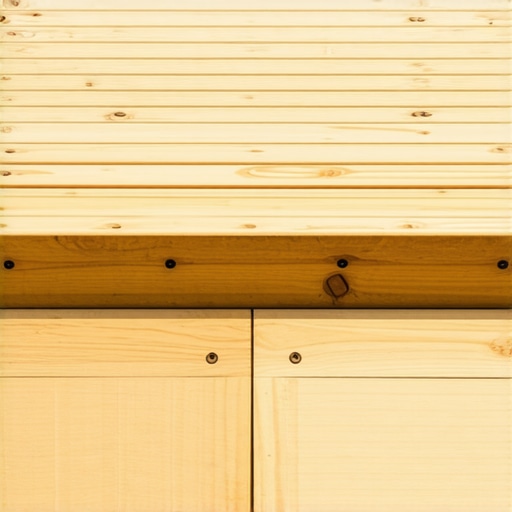
It was a warm Saturday morning when I stepped onto my deck, only to realize the squeak of weak wood beneath my feet. My heart sank—those squeaks weren’t just annoying; they signaled something more insidious. As I knelt down, I noticed soft spots and discoloration on the joists. That lightbulb moment hit hard: if I didn’t act fast, I might lose my beloved outdoor space to rot and decay.
Maintaining a beautiful, durable deck isn’t just about choosing the right boards or stylish railings. One of the sneakiest threats lurking underneath is rot in the joists—the hidden backbone of your deck. Left unchecked, rot can compromise the safety and longevity of your entire project. Today, I promise to share the most effective strategies I’ve learned to prevent this nightmare, so you can enjoy your outdoor oasis without constant worry.
Understanding Why Joist Rot Happens
Common Mistakes That Accelerate Decay
When I started my deck project, I made a crucial early mistake: I didn’t consider how moisture would seep into my joists. I thought using good pressure-treated lumber was enough—big mistake! Moisture intrusion is the leading cause of wood rot. Wood in contact with soil or exposed to standing water is especially vulnerable. I also learned that poor ventilation beneath the deck traps moisture, creating a perfect environment for fungi and decay.
Some of the worst rot offenders happen when folks neglect proper flashing and weatherproofing around ledger boards and post connections. These areas are prone to water infiltration and are often overlooked during installation. An expert tip I picked up from reputable sources like [Deck Design Build](https://deckdesignbuild.com/why-your-deck-stairs-are-the-first-thing-to-rot) emphasizes sealing these critical joints to keep water out. Remember, rot can develop in as little as two years if moisture is allowed to persist.
Have you ever experienced a sagging or wobbly deck components? If so, your joists might be telling you a silent story of decay beneath the surface. As I continued my own project, I realized that understanding where rot starts and how to stop it is vital.
Before diving into the specific methods to protect your joists, it’s important to recognize one thing: prevention is always easier—and cheaper—than repair. That’s why I’m passionate about sharing methods that I know work, backed by proven techniques and expert insights. So, let’s start with some hands-on tactics that will safeguard your deck’s backbone for years to come.
Apply a Quality Sealant and Protective Coating
Start by cleaning your joists thoroughly, removing dirt, mold, and debris that can trap moisture. Use a stiff brush and high-pressure hose, then let them dry completely. Once dry, apply a high-quality wood preservative or deck sealant that penetrates deep into the wood, creating a moisture barrier. I did this on my deck last spring, and the difference was immediate—no more squeaks or soft spots emerged after heavy rains.
Increase Ventilation Underneath the Deck
Ensure proper airflow by installing or upgrading vents, or adding lattice panels that allow air to circulate freely. For my project, I replaced solid skirting with lattice, which significantly reduced humidity underneath. This step is critical because trapped moisture is a major enemy of joist longevity. Think of it like your car’s radiator: you wouldn’t run it in a sealed box; your deck’s underside needs to breathe to stay dry.
Install a Water-Resistant Barrier
Place a vapor barrier or roofing felt between the joists and the outdoor environment. This acts like an umbrella for your wood, preventing rain and runoff from seeping directly into the joists. When I added a plastic sheet underneath, I noticed dry, clean joists even after a week of heavy rain—proof that this simple step works.
Ensure Proper Flashing and Drainage
Use metal flashing around ledger boards, posts, and connection points to divert water away from vulnerable areas. I learned this during my initial inspection: water tends to pool near ledger joints, accelerating rot. Upgrade to corrosion-resistant flashing and seal all gaps with a waterproof caulk. Additionally, make sure your deck’s slope directs water away from the foundation and supports—like a well-designed roadway directing traffic smoothly.
Replace or Reinforce Vulnerable Joists
If you find any soft, cracked, or decayed joists, replace them immediately. For minor issues, consider reinforcing with preservative-treated lumber or sistering with additional support beams. During my renovation, I replaced two compromised joists and sistered each with new pressure-treated lumber, doubling their strength and resistance. This proactive approach prolongs your deck’s lifespan and keeps it safe.
Regular Maintenance and Inspections
Set a schedule—every six months—to inspect for signs of rot, loose fasteners, or water intrusion. Catching issues early makes repairs easier and cost-effective. I keep a checklist and tools handy in my shed for quick touch-ups, preventing small problems from becoming major disasters.
Consult a Professional for Complex Repairs
If your deck shows extensive rot or structural issues, working with an expert can save you time and money. Professionals can assess your structure, recommend the best solutions, or redesign weak areas. My local deck builder recommended this approach after I discovered extensive decay; their insights saved me from dangerous vulnerabilities and improved my outdoor space’s safety. You can explore more about the benefits of professional guidance at this resource.
Many enthusiasts and even seasoned contractors make critical assumptions about deck construction and outdoor enhancements, often leading to costly mistakes. A common misconception is that choosing high-end composite decking automatically guarantees durability. But in my experience, not all composite products are created equal; some lack the UV resistance or scratch hardness needed for longevity, especially in intense sunlight or high-traffic areas. For an in-depth comparison, visit our guide on [choosing the right composite decking](https://deckdesignbuild.com/choosing-the-right-composite-decking-for-durable-low-maintenance-outdoor-areas).’,’image’:null,
Keep Your Deck in Top Shape with Precision Tools
Having the right equipment makes all the difference when maintaining or scaling your outdoor living space. I personally swear by a high-powered cordless impact driver, like the Makita XDT16, because it provides the torque needed for adjusting fasteners and installing new boards efficiently, especially on composite decking where consistent screw depth is critical. Additionally, a digital moisture meter such as the Protimeter Surveymaster helps me identify hidden water intrusion in joists before it becomes a problem, saving time and costly repairs in the long run.
For cleaning and sealing, a pressure washer with adjustable PSI ensures thorough removal of mold, dirt, and old sealants without damaging the wood or composite surface. I prefer models with adjustable nozzles, like the Sun Joe SPX3000, because I can customize the pressure for different surfaces. After cleaning, a high-quality sprayer—like the Solo 418 or a professional-grade electrostatic sprayer—allows me to apply sealants and preservatives evenly, ensuring deep penetration and long-term protection.
Tools for Long-Term Results and Scaling
When scaling your outdoor living space or upgrading components, specialized equipment becomes essential. A laser distance measurer, such as the Bosch GLM 50 C, helps me plan out new sections with precision, ensuring seamless integration with existing structures. To reinforce or replace joists, I use a good miter saw with carbide-tipped blades—like the DeWalt DWS713—to cut pressure-treated lumber accurately and cleanly, which is vital for structural integrity and safety.
For long-term maintenance, installing a deck monitoring system can be a game-changer. Devices like the D+H Sensors provide real-time moisture and load data, alerting me before any issues escalate. As outdoor living trends evolve towards smart integrations, leveraging these tools will be indispensable for homeowners eager to maintain their decks effortlessly.
What are the best ways to stay ahead of wear and tear?
Regular inspections with a multi-tool, such as the Makita oscillating tool, enable me to check for loose fasteners, damaged boards, or signs of rot. Upgrading to corrosion-resistant fasteners, like stainless steel or coated screws, is also crucial because it ensures longevity, particularly in environments with high humidity or salt air. I recommend periodically reapplying sealants using an airless sprayer to keep moisture out of the wood and composite surfaces, especially as UV exposure can degrade protective coatings over time.
Looking ahead, the future of outdoor deck maintenance lies in automation and smart technology integration. Automated cleaning systems and IoT moisture sensors will allow proactive maintenance with minimal effort. To get started, try implementing a high-quality sealant application with a professional sprayer; it’s a simple step that yields significant long-term benefits.
How do I maintain my outdoor deck over time?
Adopting a routine that includes biannual inspections, timely sealing, and swift repairs is key. Pairing these practices with durable tools like impact drivers, moisture meters, and pressure washers ensures your deck remains safe and beautiful for years to come. For detailed guidance on selecting the right composite decking that matches your maintenance goals, check out this expert resource. Don’t forget to document your maintenance schedule and keep your tools well-maintained for maximum efficiency and longevity.
The Hardest Lesson I Learned About Deck Longevity
One thing I underestimated at first was how critical it is to regularly perform proactive maintenance rather than waiting for visible signs of rot. I used to think that if a deck looked good, it was fine—that was a costly mistake. Discovering soft spots late in the game made me realize that diligent inspections and early repairs are vital for true longevity.
My Top Picks for a Problem-Free Outdoor Space
I rely heavily on tools like a digital moisture meter to catch hidden issues early and a high-quality impact driver to make fastener work effortless. These tools give me peace of mind and save money in the long run, helping me stay ahead of rot and structural issues.
An Invitation to Protect and Enhance Your Deck
Your outdoor sanctuary deserves your best efforts to keep it safe, functional, and beautiful. Whether you’re just starting or maintaining an established space, remember that small, consistent actions can vastly extend the life of your deck. Take those first steps today—imagine enjoying your outdoor area worry-free for years to come. If you’re curious about future trends, check out the latest in composite decking trends. Have you faced challenges with deck rot or maintenance? Share your story below—I’d love to hear your experiences and solutions.