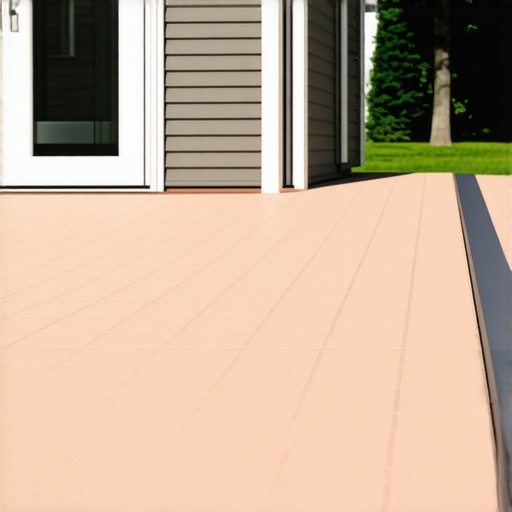
I remember the first time I noticed the unsightly gap between my deck and my house—it was right after a rainstorm, and I stepped out onto my porch only to find a narrow, dusty crack running along the edge. That small flaw nagged at me every time I looked outside. It’s funny how such a tiny gap can ruin the entire outdoor vibe I worked so hard to create. And if you’re like me, you probably felt that twinge of frustration, wondering if there was a way to fix it without tearing everything apart.
Why This Small Gap Can Turn Your Outdoor Space into an Eyesore
The truth is, that gap isn’t just a minor cosmetic issue; it can be a gateway for dirt, debris, insects, and even water to sneak in, leading to potential damage over time. It’s a common problem, especially with decks that weren’t designed with perfectly seamless integration into the house. When I first tackled this issue, I underestimated its importance. I thought, “It’s just a little space,” but soon I realized it was a magnet for leaves and bugs, making my outdoor area less inviting. Ensuring a tidy transition between your deck and your house isn’t just about aesthetics; it’s about protecting your investment and improving your outdoor living experience.
In fact, experts emphasize the importance of a clean, well-sealed transition for longevity and safety. According to a recent study, improperly sealed gaps can accelerate structural rot and decay, leading to costly repairs (source: https://deckdesignbuild.com/creating-seamless-transitions-stairs-as-key-elements-in-outdoor-living). I’ve learned from my early mistakes that addressing this little detail can significantly extend the life of your deck and keep it looking sharp for years.
So, today, I’m going to show you practical, straightforward ways to hide that unsightly gap, turning it into a sleek, functional part of your outdoor sanctuary. Whether you’re a weekend warrior or a seasoned DIYer, these tips will help you create a seamless, appealing boundary—no more gap, no more fuss, just a beautiful outdoor space you’re proud of.
Are you tired of tripping over that annoying space, or perhaps worried about how it might be damaging your deck? If so, stay with me. We’re about to dive into easy yet effective solutions to transform your deck’s edge from an eyesore into a feature.
Measure and Prepare Your Space Carefully
Start by accurately measuring the width of the gap to determine the best concealment method. Use a tape measure and note down the exact measurement to ensure precision. During my project, I used a digital caliper for pinpoint accuracy, which helped me choose the right filler material. This step is crucial because an incorrect measurement can lead to gaps that are either too tight or too loose, affecting the final look and durability.
Choose the Right Filler or Covering Material
Decide on a material that matches your deck’s aesthetics and withstands outdoor conditions. Popular options include composite threshold strips, wood trim, or specialized gap filler boards. When I replaced my gap, I opted for a composite trim that matched my decking color, which created a sleek, uniform appearance. This choice is essential because incompatible materials can warp or wear quickly, leading to more frequent repairs.
Install a Transition Strip
For a clean finish, install a transition strip—these are available in aluminum, composite, or wood. Secure the strip using exterior-grade screws, making sure it’s level and flush against the decking surface. I used a hidden fastener system to avoid visibility issues, which provided a neat look. Proper installation not only improves appearance but also prevents movement or squeaking over time.
Fill the Gap with a Custom-Cut Board
If the gap is wide, cutting a piece of composite or wood to fit snugly can be effective. Measure the gap, cut the board slightly longer than needed, then sand the edges for a smooth finish. During my work, I used a jigsaw with a fine blade to cut the board precisely, then sealed it with a waterproof sealant for added protection. This method offers a tailored fit that enhances both form and function.
Screw or Adhesively Secure the Cover
Attach the filler piece securely using corrosion-resistant screws or outdoor-rated adhesive. Screws allow for easy future adjustments, while adhesive provides a seamless look if applied carefully. I personally preferred screws for their adjustability; I countersunk them to ensure a flat surface. Ensuring a firm attachment prevents shifting due to foot traffic or weather.
Seal the Edges for Added Protection
Apply a high-quality outdoor sealant along the edges to prevent water infiltration and debris buildup. Use a caulking gun to run a bead of sealant around the perimeter of the filler or transition strip. I found that a silicone sealant with UV resistance performed best in my climate, lasting several seasons without cracking. Proper sealing prolongs the life of your fix and maintains a clean appearance.
Final Checks and Adjustments
Once installed, walk over the area to check for gaps or unevenness. Make necessary adjustments by sanding or tightening fasteners. During my project, I noticed a slight wobble, fixed it by tightening the screws, and re-sealed the edges. This step ensures a safe, smooth transition that looks professional.
Most people assume that installing stairs or choosing composite decking is a straightforward process, but in my experience, there are nuanced pitfalls that can derail even seasoned DIYers. A common myth is that as long as your stairs are code-compliant, they are safe and durable; however, overlooking the importance of proper Riser height and tread depth can lead to uncomfortable, even hazardous navigation. According to a recent study by the American Institute of Architects, small deviations in stair dimensions significantly increase the risk of trips and falls, underscoring the need for precision beyond just meeting minimum code standards (source: https://deckdesignbuild.com/designing-safe-and-stylish-stairs-for-outdoor-decks-in-2025).
What Advanced Errors Do Even Experienced Builders Make?
One trap I’ve seen many fall into is neglecting the expansion and contraction properties of composite decking. Many assume that because composite is low-maintenance, it doesn’t move, but thermal fluctuations can cause warping, buckling, or gaps over time. This is especially true when installation gaps are not correctly calculated, or when the decking is laid too tightly. An improper gap allowance can result in panels pressing against each other during hot days, leading to stress cracks and a shortened lifespan. It’s essential to understand the material’s behavior in different climates to mitigate these issues effectively.
Another mistaken belief involves the assumption that under-deck drainage systems are a simple add-on. In reality, improper installation can cause water pooling, leading to rot beneath your deck. A well-designed drainage system must account for the pitch and ensure unobstructed water runoff. This nuance is often overlooked, causing costly repairs down the line. For insights on best practices, check out my detailed guide on the drainage secret for keeping the area under your deck dry.
When it comes to aesthetic choices, many believe that lighter-colored composite boards always stay cool, but this isn’t entirely accurate. Some brands and formulations are better at reflecting sunlight and reducing heat absorption, which is critical for comfort in sunny outdoor spaces. Diving into the latest composite decking trends can shed light on innovative materials designed to maximize thermal performance.
In summary, understanding these nuanced factors makes the difference between a mediocre deck and a long-lasting, stunning outdoor centerpiece. Whether you’re planning a new project or repairing an existing one, paying attention to these advanced details will elevate your outdoor living experience. Remember that even small oversights in calculations, material behavior, or drainage design can lead to significant issues down the line. Don’t fall into the trap of complacency—embrace the expert-level insights that ensure your project’s success. For comprehensive guidance, my recommended resources include expert deck builder tips and how to choose the right composite decking. Have you ever fallen into this trap? Let me know in the comments.
Invest in Quality Tools for Lasting Results
When it comes to maintaining your outdoor living spaces, the right tools make all the difference. I recommend investing in a high-quality oscillating multi-tool, like the Fein MultiMaster, which I personally use for precise sanding and scraping tasks on composite decking and stair surfaces. Its versatility allows me to remove stubborn grime, smooth rough edges, and even make detailed repairs without damaging surrounding materials.
Additionally, a cordless electric drill with adjustable torque settings is essential for securing fasteners securely without over-tightening. For deeper cleaning, I rely on a pressure washer with adjustable nozzles to remove dirt buildup. However, I prefer one with a low-pressure fan attachment to prevent damaging the composite’s surface—a common issue with high-pressure settings. Proper cleaning prolongs the lifespan of your decking and helps maintain its aesthetic appeal.
Embrace Software for Project Management
Managing outdoor projects can become overwhelming without organization. I utilize project management software like Trello to track maintenance schedules, replacement timelines, and materials inventory. Setting reminders in the software ensures you don’t forget essential tasks like resealing or inspecting fasteners. This proactive approach prevents minor issues from escalating into major repairs, saving both time and money.
Long-Term Results Require Routine Checks
Establishing a routine maintenance schedule is key. Every season, I inspect my stairs and deck for loose fasteners, weather-related damage, or signs of wear. Catching issues early allows for simple fixes—tightening screws or reapplying sealant—before they become costly repairs. Regular upkeep maintains safety standards and keeps your outdoor space looking professional.
Where do I look to keep my outdoor spaces working seamlessly over time?
By combining quality tools, smart project management, and routine inspections, I ensure my decks and stairs stay functional and beautiful year after year. Some of these tools are designed to adapt to evolving materials and techniques, reflecting the trend toward innovative, maintenance-friendly outdoor solutions. For example, new composite materials with self-cleaning properties are gaining popularity, and staying updated will be crucial for effective upkeep. Discover more about the latest in composite decking innovations for 2025.
If you’re ready to elevate your maintenance game, try implementing a quarterly inspection routine combined with using a cordless drill with adjustable torque. This simple step can significantly extend the life of your outdoor structures and reduce unexpected repairs.
The Hardest Lesson I Learned About Elevating Outdoor Spaces
One of the most underestimated aspects of deck building is understanding the subtle nuances of spacing, material behavior, and long-term durability. I used to believe that as long as my measurements were close enough, my deck would hold up over time. But after dealing with warped boards and shifting gaps, I realized that precision and knowledge are crucial for a flawless finish.
Choosing the right materials isn’t just about aesthetics—it’s about knowing how they respond to weather and temperature cycles. For instance, opting for composite over traditional wood was a game-changer, but only when I respected expansion gaps and installation best practices (check out this guide for deeper insights).
Tools, Resources, and Small Details That Make a Big Difference
Having the right toolkit, like a cordless drill with torque control and a high-quality sealant applicator, can save you hours and prevent future repairs. I also rely on project management apps such as Trello to track maintenance schedules, ensuring that my outdoor spaces stay in top shape year-round (these tools help me stay organized).
Your Next Step Lies in Action and Confidence
Building or repairing your deck with confidence requires understanding these subtle details. Take one step at a time, from precise measurements to sealing edges thoroughly. Remember, the investment in knowledge and quality tools pays off in a stunning, durable outdoor retreat.
Insider Wisdom: Lessons That Changed My Approach to Outdoor Living
- Small gaps can sabotage years of work: I once overlooked a tiny expansion gap, only to have boards warp months later. Now, I always allow for material movement to avoid costly fixes.
- Material choice matters more than I thought: Composite decking is low-maintenance but requires understanding thermal expansion. Ignoring this led to buckling—something I avoid now by consulting latest trends.
- Sealing edges is my secret weapon: Proper sealant application prevents water infiltration and mold growth, extending the life of my deck more than I could have imagined.
- DIY knowledge boosts confidence: With detailed guides and quality tools, I turned my outdoor vision into reality, avoiding contractors’ mistakes and adding personal flair.
Top Picks for Building and Maintaining a Beautiful Deck
- Expert deck-building tips: A comprehensive resource that elevates your outdoor projects with professional insights.
- Inspirational ideas: Explore innovative designs to maximize your deck area, making every inch count.
- Top-quality composite options: A selection guide to pick materials that last long and stay cool.
- Future trends: Stay ahead with upcoming materials and design ideas that redefine outdoor living in 2025.
Let’s Make Your Outdoor Space Truly Yours
Your outdoor living space is an extension of your home and personality. Embrace these lessons, invest in quality tools, and approach each project with confidence. The result? A stunning, functional deck that you can enjoy for decades to come. Now, are you ready to tackle your next upgrade and turn your backyard into a personal oasis?
Have you ever struggled with perfecting that tricky gap or choosing the right materials for durability? Share your experiences below—I’d love to hear your stories and tips!