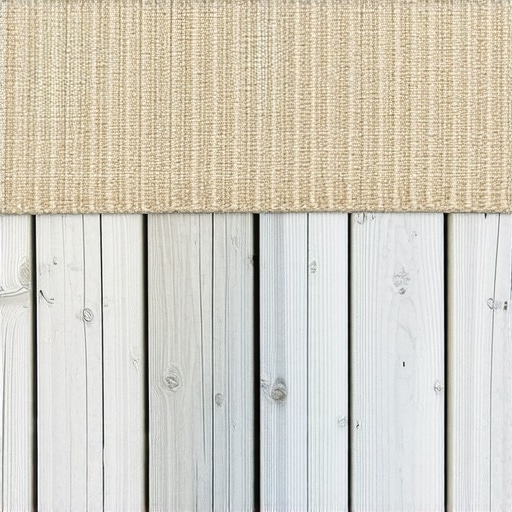
I remember the moment clear as day—walking out onto my newly built deck, excited to lounge with a cold drink and enjoy the sunshine. But within just a few weeks, I noticed the edges of my beloved deck rug starting to mold and, worse, tiny black spots creeping along the boards. Turns out, that seemingly innocent rug was secretly wreaking havoc, trapping moisture and inviting mold and rot. That lightbulb moment taught me a hard lesson: not all outdoor rugs are created equal, and choosing the right one is crucial to preserving your deck.
Why I Nearly Destroyed My Deck Before Figuring It Out
Early on, I thought any outdoor rug would do. I didn’t realize that some materials trap moisture, leading to rot and mold, especially on pressure-treated or composite decking. I learned this the hard way—my mistake was trusting a fluffy, absorbent rug without considering its impact on my deck’s health. After some research, I discovered that the key is selecting a rug designed for outdoor use—one that breathes and allows moisture to evaporate, rather than trapping it against your precious boards. With a little knowledge and some trial and error, I now have a beautiful, durable setup that protects my deck and looks fantastic.
Is a deck rug actually worth the hype?
Many folks swear by their outdoor rugs, but if you’re not careful, you could be inviting trouble. The biggest skepticism I hear is whether the benefits outweigh the risks—especially when it comes to rot and mold. From my experience, the answer is yes—if you choose wisely. And, trust me, I wish I had known this earlier; it would have saved me a lot of trouble and money. For more insights, I recommend reading about the best composite decking options that complement your outdoor accessories.
So, are you facing this problem right now? Do your outdoor rugs leave stains, mold, or rot even after just a season? You’re not alone. Fortunately, with a few simple tips, you can select a rug that enhances your space without risking your deck’s integrity. Let’s dive into how to pick the perfect, durable outdoor rug that stands the test of time and weather.
Choose Rug Materials Designed for Outdoors
Start by selecting a rug made from synthetic fibers like polypropylene or polyester, which are resistant to moisture, mold, and UV rays. During my project, I found a rug labeled “outdoor-friendly” at my local hardware store. I tested it in a small corner, pouring water on it, and observed how quickly it dried compared to previous rugs I used. The quick-drying fabric prevented moisture buildup, reducing mold risk and keeping my deck safe.
Avoid Absorbent or Plush Rugs
Absorbent fibers trap water, leading to mold and rot. Think of a plush rug as a sponge—holding moisture against your deck boards. I once placed a fluffy, indoor-style rug outdoors, expecting it to withstand weather, but it soaked up rain and stayed damp for days. After replacing it with a woven, breathable outdoor rug, I noticed significant improvement in moisture evaporation—saving my deck from potential damage.
Proper Rug Placement and Installation
Lay your rug so that it does not sit flush on the deck surface. Use weather-resistant rug pads or elevate the edges slightly. I used plastic astro-turf-style pads under my rug, which allowed air flow. This method resembles raising a boat slightly off the water to prevent hull rot; airflow is key in moisture-prone areas, especially on decks with pressure-treated or composite boards. This simple step enhances drying and minimizes mold development.
Maintain the Rug for Longevity
Regularly remove debris, clean with a mild soap solution, and ensure proper drainage around your deck. In my case, I swept away leaves and hosed down my rug every few weeks. I also checked the drainage slopes and made adjustments to prevent pooling water, which can seep underneath and compromise the deck structure over time. Consistent maintenance is like tuning an instrument—keeps everything working smoothly and extends the life of your outdoor setup.
Complement Your Rug Choice with Deck Material Awareness
Pairing your rug with the right decking material is vital. For example, if you have a pressure-treated wood deck, choose a rug that won’t trap moisture against the boards—otherwise, you risk rot. Alternatively, if your deck is made of low-maintenance composite material, opt for a rug with good breathability. I recommend reviewing the latest composite decking options to ensure your choices work harmoniously together for durability and style.
Seal and Secure the Rug to Prevent Movement
Use outdoor rug adhesive or non-slip backing to keep your rug in place, especially on windy days. It’s like anchoring a floating dock; stability prevents shifting that can cause trip hazards or wear out the rug prematurely. In my experience, applying a weatherproof adhesive along the edges and central points prevented the rug from bunching or slipping—keeping my outdoor space safe and sleek.
While it might seem straightforward to plan and build a deck, many seasoned DIYers and even professionals often overlook subtle details that can compromise the entire project. One pervasive misconception is relying solely on standard code guidelines without considering the specific environmental nuances of your location. For instance, many assume that selecting a common composite decking material will automatically guarantee durability, but as I’ve learned through extensive experience, the type of composite and its installation specifics make all the difference. According to a recent study by the 2025 composite decking trends report, the latest advancements focus heavily on UV resistance and climate adaptability, which many builders miss when choosing materials.
Stepping Beyond the Basics in Outdoor Living Design
A common myth is that elaborate stairs and railing designs are purely aesthetic. In reality, these elements significantly influence safety, accessibility, and the overall flow of your outdoor space. An overlooked nuance is the importance of proper stair stringer spacing and riser uniformity—small deviations here can lead to uneven steps, posing safety risks and discomfort. For example, incomplete understanding of the recent latest safety standards for stairs might cause you to underestimate required dimensions, leading to code violations or hazards.
Are You Overlooking the Hidden Risks in Deck Construction?
Many builders focus on surface-level features, neglecting foundational elements that ensure longevity. A notorious trap is ignoring proper flashing and sealing around ledger boards, which are critical in preventing water infiltration and rot. Even seasoned experts can fall prey to this mistake if they aren’t aware of recent updates in flashing tape application methods, such as the one detailed in this guide. Prolonged water exposure here can undermine your entire structure, leading to costly repairs. The key is understanding that meticulous attention to these hidden yet essential details sets apart an average deck from a durable outdoor oasis.
Why Skimping on Support Structure Might Cost You Big
Another advanced mistake I see is underestimating load requirements and support span limitations for composite decks. A myth persists that standard joist spacing is universally safe; however, as highlighted in this resource, climate, deck size, and material type can drastically change the necessary support configuration. Neglecting these nuances often results in bounce, squeaks, or worse, structural failure over time. Properly accounting for these factors requires an understanding of material properties and local environmental stresses—something that even experienced builders might overlook if they rely solely on generic guidelines.
In conclusion, mastering deck construction involves much more than following standard templates or superficial design trends. It demands an in-depth knowledge of material properties, environmental factors, and code updates. Are you aware of these hidden nuances? Have you ever fallen into this trap? Let me know in the comments or reach out through my contact page.
Invest in Precision Tools for Consistent Results
When maintaining a deck, having the right tools makes all the difference. I swear by a high-quality cordless drill with adjustable torque settings and a rapid-chuck bit adaptor—it ensures that deck boards are fastened securely without overdriving screws, which can lead to cracks or splits. Additionally, a digital moisture meter allows me to check the moisture content of the wood before sealing or staining, ensuring proper adhesion and longer-lasting protection. These tools enable me to keep my outdoor space looking pristine and functional for years to come.
Use Smart Software to Track Maintenance Schedules
To stay ahead of potential issues, I rely on project management apps like Trello or Asana, customized with maintenance checklists. These digital trackers remind me when it’s time to reseal surfaces, inspect fasteners, or clean gutters around my deck. There’s a future trend towards integrated weather data synced with maintenance apps, providing real-time alerts about rain or UV exposure that could accelerate wear. Embracing such technology can extend the lifespan of your outdoor living area.
Prioritize Long-Term Preservation Techniques
Regular inspections and preventive care are essential. I recommend applying a high-quality deck sealant—preferably with UV inhibitors—every 2-3 years. When selecting products, I look for those that are specifically formulated for composite or pressure-treated wood, as detailed in the composite decking guide. This proactive approach helps prevent moisture infiltration, UV fading, and microbial growth, maintaining your deck’s aesthetic and structural integrity over time.
How do I maintain stairs for safety and durability?
Stairs are a critical component of outdoor living spaces and require dedicated attention. I use a combination of non-slip, slip-resistant stair treads and regular anti-graffiti cleaning techniques to keep them safe and inviting. Installing LED step lighting controlled by motion sensors enhances safety during nighttime use. My secret weapon is a weatherproof paint specifically designed for outdoor concrete or wood—this seals the surface and makes maintenance easier. In the future, demand will shift towards smart lighting and embedded sensors that monitor wear and alert you when repairs are needed—an exciting development for the dedicated outdoor enthusiast.
Preparing for Long-Term Success
By selecting the right tools, leveraging innovative software, and adhering to a maintenance schedule, you’ll turn routine upkeep into an effective defense against the elements. This holistic approach can double—or even triple—the lifespan of your deck and stairs. Try adopting a moisture meter to check wood conditions before sealing—this small step can significantly impact longevity. With the increasingly sophisticated climate challenges ahead, investing in these practices now prepares your outdoor living area for many seasons to come.

Lessons That Changed the Way I Approach Outdoor Living
- Never underestimate the impact of small details—like proper drainage or ventilation—that protect your deck from hidden damage. The subtle tweaks I learned through trial and error saved me from costly repairs down the line.
- Choosing the right materials isn’t just about aesthetics; it’s about durability. Investing in high-quality, weather-resistant composite decking pays off in peace of mind and long-term savings.
- Maintenance routines matter more than most realize. Regular inspections using a moisture meter and prompt cleaning have extended my deck’s lifespan far beyond initial expectations.
Tools and Resources That Elevate My Deck Projects
- The composite decking guide taught me how to select materials that balance beauty and resilience. It’s my go-to reference for material choices.
- Using a digital moisture meter revolutionized my maintenance approach, helping me identify potential issues before they turn into major problems. It’s invaluable for ensuring proper sealing and staining.
- When planning upgrades or repairs, I lean on project management apps like Asana to track maintenance schedules and upcoming tasks. Staying organized saves time and keeps my outdoor space looking its best.
Step Forward with Confidence in Your Outdoor Space
Every deck enthusiast has their unique eye for detail and their own lessons learned. Embracing these insights empowers you to create a resilient, stunning outdoor living area that lasts. Remember, the key is to combine quality materials, diligent maintenance, and a willingness to learn from experience. Ready to elevate your outdoor space to new heights? Your best deck-building days are just ahead.