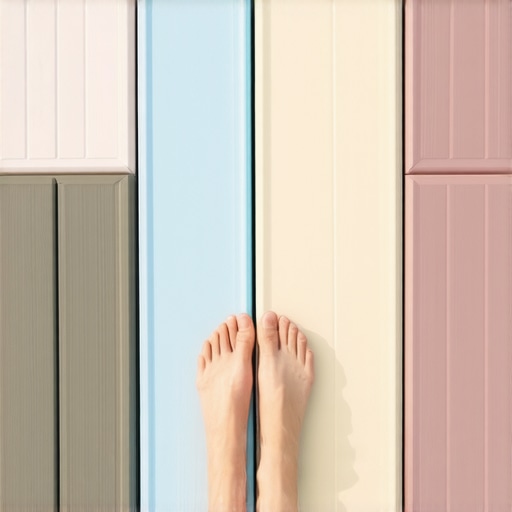
I remember stepping onto my recently completed deck—excited to unwind and enjoy the outdoors—but almost immediately, I winced. The surface was scorching hot under my feet, turning a simple evening into a minor ordeal. It hit me then—how many of us overlook a crucial detail when designing outdoor living spaces: the color of our decking. Choosing the right hue isn’t just about aesthetics; it’s about comfort, safety, and long-term satisfaction.
Why Deck Color Matters Beyond Looks
It might seem trivial at first glance, but the color of your deck can dramatically influence how hot it gets under the sun. Lighter shades tend to reflect sunlight, keeping the surface cooler, while darker tones absorb heat, transforming your peaceful oasis into a potential foot-burner.
In fact, I made the mistake of choosing a dark gray composite decking for my first project—only to find my feet blistering after a sunny weekend. That experience taught me the importance of color selection rooted in practical benefits, not just visual appeal. If you’ve ever faced similar frustrations, you’re not alone. Many homeowners feel caught off guard by how quickly a beautiful deck can turn uncomfortable.
What You Need to Know About Deck Colors and Heat
Surprisingly, some colors can raise your surface temperature by as much as 40 degrees Fahrenheit compared to lighter options. According to a study published by the U.S. Department of Energy, light-colored surfaces can reflect more sunlight and help keep outdoor spaces cooler, reducing the need for extra shade or cooling measures. This isn’t just theoretical—it’s a practical consideration that can make your outdoor experience more enjoyable and safe.
However, I also learned early on that selecting a color without considering the material’s heat absorption properties is a mistake I made. Some composite deckings have colorants designed to resist UV damage but may still heat up under the sun. The key is to balance your aesthetic preferences with these thermal behaviors.
If you’ve been debating whether to settle for that sleek, dark hue or go for something lighter, ask yourself—do I want a beautiful deck, or do I want one I can enjoy comfortably without burning my feet? Luckily, today we’re going to explore how to make that decision easier, ensuring your outdoor space is both stunning and practical.
Select a Cooler Shade for Your Deck
Start by evaluating the available color options and their heat absorption properties. I once visited a supplier and personally tested a weathered sample in the sun, feeling how quickly it heated up. To replicate this at home, lay out small samples of your preferred colors on a sunny surface and measure their temperature with an infrared thermometer. Light colors like beige, tan, or soft grays reflect more sunlight, reducing surface heat and ensuring barefoot comfort.
Assess Material and Finish Effects
Not all composite decking reacts the same way to sunlight. Some brands use UV-resistant pigments that help keep their colors cooler. When choosing, examine product specifications or ask your supplier about heat-reflective properties. For example, I recently opted for a specific composite with a light oak finish, which stayed noticeably cooler than darker gray samples—making outdoor evenings more enjoyable.
Implement Practical Testing Before Committing
To avoid surprises, perform a quick field test. Lay out prototype boards or samples in your yard during peak sunlight hours. Walk barefoot over them and note the temperature differences. During my test, a sample of ‘mocha’ composite reached uncomfortable levels, while a ‘sand’ shade remained comfortably cool. This step is simple but crucial to ensure your aesthetic choices don’t compromise comfort later.
Coordinate with Shade and Landscape Features
Once you’ve selected a lighter color, plan for natural shading elements like pergolas or strategically placed trees. I installed a wooden pergola over my deck, which, paired with a light-colored surface, kept the entire space significantly cooler. Proper shading not only enhances comfort but prolongs the life of your decking materials by reducing sun exposure—less heat means less wear over time.
Incorporate Finishing Touches for Comfort
Finally, consider accessories like outdoor rugs, furniture covers, or cushion fabrics that complement your color choice while adding extra layers of insulation. For instance, I used light-colored outdoor rugs and cushions, which reflected even more sunlight, keeping the ground and seating areas cooler. Combining thoughtful color selection with thoughtful accessories creates a welcoming and comfortable outdoor environment.
Many enthusiasts and even seasoned professionals often overlook the subtleties that distinguish a good outdoor space from a truly exceptional one. While basic concepts like choosing composite decking materials or designing safe stairs are well understood, there are nuanced pitfalls that can trip up even experienced builders. For example, a pervasive myth is that selecting a darker composite color adds sophistication and durability. In reality, darker shades absorb more heat and show dirt and scratches more readily—yet many still prioritize esthetics over longevity. Additionally, some believe that all composite decking is low-maintenance without considering the importance of proper installation techniques, such as leaving appropriate gaps and using high-quality fasteners, which directly impacts the lifespan and appearance of your deck.
What advanced mistakes do most overlook in outdoor design?
One common oversight is neglecting thermal expansion and contraction of decking materials. This subtle issue can cause boards to buckle or warp over time if not properly accounted for. According to research from the latest composite decking trends, manufacturers recommend specific installation clearances to accommodate temperature variations, but many overlook this entirely. Another advanced trap is underestimating the importance of seamless transitions between decks and stairs, which isn’t simply about aesthetics but critical for safety and longevity. Properly designed transitions prevent tripping hazards and structural stress points, a nuance detailed in this guide on stair transitions. Moreover, advanced builders recognize that choosing the right fasteners, such as stainless steel or hidden fasteners designed for specific composite brands, can prevent issues like squeaking, loosening, or corrosion—mistakes that are often made by those rushing the project without expert advice. To avoid these pitfalls, consulting with a professional deck builder can be invaluable, as they bring experience with the intricacies of materials and design, ensuring your outdoor space stands the test of time. For further insights, see the benefits of professional guidance. So, have you ever fallen into this trap? Let me know in the comments and share your experiences!Building and maintaining a durable outdoor deck requires not just quality materials but also the right tools and methods to ensure longevity and seamless design. I rely heavily on a few specialized pieces of equipment to keep my projects precise and my decks performing well over time. One of my go-to tools is a **laser level**, specifically the **Bosch GLL 3-330**. Its accuracy for setting consistent elevations during framing and railing installation can’t be overstated—especially when juggling multiple sections or complex designs. For cutting composite decking, I prefer a **metal-cutting circular saw** fitted with a **fine tooth carbide blade**; this combo minimizes melting and rough edges, making clean, precise cuts without damaging the material. When it comes to cleaning, I swear by a **high-pressure washer** with adjustable nozzles. Regularly removing dirt and moss prevents premature degradation, especially in shaded or moist environments. For software, I recommend **SketchUp** for 3D design and layout planning; it’s invaluable to visualize how your deck will look, foresee potential issues, and communicate ideas with clients or contractors. As composite decking trends evolve, staying updated with tools that emphasize precision and efficiency can drastically reduce errors, ultimately saving time and money. Looking ahead, I predict that integrating **smart technology**—like Bluetooth-connected sensors—will enable ongoing monitoring of structural health, moisture levels, and temperatures, providing proactive maintenance alerts. So, how do I maintain my decks over time? Routine inspections paired with my trusted tools ensure that I catch issues early—like loose fasteners or small warps—before they escalate. A simple yet effective method involves checking fasteners with a **torque driver**, ensuring each screw remains tight and preventing squeaks or looseness that can compromise safety. I can’t emphasize enough how regular care, combined with the right equipment, extends the lifespan of your outdoor living space. If you’re serious about creating a deck that lasts, I recommend trying my favorite **laser level** for accuracy or incorporating **pressure washing** into your seasonal maintenance routine. For comprehensive guidance on designing and maintaining a safe, long-lasting deck, consider exploring my post on seamless transitions and stairs. Proper tools and consistent upkeep are your best allies—so gear up and make your outdoor space a lasting sanctuary.
Lessons I Wish I Learned Sooner About Outdoor Decks
One of the most impactful lessons I discovered was that not every aesthetic choice serves your practical needs. Early on, I prioritized a sleek dark finish because I thought it looked sophisticated, only to find it absorbed heat fiercely, turning my relaxing evenings into scalding sessions. Now, I realize that balancing style with comfort requires understanding how colors interact with sunlight and material properties. Another realization was underestimating the importance of field testing deck samples. Standing barefoot on different-colored boards during peak sunlight made a huge difference in choosing a shade that stays cool and comfortable all summer long. Lastly, I learned the hard way that integrating shading structures like pergolas or thoughtful landscaping is just as vital as selecting the right color; they work together to create a genuinely inviting outdoor space. These insights transformed my approach and can help you avoid common pitfalls in your own outdoor living projects.