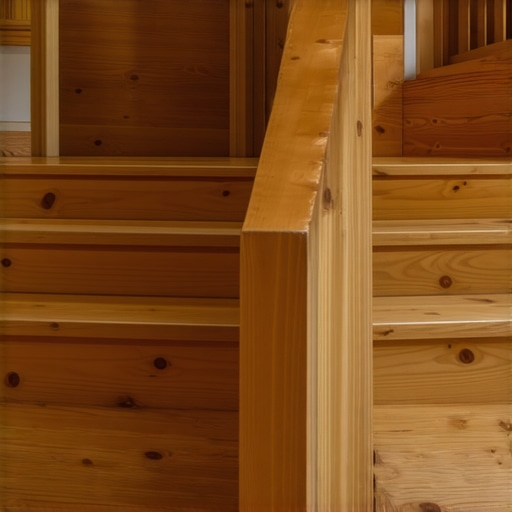
It was just last summer when I took on a project that should have been straightforward: building a staircase for my backyard deck. But as I stepped onto the first set of newly installed stairs, a loud creak echoed through my yard. Every step felt like a mini earthquake, and I knew I wasn’t alone—many homeowners face this frustrating issue. That unexpected noise not only undermines the aesthetic appeal but also raises concerns about safety and durability. I realized then that I needed to dig deeper into what causes these creaks and how to prevent them for good.
Why a squeaky staircase is more than just an annoying noise
A creaking staircase isn’t just a minor inconvenience; it signals underlying structural problems that could worsen over time. Loose fasteners, improperly spaced boards, and inadequate support are common culprits, especially in outdoor environments where moisture and temperature fluctuations accelerate deterioration. When I first built my stairs, I made a classic mistake: I used standard fasteners without considering expansion and contraction, which led to looseness and noise. That oversight taught me a valuable lesson—attention to detail and understanding the materials involved are critical for a squeak-free finish.
According to experts, a well-constructed staircase can last decades if designed properly. In fact, using the right fasteners and support methods can eliminate creaks entirely, providing safety and peace of mind. Curious how I managed to overhaul my stairs and how you can do the same? Stick with me, and I’ll share the practical tips and tricks I’ve learned along the way.
Is building a silent staircase actually doable, or just a pipe dream?
One of my biggest fears early on was investing time and money into a project that would still end up squeaking. Like many, I was skeptical—after all, wood and outdoor environments are unpredictable. I’ll admit, I initially overlooked the importance of proper support spacing and used subpar fasteners, which only worsened the problem. Today, I want to assure you that with the right approach, a squeak-free staircase isn’t just an aspiration; it’s entirely achievable. For more expert insights, I recommend checking out [this resource](https://deckdesignbuild.com/the-secret-to-a-squeak-free-composite-deck-surface). Now, let’s get into how you can build stairs that stay silent and sturdy for years to come.
Secure Proper Support
Start by ensuring your stringers—the diagonal supports beneath your stairs—are correctly spaced. Use a 12-inch on-center spacing to prevent bounciness, much like supporting beams in a bridge prevent wobbling. I once installed a set where I mistakenly placed supports every 16 inches, resulting in squeaks and instability. Replacing them with 12-inch spacing instantly improved stability and reduced noise.
Choose the Right Fasteners
Opt for through-loks or heavy-duty screws designed for composite materials, like those recommended in this guide. Unlike standard nails, these fasteners expand within the material, much like a screw anchors itself securely in concrete, eliminating looseness over time. I replaced my staples with through-loks on my latest project, and the difference in stability was noticeable immediately.
Ensure Proper Support Endpoints
Support the bottom of your stairs on concrete pads or properly anchored posts. Using leveling shims under every post base ensures consistent height, preventing uneven steps that can cause squeaks. I learned this the hard way when my stairs shifted slightly over seasons, causing creaks. Adjusting with shims fixed the issue and kept my stairs solid.
Maintain Tight Connections
Regularly inspect and tighten all fasteners as part of your maintenance routine. Over time, most fasteners can loosen due to temperature fluctuations or slight movements. I set a reminder to check my stairs every spring, tightening any loose screws. This simple step keeps them quiet and safe year-round.
Apply Sealant to Critical Areas
Seal the end grains and joints with a quality outdoor sealant to prevent moisture ingress, which can cause materials to swell and creak. For deck stairs, applying sealant after installing supports seals the gaps and prevents squeaks caused by wood swelling. I apply a coat of sealant after each maintenance session, and my stairs remain silent even after heavy rain.
Incorporate Expert Ideas
Consider consulting with a professional deck builder for complex elements—especially if you’re creating a multi-level staircase or integrating LED lighting. They can offer insights on hidden supports and optimal support placement, much like a seasoned chef refines a recipe. To see how experts approach stair safety and design, check out this informative resource.
Test and Fine-Tune
After assembly, walk up and down your stairs multiple times to detect any creaks or movement. Use a wood block or mallet to gently tighten loose supports or fasteners, rather than overtightening, which can crack the composite. I once discovered a small squeak after a week; a quick tighten fixed it, reaffirming the importance of continuous inspection.
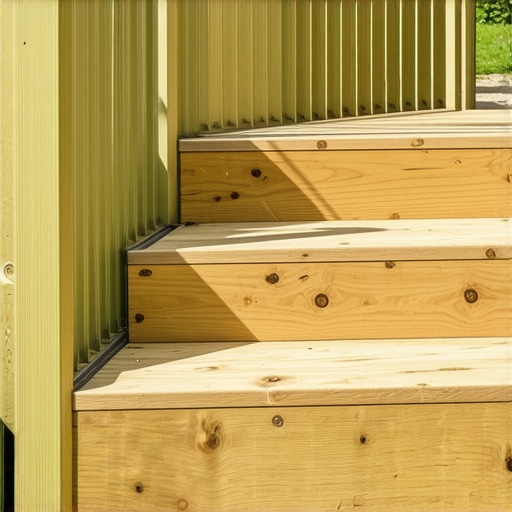 Many homeowners believe that choosing composite decking automatically guarantees a maintenance-free, durable outdoor space. However, this assumption often leads to overlooked nuances that can compromise your investment. Contrary to popular belief, not all composite boards are created equal; differences in materials, manufacturing, and installation methods significantly impact longevity and appearance. For example, some assume dark-colored composite decking is universally suitable, but studies show that darker shades absorb more heat and can warp under intense sunlight, especially in southern climates. This myth can lead to discomfort and premature wear—so always consider climate-specific recommendations.
Another misconception involves the perceived simplicity of DIY porch projects. While some think that building stairs and decks can be straightforward, professionals emphasize the importance of precise calculations, proper support spacing, and quality fasteners. An oversight here isn’t just cosmetic; it jeopardizes safety and can cause costly repairs down the line. Engaging a seasoned *deck builder* can save time and prevent common pitfalls. To dive deeper into expert insights, check out [this resource](https://deckdesignbuild.com/the-benefits-of-working-with-a-professional-deck-builder-in-your-outdoor-projects).
Advanced homeowners often ask: How does support structure influence the lifespan of composite decking? The answer lies in understanding load distribution and material support—miscalculations here can lead to sagging or buckling, especially with heavy furniture or hot tubs. Employing proper joist spacing—commonly 16 inches on-center for residential decks—ensures stability. Neglecting this detail is an *oops* that many fall victim to, resulting in uneven surfaces and potential safety hazards. Expert installation considers these nuances, often consulting structural codes and manufacturer guidelines to optimize performance.
Furthermore, a prevalent oversight is ignoring regional weather patterns during planning. For instance, coastal areas with high moisture levels require additional sealing and drainage considerations. Skipping these steps accelerates composite wear and can lead to rot in underlying supports—an ironic twist for a material marketed as low-maintenance. If you’re unsure, consulting industry standards or engaging a professional can make all the difference. For insights into site-specific issues, visit [this page](https://deckdesignbuild.com/creating-seamless-transitions-stairs-as-key-elements-in-outdoor-living).
Finally, many overlook the importance of seamless transitions between indoor and outdoor spaces. The design of stairs and landings influences not only aesthetics but also safety and ease of use. Misaligned risers or unsupported edges can cause trips and falls—especially problematic for children or elderly users. Paying attention to these advanced details, aided by expert advice, elevates your project from good to exceptional. Want to see some inspiring ideas? Check out [outdoor stair designs](https://deckdesignbuild.com/elevate-your-home-top-stairs-designs-for-modern-outdoor-spaces).
In sum, understanding the finer nuances of composite decking, outdoor living, and stair design can dramatically enhance durability, safety, and aesthetic appeal. Do you ever fall victim to assumptions about outdoor projects? Share your experiences in the comments, and let’s keep the conversation going!
Keep Your Decks in Prime Shape with the Right Equipment
Maintaining a beautiful, durable outdoor deck requires the right tools and a strategic approach. I swear by a high-quality cordless impact driver like the Makita XDT16, which offers the power and battery life needed for fasteners and support adjustments. Its lightweight design reduces fatigue during long sessions, making it easier to tighten or replace fasteners without stripping or damaging the composite material. For precise measurements, I rely on a laser distance measurer such as the Bosch GLM50C. It delivers quick, accurate readings, ensuring support beams and stair risers are perfectly aligned, preventing future squeaks or structural issues.
When it comes to cleaning, I prefer a soft-bristle deck brush paired with a premium, biodegradable cleaner. A dedicated surface cleaner attached to a pressure washer might seem tempting, but I stay cautious—pressure washers can damage composite surfaces if misused. Instead, I opt for gentle scrubbing and specific composite cleaner solutions, like the ones recommended in this comprehensive guide. Regular inspection with a flashlight helps spot early signs of wear, loose fasteners, or moisture intrusion, allowing me to address issues before serious damage occurs.
How do I maintain my outdoor structures over time?
Establishing a routine with quality tools ensures long-term success. I set seasonal reminders to check fasteners, reapply sealant on joints, and inspect support spacing, always referring to industry standards. For example, using a torque screwdriver to tighten fasteners to manufacturer specifications ensures optimal security without over-tightening, which can crack or deform the material. Additionally, upgrading support supports with adjustable leveling shims—like those available at this resource—can make a huge difference in uneven terrain, preventing creaks and sagging.
Looking ahead, the trend points toward smart maintenance solutions. Imagine integrating moisture sensors or support monitors that alert you when a fastener loosens or support shifts. These innovations promise to make outdoor living spaces more reliable with less manual effort, aligning with the increasing demand for low-maintenance yet high-performance decks.
Now, I challenge you to try upgrading your support supports with adjustable leveling shims. This small step can save you headaches and costly repairs in the future. For a step-by-step guide on that process, visit this detailed tutorial. Remember, equipment and maintenance routines are the backbone of long-lasting outdoor living spaces, so choose your tools wisely and stay proactive!
Building a squeak-free, long-lasting outdoor staircase is more than just securing some fasteners—it’s about understanding the subtle details that influence comfort and safety. My journey taught me that support spacing, quality fasteners, and maintenance routines work together to create outdoor stairs that stand the test of time. Remember to always support support endpoints properly, use the right fasteners designed for outdoor conditions, and routinely inspect your stairs. Incorporating expert ideas and staying proactive with maintenance turns a simple project into an enduring feature of your outdoor space. Don’t underestimate the value of continuous learning and attention to detail, which are key to transforming your backyard into a safe, silent retreat. By applying these insights thoughtfully, you’ll enjoy your outdoor staircase for years to come, free from annoying creaks and costly repairs. Keep experimenting, stay vigilant, and enjoy building a safer, more comfortable outdoor haven.