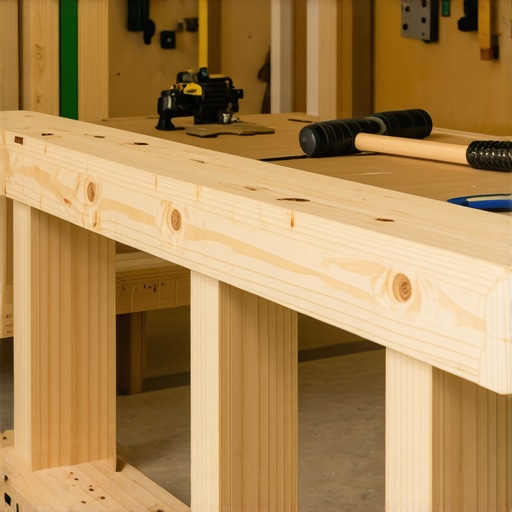
Picture this: I was midway through assembling a deck for my backyard when I realized that the support beams beneath my new outdoor furniture weren’t quite cutting it. The bench I envisioned—sturdy, inviting, and seamlessly integrated into the deck—was starting to wobble even before I finished tightening the screws. That lightbulb moment made me rethink the entire approach to supporting structures in outdoor furniture.
Why Proper Support Matters More Than You Think
When I first embarked on my deck project, I underestimated how crucial a well-built supporting structure really is. A sturdy bench isn’t just about good looks; it’s about ensuring safety, longevity, and comfort. Without proper support, you risk wobbling seats, uneven weight distribution, or even catastrophic failure over time, which can lead to costly repairs and unsafe conditions. An improperly supported bench can turn your relaxing corner into a liability faster than you can say “DIY disaster.”
Could a simple support improve your outdoor gathering space?
Early in my build, I made a rookie mistake—assuming that a few quick braces would hold up under regular use. That mistake taught me the hard way just how quickly a support system can fail without proper planning. Now, I focus on building supports that not only reinforce the structure but also blend seamlessly with the overall aesthetic. If you’ve faced similar frustrations or worries about your outdoor seating, stick around. I’ll walk you through the essentials of creating a support system that’s both robust and attractive.
To add a security layer, I also learned that choosing the right materials is key, especially with composite decking trending in 2025. Its resilience against weather and wear makes it an excellent choice, but only if paired with a solid support framework. For more insights on this, take a peek at composite decking trends.
Now, let’s dive into the practical steps to build a custom bench with the support it deserves—something that can truly stand the test of time and outdoor elements alike. Ready to create your own foundation of strength? Let’s get started.
,
Solid Foundations: Planning Your Support Structure
Start by assessing the weight and usage frequency of your bench. Visualize it like building a sturdy bridge: your supports must handle dynamic loads without wobbling. I once skipped detailed planning, rushing into attaching supports, only to find my bench wobbled after a few weeks. To avoid such pitfalls, sketch your design and select materials suited for outdoor conditions, like weather-resistant lumber or composite framing. Remember, supporting a heavy bench on uneven ground requires adjustable supports or shims to ensure stability from the outset.
Choosing the Right Materials for Longevity
Material choice is crucial. For example, pressure-treated wood offers durability but may warp over time, while composite supports provide low maintenance and weather resistance. I tested different materials on a small prototype, noticing that composites held shape better after exposure to rain and sun. Incorporate corrosion-resistant fasteners, such as stainless steel or coated screws, to prevent rust, which can compromise your support’s integrity. This combination guarantees your bench remains sturdy season after season.
Constructing the Frame
Gather Your Tools and Prepare Your Workspace
Gather a saw, drill, level, and measuring tape. Clear a flat area in your yard to work efficiently. I learned this the hard way when uneven ground caused delays, so allocating enough space is essential.
Build the Base and Legs
Cut your support beams to length, ensuring each piece is precisely measured. Use a level to confirm the base is perfectly flat, much like setting the foundation of a house. Secure the vertical supports to the base using corrosion-resistant fasteners, tightening them firmly to prevent wobbling. When attaching the legs, double-check with the level to keep everything aligned.
Securing Supports to the Deck
Use heavy-duty brackets or joist hangers tailored for outdoor use. These act like anchors, ensuring your supports remain firmly attached despite weather fluctuations. I once fixed supports with only screws, but over time, they loosened; switching to metal brackets drastically enhanced stability. For composite decks, ensure brackets are compatible to prevent cracking or deformation.
Reinforcing Joints and Adding Cross Supports
Strengthen critical joints with metal brackets or angled braces. Cross supports, like diagonal braces, distribute weight evenly and prevent sway. Think of them as the braces on a tent—essential to keep everything upright. When I added diagonal supports, the wobble disappeared, transforming my wobbly bench into a sturdy seating area.
Final Checks and Adjustments
Once assembled, walk around and test for wobble or unevenness. Use shims under supports if necessary, similar to leveling a wobbly table. Applying a protective coating or sealant will shield your supports from moisture and decay, extending their lifespan. Regular inspections ensure early detection of issues, keeping your outdoor furniture safe and reliable for years to come.
When it comes to outdoor spaces, many homeowners focus on the aesthetics—beautiful decking, stylish railings, and cozy seating. However, even experienced deck builders often overlook nuanced details that can make or break the safety, durability, and overall success of your project. One common myth is that following standard code requirements ensures perfect results, but in reality, the artistry lies in understanding the subtle nuances that differentiate a good build from a great one.
Are Your Stairs Designed for Real-Life Use? Think Beyond the Code
Many assume that adhering strictly to height and width standards guarantees safe stairs, but the truth is, small details like riser consistency and tread depth variations significantly impact comfort and safety. For example, inconsistent riser heights can cause trips, especially for children or elderly users, who might not notice minor discrepancies until it’s too late. A study by the American Society of Civil Engineers highlights that consistent riser heights reduce trip hazards and improve overall accessibility.
Moreover, the choice of stringer material and anchoring methods can be a hidden trap. Using cheap, untreated lumber or improper fasteners might save money upfront, but can lead to wobbling or even collapse over time. Reinforcing stringers with corrosion-resistant hardware and carefully scribing them to the staircase framing elevates safety and longevity.
Decking Trends often overlook support nuances
While composite decking has gained popularity for its low maintenance and aesthetic appeal, many overlook the critical support structure needed to prevent sagging or warping. According to the 2025 trends report, unsupported panels or inadequate spacing can cause premature wear, especially in regions with heavy rainfall or temperature fluctuations. It is a mistake to rely solely on manufacturer guidelines; understanding the specific support spacing and material compatibility is essential for long-term durability.
Additionally, installing hidden fasteners without considering expansion gaps can lead to buckling or squeaking over time. Regular inspections and maintaining proper gaps aren’t just maintenance tips—they’re vital for preventing costly repairs soon after installation.
Have you ever fallen into this trap? Let me know in the comments.
Advanced question: How can you optimize support placement for irregular terrains?
Navigating uneven ground requires precise calculations and adaptable support systems. Techniques such as adjustable pedestals and proper leveling shims can prevent stability issues. For detailed guidance on this advanced topic, check out this resource. It’s this attention to hidden nuances that transforms a DIY project into a lasting, safe outdoor masterpiece. Remember, the devil is in the details—so don’t let overlooked support features turn your beautiful outdoor space into a liability.
Maintaining a durable, attractive outdoor living area requires more than just initial construction skills; it hinges on having the right tools and knowing how to use them effectively. As a seasoned deck builder, I’ve honed a toolkit that’s tailored specifically for outdoor projects, ensuring longevity and ease of maintenance. These tools not only streamline the process but also help prevent common issues like warping, loose fasteners, and surface degradation over time.
The Essentials for Long-Term Maintenance
First, a high-quality cordless impact driver has become indispensable in my kit. Its power and versatility allow me to tighten fasteners securely, which is critical for maintaining stability, especially in composite decking where loose screws can lead to squeaks or even structural failure. I prefer models with brushless motors, such as the Makita XDT131, due to their durability and longer battery life, enabling me to work efficiently on larger projects without interruptions.
Pair it with a set of rust-resistant fasteners—stainless steel or coated screws—to combat weather-induced corrosion. Regularly inspecting and tightening these fasteners is part of my routine, and using a torque wrench ensures I don’t overtighten or under-tighten, which preserves the integrity of the deck structure. For smoothing surfaces and removing surface imperfections or old sealants, a quality orbital sander like the DeWalt DWE6421 helps keep surfaces clean and ready for maintenance treatments.
Why a Digital Moisure Meter Is a Game changer
Another tool that has improved my maintenance game is a digital moisture meter. It’s vital for assessing the moisture content in wood or composite supports, which directly affects their lifespan. Using this device, I can determine if certain areas need additional sealing or repairs before issues escalate. It’s a small investment that pays off by prolonging the life of your outdoor fixtures.
To keep the aesthetic appeal high, I also rely on a pressure washer with adjustable nozzles. Proper cleaning—not just an aesthetic choice but a preservation step—removes dirt and algae that can accelerate wear. I recommend models like the Karcher K5 Premium for their variable pressure control and ease of use.
Future Trends and How to Prepare
Looking ahead, I believe the integration of smart tools—like app-connected moisture sensors or automated cleaning devices—will revolutionize outdoor space maintenance. Staying updated with new technology ensures your outdoor features remain functional and beautiful for years to come. Investing in reliable, purpose-built equipment now can make future upkeep less laborious and more precise.
How do I maintain my outdoor structures over time?
Regular inspections using these tools help catch small issues before they become costly repairs. Sealants and protective coatings should be reapplied periodically, and cleaning schedules maintained. For composite decking, following manufacturer guidance—such as using specific cleaning agents and avoiding harsh chemicals—is essential to prevent surface damage. For detailed care routines, check out these maintenance tips.
For example, I regularly test my deck’s moisture levels and quickly identify areas needing sealant touch-ups or support reinforcement. This proactive approach extends the life of my outdoor furniture and structures, saving time and money in the long run. I highly recommend trying a moisture meter if you haven’t already—this small step can dramatically improve your maintenance strategy and ensure your outdoor haven remains safe and inviting for all seasons.
Lessons That Shifted My Deck Building Mindset
- I once rushed support placement without fully considering terrain nuances, which led to wobbling supports that took me weeks to fix. The lightbulb moment? Realizing that support placement on uneven ground isn’t just about measurements—they’re about strategic adjustments that save time and stress later.
- Choosing the right materials transformed my projects. I used to think pressure-treated lumber was enough, but discovering composite and weather-resistant fasteners made a huge difference in longevity, prompting me to invest in quality upfront rather than costly repairs down the line.
- I learned that small tweaks in joint reinforcement can massively increase stability. Metal brackets and diagonal braces are my best friends now, giving my outdoor support structures the resilience to withstand years of weather cycles without squeaks or wobbles.
- A detailed inspection routine, including moisture tests and support level checks, became my secret weapon for long-term durability. Regular maintenance isn’t just upkeep—it’s an investment in safety and peace of mind for years to come.
- Understanding the subtle differences between materials and fasteners empowered me to avoid common pitfalls like warping, rust, or structural failure, saving me both time and frustration. These lessons are invaluable for any deck builder aiming for results that last long beyond the initial build.
Gear Up: My Go-To Tools for Outdoor Support Success
- Makita XDT131 Impact Driver: Its power and battery life help me tighten fasteners securely, especially in composite supports, preventing those pesky loose boards.
- Stainless Steel Fasteners: Rust-resistant screws and anchors are non-negotiable for longevity, resisting corrosion that can compromise structural integrity over time.
- Digital Moisture Meter: This device keeps my supports in check by detecting moisture buildup early, avoiding decay and supporting long-term performance.
- Pressure Washer: Regular cleaning with equipment like the Karcher K5 Premium preserves materials, prevents mold, and keeps the project looking sharp season after season.
Step Into a Future of Stronger Supports
Building durable outdoor structures isn’t just about following a plan; it’s about mastering the details that ensure safety, longevity, and aesthetic appeal. Staying updated with the latest techniques, tools, and materials—like those discussed in composite decking trends—allows you to create outdoor spaces that truly stand the test of time. Remember, the real magic lies in the unseen nuances, from support placement on slopes to choosing materials that endure harsh weather. Elevate your outdoor projects by prioritizing these hidden support features, and watch as your backyard transforms into a safe, beautiful retreat that lasts for decades. Have you ever struggled with uneven terrain support? Let’s hear your stories below.