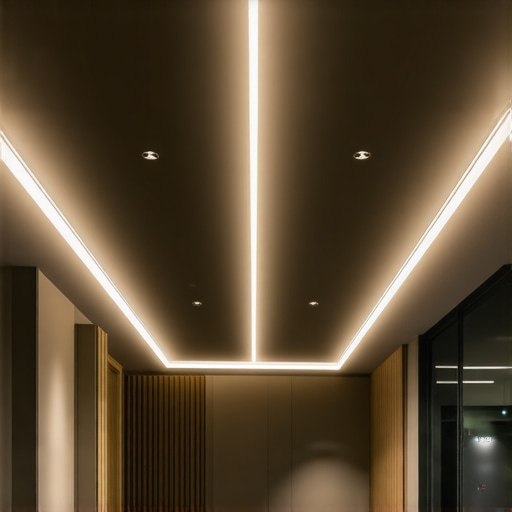
Walking out to my deck one evening, I was greeted not by the warm glow I’d envisioned but by shadows cast by the absence of proper lighting. The string lights looked charming from afar, but close up? They didn’t quite create the inviting ambiance I wanted. I realized I’d overlooked an entire lighting layer that could elevate the entire outdoor space: under-joist lighting. That was my lightbulb moment.
Why Under-Joist Lighting Is the Game-Changer for Outdoor Living
In my experience, a beautifully designed deck isn’t just about the surface—you need layers of lighting to truly transform it into a welcoming, cozy oasis. Under-joist lighting offers a modern, subtle glow that enhances safety and style without overpowering the space. It’s especially effective for composite decking, which can sometimes feel flat or overly uniform when lit only by overhead fixtures or string lights.
The best part? Installing under-joist lighting is more straightforward than most assume. When done right, it can highlight architectural details, make your steps safer at night, and create a warm atmosphere for evening gatherings.
According to a recent study by the National Association of Home Builders, outdoor lighting is a top feature homeowners are adding to extend their living seasons and increase safety—a trend that’s only gaining momentum. But, I’ll admit, I made a crucial mistake early on: I skimped on proper wiring techniques, which led to flickering lights and a frustrating early failure. Trust me, paying attention to the details makes all the difference.
So, are you tired of stumbling in the dark or feeling your deck lacks that ‘wow’ factor after sunset? If so, read on. I’ll walk you through every step to master under-joist lighting, creating a stunning glow that’s practical and aesthetically pleasing. Ready to turn your backyard into a lit masterpiece? Let’s dive into the how-to.
Prepare Your Materials and Tools
Gather LED strip lights, waterproof connectors, a drill, screws, wire strippers, and a power supply. I once started without the right connectors and ended up redoing the wiring, which cost me time. Ensure all components are rated for outdoor use to withstand weather conditions. Ensure safety by turning off the main power before beginning any wiring work.
Plan Your Lighting Layout
Decide where to install the lights—most opt for evenly spaced LED strips along the underside of each joist to create a uniform glow. Use a measuring tape to mark positions accurately. I once miscalculated, resulting in uneven spacing that looked sloppy until I adjusted the positions and secured the strips tightly.
Prepare and Mark the Installation Points
Mark the spots where you’ll attach the lights, considering the width of your joists and ensuring the wiring can run to a central power source. Drill small holes if necessary to run wires through or along the joists. I recommend pre-drilling to avoid splitting or damaging the wood or composite material, especially if you’re working with maintenance-free composite decking that requires careful handling.
Attach the LED Strips
Secure the LED strips to the underside of each joist using waterproof clips or adhesive backing; make sure they’re flush and level to avoid shadows. Use the drill to fasten clips securely, avoiding overtightening that could damage the strips. Once I double-checked the alignment visually, it created a sleek, professional look, significantly elevating my deck’s ambiance.
Connect Wiring and Test
Connect the strips using waterproof connectors, ensuring polarity is correct—red or positive to positive, black or negative to negative. Run the wiring along the joists, securing with zip ties or clips, and connect to the power supply. Turn on the power to verify all lights function correctly before finalizing fastening. A quick test revealed a loose connection I needed to tighten, saving me from troubleshooting later at night.
Seal and Conceal Wires
Use weatherproof junction boxes and run wiring through the joists to keep everything protected and hidden, enhancing safety and aesthetics. For a cleaner look, bury long runs under decking or behind trim boards. I learned that neat wiring not only looks better but also prevents tripping hazards and hardware damage over time.
Double-Check and Finalize
Inspect all connections, ensure waterproofing is intact, and test the lighting again. Adjust the angles or positioning if necessary to maximize the glow and avoid hotspots. When I completed my setup, the deck looked transformed, with a warm, inviting glow that changed the entire outdoor experience.
Many homeowners believe that selecting the right materials like composite decking automatically guarantees a perfect outdoor space, but in my experience, the devil is in the details. One widespread myth is that all composite decks are equally resistant to warping and fading—that’s simply not true. Research from the Composite Panel Association highlights that mineral-core composites, for example, tend to outperform traditional PVC or capped-polymer boards in extreme weather conditions, but only if installed correctly. A common mistake I see is ignoring proper ventilation in deck framing, which leads to trapped heat and moisture, accelerating warping, especially in high-humidity climates. This nuance underscores the importance of sufficient venting, a secret many overlook and which significantly extends your deck’s lifespan.
Another misconception surrounds stairs in outdoor decks. Folks often think standard stringers suffice, but advanced builders know that the type of support significantly affects safety and longevity. Overlooking proper support brackets or using weak fasteners can cause stair wobbling or even collapse over time. For example, steel brackets are gaining popularity for their durability and strength, especially in coastal areas with salty air, which can corrode traditional wood or aluminum supports. A misstep here is using inadequate attachment methods, which common DIYers might not realize can void warranties or lead to costly repairs.
Let’s talk about the nuances most miss.
How does the framing substructure impact outdoor living space quality?
It’s not just about material choice but also about the framing design. Proper joist spacing, venting, and support structure can make all the difference in creating a safe, comfortable environment that withstands the test of time. For instance, a study by the University of Virginia emphasizes that correctly spaced joists and hidden venting channels improve airflow beneath the deck, helping to prevent mold and rot, especially under composite decking where moisture often gets trapped.
Now, you might wonder, how do I avoid these pitfalls? First, partnering with a knowledgeable deck builder is crucial, as they understand the detailed nuances that can make or break your outdoor project’s success. Additionally, exploring comprehensive guides on creating seamless transitions and selecting the right composite decking can empower you to make informed decisions.
In summary, while material selection is vital, paying attention to structural details, ventilation, and support systems is what truly ensures your outdoor living remains stunning and durable over the years. Don’t fall for oversimplified advice or myths, and consider these advanced nuances next time you’re planning your deck. And remember, partnering with professional experts can help you avoid costly mistakes. Have you ever fallen into this trap? Let me know in the comments.Ensuring your deck, stairs, and outdoor living elements stay stunning and durable over time requires the right maintenance tools and methods. I rely heavily on a few specialized items that not only save me time but also guarantee professional results. One of my most trusted tools is the cordless oscillating multi-tool. Its versatility allows me to sand, scrape, or cut in tight corners—perfect for detailed maintenance on composite decking and stair supports. For cleaning, I prefer a high-quality pressure washer with adjustable nozzles, which eases dirt removal without risking damage to the composite surface. Moreover, I use an orbital sander fitted with fine-grit pads to restore slight weathering or scuff marks, especially on high-traffic areas. When it comes to sealing or re-coating, I recommend a high-grade sprayer with even flow control; it ensures a smooth, consistent application across large surfaces like decks or stairs, which is crucial in maintaining your warranty. Software tools such as SketchUp prove invaluable for planning and visualizing future upgrades or extensions, especially when considering adding new features or scaling existing setups. Predicting future trends, I believe that integrating IoT sensors into outdoor lighting and support structures will become increasingly common, enabling homeowners to monitor their deck’s health proactively.
How do I maintain my outdoor decks and stairs over time?
Regular inspections are fundamental—look for loose fasteners, signs of material wear, or weather-related damage. Employing a magnetic pick-up tool helps retrieve fallen screws or fasteners during these checks, preventing them from becoming hazards. Reapplying protective coatings every few years with the right sprayer can extend your deck’s lifespan significantly. I’ve found that scheduling seasonal maintenance sessions—early spring and late fall—allows you to address issues promptly, maintaining safety and aesthetic appeal. Remember that composite decks, thanks to their water-resistant cores, require less frequent sealing but still benefit from anti-mildew treatments applied with a pump sprayer. Using the correct maintenance techniques and tools not only preserves your outdoor investment but also enhances safety and enjoyment for years to come. Want to make your deck truly stand out? Try incorporating an under-joist lighting system, which, with the right wiring tools and waterproof connectors, can create a mesmerizing ambiance for evening gatherings. For detailed guidance on this, check out our comprehensive guide. Proper maintenance ensures your outdoor space remains a marvel, weatherproofed against future challenges and ready for entertaining.
What I Didn’t Expect to Learn About Outdoor Living Success
One of the biggest surprises was realizing how crucial proper ventilation is for long-lasting decks; rushing through framing often leads to warping and premature aging, a mistake I made early on. Another lightbulb moment was discovering that supporting stair supports with steel brackets in coastal areas can dramatically increase durability, challenging my assumptions about traditional materials. Perhaps most illuminating was understanding how finely tuned wiring and weatherproof connectors in under-joist lighting systems can make your outdoor ambiance truly breathtaking, yet require meticulous attention to detail—something I learned the hard way. These lessons taught me that the devil truly is in the details, and that patience and precision elevate a good deck to a stunning outdoor sanctuary.
My Arsenal for Building and Maintaining Outdoor Spaces
For anyone serious about creating memorable outdoor environments, I highly recommend tools like the cordless oscillating multi-tool for precise cuts and scraping, especially on composite surfaces. A high-quality, adjustable-pressure washer has become indispensable for keeping my decks spotless without damage. For applying protective coatings evenly across large surfaces, I trust my professional-grade sprayer, which ensures flawless finishes and preserves warranty conditions. Additionally, planning with SketchUp has revolutionized my approach to design, allowing me to visualize upgrades and troubleshoot issues before construction begins. These tools empower DIY enthusiasts and professionals alike to achieve results that stand the test of time and style.
Seize the Moment—Transform Your Outdoor Space Today
The journey to a stunning deck that’s both functional and visually captivating begins with understanding the nuanced details that most overlook. Whether you’re installing under-joist lighting or reinforcing stairs against the salty breeze, every choice counts. Don’t wait for issues to arise—take proactive steps now to elevate your outdoor living experience. Dive into the process with confidence, and let your backyard become the personalized oasis it deserves to be. Remember, a well-built deck isn’t just an addition to your home; it’s a space where memories are made and moments cherished. Are you ready to start turning your outdoor dream into reality? Share your plans or questions—I’d love to hear your story.
Comments are closed.