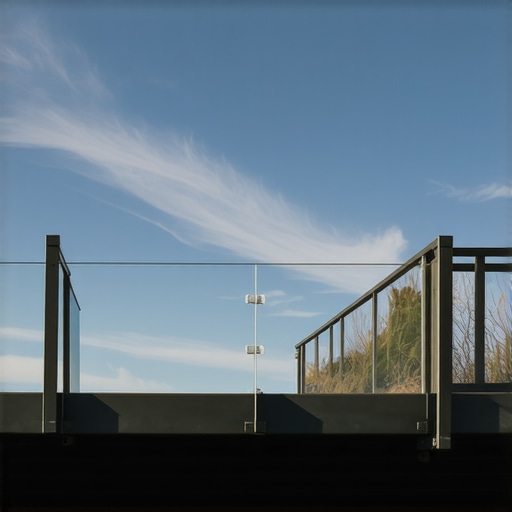
I’ll never forget the day I watched my outdoor deck sway wildly in a biting wind, handful of loose papers fluttering past, and a sudden realization hit me—I needed to rethink my railing choices. It was that gusty afternoon when I truly understood how critical material selection is for decks in windy areas. If you’ve ever had a similar experience—feeling unsure whether aluminum or glass railings stand up better against relentless wind—you know what a challenge it can be to make the right call. Today, I promise to share my personal journey and guide you through a practical comparison that will help you choose the best railing material for those gusty days.
Battle of the Materials: Aluminum vs. Glass in Windy Conditions
Living in a region with strong, persistent winds means your outdoor space needs to be both safe and durable. I recall my early days of remodeling, obsessively researching different railing options, and making costly mistakes—I bought what seemed fashionable without considering wind resistance. That mistake reminded me how vital it is to understand the real-world performance of materials. By sharing my insights, I hope to save you from the same pitfalls and help you create a deck that withstands nature’s fury. We’ll peel back the layers of these materials’ strengths and weaknesses, exploring their behavior under windy conditions, so you can feel confident in your decision. Curious about how to turn your outdoor space into a resilient oasis? Check out innovative ideas for composite decking [here](https://deckdesignbuild.com/innovative-outdoor-living-ideas-with-composite-decking-in-2025).
Is the Hype About Glass and Aluminum Justified in Windy Zones?
One thing I learned early on was that not all materials are created equal, especially when exposed to the elements. For example, I initially believed that glass would always be the sleek, wind-proof option—but I soon discovered that poorly installed glass panels could shatter under extreme gusts, a mistake I made myself by overlooking proper mounting techniques. Conversely, aluminum railings are lightweight yet sturdy, resisting corrosion and often lasting longer in harsh climates. It’s tempting to pick the more stylish, but durability and safety must take precedence. For an in-depth look into designing your perfect outdoor space, my go-to guide is available [here](https://deckdesignbuild.com/deck-builder-insights-designing-your-dream-outdoor-space).
This personal experience has underscored the importance of making informed material choices—especially when the wind howls relentlessly. Now, let’s explore some practical insights and tricks that can help you navigate this decision confidently, beginning with understanding how each material performs in our blustery conditions.
Secure Your Posts Properly to Withstand Gusts
Start by choosing appropriate anchor points for your posts—concrete footings are ideal. Dig holes at least 12 inches deep, fill them with concrete, and insert the posts while the concrete is wet, ensuring they are plumb using a level. I once held a post with bricks while waiting for the concrete to set—an uneven base almost caused the post to wobble, highlighting the importance of stable foundations. Once dry, attach your railing using stainless steel fasteners for corrosion resistance and added strength, especially near the coast. Remember, a sturdy connection here prevents the entire structure from twisting or pulling loose in high winds.
Strengthen with Proper Brackets and Fasteners
Use metal brackets for each post-to-footing connection. Pre-drill holes with a bit slightly larger than your fasteners to prevent wood from splitting. My experience with cheap fasteners led to some wobbliness during a sudden storm—so I replaced them with quality stainless steel screws, which held firm through multiple gusts. When installing railing panels, opt for hidden fasteners to avoid catching wind and creating leverage that can loosen panels over time. Regularly inspect these connections—missing or loose fasteners are weak links during storms.
Choose the Right Materials to Cut Wind Yield
Materials like aluminum are lightweight but resist corrosion, making them reliable in windy, salty environments. My deck’s aluminum rails have been shining despite years of stormy weather—unlike the glass panels I considered, which, without proper mounting and tempered glass, shattered during a particularly strong gust. When selecting panels or infill materials, opt for tempered, laminated glass designed for high wind zones, and ensure proper installation. For design ideas that combine durability with style, check out composite decking ideas.
Install Reinforcements and Windbreaks
Adding horizontal or vertical braces between posts creates a stiff, wind-resistant frame. I used metal straps to connect the posts to each other, which reduced movement significantly. Consider planting landscaping elements like dense shrubs or screens to act as windbreaks—these natural barriers divert strong gusts and protect your railing system. Keep in mind, integrating these features not only boosts safety but also enhances visual privacy. For expert tips on designing your deck with safety and style, see deck builder insights.
Maintain Your Deck Regularly for Wind Resistance
Inspect your railing connections after storms and tighten any loose screws promptly. Reapply corrosion-resistant coatings on metal parts annually to prevent rust weakening the structure. My deck’s stability improved noticeably after I added a protective sealant to the aluminum and replaced worn fasteners—this preventive maintenance is key. Also, trim overhanging branches that could become projectiles in high winds. Consistent upkeep keeps your deck resilient and safe, even when nature turns aggressive.
Many outdoor enthusiasts and homeowners assume that selecting popular materials or following common advice guarantees durability and style. However, I’ve found that understanding subtle nuances can significantly influence the longevity and safety of your deck. For instance, a frequent mistake is oversimplifying the benefits of composite decking without considering its hidden pitfalls, such as improper gap spacing leading to moisture buildup and mold growth. According to the University of California Cooperative Extension, inadequate ventilation and sealing can drastically reduce composite deck lifespan. When planning or working with a deck builder, it’s crucial to look beyond the surface and delve into these details to avoid costly repairs later.
An often-overlooked aspect is the installation of stairs, which can compromise safety if not executed with precision. Many assume that standard stringer spacing suffices, but I’ve seen cases where improper measurements led to creaky, unstable steps, posing safety risks. The secret lies in meticulous framing and consistent riser height, ensuring a smooth, safe ascent and descent. For advanced tips, check out this guide on stair integration.
Another misconception surrounds the choice of fasteners and anchoring systems. Many opt for cheap nails or screws, not realizing that corrosion or expansion can cause structure failure over time—especially in coastal or humid environments. My experience shows that stainless steel fasteners, despite the higher initial cost, prevent rust and maintain structural integrity, reinforcing your deck’s resilience. For a detailed explanation, see this expert article.
When it comes to composite decking, some believe that color and texture are the only considerations. But advanced users know that beneath the surface, the composition of the core and the type of polymer coating can influence resistance to UV degradation and temperature fluctuations. Choosing the right combination not only preserves appearance but also reduces maintenance. Curious about modern trends? Explore future-oriented composite ideas for more insights.
A common trap in outdoor building projects is underestimating wind and weather impacts. Many disregard the importance of reinforced post anchors and weatherproof seals, leading to wobbling or water intrusion. Properly sealing all joints and using geared anchors compatible with local climate conditions vastly improves durability. Regular inspections and maintenance also play a vital role. Want to learn more about building resilient decks? Visit this expert tips page.
Finally, working with a professional deck builder is not just about assembling materials but about understanding these nuanced factors that influence performance over decades. Early investment in quality, expertise, and detailed planning can save you from the costly repercussions of overlooked details. Remember, the right choices today lead to lasting outdoor spaces tomorrow. Have you ever fallen into this trap? Let me know in the comments.Maintaining your outdoor deck and associated features like stairs and composite decking is essential to ensure long-term durability and safety. Personally, I rely on a set of specialized tools and methods that have proven their worth over years of hands-on experience. One indispensable tool I recommend is a digital moisture meter. This device helps me detect hidden moisture accumulation beneath the surface, preventing issues like rot and mold before they become visible concerns. I use the Extech MO290, which provides accurate readings quickly and easily, allowing me to schedule targeted maintenance rather than reactive repairs.
For cleaning and sealing, I prefer a high-pressure washer equipped with a variable nozzle. This allows me to remove accumulated dirt, algae, and old sealant without damaging the material. A crucial tip is to keep the pressure below 1500 psi for composite decks to prevent surface deterioration. After cleaning, I apply a quality UV-resistant sealant specifically designed for composite surfaces, such as Covestro’s DeckSeal. Proper sealing not only maintains the aesthetic appeal but also extends the life of the deck by protecting it from UV breakdown and moisture ingress.
I also swear by a cordless drill with a set of stainless steel fasteners for ongoing minor repairs. Fastening and re-tightening loose railing screws or replacing worn bolts are simple tasks that, when done promptly, prevent larger structural issues. For aesthetically seamless results, I opt for hidden fastening systems like the Simpson Strong-Tie TrestleLoc clips, which ensure a smooth surface and reduce wind catching points, especially important in blustery zones.
Looking ahead, I believe the trend in outdoor maintenance leans toward smart technology integration. Future developments could see the rise of IoT-connected moisture sensors and automatic cleaning systems, making upkeep even more efficient.
**How do I keep my decks functioning over time?** The key lies in regular inspections coupled with proactive maintenance. Scheduling seasonal checks—after winter storms or heavy winds—ensures that any loose fasteners are tightened, and surface conditions are examined. Paying close attention to areas prone to water pooling or wear, like stair treads and joints, can prevent costly repairs down the line. For comprehensive guidance on designing outdoor spaces that last, visit our expert deck builder tips.
If you’re eager to optimize your maintenance routine, I suggest trying the moisture meter method first. It might seem simple, but catching early signs of moisture intrusion can save you hundreds in repairs and extend your deck’s lifespan significantly. Remember, consistency is your best tool—regularly inspecting and maintaining your outdoor features ensures they will serve you well for decades to come.
Few Surprising Truths About Building in Windy Spots
One lightbulb moment I had is realizing that not all high-end materials perform equally in harsh conditions. I once believed that glass panels, with their sleek appearance, would be the ultimate windproof choice—until a fierce gust shattered some improperly mounted ones. This taught me that proper installation and selecting tempered, laminated glass are paramount. Additionally, I underestimated how much reinforcement is necessary; a couple of metal braces between posts can drastically reduce movement, making your deck feel as sturdy as it looks. Finally, I learned that natural windbreaks—like dense shrubbery—are an underrated asset in protecting your deck from relentless gusts and extending the lifespan of your railing system.