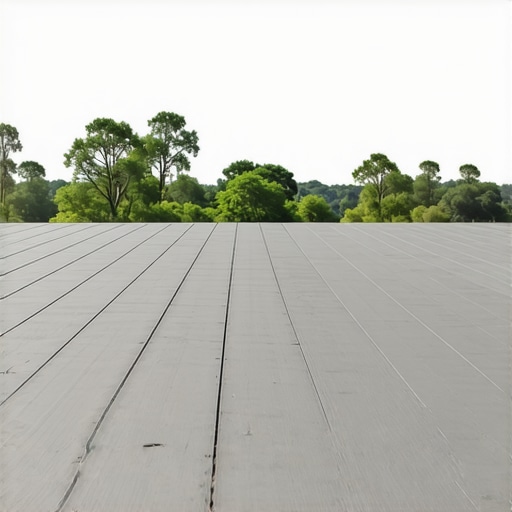
Ever spent a sunny weekend scrubbing dust and dirt off your beautiful deck, only to find it looks just as bad a week later? I know that feeling all too well. One summer, after inviting friends over and admiring my freshly cleaned outdoor space, I realized the dust and dirt seemed to settle again almost instantly. It was like chasing a ghost—no matter how much I mopped or swept, the grime kept coming back, making my deck look perpetually unkempt. That lightbulb moment made me question: Is there a smarter way to keep my deck looking fresh without endless cleaning?
Why Your Deck Color Could Be Your Secret Weapon Against Dust and Dirt
Choosing the right deck color isn’t just about aesthetics; it plays a crucial role in how much dust and debris show up over time. Light-colored decks might seem appealing, but they tend to highlight every speck of dust, mud, and even pollen, turning your outdoor oasis into a constant cleaning zone. Conversely, darker shades can conceal these tiny particles better, reducing the visible dirt and giving your space a consistently tidy appearance. But, it’s not just about dark versus light—what matters most is selecting a hue that hides grime without sacrificing style. This decision can save you hours of maintenance and keep your deck looking inviting longer.
Is It Really Worth the Hype? My Honest Take on Color and Maintenance
Now, I admit, I made the mistake early on of picking a bright, airy color because I loved how it brightened my space. But that choice came with a hidden cost. Every speck of dust or leaf damage was glaringly obvious, and I found myself sweeping more often than I cared to admit. I learned that darker tones hide common outdoor debris better, making my cleaning routine less of a chore. If you’re hesitant to dive into color choices, consider how your environment and cleaning habits will interact with your deck’s hue. Want to avoid my mistake? Check out this guide on composite decking for durable, low-maintenance options that work hand-in-hand with your color preferences.
So, if you’re tired of fighting dust and wondering if a smarter color choice can help, you’re in the right place. Let’s explore how you can pick the perfect hue that keeps your outdoor space looking fresh with less effort. Ready to discover the secret to a low-maintenance, dust-resistant deck? Keep reading, because I’ve learned some game-changing tips that I can’t wait to share with you.
Pick the Right Color to Conceal Dirt and Debris
Start by selecting a darker hue for your deck, which naturally hides dust, pollen, and mud. When I built my new deck last summer, I chose a deep charcoal composite finish. During my first month of use, I noticed a significant reduction in visible dirt compared to my previous light-colored deck. This simple color shift saved me hours each month scrubbing away grime that was once glaringly obvious. To ensure durability, explore options like composite decking materials that come in darker shades and require minimal upkeep.
Thoroughly Prepare Your Surface Before Installation
Proper surface prep is vital. I removed all old debris and washed the area thoroughly with a deck cleaner. Using a stiff-bristled broom, I removed loose dirt and leaves, then rinsed with a garden hose. This process prevents dirt from settling into crevices and prolongs the cleanliness of the deck surface. For detailed guidance on building a lasting deck, visit professional deck builder insights.
Implement Regular, Targeted Cleaning Routines
Establish a maintenance schedule. I sweep my deck weekly with a microfiber broom, focusing on edges and corners where debris tends to accumulate. For stubborn stains or embedded dirt, I use a soft-bristled brush with a mild cleaning solution. This routine prevents dust from settling and minimizes heavy cleaning sessions later. To ease your cleaning jobs, consider installing stair and transition features that facilitate easier access to all deck areas.
Protect Your Deck with a Slip-On Barrier
Applying a protective sealant or water-repellent coating creates a barrier against dust adhesion and moisture. I chose a breathable sealant that allowed my deck to dry quickly after rain, further reducing dirt buildup. Reapplying this every year or two keeps the surface clean and prevents grime from embedding deeper. For more insights into durable finishes, see custom composite finishing options.
Choose Maintenance-Friendly Composite Materials
Opt for composite decking designed for low-maintenance outdoor use. These materials resist staining, fading, and mold, making cleaning easier and less frequent. When I decided to replace my wooden planks, I investigated latest composite trends to select the most durable, dirt-resistant options. The upfront investment paid off with a deck that stays cleaner for longer and requires only periodic sweeping.
Enhance Aesthetics with Strategic Stairs and Transitions
Incorporate stairs and transitions that complement your deck’s color and style to create a cohesive look. Properly designed, they not only serve practical purposes but also minimize dirt collection points. For instance, a seamlessly integrated stair design, as detailed in this guide, reduces crevices where debris can settle, keeping the overall space tidier.
Maintain Surrounding Vegetation and Debris Control
Regularly trim nearby plants and clean gutters to prevent organic debris from falling onto your deck. During my last landscaping project, I installed a small shrub bed with a mulch barrier to block pollen and fallen leaves. This proactive approach reduced dirt accumulation and made my cleaning routine even more straightforward. For outdoor design ideas that maximize space and functionality, explore space-maximizing deck and stair ideas.
Utilize Protective Coverings and Shade Structures
Adding pergolas, awnings, or shade sails shields your deck from environmental elements that bring dirt and moisture. In my setup, a retractable awning kept my deck dryer and cleaner, cutting down on dirt sticking to the surface. Such investments reduce maintenance and preserve the aesthetic appeal of your outdoor space. To learn about innovative outdoor living ideas, visit this resource.
When it comes to designing outdoor spaces, many homeowners fall into common traps that compromise both safety and aesthetics. A frequent misconception is that choosing the most economical stair design or decking material is always the best route. In reality, rushing into a cheap fix can lead to costly repairs down the line, especially if you overlook critical nuances in construction quality or material compatibility. For example, many assume that standard fasteners are sufficient for all decking applications, but for salt-exposed coastal areas, stainless steel fasteners or specially coated screws are essential to prevent rust and ensure longevity—see the expert insights on fastener durability.
Is Your Stairs Design Sabotaging Your Safety and Style?
One of the most overlooked issues is stair stringer placement and tread depth, which directly impacts safety. Too narrow treads or inconsistent riser heights create tripping hazards, especially for elderly users or children. Many skip professional guidance, opting for DIY solutions that seem simple but neglect building codes or ergonomic principles. For instance, a common mistake is installing stair treads that are too shallow, increasing the risk of slips and falls—this comprehensive guide highlights the optimal dimensions. Moreover, integrating stylish yet compliant handrails is crucial; some homeowners prioritize looks over safety, but handrails should be graspable and positioned at the right height, as explained in this resource. Neglecting these details can turn a beautiful outdoor feature into a liability, and it’s definitely an area where expertise pays off.
Another myth is that all composite decking is maintenance-free, but the reality is that low-quality materials can warp, fade, or become slippery if not installed properly or if the right product isn’t chosen. Exploring advanced composite options aligned with your climate—like decking designed for high UV exposure or salt spray—ensures durability and reduces costly replacements. Check out the latest composite trends for more insights.
Developing a keen understanding of these nuances can save you money, time, and potential hazards. Remember, a well-built outdoor space isn’t just about looks; it’s about safety, durability, and smart investment. Have you ever fallen into this trap? Let me know in the comments.
How do I keep my outdoor decking systems functioning smoothly over time?
Maintaining a high-quality outdoor deck requires the right set of tools and a strategic approach. Personally, I rely heavily on a combination of specialized power equipment and digital management tools to ensure my decks stay in prime condition. A cordless power drill with variable speed settings is indispensable when installing or replacing fasteners, especially for composite decking, which demands precise torque to prevent board warping. I prefer models like the Makita XDT14, because they offer smooth operation and battery longevity, reducing downtime during maintenance tasks.
To keep track of ongoing care, I utilize project management software such as Trello or Asana. These platforms help me schedule routine inspections, cleaning, and sealing applications—vital for long-term durability. Setting reminders for re-sealing or replacing fasteners ensures that maintenance becomes a proactive, rather than reactive, process. Choosing the right composite decking is fundamental to reducing long-term upkeep, and I recommend selecting low-maintenance materials with proven durability, especially in harsh climates.
What tools are best suited for deep cleaning and repairs?
A high-pressure washer with adjustable nozzles allows for efficient removal of dirt and old sealants without damaging the surface—just make sure to stay within the recommended PSI for composite materials to avoid surface damage. For repairing loose or damaged boards, a pneumatic nail gun with corrosion-resistant nails speeds up the process and ensures a secure fit in all weather conditions. Personally, I favor the Bostitch N79S, which provides consistent firing and jam-free operation, making repairs less frustrating.
Additionally, having a quality caulking gun is essential for sealing gaps and cracks before they worsen. I keep a tube of high-grade exterior-grade sealant such as Sikaflex 715, which adheres well to composite and wood, preventing water intrusion that leads to rot or warping. Regular inspections combined with these tools keep my decks functioning safely and looking great.
Looking ahead, I believe the trend in outdoor maintenance tools will shift towards smart technology integration. Software that syncs with IoT devices can monitor moisture levels, UV exposure, and even suggest maintenance actions automatically, making seasonal upkeep more precise and less laborious. Trying out a digital moisture meter, like the Protimeter MMS2, can help you assess your deck’s health without invasive procedures—definitely a wise move as standard maintenance evolves.
To get started, I highly recommend implementing a scheduled cleaning routine using a soft-bristle scrub brush coupled with a nozzle on your pressure washer at the right PSI. This basic step can significantly extend your deck’s lifespan and keep cleaning manageable. Remember, quick and consistent maintenance is the best investment in your outdoor living space. Want to elevate your outdoor project? Explore expert deck builder tips for tailored solutions that combine durability and style.
Lessons Hidden in My Decking Journey
- One unexpected revelation was that choosing darker hues for my deck significantly reduced the visibility of dust and debris, saving me countless cleaning hours. It taught me that aesthetics and practicality can go hand-in-hand when making design choices.
- I learned the hard way that proper surface preparation before installation is crucial. Skipping thorough cleaning and sealing led to faster grime buildup, highlighting that a solid foundation is the key to long-term maintenance ease.
- Investing in low-maintenance composite materials and quality fasteners paid dividends, emphasizing that upfront savings often lead to greater costs over time if overlooked.
- Incorporating strategic shade structures and surrounding vegetation management boosted my deck’s resistance to dirt accumulation, showing that environmental factors play a significant role in outdoor upkeep.
- Regular, targeted cleaning routines, combined with protective sealants, created a powerful synergy that kept my deck looking fresh longer, proving that consistency is the secret sauce.
My Go-To Resources for Decking Wisdom
- Composite decking materials guide: I trust this resource because it offers unbiased reviews and real-world testing results, helping me select durable, low-maintenance options that fit my climate and style.
- Professional deck builder insights: This source provides expert advice on surface prep and construction nuances, saving me from costly mistakes and ensuring my deck’s longevity.
- Latest decking trends for 2025: Staying ahead of trends keeps my outdoor space modern and functional. I rely on this guide for innovative ideas and materials that stand the test of time.
- Maintenance strategies for composite decks: Practical tips and scheduling tools from this resource keep my routine manageable and my deck in top shape year-round.
Create Your Outdoor Escape Now
Building a dust-resistant, low-maintenance outdoor deck isn’t just an improvement—it’s a transformation. Take these insights, adapt them to your space, and watch your outdoor living become more enjoyable and less labor-intensive. Remember, the journey to an effortless, gorgeous deck begins with a single step—and I believe you’re more than capable of making it a reality. Your dream outdoor space is waiting! What challenges have you faced with deck maintenance, and what’s holding you back from trying new strategies? Share your thoughts below and let’s grow together in creating lasting outdoor beauty.
.