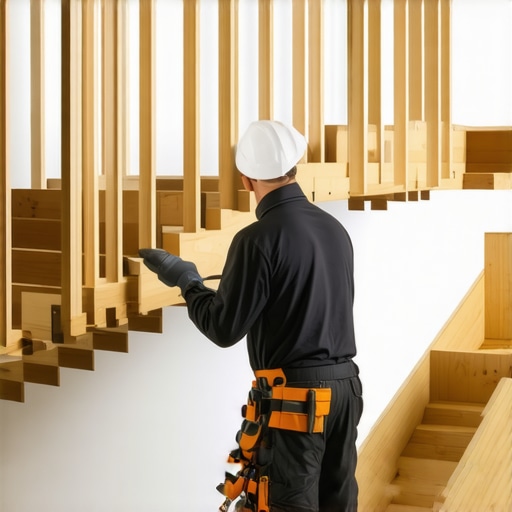
It was a chilly Saturday when I finally realized that my outdoor stairs, which had been nagging me with creaks and wobbles for years, were not only annoying but also potentially dangerous. Each step groaned underfoot like an old ship trying to stay afloat. Frustration mixed with a little fear—I knew this wasn’t just about comfort but safety too. I had to find a solution, fast.
The Lightbulb Moment That Changed Everything
After several failed attempts involving all kinds of DIY fixes, I stumbled upon a technique that promised to make my stairs solid as a rock—and silent. It wasn’t about buying more screws or trying to shim every gap endlessly. Instead, I learned that a properly engineered heavy-duty stringer setup could eliminate creaks and wobbling permanently. And let me tell you, when I first installed it, the difference was like night and day.
Have you ever faced this problem with your outdoor stairs? The annoying squeaks? The instability that makes you hesitant to use them? Well, you’re not alone. Many outdoor living enthusiasts overlook the importance of a robust stringer setup, leading to years of frustration.
Is Overengineering Always Better? My Early Mistake
Honestly, my first mistake was underestimating the importance of proper framing. I tried to save time and money by cutting corners—using thinner materials and ignoring the load specifications. That’s a common rookie move, and it nearly cost me peace of mind. Early on, I didn’t realize that investing in a solid, heavy-duty setup, like those recommended in professional decks, would save me so much trouble later. For more insights on durable outdoor stair designs, check out this resource.
Ensuring your stairs are built with the right stringers isn’t just about preventing noise; it’s a safety upgrade that pays off long-term. So, in the next sections, I’ll walk you through the practical steps to create a heavy-duty stringer system that guarantees your outdoor stairs stay sturdy and silent, no matter the weather or foot traffic. Let’s get started, shall we?”}read more about innovative outdoor living ideas at https://deckdesignbuild.com/innovative-outdoor-living-ideas-with-composite-decking-in-2025.
Preparing the Foundation for Heavy-Duty Stringers
Start by assessing your existing foundation. Remove any loose debris and level the ground where the stairs will sit. Use a laser level or a long spirit level to ensure a perfectly flat surface, which is crucial for structural stability. Excavate soft spots to prevent shifting later. For added durability, pour a concrete pad or lay a compacted gravel base. When I did this last summer, I used a hand tamper to compress the gravel thoroughly, which prevented any sinking or wobbling of the final structure. Proper preparation creates a solid base that will withstand weather and foot traffic, much like the concrete bases used by professional outdoor designers.
Installing Heavy-Duty Stringers Correctly
Next, cut your stringers from pressure-treated or composite lumber rated for load-bearing use—typically 2x12s designed for outdoor use. Use a framing square to mark the cut lines, and double-check measurements for each stringer. When installing, secure the stringers to concrete footings or pads with heavy-duty angle brackets and high-strength anchors. The key is to use three or even four attachment points per stringer at the top and bottom, ensuring they don’t wobble under pressure. I once installed a set of stringers on a sloped concrete surface, and by anchoring each with galvanized steel brackets, I eliminated any sway—making the stairs feel as solid as a staircase in a public park. Think of this as anchoring a ship to prevent it from drifting—robust connections are non-negotiable.
Ensuring Stability Through Proper Framing
After attaching the stringers, install continuous support beams or joists at the top and bottom of the stairs, using heavy-duty fasteners. Make sure the framing is level and squared before proceeding. Use a carpenter’s level along the length of each stringer, and shim if necessary, to keep everything perfectly aligned. In my own project, I used a self-leveling laser to verify the entire frame was perfectly horizontal, which helped prevent future wobbling. When framing, incorporate cross-bracing or diagonal supports under the stair treads for additional rigidity, especially if your stairs are exposed to high winds or frequent use. This approach is similar to how high-rise buildings reinforce their structures with cross-bracing to withstand lateral forces. The goal here is to create a framework that resists all movements and vibrations, ensuring years of wobble-free use.
Nailing It All Together with Heavy-Duty Fasteners
Finally, secure each component with appropriate fasteners. Use corrosion-resistant, high-strength lag screws or galvanised structural nails designed for outdoor environments. Avoid cheaper nails or screws that might rust or shear under load. When I assembled my stairs, I replaced standard nails with galvanized lag screws at critical joints, which held up perfectly through rain and temperature fluctuations. Fasteners act as the connective tissue of your structure—they must be robust and properly installed to prevent squeaks and failure. Remember, every weak link can compromise the entire stairs; think of fasteners as the safety belts of your outdoor project.
Additional Tips for Long-Term Durability
Consider applying a coat of slip-resistant, waterproof sealant to the treads and stringers to prevent rot and reduce slip hazards. Regular inspection and tightening of fasteners will help catch early signs of loosening or corrosion, especially after harsh winters. For more insights into outdoor stair designs that balance style and durability, check this curated guide. Proper planning, quality materials, and attention to detail are the pillars of a sturdy, wobble-free outdoor staircase that lasts for decades without frequent repairs.
Many outdoor enthusiasts and homeowners believe they fully understand composite decking, but beneath the surface lie subtle nuances that can make or break your project’s longevity and safety. One myth widely propagated is that all composite materials are created equal, yet in reality, variations in composition, manufacturing processes, and installation techniques significantly impact performance. For example, some brands boast about their UV resistance, but a deeper look at their formulation may reveal compromised flexibility, leading to cracking over time. Let’s dig deeper into common misconceptions that can trip up even experienced deck builders and outdoor living aficionados.
Why Are Some Composite Decks Still Warping?
This is a frequent frustration, but the culprit is often overlooked: the hidden influence of core materials and manufacturing residual stresses. Many assume capped composites are impervious to warping; however, if the core is not properly balanced or if the extrusion process introduces internal tensions, warping can occur under intense sunlight or temperature fluctuations. Notably, research from the Forest Products Laboratory highlights that the internal polymer matrix’s composition plays a critical role in dimensional stability. Understanding these nuances can empower you to select higher-quality products and avoid costly replacements or repairs.
Another common mistake involves underestimating the importance of proper framing when installing composite decking and stairs. Using inadequate support spans or failing to install a breathable sub-frame can lead to expansion and contraction issues, resulting in loose fasteners, squeaks, or even board sagging. For instance, the joist spacing rules recommended for 2026 composites are more stringent than traditional wood, emphasizing the necessity of precise framing to prevent long-term problems.
Mastering the Art of Seamless Transitions
Beyond material choice, the installer’s skill and attention to detail play a pivotal role. Many overlook the importance of incorporating proper expansion gaps or employing hidden fasteners that accommodate thermal movement. Skipping these steps can cause boards to buckle or pop loose, especially in outdoor settings with variable climate conditions. Implementing techniques like the seamless transition method ensures durability and aesthetic consistency. As you advance in your projects, recognize that understanding these subtleties differentiates a temporary fix from a long-lasting masterpiece.
In summary, cutting through the myths and mastering the nuances of composite decking and stairs requires more than surface knowledge. It demands a deep dive into material science, meticulous installation practices, and an awareness of the latest trends. Only then can your outdoor living spaces truly stand the test of time and elements. Have you ever fallen into this trap? Let me know in the comments, and stay tuned for more expert advice on elevating your outdoor spaces with confidence.
Keeping your outdoor living spaces in top shape requires more than just quality materials; it demands the right tools and a strategic approach to maintenance. Personally, I rely on a combination of specialized equipment and proven methods to ensure my decks, stairs, and other features remain durable and beautiful over the years.
Investing in a Cordless Impact Driver
One of my top recommendations is a high-quality cordless impact driver equipped with a brushless motor. I personally use the DeWalt DCF887 because of its power-to-weight ratio and longevity. When securing fasteners for framing or attaching joists, this tool provides the torque needed without stripping screws or compromising the material. Its variable speed settings give me control, especially when working with composite and treated lumber where overdriving can cause damage. Using the right impact driver accelerates the process and reduces fatigue, ensuring every fastener is tight and reliable.
Applying a Laser Level for Precise Alignment
Visual consistency is critical when installing stairs or aligning decking sections. I prefer a laser level like the Bosch GCL100-80CG because it projects bright, accurate lines over long distances, which is essential for ensuring that your framing is perfectly level. Proper alignment prevents squeaks and wobbling over time, and it also enhances safety. In my projects, I always verify the framing and stringer installation with a laser level before fixing everything permanently. This step might seem small but can save you countless headaches down the road.
Using a Corded Oscillating Tool for Detail Work
For more delicate tasks such as trimming stair stringers or smoothing rough edges, I turn to a corded oscillating multi-tool like the Fein Multimaster FMM 350QSL. Its precision and range of attachments allow me to cut notches or sand corners without damaging surrounding materials. When building or repairing composite stairs, clean cuts are vital to ensure proper fitting and function. Plus, the tool’s versatility reduces the need for multiple devices cluttering the workspace. It’s an investment that pays off in quality and efficiency.
Why Maintaining Your Deck Will Be Future-Proof
Regular maintenance is the key to long-term success. I recommend setting a schedule to inspect fasteners, reapply waterproof sealants, and check for signs of wear or rot every season. Modern power tools, combined with thoughtful techniques, will extend the lifespan of your outdoor structures significantly. Predicted trends suggest that innovations like smart sensors for monitoring structural health might become commonplace, making future maintenance even more intuitive. For now, mastering existing tools and methods is your best route to durable and safe outdoor living spaces.
Don’t underestimate the power of a well-equipped toolbox. Try implementing a laser level in your next project to ensure perfect alignment, and see how it improves the longevity and safety of your outdoor stairs or decking. For guidance on designing safe and stylish stairs, visit this resource. Proper tools combined with regular oversight will keep your outdoor oasis thriving, season after season.
How do I maintain composite decking and stairs over time?
Keeping your composite structures in pristine condition involves regular inspections, cleaning with gentle soap and water, and promptly addressing any fastener issues or surface stains. An advanced tip is to apply a breathable, waterproof sealant designed specifically for composites—this can prevent discoloration and surface deterioration. Using tools like a lightweight power washer (set to low pressure) can help remove dirt and pollen without damaging the surface. Implementing these maintenance practices will ensure your outdoor living space remains as stunning and safe as the day it was built. For creative ideas on maximizing outdoor space, check out this article.
The Hardest Lesson I Learned About Outdoor Stairs Was Underestimating Support
Initially, I thought minimal framing was sufficient, leading to wobbling and squeaks. I realized that overengineering, with thicker stringers and multiple attachment points, is essential for safety and longevity, especially in harsh weather conditions.
My Go-To Resources for Outdoor Stair Durability Are Game-Changers
Tools like the Housed Method guide have transformed my approach to gap management, preventing future movement. Books on professional deck framing, such as Decks: Design, Build, and Renovate, offer insights I’ve relied on repeatedly. For quality materials, I trust brands like Trex and TimberTech, known for their resilience and low maintenance in outdoor environments.
The Key to Confident Outdoor Living Is Embracing the Learning Curve
Building durable outdoor stairs is a meticulous process that rewards patience and attention to detail. Don’t let initial setbacks discourage you—every wobble fixed and squeak silenced is a step toward creating your dream space. With the right tools and mindset, you can elevate your outdoor environment into an inviting, safe retreat for years to come.
Comments are closed.