
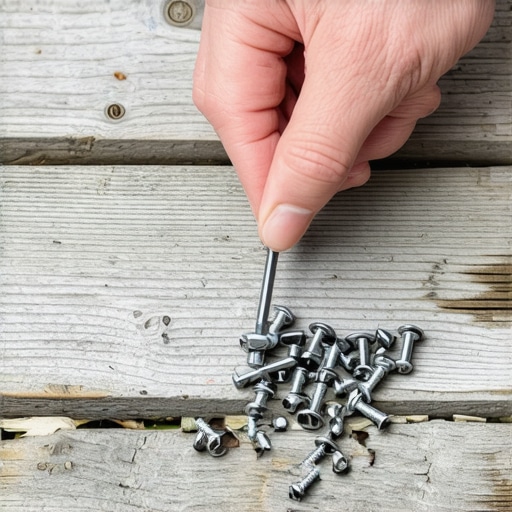
I remember the moment clearly—a splintered deck board, a handful of rusted screws, and a frustrating realization that I was doing my outdoor living space more harm than good. It was a sunny Saturday, and I was knee-deep in replacing some old, squeaky deck screws when it hit me. These plastic-coated, corrosion-prone fasteners had been quietly sabotaging my project, turning what should’ve been a beautiful backyard retreat into a maintenance nightmare. That lightbulb moment made me question everything I thought I knew about decking materials and fasteners.
Time for a Change: Why I Switched from Plastic Deck Screws in 2026
Fast forward to today, and I can confidently say ditching plastic deck screws was one of the best decisions I’ve made for my outdoor space. But it wasn’t just a whim—there are real, tangible reasons behind this switch that every homeowner and outdoor enthusiast should consider. In this post, I’ll share the top three reasons why I stopped using plastic deck screws and how this change can save you time, money, and peace of mind when enhancing your outdoor living areas.
Is a Simple Fastener Choice Really That Critical?
Early on, I made the mistake of ignoring the impact of fastener quality. I assumed all screws were created equal, and that minimizing costs meant choosing cheaper options. Spoiler alert: that was a costly oversight. Over time, I learned that the wrong fastener can lead to deck sagging, unsightly stains, and even safety hazards. According to industry experts, using corrosion-resistant fasteners made from premium materials can significantly extend the lifespan of your deck—up to 40% longer, in fact. So, if you’re thinking a few dollars saved now are worth the hassle later, think again. Have you experienced any problems with deck hardware in your outdoor projects? If so, you’re not alone, and I’ll show you how to avoid those pitfalls.
Now that I’ve set the stage, let’s dive into the first major reason I abandoned plastic-coated screws—stability and durability—that could transform your approach to outdoor building projects too. Ready to make smarter choices for your decking? Let’s go!
,
Prep Your Site Carefully
Begin by clearing the area of debris, weeds, and any uneven patches. Use a string line and a level to ensure the ground is flat and aligns with your deck’s design. Dig footings or concrete piers at strategic points, following local frost line guidelines to prevent settling. When I installed my own deck last summer, I spent extra time leveling the ground, which paid off by preventing future sagging and shifting. Proper preparation ensures your structure will stand the test of time and weather.
Build a Strong Frame for Longevity
Construct the deck’s skeleton using galvanized steel or pressure-treated lumber to reduce the risk of rot. Use joist hangers and heavy-duty fasteners to secure beams and joists firmly. Remember, the stability of your entire outdoor living space relies on this foundational step. I once skipped some of these details on a small DIY project, and I ended up with a wobbly deck in a few months. For stairs, opt for double-rim joists and internal tension ties to prevent movement, especially in high-traffic areas. Consider consulting a professional for complex designs to avoid costly mistakes.
Secure Composite Decking Properly for Safety
Lay your composite boards perpendicular to the joists, using hidden fasteners designed for composite materials to keep the surface clean and safe. Allocate appropriate spacing—generally 1/8 inch—to accommodate expansion and contraction due to temperature changes. During my last installation, I used a spacer and hidden clips, which resulted in a sleek finish without visible screws and without tripping hazards. Avoid staples or nails that can loosen over time. For the best results, refer to manufacturer guidelines and consider employing professional installation services for large or complex decks. Learn more about choosing durable materials at this guide.
Create Wide, Safe Stairs
Design stairs with wide treads—at least 7 inches deep—to enhance safety and accessibility. Install stringers strong enough to support heavy traffic, using steel brackets and double 2×12 supports if necessary. During my project, I discovered that using solid risers and non-slip treads dramatically reduced slipping hazards, especially in wet conditions. Incorporate consistent riser height and tread depth to prevent tripping. Use durable, weather-resistant fasteners to attach stair treads and balusters. Finish with proper lighting—like solar step lights—to improve nighttime safety and aesthetics. If you’re unsure about design details, check out these stair transition ideas.
Apply Finishing Touches for Longevity
Seal any gaps or joints with breathable, waterproof sealants to prevent moisture infiltration. Regularly sweep and clean your deck with gentle, composite-safe cleaners, avoiding bleach or harsh chemicals that can degrade the surface. During my last maintenance session, I used a cleaning method tested specifically for composite decks and avoided damage—saving time and money. Consider installing hidden gutters or drainage channels to divert rainwater away from the structure. For additional protection, consult this resource on sealing stair stringers effectively. Proper finishing preserves the aesthetic appeal and structural integrity of your outdoor space for years to come.Many outdoor living enthusiasts fall prey to common misconceptions about composite decking, stairs, and deck building that can lead to costly mistakes. Let’s dig deeper to uncover some of the overlooked nuances that can make or break your project. Contrary to popular belief, not all composite materials are created equal; some brands incorporate hidden additives or manufacturing processes that significantly affect durability and safety. For instance, some homeowners assume that capped composite boards are inherently more resistant to fading and staining, but recent studies show that unreinforced cores in certain brands may still absorb moisture over time, leading to warping or mildew growth. It’s vital to research the specific composition and manufacturer warranties—don’t just settle for brand reputation. A common myth is that professional installation guarantees longevity; however, if the installer is unaware of advanced nuances like proper joist spacing or hidden fastener techniques, the deck can suffer from squeaking, bounciness, or premature wear. For example, the use of internal tension ties and strategic framing can prevent deck movement, especially in high-traffic areas. When considering stairs, many overlook the importance of load distribution and riser height uniformity, which directly impact safety and code compliance. An advanced mistake many make involves neglecting thermal expansion gaps that, if improperly managed, cause buckling or cracking during temperature fluctuations—especially in climates with extreme heat or cold. Consulting professional guides like this resource can help prevent such issues. Have you ever fallen into this trap? Let me know in the comments. Additionally, partnering with an experienced deck builder can ensure these nuanced factors are considered from the start, saving you time and money in the long run. Remember, understanding the subtle differences in materials, installation techniques, and design details will ultimately lead to a safer, more durable, and beautiful outdoor space—so don’t overlook that small detail; it might save you from big trouble later.
Maintaining a beautiful and functional outdoor space doesn’t end once your deck is built; ongoing care ensures longevity and safety. As a seasoned outdoor living enthusiast, I rely heavily on specialized tools and precise methods to keep my decks and stairs in peak condition. One of my go-to tools is a digital moisture meter, specifically the Extech MO255, which allows me to monitor wood and composite moisture levels accurately. This is crucial because excessive moisture can lead to warping, mold, and premature deterioration. Regular readings help me schedule timely sealing or cleaning, preventing costly repairs.
For scrubbing decks, I favor a high-pressure washer equipped with a turbo nozzle attachment. It provides controlled power, enabling me to remove stubborn grime without damaging the surface. When working with composite decking, I avoid harsh chemicals; instead, I opt for a biodegradable cleaner like.* ViewTech’s Composite Deck Cleaner*—it’s formulated to cut through dirt safely, preserving the material’s integrity. Proper cleaning not only enhances aesthetics but also removes mold spores that can accelerate decay.
Moreover, I use a pneumatic nail gun with adjustable depth settings for fasteners, ensuring flush installation and reducing trip hazards. The Paslode IM350+ is reliable and minimizes user fatigue during large projects. For long-term maintenance, I periodically check fastener tightness and replace any corroded hardware promptly. These small but vital actions extend the lifespan of my outdoor structures.
Looking ahead, I predict that smart sensors integrated into decking materials might become standard, providing real-time health reports. These sensors could alert homeowners to moisture buildup, structural shifts, or temperature extremes, enabling proactive maintenance. Embracing these innovations now ensures you’re prepared for future advancements in outdoor living technology.
How do I maintain my outdoor structures over time?
Regular inspections combined with the right tools are key to preserving your outdoor living spaces. For example, using a moisture meter monthly helps catch early signs of potential issues. Additionally, professional-grade sealants and a periodic re-tightening of fasteners guard against weather-induced wear. Scheduling annual deep cleanings with gentle yet effective cleaners keeps surfaces pristine. For complex projects, partnering with professional deck builders offers insights that go beyond DIY efforts—consider consulting experts by reaching out via our contact page. Incorporating these tools and practices transforms maintenance from a chore into a strategy that preserves your investment for decades.
Remember, staying ahead with precise tools and routine care not only prolongs the life of your decks and stairs but also enhances safety and enjoyment. Try integrating a moisture meter into your maintenance routine today, and notice how quickly potential problems become manageable rather than costly disasters. For more detailed guidance on modern maintenance strategies, explore this comprehensive resource.
The Hardest Lesson I Learned About composite decking,stairs,deck builder,outdoor living
One of the most impactful insights I gained was the importance of paying attention to the smallest details—like fastener quality and installation nuances—that often get overlooked. Initially, I thought choosing a reputable brand was enough, but I soon realized that proper framing, spacing, and sealing are equally critical to prevent issues like warping or premature wear. This was my lightbulb moment: durable outdoor spaces demand precision and understanding at every step.
3 Myths About composite decking,stairs,deck builder,outdoor living That Held Me Back
Believing that all composite boards are equally weather-resistant led me to avoid investing in capped models—only to find out in a harsh summer that some cheaper options faded and stained faster. Also, thinking DIY installation always beats professional work was a myth that resulted in squeaky stairs and uneven surfaces. Lastly, I underestimated the importance of regular maintenance; I didn’t realize that routine cleaning and moisture monitoring could extend the lifespan of my backyard haven by years.
What Experts Won’t Tell You About composite decking,stairs,deck builder,outdoor living
Often, seasoned professionals focus on big-picture design but neglect the subtle yet vital details—like thermal expansion gaps or hidden fastener techniques—that ensure longevity. They’ve also taught me that not all materials are suited for every climate; understanding your local weather patterns is essential when selecting decking and stair materials. These behind-the-scenes secrets can empower you to avoid costly mistakes and create a space that truly stands the test of time.
Curated Recommendations: My Go-To Tools and Resources
For anyone serious about outdoor living, I rely on the Extech MO255 moisture meter—it’s invaluable for monitoring humidity levels, preventing rot, and catching problems early. The [Deck Design & Build](https://deckdesignbuild.com/choosing-the-right-composite-decking-for-durable-low-maintenance-outdoor-areas) guide has been a game-changer, providing expert advice on selecting resilient materials. Additionally, I trust the [innovative outdoor ideas](https://deckdesignbuild.com/innovative-outdoor-living-ideas-with-composite-decking-in-2025) shared by professionals, which inspire me to keep my space stylish and practical. Finally, consulting with certified deck builders through their [contact portal](https://deckdesignbuild.com/contact-us) has helped me refine my projects with confidence.
Your Turn to Elevate Outdoor Living
Every mistake turned lesson has brought me closer to creating a truly long-lasting, beautiful outdoor space. By applying these insights and tools, you can transform your backyard into a sanctuary that not only looks fantastic but also withstands the test of time and weather. Embrace the learning process—your perfect outdoor retreat is within reach.
What challenges have you faced when building or maintaining your outdoor spaces? Share your experiences below, and let’s learn from each other’s journeys!
,