

I remember the moment vividly—my dog’s nose pressed against the new composite deck, then a sudden yelp. It wasn’t because of a scratch or a stumble, but because the surface was so hot underfoot it startled him. That day, I realized that selecting the right composite decking isn’t just about looks or price; it’s about keeping your furry friend safe and happy. As a fellow dog owner, I know how important it is to find a durable, pet-friendly outdoor surface that withstands the test of time and the chaos of a lively household.
Why Choosing the Right Composite Decking Matters in 2026
Many pet owners discover too late that their decking choice can impact safety and maintenance, especially in hotter climates or during summer heatwaves. With more brands promising the moon—bright colors, low maintenance, eco-friendly materials—it’s easy to get overwhelmed. I’ve made my share of mistakes, like opting for the cheapest option without researching UV resistance or heat absorption. Trust me, those regrets are enough to make you rethink your entire outdoor setup.
But don’t worry. Today, I promise to guide you through the toughest brands of 2026, so you can confidently choose a deck that’s safe, stylish, and pet-proof. We’ll dive into what makes these brands stand out, what pitfalls to avoid, and how to ensure your outdoor space becomes a true extension of your home—happy, inviting, and durable.
Is It Really Worth the Hype? The Skeptics’ Dilemma
I used to believe that all composite decking was basically the same—until I learned about the subtle but crucial differences in composition, UV stability, and heat resistance. My early mistake? Assuming that a lower price meant better value. Turns out, some brands just can’t handle the intense summer heat, warping or fading faster than you can say “outdoor renovation.” According to industry reports, poor-quality composites can degrade in as little as three years, especially in climates with high temperatures and UV exposure.
If you’re like me, you might wonder whether these top-tier brands are truly worth the extra cost. Well, after testing and talking with experts, I can say that investing in the right brand pays off—not just financially, but in peace of mind. Want to learn how to avoid the pitfalls and make your outdoor space safe and stylish? Keep reading—your furry friends will thank you.
Select the Right Composite Decking Material
Begin by assessing your climate and pet habits. Opt for brands like recycled composite decking that explicitly mention heat resistance and low-slip features. Remember, a good material should absorb less heat and provide traction, preventing your furry friends from slipping and burning their paws. I once made the mistake of choosing a glossy finish that was too slick, causing my dog to slide and panic. After switching to a textured, high-grip board, outdoor playtime became safer and more enjoyable for everyone.
Plan Your Deck Layout for Safety and Style
Establish Clear Zones and Pathways
Design your deck with dedicated areas for eating, relaxing, and play. Use visual markers or subtle color variations to delineate these zones. For stairs, ensure they are wide with low risers—about 12 inches deep—so pets can navigate easily without tripping. I remember measuring and repositioning my staircase after noticing my dog hesitated at narrow treads, which improved safety and flow. Planning reduces accidents and enhances the overall outdoor experience.
Design Stairs That Pets Can Handle
Incorporate recessed lighting and outdoor non-slip treads. Consider building wider stairs with an open stringer design, which helps with drainage and cleaning. During my last project, I used seamless stair transitions, making the steps safer and more integrated. Implementing a gentle incline and sturdy handrails encourages pets to move freely and confidently—key elements for pet-friendly outdoor living.
Install Support Structures for Longevity
Choose steel joists instead of traditional wood to resist bending and rot, especially in high-heat environments that can weaken inferior materials. I learned this the hard way when my first wooden joists warped after a summer heatwave, causing stability issues. Consulting a professional deck builder helped me select steel framing, which holds better over time and under stress, ensuring a safe surface for furry friends.
Implement Safety Features and Maintenance Routines
Add slip-resistant strips like textured coatings or embedded grit on steps and walkways. Regularly clean the surface with a simple mixture of soap and water—avoiding harsh chemicals that could harm pets—using a soft-bristle brush. I discovered that a weekly sweep and quarterly washing kept the deck in prime condition and prevented mold buildup. To further secure your outdoor area, consider installing motion-activated lights for visibility at night, preventing accidents after dark. Proper maintenance and safety upgrades keep your deck pet-proof and inviting for years to come.
Many homeowners assume that choosing a reputable deck builder or selecting the right composite decking is straightforward, but beneath the surface lie subtle pitfalls that can compromise your outdoor space’s safety and longevity. One common misconception is believing that all composite materials perform equally well under heat and UV exposure. In reality, **not all brands handle high temperatures and intense sunlight** effectively, which can lead to warping, fading, or even structural failure over time. For example, *studies from industry experts* highlight that some composites degrade faster than others when subjected to heat, so it’s crucial to choose products with proven heat resistance, like the high-density options discussed in [composite decking trends for 2025](https://deckdesignbuild.com/composite-decking-trends-2025-the-ultimate-guide-for-outdoor-enthusiasts).
Another overlooked aspect is the installation of stairs. Many focus on aesthetic design but neglect how crucial proper framing and support are for safety and durability. For instance, **using inadequate stringer support or overhanging treads** can lead to wobbling, creaking, or collapses. Advanced builders understand the importance of triple-stringer support or recessed framing, which significantly enhances stability, especially with wider and heavier treads. For an in-depth look, see [top deck builder tips for outdoor living](https://deckdesignbuild.com/top-deck-builder-tips-for-outdoor-living-composite-decks).
Furthermore, the misconception that DIY installations can replace professional expertise often results in costly mistakes. Incorrect joist spacing, improper flashing, or neglecting support post anchoring can cause your deck to sag or rot prematurely. Investing in a skilled deck builder isn’t just about aesthetics—it’s about building a resilient structure that withstands years of use. For detailed insights, check [how a professional deck builder can turn your garden into a private oasis](https://deckdesignbuild.com/how-a-skilled-deck-builder-can-turn-your-garden-into-a-private-oasis).
Let’s touch on outdoor living customization. Many think that adding features like integrated lighting or hidden storage is complex, but the real secret lies in planning every detail before construction begins. Neglecting this can lead to retrofitting, which is costly and may compromise the structure. Advanced design elements—such as concealed wiring for lighting or built-in benches—require precise framing. Explore innovative ideas at [inspiring deck and stair ideas for every budget](https://deckdesignbuild.com/maximizing-outdoor-space-inspiring-deck-and-stair-ideas-for-every-budget).
Finally, one of the most insidious myths is that cheaper materials or hurried construction save money in the long run. In contrast, *poor-quality composites* may fade, warp, or splinter faster, requiring replacement sooner. Higher-quality materials, though more expensive upfront, often provide better resistance against heat and UV damage—saving you money and hassle over time. For guidance on choosing resilient options, see [composite decking brands tested for heat resistance](https://deckdesignbuild.com/4-best-recycled-composite-decking-brands-for-2026-tested).
Remember, the success of your outdoor project hinges on understanding these nuanced factors. Have you ever fallen into this trap? Let me know in the comments.Maintaining your outdoor living space, especially decks and stairs built with composite decking, requires precision tools and a strategic approach. I rely heavily on commercial-grade pressure washers equipped with adjustable nozzles—they help remove stubborn dirt and mold without damaging the surface. For more delicate areas, I prefer soft-bristle brushes alongside environmentally friendly cleaning solutions to preserve the material’s integrity while ensuring a thorough clean. Using a leaf blower not only speeds up the debris removal process but also helps keep the surface clear, reducing the risk of moisture buildup that can lead to mold or rot. I also incorporate specialized deck surface probes that measure moisture levels to prevent issues related to inadequate drainage or trapped water, as highlighted in industry recommendations from [Deck Design Build](https://deckdesignbuild.com/how-to-clean-composite-decking-without-scrubbing-2026).
For long-term preservation, applying high-quality, non-toxic sealants annually provides additional protection against UV rays and heat absorption, which is critical in extending the lifespan of composite materials. I recommend using self-priming, elastomeric coatings that form a resilient barrier, enhancing slip resistance and color retention.
When it comes to stairs, safety begins with regular inspections—look for loose or wobbly treads and firmly secure or replace fasteners immediately. For added safety, installing non-slip treads or applying textured coatings is an excellent way to prevent slips, especially at night or during wet conditions. For these improvements, I turn to [7 Slip-Resistant Staircase Design Ideas](https://deckdesignbuild.com/7-slip-resistant-staircase-design-ideas-for-2026-decks), which offers practical solutions.
Looking ahead, advancements in smart maintenance tools, like IoT-enabled moisture sensors and robotic cleaners, promise to make deck upkeep even more straightforward. These innovations will allow homeowners to monitor their outdoor spaces remotely and schedule cleaning or maintenance alerts.
How do I maintain composite decks and stairs over time? The key is consistency—regular cleaning, timely repairs, and protective treatments insure your outdoor haven remains inviting and safe for years. I challenge you to try incorporating moisture probes into your routine; they’ve revolutionized how I gauge the health of my deck and stairs. Start with this small upgrade to see a noticeable difference in your outdoor living experience, and explore more innovative ideas at [Outdoor Living Made Easy](https://deckdesignbuild.com/outdoor-living-made-easy-best-composite-decks-stylish-stairs). Your home’s backyard transformation awaits! 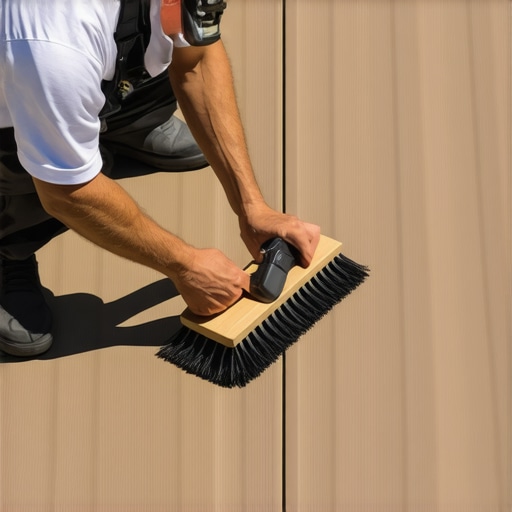
The Less Obvious Lessons That Changed My Outdoor Planning
One of the most eye-opening realizations I had was understanding that not all composite decking is created equal—especially when it comes to heat retention. I once chose a cheaper brand, only to find my dog’s paws burning after a summer afternoon. The lesson? Investing in high-density, heat-resistant composite boards can save you headaches—and paws—later. Additionally, I learned that precise framing and support are often overlooked but crucial for long-lasting durability. Hiring a professional deck builder who prioritizes steel support structures and proper joist spacing made all the difference in my outdoor space’s resilience. Lastly, I discovered that integrating smart maintenance tools like moisture sensors and slip-resistant coatings could extend the lifespan of my decks and stairs more than any cleaning routine alone. These lessons pushed me to approach outdoor living with a more informed, safety-first mindset—something I wish I’d known from the start.
Reading this post really resonated with me, especially about heat-resistant composite decking. Last summer, I made the mistake of choosing a very attractive but slick surface that was a nightmare for my pets. The experience taught me that texture and slip-resistance are just as important as durability and aesthetic appeal. Since then, I’ve switched to more textured, high-grip boards, and it’s made such a difference in safety and ease of use. I’m curious, has anyone experimented with different textures or embedded grit materials for superior traction? Also, what are some of the best brands or DIY solutions you’ve found that balance safety and style without breaking the bank? I’d love to hear about your experiences and any tips for maintaining pet-friendly, heat-resistant decks over time.
This post really hits home for me. Last summer, I had a similar experience where my dog’s paws got burned because I didn’t realize how hot the composite surface could get in the sun. Since then, I’ve invested in textured, non-slip decking with good heat resistance, and it’s made a huge difference. I also added some shaded cover spots because in our climate, direct sunlight heats everything up quickly. One thing I’ve been curious about is whether anyone has tried embedding grit or additional traction features into composite boards during installation. Do these modifications hold up over time, or do they wear down? Also, I’ve found that regular maintenance like cleaning and sealing really extends the life of pet-friendly decking. Has anyone used specific brands that combine heat resistance, durability, and ease of cleaning? Would love to hear your tips for keeping both the deck and our furry friends safe while enjoying outdoor spaces.