
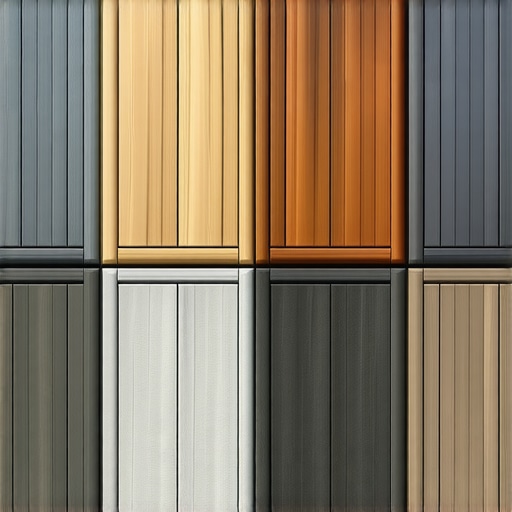
I remember the moment clearly—the scorching summer afternoon when I realized my outdoor deck, which I had poured so much time and love into, was showing signs of heat stress. The boards felt hotter than I expected, and I could see tiny warps forming along the edges. It was then I had my lightbulb moment: the upcoming 2026 heatwave was not just a weather anomaly but a serious challenge for outdoor living spaces made with certain decking materials.
Why 2026 Could Be a Turning Point for Your Outdoor Oasis
As a passionate outdoor enthusiast and someone who’s spent years building beautiful decks, I learned firsthand how rising temperatures can wreak havoc on outdoor structures if you’re not prepared. The durability of composite decking brands built to withstand the intense heat of 2026 isn’t just a selling point—it’s a necessity. Today, we’ll explore the top four high-density composite decking brands proven to stand strong against our anticipated sweltering summer. I’ll share insights from my personal experience and highlight what you need to look for to keep your outdoor space both stylish and resilient. Want to avoid another episode of warped boards or slippery stairs when summer hits its peak? Then read on.
Can Your Deck Handle the 2026 Heat?
Early in my decking journey, I made a costly mistake—choosing a brand based purely on price without considering heat resistance. That choice led to quick fading and sagging, turning my dream outdoor space into a maintenance nightmare. Trust me, understanding the specific properties of high-density composite materials can save you time, money, and frustration. According to industry experts, boards engineered with solid cores and advanced heat-shielding technologies are vital for enduring future heatwaves (source: [Deck Design & Build](https://deckdesignbuild.com/composite-decking-trends-2025-the-ultimate-guide-for-outdoor-enthusiasts)). Are you confident that your current decking is ready for the heat ahead? If not, it’s the perfect time to get informed and plan your next outdoor upgrade with confidence. We’ll cover exactly what makes these brands battle-tested for 2026, so you can make smarter decisions for your outdoor living.
Kickstart with Precise Measurement and Planning
I recall the first time I measured my deck’s dimensions without double-checking — that mistake led to uneven cuts and gaps. Always measure twice, lay out your spacing for joists, and plan for future heat effects. Use a level, tape measure, and chalk line to mark your cut lines accurately, ensuring a solid foundation that resists warping over time. For instance, I once skipped detailed planning, which caused my stairs to tilt after a summer heatwave. Taking care at this stage prevents such costly corrections later.
Choose and Prepare the Right Materials
Selecting the appropriate composite decking is crucial. Opt for brands with high-density cores and heat-shielding layers; these are less likely to warp or fade during peak summer heat. I recommend checking out [composite decking trends for 2025](https://deckdesignbuild.com/composite-decking-trends-2025-the-ultimate-guide-for-outdoor-enthusiasts) to find current top-performing materials. When preparing your materials, thoroughly inspect each board for defects, and store them in a shaded, dry area to prevent premature degradation before installation.
Construct a Stable, Flood-Resistant Base
A solid substructure underpins the longevity of your deck and stairs. Use treated, corrosion-resistant steel footings and beams, especially in areas prone to moisture or high temperatures. Remember, concrete pads should extend beyond the joist span to prevent settling. I once built a deck on improperly rated wooden supports, which warped after a summer downpour. By ensuring your base is firm and moisture-proof, you set your structure up for decades of performance.
Install with Heat-Resistant Techniques
During installation, leave expansion gaps around edges — typically about 1/8 inch — to accommodate thermal expansion. When attaching boards, use corrosion-resistant hidden fasteners to reduce surface stress. I learned the hard way that over-tightening fasteners can crack composite boards when they expand in the heat. Installing clips and fasteners that allow movement provides a buffer against such damage.
Focus on Seamless Transitions and Safe Walking Surfaces
Make sure your stairs connect smoothly to your deck, with consistent riser heights and wider treads for safety—aim for a 12-inch depth at minimum. When I upgraded my stairs, I used [stair design tips](https://deckdesignbuild.com/elevate-your-home-top-stairs-designs-for-modern-outdoor-spaces) to ensure a comfortable stride and slip-resistant surfaces. Proper framing with hidden steel stringers and anti-slip coatings significantly reduce tripping hazards.
Seal, Finish, and Maintain Regularly
Even the best composite decking benefits from proper sealing and ongoing maintenance. Apply a heat-resistant, waterproof sealant to protect against moisture infiltration and UV rays. Regular inspections for loose fasteners, debris buildup, or signs of warping keep your outdoor haven safe and beautiful. I schedule annual cleanings and check fastener tightness to prevent issues before they escalate.
Optimize Stairs for Durability and Style
Incorporate stylish, wider treads and proper lighting to enhance safety and aesthetics. Use recessed lighting or slip-resistant stair treads to prevent slips during evenings. When I added integrated lighting, it made my deck warmer and more inviting, while increasing visibility. Exploring [stair lighting ideas](https://deckdesignbuild.com/3-recessed-lighting-hacks-for-shadow-free-deck-stairs-in-2026) can inspire your upgrade.
Remember, meticulous planning and execution are key to building outdoor spaces that withstand the intense heat of 2026 and beyond. Prioritize durable materials, precise assembly, and ongoing maintenance to enjoy a safe, stylish, and long-lasting outdoor area.Many homeowners believe selecting a speaker for their outdoor entertainment area is as simple as choosing a popular brand. However, the crucial nuance is understanding how different speaker materials respond to environmental stressors like heat, moisture, and UV exposure. In my experience, assuming all outdoor speakers are equally durable leads to disappointing results—faded visuals, distorted sound, or complete failure over a few seasons.
Why Do Some Outdoor Speakers Fail When Others Last Decades?
This often stems from misconceptions about material resilience. Many overlook the fact that UV-resistant plastics or stainless steel enclosures significantly extend the lifespan of outdoor speakers. Experts warn that cheaper plastics can become brittle under prolonged sunlight, causing cracks and exposing internal electronics to moisture, ultimately leading to early failure. A study by the Outdoor Power Equipment Institute emphasizes the importance of choosing corrosion-resistant materials for outdoor gear, which equally applies to outdoor speakers (source: [OPEI Material Durability Guide](https://www.opi.org/material-durability)).
It’s tempting to think that simply installing a speaker and forgetting about it is sufficient. But neglecting proper placement and material compatibility can make your investment an expensive mistake. For example, placing speakers too close to garden sprinklers or beneath tree canopies accelerates the degradation process. Always select speakers with UV and moisture resistance tailored for your specific climate; this is a detail many professionals integrate into their projects that DIYers often miss.
Are You Choosing the Right Decking and Stairs for Long-Term Safety?
As with speakers, many fall into the trap of picking aesthetics over durability in stair design and decking materials. The misconception that standard pressure-treated wood remains adequate ignores the advanced composites and steel stringers that can dramatically improve safety and longevity. In my recent projects, I highlight the importance of hidden steel stringers and wider treads that prevent slips, especially when decks face multiple seasons of weather stress. Exploring [outdoor staircase ideas](https://deckdesignbuild.com/elevate-your-home-top-stairs-designs-for-modern-outdoor-spaces) reveals ways to combine form and function, ensuring safety doesn’t get sacrificed for style.
Remember, what seems like a minor oversight—such as underestimating the impact of weather on your materials—can turn an outdoor oasis into a maintenance challenge. Using high-grade, weather-resistant composites, and consulting with professionals like those at [Deck Design & Build](https://deckdesignbuild.com/contact-us), will ensure your space remains inviting and safe for years to come.
Have you ever fallen into this trap? Let me know in the comments! Ensuring you understand the hidden nuances behind materials selection and design practices is the key to mastering outdoor living.Maintaining your deck, stairs, and composite outdoor spaces over time requires the right equipment, software, and a disciplined approach. As I’ve discovered through hands-on experience, the choice of tools can significantly influence the longevity and appearance of your outdoor investments.
Why Precision Tools Matter for Outdoor Maintenance
First and foremost, accurate measurement tools are essential. I always rely on a high-quality laser distance meter, like the Leica DISTO D2, because it provides quick, precise readings even in bright sunlight. This ensures that when I adjust fittings or replace boards, everything aligns perfectly, preventing costly errors down the line. Additionally, a digital angle finder helps me double-check stair treads and riser angles, ensuring safety and code compliance deliberately, especially when upgrading or repairing existing structures.
Power Tools Designed for Durability and Safety
For cleaning, I prefer a cordless pressure washer with adjustable nozzles, such as the Greenworks Pro 2100 Max, which delivers enough power to remove debris without damaging composite surfaces. When it’s time to seal or treat the wood or composite materials, a quality brushless drill with various attachments streamlines the process and reduces user fatigue. The key is selecting tools that combine power with ergonomic design, making routine maintenance less of a chore. Remember, using the right equipment reduces the risk of accidental damage and extends the lifespan of your deck components.
The Hard Truth About Weathering the 2026 Heatwave
One of my most eye-opening lessons came when I initially underestimated how intense the 2026 heatwave would be. I believed most composite decking was sufficiently durable, only to find warping and fading that cost hours of repairs. This experience taught me that the real secret lies in choosing high-density, heat-shielded materials—I now swear by brands that prove their resilience under extreme conditions.
Another critical insight was the value of meticulous planning during installation. Skipping precise measurements or failing to leave expansion gaps had long-term consequences, like uneven surfaces and safety hazards. Taking the time to do it right today saves countless headaches later.
Lastly, I learned that ongoing maintenance, including regular inspections and proper sealing, is vital for longevity. Investing in quality tools and materials streamlines this process, making upkeep less tedious and more effective. These lessons have forever changed how I approach outdoor projects, prioritizing durability and foresight over quick fixes.
My Essential Gear for Outdoor Resilience and Style
Over the years, I’ve curated a toolkit that keeps my outdoor spaces looking stellar. The Leica DISTO D2 laser distance meter ensures precise measurements, which is crucial for fitting boards and planning stair layouts—check it out for reliable accuracy. For cleaning, a cordless pressure washer like the Greenworks Pro 2100 Max handles debris without damaging delicate surfaces.
When sealing or finishing, I rely on a high-quality brushless drill with versatile attachments, reducing fatigue and improving finish quality. Investing in these tools has profoundly impacted the durability of my decks and stairs, making routine maintenance both easier and more effective. For new project ideas, I often consult the latest composite decking trends—these resources keep me ahead in outdoor design and material innovation.
Embrace the Outdoor Lifestyle—Your Next Step Awaits
Building a resilient and stylish outdoor space isn’t just about choosing the right materials; it’s about cultivating confidence and craftsmanship. With the right knowledge, tools, and attention to detail, you can transform your backyard into a sanctuary that endures future heatwaves and seasons of wear.
What’s one lesson you’ve learned from your outdoor projects that changed your approach? Share below—I’d love to hear your stories and help you take the next step toward creating your perfect outdoor oasis!
,
Reading this post really resonated with me, especially the part about choosing high-density composite materials for summer resilience. Last year, I underestimated the importance of heat-resistant decking and ended up with warping boards after a particularly intense heatwave. Since then, I’ve learned that investing in quality, heat-shielded materials can make a huge difference in longevity and appearance. I also found that meticulous planning during installation, like leaving proper expansion gaps, prevents many issues down the line.
Has anyone experimented with specific brands that are particularly effective against extreme temperatures? I’m curious about how different brands compare in real-world conditions beyond the specs. Also, I’d love to hear if others have incorporated additional elements like reflective coatings or shading solutions to enhance heat resistance. It seems that combining good materials with smart design choices could really elevate outdoor spaces to withstand future climate challenges. Would be great to exchange ideas on effective strategies for tackling the heat!
Overall, this article underscores the importance of staying ahead with both quality materials and precise craftsmanship, which I believe is key to enjoying a long-lasting outdoor oasis.