
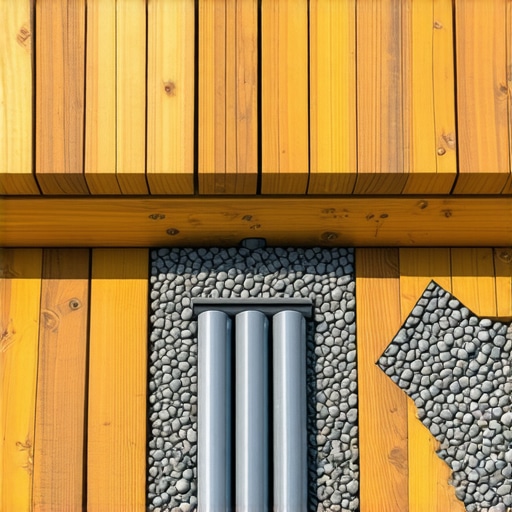
I remember the moment I stepped outside last summer, eager to enjoy my new deck, only to notice something unsettling—post rot had begun to eat away at the very foundation of my outdoor sanctuary. It was a lightbulb moment for me; I’d overlooked how crucial proper drainage is to long-lasting decks. The frustration of watching years of effort nearly wasted was eye-opening. If you’ve faced similar frustrations, you’re not alone. Many homeowners discover too late that poor drainage can turn a beautiful deck into a safety hazard and a money pit overnight.
Why Ignoring Drainage Can Ruin Your Deck Before 2026
Decks are exposed to the elements 365 days a year. Without proper drainage, water pooling around your posts and footing can lead to devastating rot, compromising the structural integrity. According to a study by the American Society of Civil Engineers, inadequate drainage is one of the leading causes of post failure in outdoor structures. The good news? There are straightforward drainage fixes you can implement now to prevent disaster. Trust me, addressing these issues early on can save you thousands down the line and keep your outdoor space safe and beautiful for years to come.
Is Fixing Drainage Really Worth the Effort?
Thinking about skipping drainage improvements because it seems like a hassle? I get it. I made the mistake early in my DIY deck project of ignoring proper drainage planning—only to be faced with unexpected rot and costly repairs later. Don’t fall into the same trap. Effective drainage isn’t just a fancy upgrade; it’s a vital step in ensuring longevity and safety. If you’re serious about maintaining a durable, captivating outdoor space—one that boosts your home’s value and your family’s enjoyment—then these drainage fixes are worth every ounce of effort. Want some inspiration? Check out innovative outdoor living ideas that integrate drainage solutions seamlessly, making your deck both functional and stunning.
Assess Your Deck’s Drainage Needs
Start by inspecting your existing deck, focusing on water pooling areas, slope degrees, and visible rot damage. During my initial inspection, I noticed puddles forming along the posts after a rainstorm, indicating inadequate slope. Use a level to check the deck’s pitch; ideally, your deck should slope away from the house at about 1/4 inch per foot. Spotting these issues early let me plan targeted fixes rather than costly, haphazard repairs.
Implement Proper Deck Slope
Re-Level Your Deck
If your deck isn’t properly sloped, re-leveling involves adjusting the height of the posts or adding shims. I used adjustable post connectors to incrementally raise the low spots, ensuring water naturally flows away. This process requires precise measurements; for best results, consider consulting a professional or referencing trusted guides like expert deck-building tips. Proper slope is the foundation of good drainage, preventing water from seeping into posts and causing rot.
Design for Water Flow
Create strategic gaps or channels beneath the deck to facilitate runoff. I installed a gravel bed underneath and added a slight tilt to the framing, which effectively diverted water away from critical areas. Think of it like directing a river; you want water to flow around rather than pool onto your structure. This approach reduces standing water, extending the lifespan of your composite decking and stairs.
Install Effective Drainage Systems
French Drains for Heavy Water Dumping
For decks located in soggy areas, bury a perforated pipe surrounded by gravel along the perimeter. I laid a French drain on one side of my deck, which dramatically reduced water accumulation. Connect the drain to an appropriate outlet away from the foundation to prevent water migration into the soil beneath your structure. This proactive setup mimics how large-scale landscapes manage excess water—merely scaled down for your backyard.
Surface Water Management
Adding gutters or surface drains directs roof runoff away from the deck. I attached gutter extensions to funnel rainwater into underground pipes leading away from the deck area. This minimizes splashes on stairs and beams, which are particularly vulnerable to rot. Consider integrating these systems seamlessly with your existing landscape; check out stair integration ideas for inspiration.
Protect Critical Components
Use waterproof sealants on all wood or composite interfaces and ensure flashing surrounds posts and ledger boards. I applied a high-quality sealant around the post bases after installing proper drainage, which kept moisture out. Think of this step like putting a raincoat on your deck’s vulnerable parts—preventing water infiltration is key for longevity. Additionally, installing steel or aluminum flashing over posts prevents water from seeping into joints, similar to how modern buildings employ flashing to divert water.
Regular Maintenance and Inspection
Schedule seasonal checks to remove debris in drainage channels and re-apply sealants as needed. I set reminders to clear gutters and inspect for blocked flow paths, which kept my deck dry all year. Maintaining your drainage system ensures that even during unexpected storms, water is efficiently diverted, preserving the integrity of your outdoor living space.
Many homeowners believe that selecting the most popular composite decking brand guarantees durability, but in my experience, understanding the subtle differences in formulations and manufacturing processes can make or break your outdoor project. One widespread misconception is that all composite decking boards are equally resistant to fading and staining; however, recent studies have shown that performance varies significantly among brands, especially under extreme weather conditions like those predicted in 2025 climate trend reports. For example, the improved UV inhibitors in some brands outperform others, making a crucial difference in longevity.
Another common mistake is overlooking the importance of proper ventilation and airflow beneath your deck. Many assume that once the foundation is set, the structure will naturally stay dry, but this neglects the advanced nuances of moisture management. Innovative deck builder techniques now emphasize the role of open framing and space for air circulation, which significantly reduces mold and rot risk. Skipping this step can lead to unexpected deterioration within a few years, contrary to the optimistic claims often found in DIY guides.
For those interested in the advanced aspects of stairs design, a critical mistake involves neglecting the importance of consistent tread depth and riser height. Variations, even minor, can cause trip hazards that are often unnoticeable initially but become problematic over time. Integrating hidden steel stringers can provide a uniform appearance while also enhancing stability. Professional advice suggests that using a 12-inch tread width, as recommended by safety standards, greatly minimizes tripping risks, especially for elderly family members or children.
How can I ensure the longevity of my composite decking in extreme weather?
The key lies in selecting boards with high-performance UV-resistant coatings and proper installation techniques that promote drainage and air circulation. Regular maintenance, including cleaning and inspections, will also preserve aesthetics and functionality. Remember, a well-designed deck accounts for local climate nuances, so consulting with an expert can prevent costly mistakes. According to industry research, decks built with attention to these details last twice as long, saving money and preserving safety over time.
Have you ever fallen into this trap? Let me know in the comments. Playing close attention to these nuances can transform your outdoor space from average to extraordinary, ensuring years of enjoyment without unexpected surprises.
Keep It Running Smoothly with the Right Tools
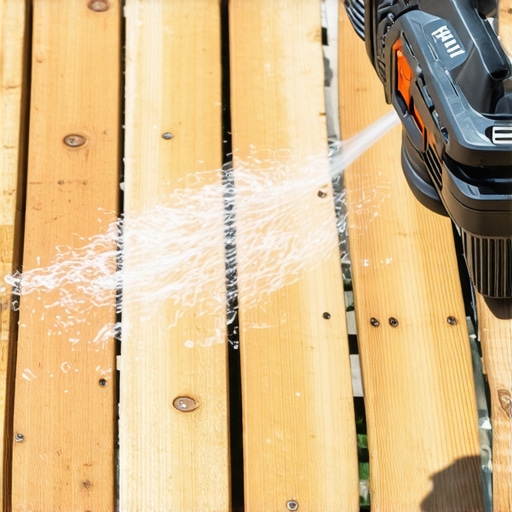
Proper maintenance of your outdoor deck, stairs, and composite decking requires more than just good intentions; it demands the right equipment. One of my go-to tools is a high-quality cordless power washer, like the Karcher K5 Premium. I personally use it for regular cleaning because it’s lightweight, offers adjustable pressure settings, and effectively removes dirt without damaging the surface. Regular use helps prevent mold, mildew, and grime buildup that can accelerate wear.
To keep the wooden posts and framing in top shape, I rely on a durable multi-purpose sealing gun. This tool allows me to efficiently apply waterproof sealants precisely to joints and vulnerable areas, prolonging their lifespan and preventing rot. Ensuring you have a good-quality sealant compatible with composite materials is essential—look for products like sealants recommended for composite decks.
When inspecting your drainage and framing, I use a reliable laser level. It helps me verify proper slope and alignment quickly, saving time and ensuring accuracy, especially on larger projects. Over time, checking and maintaining the correct tilt with this tool ensures water flows away from your structure as intended, reducing the risk of rot and damage.
Invest in Spot Checks with Moisture Meters
Moisture meters are invaluable for detecting hidden dampness in wooden posts and framing, especially in hard-to-see areas. I prefer digital moisture meters like the
Prepare for Future Outdoor Projects
Looking ahead, I predict smart technology will play an increasing role in outdoor maintenance. Devices like app-connected moisture sensors and automated watering systems will become standard, helping homeowners keep their decks and stairs in prime condition with minimal effort. For example, integrating moisture sensors with your maintenance routine can give you real-time data, making it easier to address issues early on.
How do I maintain my outdoor structures over time?
The key is consistency. Regularly inspect drainage channels, clean surfaces with pressure washers, apply sealants with sealed guns, and use moisture meters to detect early signs of trouble. Developing a routine keeps repairs manageable and your outdoor living area looking its best. For insight into modern maintenance methods, check out outdoor living tips from industry experts.
Don’t wait for problems to arise. Try scheduling biannual inspections using these tools, and you’ll extend the life of your deck and stairs significantly. Investing in quality equipment now saves money and stress later—trust me, it’s worth the effort to keep your outdoor space beautiful and safe for years to come.
The Hardest Lesson I Learned About Outdoor Living and Deck Durability
- Never underestimate the power of thorough drainage planning—skipping this step nearly cost me my entire investment and safety. It taught me that small details, like proper slope, make a massive difference in longevity.
- Choosing materials is just half the battle; installing them correctly with attention to ventilation and water flow ensures your deck resists the punishing weather patterns, especially with climate trends pointing toward harsher conditions in 2025 and beyond.
- Regular maintenance, though often overlooked, is the true shield against rot and deterioration. Tools like moisture meters and power washers are game-changers for early detection and efficient cleaning, saving you money and stress over the years.
- My biggest realization? Investing in expert advice and quality tools early on might seem costly but pays off exponentially by preserving safety and aesthetic appeal long-term. Think of it as giving your outdoor space a protective armor that lasts through decades.
Tools and Resources That Transformed My Approach to Deck Care
- Karcher K5 Premium Cordless Power Washer: It cleans thoroughly without damaging surfaces, keeping dirt and mold at bay—crucial for maintaining the integrity of composite decking and preventing rot.
- Digital Moisture Meter: Early detection of hidden dampness in posts and framing saves you from unexpected failures. I trust models like Moisture Meters Pro for reliable readings, ensuring my deck remains safe over time.
- Laser Level: For perfect slopes and alignment, this tool ensures water flows away from critical points, preventing pooling and rot—an absolute must for durable outdoor structures.
- Guides and Industry Insights: Exploring expert articles, such as those on creating elegant stairs and durable decks, have broadened my understanding of advanced techniques that stand the test of time.
Your Outdoor Journey Starts Now—Build With Confidence
Taking proactive steps to understand and implement effective drainage and maintenance ensures your outdoor space remains both beautiful and safe, well into the future. Remember, every detail matters — from proper slope to sealing and regular inspections. Your deck can be more than just a backyard feature; with the right approach, it becomes a lasting sanctuary where memories are made for years to come. Don’t wait until problems arise—start elevating your outdoor living experience today, and enjoy the peace of mind that comes with knowing your deck is built to stand the test of time.
Have you ever struggled with selecting the right drainage solution for your deck? Share your experiences below and let’s learn from each other!
.