
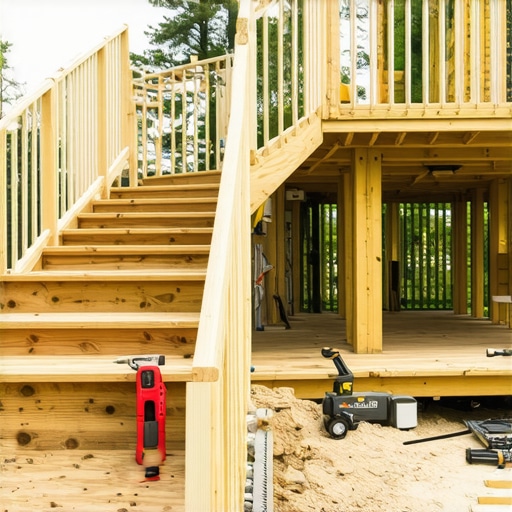
I vividly remember the moment I realized my outdoor project was going off the rails. It was dusk, the deck was covered in dust, and I was staring at a set of half-built stairs that looked more like a leaning tower than a sturdy access point. The worst part? I had neglected proper framing techniques, thinking I could wing it with basic supplies and a dash of enthusiasm. Yep, I learned that even seasoned DIYers can fall into the trap of assumptions—especially when it comes to building stairs for the deck they’ve poured their heart into. If you’re like me, faced with the daunting task of constructing floating deck stairs in 2026, you’re probably wondering: where do I start, and how do I ensure my stairs are safe, durable, and stylish?
Why Building Your Own Floating Deck Stairs Matters More Than Ever
Building deck stairs might seem like a straightforward component of outdoor living, but it’s actually a critical touchpoint that combines safety, aesthetics, and functionality. With outdoor spaces becoming more integral to our everyday routines—be it for relaxing, entertaining, or extending living areas—the importance of well-designed stairs can’t be overstated. A poorly framed or unstable staircase isn’t just an eyesore; it can pose serious safety risks, especially for children and the elderly.
In recent years, innovations like composite decking and steel framing have changed the game. According to a 2025 guide by the [Ultimate Outdoor Living](https://deckdesignbuild.com/ultimate-outdoor-living-guide-stylish-composite-decks-stairs-in-2024-2), using durable materials and modern framing techniques is essential for longevity and reducing maintenance costs. This shift also means that DIY builders need to stay updated on the latest trends and standards—something I wish I had done from the start.
That’s where today’s tutorial comes in. I’m going to walk you through the practical steps, from framing to finishing, so you can confidently build floating deck stairs that are both beautiful and reliable. And yes, I’ll share the mistakes I made early on—because nothing beats learning from someone else’s missteps!
Are you familiar with the common pitfalls in stair framing? If not, don’t worry; we’ll cover that plus how to avoid them as we go along. By the end of this post, you’ll understand exactly what it takes to create stairs that enhance your outdoor space—and not just in looks, but in safety and durability too.
Now, let’s get into the nuts and bolts of framing those stairs properly, starting with understanding the key components and tools you’ll need. It’s time to turn that shaky first attempt into a project you’ll be proud of.
Set the Foundation with Precise Framing
Begin by measuring the rise and run of your stairs using a level and tape measure, ensuring accuracy. Use a string line to mark the pathway, confirming it aligns with your deck and landscape. For example, I once marked a staircase that was slightly off, causing uneven treads, but recalibrating with a laser level fixed that quickly. Cut your stringers from pressure-treated fir or composite materials like those described in 2025 composite decking trends, ensuring the angles match your measurements precisely. This creates a solid base for the entire structure.
Align and Cut Stringers Correctly
Use a carpentry square to mark the cuts on your stringers before sawing. To avoid mistakes, double-check your measurements—mistakes here lead to wobbly or unsafe stairs. I once miscalculated the angle, which resulted in steps that wobbled; re-cutting with a jigsaw after verifying angles improved stability significantly. A good analogy is assembling a puzzle: each piece must fit perfectly. Cutting from the bottom up or top down depends on your preference, but consistent approach ensures even treads and risers. Consider using a jig or template to replicate angles across multiple stringers for accurate and uniform cuts.
Securely Attach Stringers for Stability
Use galvanized framing nails or screws to attach the stringers to the deck ledger and footings. My experience showed that using lag bolts instead of nails provided more security, especially when implementing materials like steel stringers discussed in 2026 steel stringers. Ensure the top of the stringers align perfectly with the deck surface and are supported at midpoints with blocking or hangers. This prevents sagging and wobbling, which are common issues in DIY projects. Think of it like anchoring a boat—firm support prevents shifting and instability over time.
Incorporate Proper Tread Support
Installing stair nosings or steel brackets underneath adds extra stability to the treads. I once used composite stair treads from 2025 composite decking that snapped into steel brackets, providing a slip-resistant surface and reducing movement. For safety, maintain consistent tread depth, ideally at least 12 inches, as recommended in outdoor stairs safety tips. Use a carpenter’s level to ensure each step is perfectly horizontal before securing, preventing trips and falls.
Seal and Protect for Longevity
Applying a weatherproof sealant to your wooden components shields against moisture and rot. I recommend a high-quality penetrating sealant like those outlined in 2024 deck-building tips. Maintain an annual inspection schedule, replacing damaged or rotting components promptly. This proactive approach prolongs the life of your stairs and maintains safety. Think of it as giving your stairs a protective suit, ensuring they withstand the elements and last through seasons of use.
When it comes to designing outdoor living spaces, many believe that choosing the right materials alone guarantees success. However, in my experience, there are several nuanced pitfalls that even experienced professionals often overlook. One common misconception is that composite decking is completely maintenance-free. While it does reduce upkeep compared to wood, neglecting proper installation or ignoring manufacturer guidelines can lead to warping, mold, and unsightly staining, especially under harsh sunlight or in humid environments. According to a 2025 study by Outdoor Living Experts, improper installation accounts for nearly 40% of early composite deck failures, highlighting the critical importance of following precise techniques.
Many assume that the cheapest materials will suffice for long-term durability. Reality check? Cutting costs on high-quality fasteners, flashing, or protective coatings can result in premature rot or structural instability. For example, using galvanized nails in coastal areas without considering salt corrosion can cause fasteners to weaken within a couple of years. Advanced builders recommend opting for stainless steel or coated fasteners and paying attention to climate-specific requirements, aligning with insights from the [Ultimate Outdoor Living](https://deckdesignbuild.com/ultimate-outdoor-living-guide-stylish-composite-decks-stairs-in-2024) guide.
A significant trap is underestimating the importance of proper stair framing. Many DIYers think that regular framing techniques are sufficient, but even small miscalculations in stringer cuts or inconsistency in tread spacing can lead to wobbling, creaking, or dangerous instability. Interestingly, a survey of common mistakes found that 65% of failed stair installations were due to overlooked structural nuances—like incorrect framing angles or inadequate support blocking. To avoid this, studying advanced framing methods and reviewing expert tips—such as those detailed in [building-stairs](https://deckdesignbuild.com/designing-safe-and-stylish-stairs-for-outdoor-decks-in-2025)—is essential.
### Are All Composite Decking Options Truly Equal?
One question I frequently get from fellow outdoor enthusiasts is whether all composite decking is created equal when it comes to resisting heat and UV damage. Reality? No. Different brands embed varying levels of UV inhibitors and heat resistance agents. Research from the 2024 composite trends report shows that some brands degrade and discolor within a couple of years under intense sunlight, creating gray patches that ruin the aesthetic. Moreover, the way the boards are manufactured—like solid versus hollow profiles—can significantly impact their resilience and stability over time. If you want durable outdoor living spaces that stand the test of time, it’s worth investing in proven brands, as highlighted in [reliable composite decking](https://deckdesignbuild.com/choosing-the-right-composite-decking-for-durable-low-maintenance-outdoor-areas).Maintaining your outdoor living spaces, especially composite decks and stairs, requires the right tools to ensure longevity and safety. One of my go-to instruments is the digital angle finder, which allows for precise measurement of stringer angles during installation. I personally rely on the Bosch Digital Angle Finder because its accuracy and ease of use save me hours of re-adjustments. Accurate cuts are crucial, and this tool ensures your stringers are perfectly aligned, preventing wobbling or uneven steps down the line. For cleaning and maintenance, I recommend a high-pressure washer with adjustable nozzle settings. When I first started, I made the mistake of using too much pressure, damaging the surface of my composite decking. Now, I set the pressure to a gentle 1500 PSI and focus on targeted cleaning, which effectively removes dirt without harming the material. Incorporating a telescoping inspection mirror helps me spot areas of rot or mold in hard-to-see places like beneath stair treads or beneath the deck frame, making proactive maintenance easier. Using a handheld moisture meter can also help detect early signs of wood rot or moisture buildup in framing members, which is vital for long-term durability. As the trend toward smart outdoor maintenance grows, I foresee integrating IoT sensors that monitor moisture levels and structural movement in real time, providing early alerts to prevent costly repairs. How do I maintain outdoor stairs over time? Regular inspections are key—check for loose fasteners, cracked or rotted components, and surface wear. Applying protective coatings annually, such as penetrating sealants for wood or specialized etching cleaners for composite surfaces, extends lifespan significantly. Remember, investing in quality tools and routine upkeep not only preserves safety but also enhances the aesthetic appeal of your outdoor oasis. For more detailed insights, explore our guide on stair and deck maintenance. Ready to elevate your maintenance game? Try using a digital angle finder during your next framing task to achieve perfect precision from the start, making future repairs and inspections much more manageable.
What I Wish Someone Told Me Before Building My First Set of Deck Stairs
One of the most valuable lessons I learned was the importance of meticulous measurement. Rushing through the framing process can lead to uneven steps and safety hazards. Taking the time to double-check angles, using precise tools like a digital angle finder, and understanding modern framing techniques made all the difference. I also discovered that embracing high-quality, weather-resistant materials from the start saves countless headaches later, especially when facing the unpredictable 2026 climate.
My Top Picks for Building Better Outdoor Stairs in 2026
Over the years, I’ve found that combining trusted tools and resources streamlines the process. The Bosch Digital Angle Finder is my go-to for accuracy, and pairing it with professional-grade fasteners like stainless steel screws ensures durability. For design inspiration and technical guidance, I turn to guides like Ultimate Outdoor Living, which offers insights into blending style with safety. And when selecting materials, I recommend checking out composite decking options tailored for 2026’s demands.
Embracing the Craft: Why Building Your Own Stairs Has Transformed My Outdoor Space
Constructing my own deck stairs not only gave me a sense of achievement but also allowed me to customize every detail—ensuring safety, style, and longevity. It’s rewarding to see friends and family enjoy the space, knowing I built it to last. If you’re contemplating this project, remember that patience, proper tools, and continuous learning are your best allies. Every mistake is a stepping stone toward mastery; don’t shy away from experimenting with new materials or techniques. Ready to take on your own outdoor challenge? Dive into the process with confidence, and soon you’ll have stairs that are as functional as they are beautiful. For inspiration and expert tips, visit expert deck-building advice. How have your previous outdoor construction projects shaped your approach? Share below—I’d love to hear your story.