
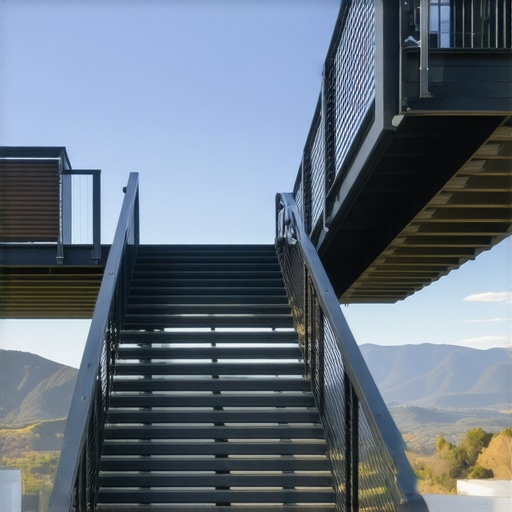
I remember the first time I built a deck, confident in my choice of materials until I realized that my stairs sagged after just a few seasons. The frustration of loose, creaking stairs is a familiar story for many outdoor living enthusiasts. It wasn’t until I discovered the power of hidden steel stringers that I truly understood the difference quality makes. Today, I want to share that lightbulb moment with you because your deck stairs deserve the best, especially as we look towards 2026 and beyond.
The Hidden Danger of Old-Style Stairs
Few things are more disappointing than a beautiful deck marred by unstable, squeaky stairs. Not only do they diminish the aesthetic appeal, but they also pose safety risks. And if you’ve ever tripped over uneven treads or watched your railing wobble, you know exactly what I mean. The common culprit? Poor support structures that fail over time. When building or renovating, the last thing you want is to discover your staircase isn’t up to the task when it’s too late. This is where the benefits of outdoor stair design with steel stringers come into play.
At the start of my journey, I made the mistake of choosing the cheapest support options. I didn’t realize that using traditional wooden supports without reinforcement might save money upfront but cost me in repairs and safety. The durability of materials matters, especially considering the changing weather patterns predicted for 2026. According to a recent report by the outdoor building experts, innovative solutions like hidden steel stringers are becoming essential in creating long-lasting decks that withstand the test of time and nature.
Is Hidden Steel Stringers Actually Worth the Investment?
This question often sparks skepticism. It’s natural to wonder if the extra cost and effort are justified. I’ve been there — that initial hesitation kept me from upgrading my stairs for years. But once I saw the stability, safety, and sleek appearance they provided, I wished I’d made the switch sooner. This approach not only enhances the structural integrity but also gives a cleaner, more modern look that complements composite decking styles perfectly.
As we prepare for the trends shaping outdoor spaces in 2026, incorporating hidden steel supports isn’t just a luxury — it’s becoming a savvy standard among seasoned deck builders. If you’re already tackling your outdoor upgrade or planning a new installation, understanding these options will save you headaches and dollars later.
Ready to explore how to integrate these innovative supports into your project? Stay tuned for practical tips and design ideas that will elevate your outdoor living experience. If you’re unsure about the next steps or want personalized advice, don’t hesitate to reach out. Your perfect deck starts with smart choices today!
Preparing Your Materials and Site
Start by selecting high-quality composite decking with proven heat resistance, such as the options outlined in composite decking choices. Clear the area where your stairs will go, ensuring a level, stable foundation. Use a level and stakes to outline the stair footprint. When I built my first set, I made a mistake by not checking the ground thoroughly, leading to uneven steps that I had to redo later – so always double-check your base.
Designing for Safety and Aesthetics
Decide on the number of steps, width, and tread depth. For safety, aim for at least a 12-inch tread and consistent rise, which reduces tripping hazards. Create detailed sketches or use an online stair calculator. I recommend considering the design principles for seamless transitions to ensure your stairs blend naturally into your deck. I once underestimated the importance of wider treads, which made my steps less comfortable to use, especially for elderly guests.
Constructing the Stringers
Build or purchase steel stringers designed for outdoor use. Use a metal cutting saw to trim the stringers to your calculated length. For each stringer, drill mounting holes at your marked positions. When installing, anchor the steel supports directly into the concrete or ground foundation using expansion anchors for stability. I once tried to save time by attaching wooden supports directly into the ground, which rotted quickly, but switching to steel supports dramatically improved durability and safety—the main reason I now advocate for hidden steel stringers.
Securing the Stringers
Attach the stringers securely to the deck framing with heavy-duty brackets, ensuring they are plumb and level. Use a carpenter’s level and check for slight deviations. I recall an instance where I didn’t level the stringers initially, resulting in uneven steps; I had to realign everything, which was a headache. Proper anchoring ensures your stairs are sturdy and won’t sway over time.
Installing Treads and Risers
Lay your composite treads—preferably with an anti-slip surface—on the stringers. Secure each tread with corrosion-resistant screws. Leave a small overhang (no more than 1 inch) to prevent water pooling and potential rot. I once neglected this detail, and water accumulation led to premature warping. Proper fastening and slight overhang help maintain your stairs’ integrity, especially during heavy rain or heatwaves.
Final Touches for Safety and Style
Add continuous handrails supported by metal brackets attached to the stringers or adjacent posts. Consider installing motion-activated lights—see lighting solutions for stairs. Finish by sealing the concrete landing pad with weatherproof coating to prevent cracking. For a sleek look, consider glass railings or modern balusters, referencing top stairs designs. Ensuring your stairs are both beautiful and safe requires attention to these precise steps, especially as climate trends in 2026 demand resilient outdoor structures.Many outdoor living aficionados believe they understand the essentials of building durable, attractive decks, but there are subtle pitfalls that even seasoned DIYers often overlook. One common misconception is that all composite decking is equally resistant to weathering; however, as highlighted in recent expert analyses, not all brands or styles perform well under extreme conditions like the 2026 heatwaves. Understanding these nuances can make the difference between a deck that lasts a decade or fails prematurely. Moreover, many think that standard joist spacing suffices, but in reality, improper spacing can lead to warping or sagging—especially when combined with inferior support materials. For an in-depth look into optimizing your deck support system, visit this comprehensive guide. One trap that often ensnares even experienced builders is assuming that traditional wooden support posts will hold up indefinitely. Reality suggests otherwise; moisture and climate fluctuations render wood supports vulnerable, whereas steel stringers with hidden fasteners provide superior longevity and safety. Remember, reinforcement strategies are critical—don’t delay upgrading support structures. Have you ever fallen into this trap? Let me know in the comments. When selecting materials, choosing the wrong type of composite can lead to warping, discoloration, or mold growth, which are common myths but false beliefs propagated by less-informed sources. Only certain brands with UV-resistant and mold-inhibiting additives truly withstand the 2026 heat and humidity challenges, as confirmed by these industry insights. For experienced builders, the takeaway is to verify certifications and test data; don’t rely solely on marketing claims. Additionally, many underestimate the importance of proper stair design—wider treads and appropriate riser heights greatly enhance safety and curb appeal. This is especially true as outdoor spaces become more stylish and functional in 2026. Remember, a well-designed staircase is not just about aesthetics; it’s a safety critical feature. Misjudging the load capacity of support beams or neglecting proper fasteners can result in creaking or, worse, structural failure. Always opt for heavy-duty, corrosion-resistant hardware and professional consultation if unsure. For example, advancing beyond amateur construction might involve consulting specialists or referring to expert advice to ensure your project withstands the test of time. The key is to recognize that every detail—from the choice of composite to support reinforcement—directly influences your decking’s durability and aesthetic appeal. Take this seriously, because cutting corners today can cost you significantly tomorrow. Have you encountered overlooked nuances that caused trouble later? Share your experiences in the comments. The path to a lasting, beautiful outdoor space requires awareness of these hidden pitfalls—because the devil is indeed in the details.
Maintaining a durable and beautiful deck requires more than just initial construction finesse; it demands the right tools, consistent practices, and attention to evolving trends. As outdoor living continues to grow in popularity, especially with innovative materials like composite decking, selecting specialized equipment makes a significant difference in long-term performance. One of my topgo-to tools is the Cordless Heat Gun. I use it regularly to carefully soften and remove old sealants or adhesive residues without damaging the underlying surface, which is crucial when re-sealing or refurbishing parts of your deck. For cleaning, I swear by the Electric Pressure Washer with Variable Settings—particularly models with ceramic pistons and adjustable PSI—to prevent surface abrasion while effectively removing dirt and mold. When working with composite materials, it’s essential to use compatible fasteners and adhesives, which can often be applied with an electric cordless screwdriver equipped with a torque control setting to avoid over-tightening that can crack boards. I also recommend investing in a quality Laser Level—the accuracy it provides is invaluable for keeping your stairs and deck planks totally level, extending their lifespan and safety. Checking and maintaining support structures periodically with a Digital Moisture Meter helps detect hidden rot or moisture buildup before it causes costly damage; moisture concerns are especially relevant as climate patterns shift, with increased humidity and extreme temperatures predicted for 2026. Prediction suggests that future outdoor maintenance will increasingly rely on smart, connected tools. Think about integrating a maintenance app that logs your inspections, or even using drone inspections for hard-to-reach areas—these innovations could revolutionize how we care for outdoor structures.
How do I keep my stairs and decks in top shape over years?
Consistent inspections are your first line of defense. Regularly check for loose fasteners, signs of rot or mold, and warping in boards. Applying a high-quality, UV-resistant sealant annually doesn’t just preserve color; it extends the life of your composite decking and supports structural integrity. When selecting a sealant, make sure it is compatible with your chosen materials, such as those outlined in guides on composite decking maintenance. I also suggest setting a schedule for replacing support components that show signs of wear—particularly steel supports, which offer superior long-term stability over traditional wood. For this, I rely on early warning signs outlined by industry experts to identify potential issues before they escalate. Embracing these advanced tools and techniques will future-proof your outdoor spaces, especially as standards evolve and materials face increased environmental stress. I highly recommend testing your deck’s moisture levels with a Digital Moisture Meter after heavy rains or at least seasonally—this proactive measure can save you from expensive repairs down the line. When you implement these practices, you’re not only maintaining your current deck but setting the stage for scalable outdoor living solutions as your needs grow. Ready to elevate your maintenance game? Consider integrating a smart monitoring system or scheduling routine inspections with your trusted tools. Want personalized advice tailored to your deck’s specific setup? Reach out today and take the first step toward long-lasting outdoor excellence.
What I Wish I Knew When Starting Out
One of the toughest lessons I learned was the importance of delving beyond surface-level materials. Initially, I thought a beautiful design would outweigh support quality, but costly sagging and safety issues proved otherwise. Now, I always prioritize reinforced, hidden steel stringers—these are game-changers for durability. Additionally, trusting industry insights over marketing hype has saved me from premature repairs; understanding composite decking’s real performance under climate stress has been eye-opening. The biggest revelation? Regular maintenance and smart upgrades, like moisture alarms and professional inspections, outperform cheap fixes every time. These lessons have transformed my approach to outdoor stairs and given me confidence that I can build with longevity and safety in mind.