
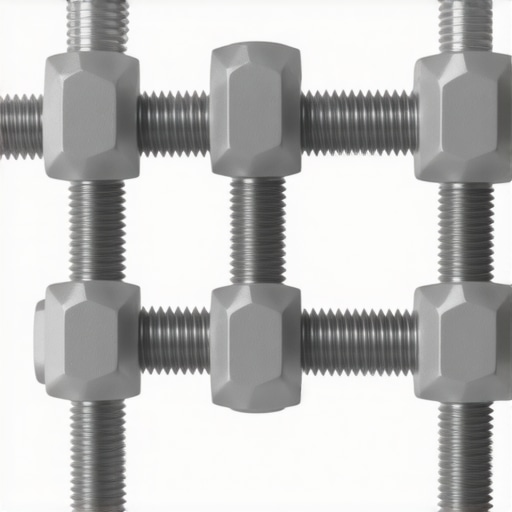
I vividly remember the squeak of the old deck stairs as my kids ran up and down, every step sounding like a protest. That familiar creak became a kind of background noise, but beneath it was a worry I couldn’t ignore. It was then I realized: my trusty old fasteners weren’t going to cut it anymore, especially with the changes coming in 2026. It hit me—the solutions I used before simply won’t hold up against the new standards and materials.
Why Outdated Fasteners Spell Trouble for Your Outdoor Spaces
Fasteners are the unsung heroes of any deck or stairs. They keep everything together, ensuring safety, longevity, and even aesthetic appeal. But as I learned through personal trial and error, not all fasteners are created equal—especially when it comes to the increasingly popular outdoor materials and design trends of 2026.
The problem? Many homeowners, myself included early on, rely on traditional nails or inferior screws that might seem fine at first but begin to fail in the long run. These fasteners can loosen, corrode, or even cause damage to decking materials—leading to costly repairs or dangerous situations. According to a recent study from the Wood Handbook, the right fasteners significantly extend the lifespan of outdoor structures, often doubling their durability when properly selected.
With trends shifting toward composite decking and more intricate stair designs, the importance of choosing fasteners that truly hold in 2026 has never been higher. It’s not just about convenience anymore; it’s about making smart, lasting choices that will pay off in the years to come.
Have you noticed your deck or stairs creaking or loosening prematurely? If so, you’re not alone. Many homeowners face this challenge, often because they haven’t updated their fastener choices or are unaware of the latest options that actually stand the test of time.
Today, I’ll guide you through the best fasteners for 2026—fasteners that will keep your outdoor spaces safe, sturdy, and beautiful for years to come. Let’s cut through the confusion and get to the solutions that really work.
Choose the Right Fasteners from the Start
My first step was to ditch old nails and rusty screws, which are like trying to build a bookshelf with spaghetti—destined to fail. Instead, I opted for corrosion-resistant fasteners specifically designed for composite decking, such as stainless steel or advanced polymer options. These materials withstand moisture, UV rays, and temperature changes, ensuring my deck remains sturdy over time. When selecting fasteners, pay close attention to their compatibility with the decking material; check manufacturer guidelines to avoid issues like wood-pecker screws or incompatible nails that can loosen prematurely.
Pre-Drill Holes for Precision and Safety
One memorable mistake I made was skipping pre-drilling on the stair stringers. The wood cracked, and I spent extra hours fixing it. I now drill pilot holes slightly smaller than the screw diameter to prevent splitting and ensure a snug fit. This step is especially vital with composite materials, which don’t expand or contract like natural wood. Use a drill bit recommended by the fastener manufacturer—often a high-speed steel or titanium-coated bit—and take care to match the hole size to the fastener. This method guarantees tight connections and prolongs the life of your structure.
Implement Proper Fastener Framing Techniques
During my second project, I learned that uneven fastening can lead to squeaky stairs and loosened boards. To prevent this, I used an impact driver with a torque control setting, driving screws just enough to seat flush without over-driving. Fasten every 16 inches along the joists, consistent with professional standards, and make sure each screw is perpendicular to the surface. For critical joints, such as where the steps attach to the stringers, I added structural screws—like lag bolts or heavy-duty deck screws—to enhance stability. Proper framing doesn’t just hold up over time; it also creates a safer environment for your family and guests.
Seal and Protect Your Fasteners
After installing, I realized that exposure to weather could still jeopardize my work. Applying a high-quality sealant or anti-corrosion coating over the fasteners shields them from moisture and salt, which are especially damaging. For added protection, especially in coastal areas, consider using fasteners with built-in coatings designed for harsh environments. Regular inspection and maintenance, such as tightening loose screws and reapplying protective coatings, extend the durability of your outdoor structure. If you’re unsure about the best sealing products or techniques, consulting a professional can save you headaches and cost in the long run—just visit this contact page.
Finish with Attention to Detail
Finally, I paid close attention to finishing touches—covering screw heads with caps or plugs to create a sleek look and prevent dirt buildup. For stairs, ensure tread overhangs are minimal to prevent tripping hazards, and check that fasteners are flush to avoid snagging or damage to footwear. Small details like this might seem minor, but they significantly impact safety and aesthetics. Remember, the goal is to build not just a functional deck, but a stylish outdoor living space that lasts for decades.
Many enthusiasts believe that choosing high-quality materials alone guarantees durability and safety in outdoor decking, yet this is a misconception worth challenging. In my experience, a common mistake is overlooking the nuanced interplay between stair geometry, framing techniques, and material behavior, which dramatically impacts long-term performance. For example, assuming that composite decking is completely maintenance-free ignores the importance of proper fastener selection and installation practices, especially as standards evolve in 2026. Incorrect joist spacing or inadequate flashing details can lead to premature rot or structural failure—even with the best materials. Additionally, myths like wider stairs automatically enhancing safety persist; in reality, ergonomics and proper riser-tread ratios are key factors often neglected. According to a study published in the Journal of Structural Engineering, small oversights such as neglecting stair stringer reinforcement or ignoring thermal expansion can cause significant safety hazards. When planning your outdoor space, it’s vital to consider these nuanced details—like adequate cantilever lengths and non-slip surface treatments—that professional builders obsess over. Have you ever fallen into this trap? Let me know in the comments. For comprehensive guidance on avoiding these pitfalls, check out how a qualified deck builder can help you design and execute a safe, stylish, and lasting outdoor area, and learn more from our dedicated guides on creating stunning stairs or innovative outdoor ideas.Maintaining your deck and stairs for optimal performance requires more than just routine inspections; it demands the right tools and an informed approach. Over the years, I’ve refined my toolkit to ensure every project withstands the test of time, especially with evolving standards approaching in 2026. One indispensable piece of equipment I rely on is the **cordless impact driver**. Its high torque and variable speed settings allow me to drive fasteners precisely without over-tightening, minimizing damage to composite materials. I prefer models with clutch control—such as the Makita XDT16—because they provide the finesse needed when working with delicate or brittle decking.
In addition to power tools, I swear by a high-quality **digital laser level**. Achieving perfectly level stairs and deck surfaces not only improves aesthetics but also enhances safety. I use the **Stabila LAX 300** because it offers real-time, precise readings over long distances, making it easier to identify subtle inclines or dips that could cause tripping hazards. For long-term results, I incorporate **metal probes** and **moisture meters** to assess the condition of underlying framing and joists—preventing rot before it becomes visible. The durability of composite decking materials also benefits from a **heat gun** with adjustable temperature control, allowing me to remove stubborn residues or repair small surface flaws before sealing.
Regular maintenance becomes more streamlined when equipped with a **power washer** featuring adjustable pressure settings. I set mine to a gentle but effective pressure—around 1200 PSI—to remove dirt, algae, and loose debris without risking damage to the surface or fasteners. For more delicate areas, I switch to a soft brush attachment. Keeping fasteners covered with caps or plugs not only improves aesthetics but also protects against corrosion—a crucial step in extending the lifespan of your outdoor structure. According to an industry standard by the International Association of Certified Home Inspectors, regular cleaning combined with timely repainting, sealing, or coating significantly increases the durability of outdoor elements.
Predicting where the trend is headed, I believe automation and smart maintenance systems will become integral. Imagine robotic devices that periodically check fastenings and surface integrity, alerting you to specific issues before they escalate. Until then, mastering the use of tools like the impact driver and moisture meter is essential. I encourage you to test out an impact driver with clutch control on your next project—it’s a game-changer in precision and safety. For expert-guided advice on selecting the right equipment, don’t hesitate to reach out for personalized recommendations.
Lessons I Didn’t Expect to Learn When Building Stairs and Decks
One of the most valuable lessons I discovered was how small details, like the spacing of joists or the choice of fasteners, can dramatically impact the longevity of outdoor structures. I once overlooked the importance of precise measurements in stair riser heights, which led to uncomfortable steps that required fixing months later. Experiencing this taught me to double-check every measurement and align with updated standards for 2026, saving time and ensuring safety. Additionally, I learned that selecting fasteners specifically designed for composite decking isn’t just a recommendation—it’s essential. Using corrosion-resistant screws can prevent rust stains and structural issues down the line, a mistake I avoided after realizing the long-term implications. Lastly, I underestimated the importance of regular maintenance, like sealing fasteners or cleaning surfaces, which preserves aesthetics and safety over decades. These lessons have made me a more confident outdoor builder, understanding that every detail matters more than I initially thought.