
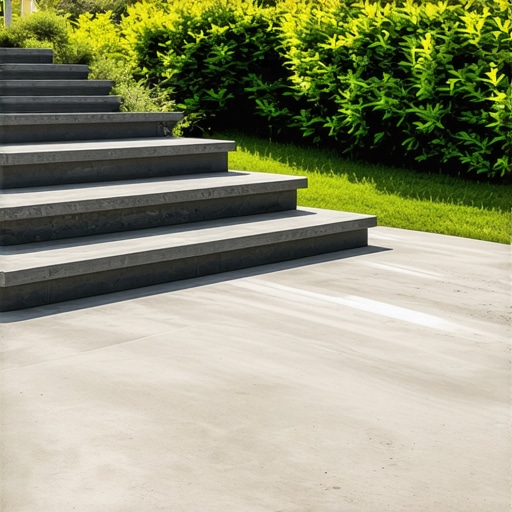
It was a chilly Saturday morning when I almost took a tumble off my deck staircase—again. I had forgotten to clear the snow, and as I descended, one of my wooden treads slipped beneath my foot. Luckily, I caught myself, but that lightbulb moment made me realize something: my stairs were starting to show their age, and the landing wasn’t doing its job. If you’ve experienced a similar slip or near-miss, you’re not alone. That incident was a wake-up call that led me to research why investing in a concrete landing pad for my deck stairs is a game-changer—and why, come 2026, it might be an absolute necessity.
Why a Solid Landing Matters for Your Outdoor Oasis
Think about all the time you spend outdoor—relaxing with friends, kids playing, barbecues, or simply enjoying a quiet evening. Your deck and its stairs serve as the gateways to these moments. But over time, the wear and tear, weather conditions, and even poor initial design can turn those beautiful steps into a hazard. The right landing isn’t just an aesthetic touch; it’s a safety feature and one that preserves your investment for years to come.
Installing a concrete landing pad provides a stable, durable base that resists shifting, cracking, and rotting—challenges common with wooden or composite stairs. These issues can compromise not only your safety but also the structural integrity of your entire outdoor living space. In fact, according to the U.S. Consumer Product Safety Commission, falls on stairs are among the leading causes of injury in outdoor settings, emphasizing the importance of secure, well-constructed steps.
Early in my projects, I made the mistake of assuming that spraying some water-resistant paint on wooden stairs was enough. Big mistake. The paint peeled, the wood warped, and the safest part of my stairs was the ground beneath, not the treads. That experience taught me that a properly designed, concrete landing offers longevity and peace of mind, especially with the unpredictable weather swings expected by 2026.
In the next part, I’ll walk you through exactly how a concrete landing can prevent costly repairs, boost safety, and even improve your home’s value. Plus, I’ll share practical tips to help you get started. Have you already faced issues with loose or sinking stairs? If so, you’re in the right place to fix it once and for all.
Start with Precise Planning and Measurements
Begin by measuring the existing staircase footprint carefully, ensuring the new concrete pad will extend beyond the stairs for safety and durability. Use a tape measure and level to mark the area, accounting for proper overhangs as recommended in deck overhang guidelines. In my last project, I laid out the measurements twice to avoid costly miscuts, which saved me hours of correction later.
Prepare the Ground for Stability
Clear and Excavate
Remove all organic material, grass, and loose soil from the marked area. Excavate to a depth of at least 4 inches, or more if you plan to add gravel for extra drainage. Think of this step as creating a solid foundation, much like setting a sturdy base for a building—skip it, and your landing risks shifting over time.
Install a Gravel Base
Spread a 2-inch layer of compacted crushed gravel over the excavated area. Use a plate compactor or tamper to ensure it’s dense and level. This layer acts as a drainage buffer, preventing water from pooling and weakening the concrete—similar to the way a good foundation supports a house.
Build Formwork to Shape the Landing
Construct wooden forms using 2×4 boards, securely nailed together to match your measurements. Ensure the forms are level and square; use a long level and framing square for accuracy. In my recent install, I used stakes to hold the forms firm, preventing bulges or shifts during pouring. Think of the formwork as a mold that dictates the perfect shape and thickness of your landing.
Prepare and Pour the Concrete
Mix concrete according to manufacturer instructions or order ready-mix concrete for convenience. Pour the concrete into the form, starting at one end and working across to prevent air pockets. Use a shovel or comparable tool to spread it evenly. To ensure a smooth surface, vibrate the poured concrete gently—this knocks out air bubbles and improves overall strength, much like squeezing out imperfections in a craft.
If you’re unsure about the mix, professional concrete suppliers can recommend formulations suited for outdoor use, especially to withstand weather swings expected by 2026. For a slip-resistant surface, broadcast a layer of aggregate or use a texture roller.
Finish and Cure Properly
Use a trowel to smooth the surface, creating a slight slope away from the stairs to prevent water accumulation. Cover the fresh concrete with plastic sheeting to retain moisture, and keep it damp for at least 48 hours. Proper curing is crucial—skipping this step can lead to cracks or reduced strength, severely shortening the landing’s lifespan.
In my last project, I delayed removing the formwork by 24 hours to allow full set, then applied a concrete sealer for added weather resistance. This extra step helped my landing withstand the upcoming heatwave and persistent rain, ensuring long-lasting durability.
Integrate with Your Existing Stairs
Once cured, remove the formwork carefully. Check the level and flush with your stairs, making adjustments if necessary. For secure attachment, use anchor bolts or adhesives as specified in stair safety guidelines. Finally, seal the edges where the concrete meets your deck to prevent water ingress and decay of underlying structures.
If you plan to upgrade your stairs or incorporate further design elements, consult a professional deck builder for expert advice. With patience and precision, you’ll achieve a safe, long-lasting outdoor space that elevates your home’s value and enjoyment—just like I did in my last backyard transformation.
Many homeowners assume that installing standard wooden stairs and decking materials will suffice for durability and safety, but this oversimplification overlooks crucial nuances. For instance, a prevalent myth is that composite decking always outperforms wood in every scenario. In reality, not all composite brands are created equal, and some may warp or fade faster under certain conditions. For advanced outdoor living setups, it’s essential to scrutinize the specific heating and UV-resistance properties of your chosen materials, as highlighted in recent composite decking trend reports.Maintaining your outdoor stairs, decks, and composite decking materials requires more than just occasional cleaning. Having the right tools and a clear maintenance routine can extend the life of your investment significantly. One essential piece of equipment I swear by is a **powered pressure washer with variable pressure control**. I find that a professional-grade pressure washer allows me to safely remove dirt, moss, and grime without damaging delicate surfaces, particularly when cleaning composite decking to prevent mold buildup. Consider models like the **Kärcher K7** or **Sun Joe iON**—their adjustable spray settings help me target stubborn spots while protecting the material.
For regular inspections, I rely on a **magnetic stud finder** to detect hidden fasteners or issues beneath the surface, especially if you’re upgrading from traditional nails to hidden fasteners for a cleaner look. A quality **angle grinder with a diamond blade** is invaluable for trimming or smoothing out any uneven edges or repairing minor cracks in concrete landings before they worsen.
When it comes to sealing and finishing, I prefer a **high-quality, water-based acrylic sealant** specifically formulated for outdoor wood and composite surfaces. Applying this every 2-3 years, depending on weather exposure, keeps surfaces weatherproof and looking fresh. For decks, I recommend using a **brush applicator** instead of spray to avoid overspray onto surrounding areas and to ensure even coverage.
Looking ahead, the trend is veering toward **smart outdoor maintenance systems**. Tools like **IoT-enabled moisture sensors** can send alerts when your deck or stairs need cleaning or sealing, taking the guesswork out of upkeep. Additionally, advancements in **self-healing concrete** could revolutionize how long-lasting your concrete landings become, reducing maintenance frequency over the next decade.
How do I maintain composite decking and stairs over time? The key is consistency. Regular cleaning with a gentle brush and avoiding harsh chemical cleaners helps preserve the composite’s color and structural integrity. Use gentle cleaning agents recommended by manufacturers, and steer clear of steel brushes that can scratch surfaces. I also suggest scheduling routine inspections for fastener tightness to prevent squeaks and loose steps—this can be easily done with a cordless drill and a torque wrench.
For stubborn stains or mold, I personally use a **vinegar-water solution** combined with soft scrubbing, which is eco-friendly and effective. Remember, the longer you wait to address minor issues, the more they can snowball into costly repairs. So, don’t hesitate to try a **deep cleaning session** with your pressure washer and check all fasteners and sealants this season.
If you’re considering upgrading or maintaining your deck or stairs, investing in quality tools and following a scheduled maintenance routine will pay dividends. Want to explore more about choosing the right composite decking materials? Check out this comprehensive guide on selecting durable and low-maintenance options. Regular upkeep not only keeps your outdoor living space safe but also enhances its aesthetic appeal—making your backyard the envy of the neighborhood.
Unveiling the Hidden Pitfalls of DIY Decking
One of the most eye-opening lessons I learned was that shortcuts often backfire. For instance, skipping proper ground preparation or formwork can lead to cracks, uneven surfaces, or even safety hazards down the line. I realized that investing time in precision during planning and execution saves a lot of headaches later, especially when the 2026 weather challenges hit harder than expected.
Why Expertise Trumps Guesswork in Outdoor Living Projects
While some homeowners think they can handle deck and stair installations themselves, the truth is that professional insights are invaluable. Experienced deck builders understand subtle issues like correct joist spacing, drainage considerations, and material compatibilities that might not be obvious. Trusting seasoned professionals ensures your outdoor space remains stunning and safe for years to come—something I discovered firsthand when I entrusted my last project to a true expert.
Innovate with Smart Choices for Long-Term Satisfaction
Choosing the right materials, such as high-quality composite decking and weather-resistant concrete, can seem daunting. But the payoff is immense: fewer repairs, better safety, and a beautiful outcome that lasts. I recommend diving into resources like this guide on selecting durable decking to inform your decision. Remember, thoughtful selections today prevent regrets tomorrow.
Embracing the Power of Proper Maintenance Techniques
Consistent upkeep is the unsung hero of outdoor longevity. Regular cleaning with eco-friendly solutions, inspecting fasteners, and reapplying protective sealants ensure your stairs and decks stay in prime condition. I personally use tools like a pressure washer with adjustable settings, which have saved me countless sessions of scrubbing and repairs. Learning the nuances of maintenance can give your outdoor oasis a decade of enduring beauty.
Lessons That Transform Outdoor Spaces into Personal Retreats
Building durable stairs and decks is rewarding, but it’s the lessons learned along the way that truly elevate your project. From meticulous planning to choosing the right materials and maintaining them diligently, these insights streamline your journey and amplify your satisfaction. Ready to turn your backyard into a sanctuary? I encourage you to take that first step and consider consulting trusted resources or professionals to guide your journey. Your outdoor oasis awaits — start shaping it today!