
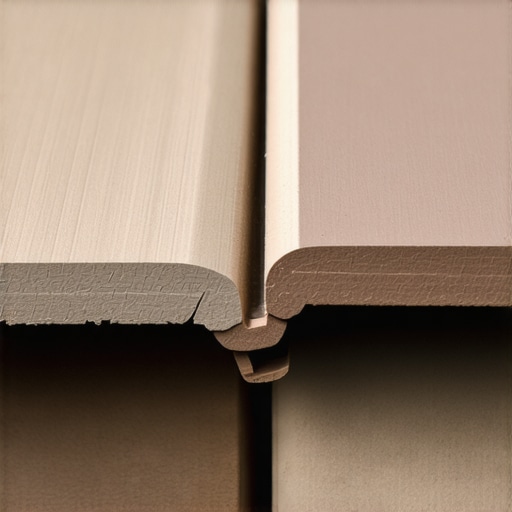
Let me take you back to a moment I won’t forget: standing on my deck, feeling the sharp chill of a loose stair tread wobbling beneath my feet. That sinking feeling of realizing I’d overlooked critical fastener mistakes early on was a wake-up call. I had invested so much effort into building a beautiful outdoor space, only to watch small issues creep in years before intended. Sound familiar? If you’re like me, you want your deck to last—and look great—without the constant worry of unexpected repairs.
Spotting the real culprits behind deck failure
Is it worth the fuss to get all the fasteners right?
Start with a Solid Plan for Fastener Placement
Before you drill, sketch out your deck layout, marking where each fastener will go. Think of it like laying out a quilt—precision ensures durability. During my last project, I used painter’s tape to mark the spots on the joists, which helped me keep track of every fastener’s position, reducing errors.
Choose the Right Fasteners for Your Materials
Select corrosion-resistant fasteners designed for outdoor use, like stainless steel or hot-dipped galvanized screws. For composite decking, special concealed fasteners or composite-compatible screws prevent staining and ensure a smooth finish. In my experience, using the proper fasteners saved hours of touch-up work and maintained the deck’s pristine look longer.
Pre-Drill Holes to Prevent Material Damage
Pre-drilling is crucial to avoid splitting the wood or damaging composite boards. Use a drill bit slightly smaller than the screw’s diameter, and drill at a consistent depth. During a recent build, I pre-drilled each hole, which made screwing in faster and prevented the boards from cracking, resulting in a cleaner, more professional appearance.
Maintain Consistent Fastening Tension
Apply steady, moderate pressure when driving screws to ensure they are flush or slightly below the surface. Over-tightening can strip the screw head or damage the material, while under-tightening may lead to loose boards. I once used a screw gun with a torque setting, which kept my fasteners uniform and saved me from future wobbling issues.
Use Special Fasteners for Stair Treads and Risers
Stairs require secure fastening to handle foot traffic. Use hidden fasteners or stair-specific screws that provide safety and a sleek look. During my last staircase project, I installed codes-compliant fasteners that prevented squeaks and ensured a stable footing, boosting safety and aesthetic appeal. Visit this guide for detailed stair fastening tips.
Protect Your Fasteners from Weather with Proper Sealing
Seal the screw heads and exposed fasteners with a high-quality outdoor sealant or paint to prevent moisture ingress. I remember sealing each screw with a waterproofing compound, which significantly extended the lifespan of the fasteners and prevented rust formation, especially in humid climates. Proper sealing is vital for maintaining deck safety and appearance over time.
Routine Inspection and Tightening
Regularly check your deck, especially after harsh weather. Tighten any loose fasteners immediately to prevent further damage. I schedule seasonal inspections, which help catch issues before they escalate, saving time and money. Learn more about maintaining your outdoor space at this resource for seamless deck maintenance tips.
Many homeowners and DIY enthusiasts believe that choosing the most affordable fasteners or sticking to generic building advice guarantees a durable outdoor space. However, as an expert in deck construction, I can tell you that nuances and misconceptions often lead to premature failures. For instance, a common myth is that all stainless steel fasteners are equally suitable for every climate. In reality, not all grades resist corrosion equally, especially in coastal or humid environments. It’s vital to select the appropriate fastener type; for example, marine-grade stainless steel offers superior longevity where saltwater exposure is high. Overlooking this can result in rust and compromised safety, which many underestimate until it’s too late.
Another misconception involves composite decking materials. Many assume that all composite boards are equally resistant to UV fading and temperature fluctuations. But recent studies indicate that some brands, especially those not properly formulated, may warp or fade within just a few years—a problem exacerbated by improper installation or neglecting manufacturer guidelines. Advanced users understand that selecting a high-quality composite with UV inhibitors and proper venting during installation enhances durability. Ignoring these details can turn a beautiful deck into an eyesore faster than expected.
When it comes to stairs, a prevalent mistake is assuming that standard treads and risers will suffice for outdoor use. The hidden nuance here is the importance of wider treads and slip-resistant surfaces. Narrow or slick stairs are a safety hazard, particularly when wet, and often overlooked by less experienced builders. Advanced builders consider these factors from the start, ensuring the staircase not only matches aesthetic goals but also complies with safety standards. For more expert tips on designing safe and stylish stairs, check out this detailed guide.
What advanced mistakes do even experienced builders make with composite decking and stairs?
One significant trap is neglecting proper flashing and sealing techniques at transitions and fastener points. Without these, moisture can seep behind boards or around fasteners, leading to wood rot or fastener corrosion despite using premium materials. A study published in the Journal of Building Engineering highlights how flawed flashing installation drastically reduces lifespan, regardless of material quality. Therefore, even seasoned builders must focus on meticulous sealing, which often gets underestimated. Always remember, the devil is in the details. If you want to see how expert builders elevate their projects, explore this resource.
Lastly, a frequent oversight involves relying solely on code requirements rather than recommended best practices. For example, installing stairs with the minimum width or riser height may meet safety codes but can compromise comfort and aesthetics. Advancing beyond these basics by designing for ease of use and visual harmony can greatly enhance outdoor living spaces. For innovative ideas and expert advice, visiting this inspiring collection can help refine your project.
Understanding these nuances isn’t just for perfectionists; it ensures your outdoor space remains beautiful, safe, and functional for years to come. Have you ever fallen into this trap? Let me know in the comments.
Keeping Your Deck in Peak Shape with Smart Tools
Investing in the right tools is essential for effective maintenance of your outdoor living space. I personally rely on a high-quality cordless orbital sander from models like the Makita BO5041 for surface refinishing. Its variable speed control allows me to gently sand down weathered composite boards without risk of damage, especially when preparing for resealing or stain application. A versatile rubber scraper also helps remove old sealants and debris from hard-to-reach spots, ensuring a thorough clean before sealing or painting.
For detailed inspections, a moisture meter such as the Wagner Meters MMC220 helps detect hidden rot or water intrusion, which is crucial in avoiding costly repairs down the line. Checking moisture levels periodically allows me to identify potential issues early, especially around stair stringers and fastener points where water tends to accumulate. This proactive approach is supported by numerous experts who emphasize regular moisture assessments to prolong deck lifespan.
Preferred Software and Scheduling Tips for Long-Term Care
Beyond physical tools, software like Trello or Asana helps me organize maintenance schedules. Setting reminders for annual inspections ensures I don’t forget to check fastener tightness, sealant integrity, and overall structural health. Incorporating digital logs of past repairs and maintenance routines enables tracking of recurring issues and planning for future upgrades, especially as composite decking trends evolve towards easier DIY fixes and smarter integrations.
Predicting future trends, I anticipate smart sensor technology becoming standard in outdoor decks, providing real-time alerts for moisture or structural stress—making maintenance even more streamlined. Embracing these innovations now sets you ahead, allowing for timely interventions that prevent deterioration.
How do I maintain composite decking over time?
Maintaining composite decking involves regular cleaning with gentle brushes and water, avoiding harsh chemicals that can degrade the surface. For stubborn stains or mold, I prefer eco-friendly cleaner solutions recommended by industry experts, like those outlined in this resource. Applying a fresh coat of UV protectant sealant every few years helps preserve color vibrancy and resist fading, especially in sun-exposed areas.
Additionally, inspecting fasteners and stair treads monthly ensures everything remains secure. Using a torque wrench on screws prevents over-tightening, which can cause composite warping. For stairs specifically, I recommend installing slip-resistant treads—an investment that greatly enhances safety and longevity. Remember, consistent attention is key; neglect accelerates wear and can lead to costly repairs. Try adopting a seasonal maintenance routine utilizing the tools and methods mentioned, and watch your outdoor space stay stunning and functional for years to come.

The Hardest Lessons I Learned About outdoor living,deck builder,composite decking,stairs
One of the toughest truths I faced was that even small oversights in fastener choices or stair design can snowball into costly repairs or safety issues later. I once thought that a quick fix was good enough, only to realize the importance of meticulous planning and high-quality materials through a wobbly staircase that had to be rebuilt from scratch—an experience that taught me patience and attention to detail are paramount in outdoor projects.
Curated Resources to Elevate Your Deck Game
For anyone serious about building durable outdoor spaces, I recommend investing time in top-tier deck-building guides. Additionally, books like “The Complete Guide to Deck Construction” have been game-changers in understanding the nuances of fastener selection and stair safety. Online communities at trusted deck builder forums offer real-world insights that keep my skills sharp and informed.
Build with Heart: Your Outdoor Space Awaits
Every project is an opportunity to transform your outdoor living into a sanctuary—crafted with purpose and care. Embrace the learning curve, and don’t shy away from experimenting with new materials or techniques. Remember, the journey of mastering deck building and stair design isn’t just about aesthetics; it’s about creating a safe, lasting space for memories to unfold. Start today, and let your outdoor space reflect your passion and dedication. If you’re ready to take the next step, check out this inspiring collection for ideas that will ignite your creativity.