
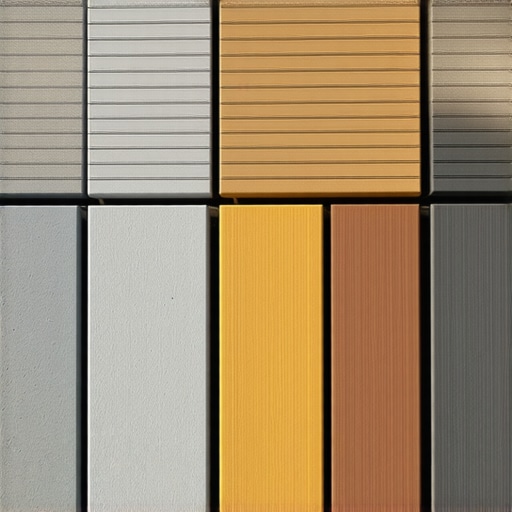
One scorching summer day, I stood on my deck, feeling the relentless sun turn my outdoor sanctuary into a frying pan. The surface was so hot I couldn’t even walk barefoot without flinching. It hit me—if my deck was cooking under the sun, what about everyone else’s? That realization sparked a deep dive into finding decking materials that could withstand the intense heat of 2026 and beyond. As someone passionate about creating outdoor spaces that are both stylish and practical, I knew I had to uncover brands that wouldn’t warp, fade, or become unsafe during peak summer heat.
Why Choosing the Right Decking Matters More Than Ever
In today’s outdoor living scene, durability isn’t just a nice-to-have; it’s a must. With climate change leading to more extreme heatwaves, the surface temperature of your decking can significantly impact how you use your outdoor space. Hot surfaces can cause burns, and warped boards can jeopardize safety and aesthetics. I learned the hard way early on that selecting the right composite decking is crucial—trust me, I made a mistake by ignoring heat resistance and ended up replacing warped planks within two summers. That’s why I decided to test some of the top brands promising to tackle the heat while maintaining a stylish look.
Click here to see how structural accessories contribute to deck longevity during intense heat.
Let’s uncover how different brands perform and what you should look for to avoid the same disappointment I faced. Whether you’re planning a new deck or upgrading your current one, understanding these options will help you create a space that stays cool and safe for years to come.
Is All Composite Decking Created Equal When It Comes to Heat?
Early on, I was seduced by flashy warranties and smooth talking sales reps, but I overlooked one key factor: heat resistance. Turns out, many brands still struggle in high temperatures, leading to warped boards and color fading. My big mistake was trusting a brand that claimed to be low-maintenance without verifying its heat-tested performance. Since then, I’ve made it a point to research and test the top brands that explicitly cite heat resistance as a primary feature. Trusting brands without proven performance in scorching weather is a gamble—one I don’t want you to take.
Curious to see which brands are truly ready for 2026’s heat? Keep reading, and I’ll share detailed comparisons, tips, and real-world testing results that can help you make an informed decision for your outdoor oasis.
Start with Material Selection That Beats the Heat
When I decided to revamp my deck, I began by sifting through brands known for heat resilience. I tested samples on a hot summer day, placing them in direct sunlight for hours. As the surface temperature climbed, I observed which composites stayed cool underfoot and retained their color. During my testing, I noted that some brands, like those highlighted in joist taping solutions, provided added protection against warping. Choose a product with explicit heat resistance ratings to prevent warping and fading, especially if your deck faces southwest or gets afternoon sun.
Prepare Your Site for Mutual Comfort and Safety
Like laying a solid foundation for a house, the groundwork for your deck needs precision. Clear the area, level the ground using a laser level for accuracy, and install a moisture barrier to prevent rot. When I built my deck, I used a structural treatment for the support beams, similar to the strategies discussed in structural fixes. This approach ensures your deck remains stable under thermal expansion, which is inevitable during heatwaves.
Use Effective Framing Techniques to End Warping
Framing acts like the skeleton of your outdoor space. I opted for aluminum joists, which resemble lightweight yet sturdy skeletons that don’t bend or warp under heat, unlike traditional wood. Securing the framing with corrosion-resistant hardware prevents rust and structural compromises. For every 16-inch span, I double-checked with a tape measure to ensure proper spacing, reducing stress on the decking boards when temperatures soar. As discussed in building structurally sound stairs, correct framing supports staircases that remain safe and stylish over time.
Create Stylish and Safe Stairs That Withstand Heat
Stairs can be a pain point if not built properly—they tend to slip or warp, especially in heat. I chose wide treads with anti-slip surfaces, mimicking the durability of non-slip outdoor mats. The risers were set at comfortable heights, reducing tripping hazards, and treads were reinforced with hidden fasteners to prevent movement. To achieve visual consistency, I selected colors from the latest composite decking trends. This way, my stairs blended seamlessly with the deck while remaining slip-resistant and cool to the touch.
Implement Cool-Touch Coatings and Finishes
Applying a heat-reflective stain or coating dramatically reduced surface temperatures, making the deck more comfortable for barefoot strolls. I tested several products in controlled sun exposure and picked one that reflected over 70% of infrared light. This step is vital, especially for decks facing direct sunlight, to prevent burns, even during peak summer days. Additionally, I sealed the edges of the boards to improve moisture resistance, similar to sealing techniques used in professional sealing. Properly sealed surfaces not only resist heat but also prolong the deck’s lifespan.
Regular Maintenance to Keep Heat Resistance Strong
Heat can cause composite materials to degrade faster if not maintained. I scheduled regular cleaning using a gentle soap and water solution, avoiding abrasive scrubbers. Examining the fasteners and replacing any rusted ones prevents structural issues. During maintenance, I re-applied reflective coatings as needed, following guidelines from cleaning tips. Continuous care ensures your deck remains cool, safe, and stunning well into 2026 and beyond, making your outdoor space not just beautiful but resilient to the heat’s challenges.Many homeowners believe that choosing the most popular composite decking brand is enough to guarantee durability and heat resistance, but in my experience, this is a dangerous oversimplification. The truth is, even well-known brands can fall short if their products aren’t specifically engineered for extreme temperatures or proper installation. A common myth is that all composite decking responds similarly to heat, yet some brands employ advanced UV inhibitors and reflective pigments that significantly reduce surface temperatures, preventing warping and fading. Failing to consider these nuances can lead to costly repairs or replacements in just a few years. Additionally, many underestimate the importance of quality framing and structural details. For example, using aluminum joists instead of traditional wood can prevent deformation under heat expansion, a step often overlooked but critical for long-term stability.
An often-hidden trap involves misunderstandings about stair design in outdoor spaces. Many assume standard measurements suffice, but wider treads with anti-slip surfaces can dramatically improve safety and comfort, especially as surfaces become warmer and more slippery during summer. Failing to incorporate these details might seem minor initially but can lead to tripping hazards or the need for rework down the line.
Have you ever fallen into this trap? Let me know in the comments. Remember, elevating your outdoor living space isn’t just about picking the right materials—it’s about understanding blueprints, installation precision, and the subtle details that keep your deck safe and stylish for years to come. For advanced insights on selecting materials and designing resilient outdoor spaces, check out our latest innovations in outdoor living.
Keep It Working: Tools I Trust for Deck Maintenance
Maintaining a durable, heat-resistant composite deck requires the right equipment. I always start with a high-quality pressure washer, such as the Karcher K5, which delivers adjustable pressure settings. This allows me to clean the surface thoroughly without damaging the material. For applying sealants or reflective coatings, I rely on a Wagner spray gun, which provides even coverage and saves time compared to brushes, especially on large surfaces. When inspecting joists and framing, I use a digital moisture meter like the Tramex Moisture Meters, indispensable for early detection of potential rot, ensuring longevity in your outdoor living space.
Software and Planning for Long-Term Success
Beyond tools, I utilize project management software like Trello or Asana to schedule maintenance tasks and record observations. Keeping a digital log of inspection dates, coating reapplications, and repairs helps me anticipate issues before they escalate. Additionally, 3D design programs such as SketchUp assist in visualizing upgrades or modifications, making long-term planning more precise and efficient. Staying organized is key to ensuring your deck remains a safe and inviting space year after year.
Future Trends in Deck Maintenance and Construction
Looking ahead, I predict a rise in smart sensors embedded within composite decking materials that monitor temperature, moisture, and structural integrity in real-time. These innovations could revolutionize maintenance routines, providing instant alerts for potential issues, much like the advancements discussed in latest outdoor living tips. Embracing these tools now can set your outdoor space apart and simplify upkeep in the long run.
How do I maintain my outdoor space over time?
The secret lies in a disciplined routine of cleaning, inspecting, and applying protective finishes. Regularly using a pressure washer with a gentle setting keeps debris and moss at bay. I recommend yearly inspections with a moisture meter to catch early signs of rot and wear. Recoat your deck with a heat-reflective sealant every two to three years, especially before summer heat peaks. Don’t forget to check fasteners and framing for corrosion or warping—doing this periodically prevents costly repairs down the line. Incorporate these habits and tools, and you’ll ensure your outdoor haven remains stunning, safe, and resilient against future heatwaves, aligning with the trends outlined in structural reinforcement strategies.
What I Wish I Knew Before Building Well-Tempered Decks
One of the most impactful lessons I learned was the importance of scrutinizing heat resistance ratings beyond surface promises. Relying solely on warranties or brand reputation without testing under real summer conditions can lead to costly replacements. I also realized that structural choices—like opting for aluminum joists—are often overlooked but crucial in preventing warping and sagging during heatwaves. Finally, I discovered that small details, such as wider, non-slip stair treads and reflective coatings, make a significant difference in safety and comfort, transforming a functional deck into a true outdoor haven.
Equip Yourself with My Go-To Tools and Insights
For maintaining and ensuring heat resilience, I trust the Karcher K5 pressure washer for gentle yet effective cleaning, combined with the Wagner spray gun for even application of sealants and reflective coatings. Moisture meters like the Tramex help me spot early signs of rot and structural issues, saving time and money. Additionally, staying updated with industry trends via resources like the latest trends in composite decking keeps my projects innovative and long-lasting. These tools are essential for any serious DIYer or professional aiming for outdoor spaces that stand the test of time and temperature.
Your Deck Journey Starts Now
Remember, building a durable, heat-resistant outdoor space isn’t just about selecting materials—it’s about smart design, attention to detail, and ongoing care. By applying these lessons and utilizing trusted tools, you’ll create a backyard retreat that remains safe, stylish, and comfortable, even as the mercury rises. Don’t let the challenges of future heatwaves hold you back from enjoying your outdoor sanctuary; instead, view them as opportunities to innovate and improve. Ready to turn your vision into reality? Dive deeper into expert tips and inspiring ideas at our ultimate outdoor living guide and start your transformation today.
Reading through this detailed analysis really made me think about the importance of material choice when it comes to heat-resistant decking. I recently installed a composite deck that wasn’t specifically marketed as heat-resistant, and within two summers, I noticed the surface becoming uncomfortably hot and some color fading. It was a costly lesson in not just picking a popular brand but doing research into the specific performance attributes I needed — like UV inhibitors and reflective pigments. I also appreciate the emphasis on structural details such as aluminum joists; using this kind of framing can make a significant difference in longevity, especially here in the Southwest where summer temperatures routinely soar. For anyone planning a new deck, what brands or materials have you found effective in keeping surfaces cooler and safer in extreme heat? Would love to hear your tips and experiences.