
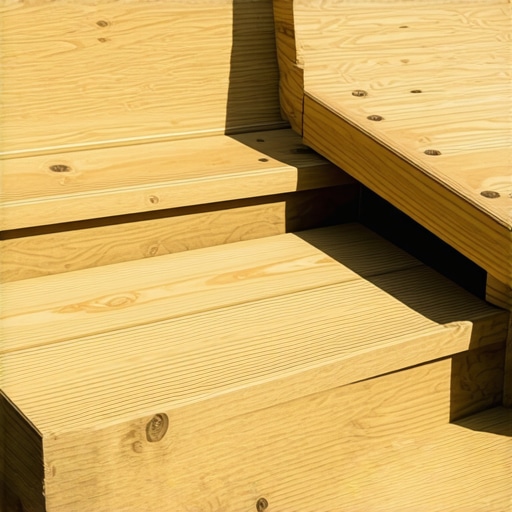
One summer evening, I stepped onto my deck stairs, expecting a sturdy, inviting path to enjoy my backyard. Instead, I was greeted by a unsettling wobble that made me nervous with each step. That lightbulb moment made me realize how vital safe, stable outdoor stairs are—not just for aesthetics but for peace of mind and safety. Have you ever experienced that loose, wobbly sensation when walking up your deck stairs? If so, you’re not alone. In my journey to improve my outdoor space, I discovered that many homeowners face the same issue, often due to overlooked installation details or material fatigue. Today, I want to share reliable fixes to stop the sway and ensure your stairs stand firm for years to come.
The importance of stable outdoor stairs
Outdoor stairs connect us to our gardens, patios, and outdoor entertaining areas. They’re more than just functional; they shape the overall look and feel of your backyard. But when these steps begin to sway or creak, it’s not only an eyesore but a safety hazard. According to the expert deck builders, unstable stairs can lead to accidents, especially for children, seniors, or anyone carrying heavy loads. That loose feeling can turn an enjoyable evening into a risky situation in the blink of an eye. Recognizing this problem early can prevent injuries and costly repairs later. For me, realizing that my stairs were a ticking time bomb prompted me to dive into solutions that deliver both durability and style—without breaking the bank.
Ever wonder if your stairs are a ticking safety time bomb?
One mistake I initially made was assuming that regular wear was normal and inevitable. I thought tightening screws every spring would solve the issue. Wrong! The problem wasn’t just superficial wear but foundational flaws that require more comprehensive fixes. As I learned through experience— and confirmed by seasoned professionals—properly addressing the sway involves understanding the root causes and tackling them systematically. That’s what I’ll guide you through now. Ready to make your outdoor stairs as solid as the day they were built? Let’s get started with the three proven fixes that have transformed my deck and could do the same for yours.
Assess the Root of the Wobble
Start by inspecting your stairs thoroughly. Look for loose screws, cracked or rotted wood, or shifting supports. I once noticed a stair treading wobble when I stepped on it; upon inspection, I found a loose stringer connection. Tighten all visible screws with a drill, and replace any damaged wood segments. Use a level to check if the stairs sit flush on all sides. Ensuring the framework is solid is like tightening the foundation of a house—it prevents future issues and maintains safety.
Reinforce Structural Supports
Clean and Tighten Joints
Remove debris, then re-tighten every bolt, screw, or nail holding the stringers to the deck and stairs. I learned that over time, fasteners can loosen due to weather and material fatigue. Replacing rusty or stripped screws with corrosion-resistant ones is a smart move. Think of this step as tightening the bolts on a bike; it keeps everything aligned under pressure.
Add Support Brackets for Extra Stability
If your stairs wobble even after tightening, consider installing metal support brackets at the joints. Position a bracket at every unstable connection for reinforcement. I used L-brackets to secure the stringers to the deck frame, which dramatically reduced sway. These brackets act like bones, providing additional strength where the wood alone might falter.
Replace or Repair Damaged Materials
Identify any cracked, rotted, or warping wood and replace it. For composite decking, sourcing material that matches your existing boards is essential. Use exterior-grade screws to align with your deck’s durability standards. When I replaced a rotting stair tread, I opted for composite decking boards, which resist moisture and decay better than traditional wood. Consider this step as upgrading your parts to something more resilient—think of it as swapping out worn-out tires for high-performance ones to ensure safety and longevity.
Seal and Protect Your Stairs
After repairs, apply a weatherproof sealant suitable for outdoor wood or composite materials. This step shields your stairs from moisture infiltration and UV damage. I applied a clear sealant to my wooden stairs, which preserved their look and prevented future rot. Regular sealing acts like a shield, making your stairs more resistant to the elements and extending their lifespan. Keep in mind, for composite materials, choosing a cleaner designed for plastics will maintain their appearance without damaging the surface or voiding warranties.
Regular Maintenance Checks
Schedule seasonal inspections to catch issues early. Tighten loose fasteners, check for new cracks, and clean debris such as leaves or dirt that can trap moisture. I marked my calendar to review the stairs every spring and fall, preventing small problems from escalating. Think of regular maintenance like dental checkups; small, consistent visits prevent major ailments later. Staying proactive saves money and keeps your outdoor stairs safe for family and guests.
Implementing these steps turned my unstable deck stairs into a firm, safe pathway. Each repair added layers of durability—transforming a shaky step into a sturdy feature of my outdoor oasis. Want more innovative ideas for outdoor improvements? Visit this guide for inspiration on creating seamless transitions and stunning outdoor spaces.
When it comes to outdoor construction projects, many homeowners operate under assumptions that can hinder their success. One prevalent myth is that choosing cheaper materials guarantees savings without sacrificing quality; however, this oversimplification ignores the nuanced reality that premium materials like advanced composite decking often provide better long-term value due to durability and low maintenance needs. Relying solely on price can lead to costly repairs or replacements sooner than expected. Additionally, a common misunderstanding is that standard fasteners are sufficient for all weather conditions—professional-grade, corrosion-resistant hardware is essential, especially in humid or salty environments, to prevent early failure of your deck or stairs. Investing in quality fasteners isn’t just a recommendation; it’s a critical step in ensuring safety and longevity, which is something seasoned experts emphasize, such as those from top decking trend reports.
Another trap many fall into concerns the installation techniques for stairs. Do-it-yourself solutions often compromise structural integrity by neglecting precise framing and support calculations. For example, neglecting to reinforce stringers with support brackets can lead to wobbliness that initially seems minor but can escalate into safety hazards over time. Advanced builders understand the importance of proper load distribution and may recommend techniques like wider treads or increased support beams, elevating aesthetics and safety simultaneously. For those aiming for both style and durability, consulting expert advice—like in this comprehensive guide—is invaluable. Remember, the goal isn’t just a visually appealing deck but one that withstands the test of time and elements.
Are Modern Composite Materials Truly Better Than Traditional Wood?
This question touches on a sophisticated misconception. Many believe that composite decking is solely a low-maintenance alternative to wood with no downsides. However, recent studies, such as those highlighted in trend analyses, reveal that while composites excel in resistance to rot and insects, they can suffer from heat distortion or fading if not properly specified and installed. The nuanced choice lies in selecting the right composite type—capped versus uncapped, for example—and understanding how local climate impacts material performance. An overlooked nuance is that some less durable composites may warp or degrade faster under intense UV exposure or high temperatures, common in regions experiencing climate extremes. Thus, engaging with professionals who grasp these subtleties can save you from premature failures, making your outdoor living area a true sanctuary rather than a recurring expense. Don’t forget, choosing the right material is only part of the puzzle; proper installation amplifies its benefits, as discussed in this expert guide.
Ultimately, understanding these hidden nuances and challenging the myths prevalent in the industry empowers you to make informed decisions. My advice is to prioritize quality and expert input over shortcuts and assumptions. In my experience, such diligence results in outdoor spaces that are not only beautiful but structurally sound and long-lasting. Have you ever fallen into this trap? Let me know in the comments.
Keeping your outdoor deck and stairs in top shape requires more than just occasional cleaning; it involves using the right tools and methodologies that can stand up to the elements and deliver long-term performance. Personally, I swear by a combination of high-quality equipment and systematic routines that make maintenance both manageable and effective. In this section, I’ll share some of the tools I recommend, explain why they matter, and predict future trends in outdoor maintenance that could streamline your efforts further.
Prioritize Quality Power Tools for Durable Repairs
When it comes to structural repairs, I rely heavily on a cordless impact driver. Its high torque and ease of use make tightening fasteners more efficient and less tiring—especially after a long day of deck work. I opt for models with brushless motors, such as the Milwaukee M18 FUEL series, because they offer longer battery life and withstand frequent use without breaking down. For repetitive tasks like screwing down composite decking boards, a cordless nailer equipped for outdoor use saves time and ensures consistent fastening. These tools are a worthy investment, helping me maintain stability and avoid issues like loose fasteners that can lead to wobbly stairs later on.
Use Precision Measuring and Inspection Devices
Accurate measurements are critical when reinforcing or replacing parts of your deck. I use a laser distance meter, like the Bosch GLM 50 C, which provides quick, precise readings even over larger spans. It helps identify uneven supports or shifting elements early, so I can address minor issues before they become major repairs. Incorporating an electronic level further improves accuracy during framing and support reinforcement, ensuring everything sits flush and is properly aligned. Regular inspections with these tools have helped me extend the lifespan of my deck and stairs, saving money and avoiding safety hazards.
Embrace Automation and Software for Long-Term Results
As technology advances, software tools like project management apps become invaluable. I use a dedicated maintenance calendar app with reminders to schedule seasonal checks—an essential practice for outdoor structures. Additionally, some professionals advocate using sensor-based systems embedded in the structure to monitor stress and detect early signs of wear, though such tech is still evolving. Looking ahead, I predict that smart sensors integrated into composite decking and stair supports will become more common, offering real-time data to preempt issues and facilitate proactive maintenance, ultimately saving homeowners from costly repairs.
How do I keep my outdoor structures in prime condition over time?
Maintaining your deck and stairs demands consistent effort and the right tools. Regular cleaning with pressure washers, combined with applying weatherproof sealants using quality applicators, helps preserve the appearance and integrity of composite and wooden surfaces. I recommend investing in a versatile power washer like the Karcher K5 Compact, which handles dirt and grime effectively without damaging delicate finishes. Additionally, routine inspections using laser tools and levels ensure all supports stay solid, preventing dangerous wobbling. For long-term success, I also keep an eye on evolving trends, such as the integration of smart sensors—an exciting development that could revolutionize outdoor structure monitoring in the near future. To get started, try upgrading your routine with a professional-grade impact driver and a laser measurement device to make minor repairs more precise and less cumbersome. These tools can be a game-changer in your maintenance arsenal, ensuring your outdoor living spaces remain safe and stunning for years to come.
Lessons that Changed My Approach to Outdoor Living
- Realizing that superficial fixes like tightening screws only masked deeper issues taught me to assess the structural integrity comprehensively; it’s about addressing root causes, not just surface problems.
- Understanding the nuances of composite materials versus traditional wood in specific climates helped me select the right materials, saving me from costly repairs and frustration.
- Embedding regular maintenance routines and investing in quality tools revolutionized my ability to keep outdoor stairs safe and attractive, turning upkeep from a chore into a process I actually enjoy.
Tools and Resources That Elevate Your Outdoor Building Game
- The Milwaukee M18 FUEL impact driver became indispensable for securing fasteners quickly and reliably, providing peace of mind during every repair or reinforcement.
- A laser distance meter like the Bosch GLM 50 C offered unmatched precision, allowing me to spot issues early and plan effective interventions with confidence.
- For inspiration, the trend reports on composite decking trends 2025 opened my eyes to emerging materials and techniques that push backyard aesthetics forward.
- The comprehensive guides and expert blogs I consulted, especially those linked in transform your space, enriched my understanding and skills tremendously.
Your Next Step in Outdoor Excellence
Building resilient, beautiful outdoor stairs is both an art and a science—one that rewards patience, learning, and attention to detail. Start small: upgrade your tools, evaluate your existing stairs critically, and embrace ongoing maintenance as part of your outdoor lifestyle. The next chapter of your outdoor space awaits—take action now and transform your backyard into a safe, stylish haven that endures for years to come. Remember, even the most impressive decks are only as good as the steps you take to build or repair them. Are you ready to elevate your outdoor living game and make your stairs a true centerpiece? I’d love to hear your plans in the comments below!