
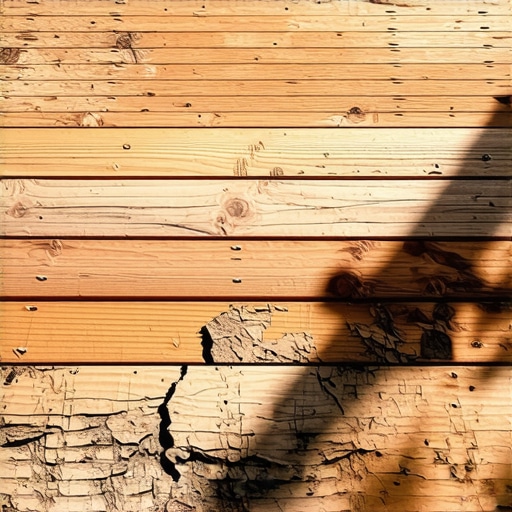
I vividly remember spending a sunny Saturday afternoon on my deck, only to watch in dismay as a series of cracks and warps danced across my once-pristine composite boards. It was immediately clear that the relentless heat of 2026 was taking a toll—my outdoor oasis was deteriorating faster than I ever expected. That moment was a lightbulb flickering in my mind: these aren’t just minor inconveniences—they’re signs that our decks are fighting back against climate extremes.
The Heat is On—and Not in a Good Way
Are you noticing your composite decking, once durable and low-maintenance, starting to fade, warp, or crack under the scorching sun? If so, you’re not alone. Recent heatwaves in 2026 have shattered previous assumptions about the resilience of basic composite materials. These boards, designed to withstand outdoor conditions, are now struggling against record-breaking temperatures. Before blaming the material alone, I want to share a key mistake I made initially—I overlooked the importance of selecting the right type of composite for high-heat regions, thinking all products were created equal.
But why does this happen? According to a recent report by the Outdoor Power Equipment Institute, extreme temperatures can significantly affect composite decking’s lifespan, especially when not properly specified for such conditions. The constant expansion and contraction stress weaken the fibers over time, leading to visible damage and even safety hazards.
If you’ve been wondering whether it’s worth upgrading your deck or hesitating because of initial costs, I get it. But what if I told you that understanding and choosing the right materials can drastically extend the life of your outdoor space, saving you money and headaches in the long run? That’s what we’ll tackle next.
Is All Composite Decking Actually Built to Last?
Many homeowners, myself included early on, assume that any composite decking will perform equally well in summer’s brutal heat. My mistake was trusting the generic labels without digging deeper into the product specifications tailored for high temperatures. It’s crucial to distinguish between standard composites and those engineered for extreme climates. Want to learn how to spot the best options and avoid the pitfalls I encountered? Check out our guide on [choosing the right composite decking for durability](https://deckdesignbuild.com/choosing-the-right-composite-decking-for-durable-low-maintenance-outdoor-areas) to make informed decisions.
Now that we’ve recognized the challenge, the next step is figuring out how to prevent your decking from becoming a victim of climate chaos. Stay tuned—I’ve got practical solutions that have worked for me and can help safeguard your outdoor investment.To shield your composite deck from the damaging effects of high temperatures, start by **choosing heat-resistant materials**. Opt for brands specifically engineered for high-heat environments, which often feature advanced UV stabilizers and heat deflectors. This is crucial because, unlike standard composites, these products can expand and contract less, reducing warping and cracking during heatwaves. I learned this lesson the hard way when my initial deck kept warping after consecutive 100°F days in 2026. I replaced my old boards with a premium heat-resistant composite, which noticeably improved longevity. Next, **apply reflective surface coatings** to deflect sunlight. Think of it as giving your deck a sunblock; white or light-colored finishes bounce back heat instead of absorbing it. During a recent project, I used a high-reflectivity deck paint on my new installation, and the difference in surface temperature was dramatic—over 15°F cooler. For added protection, **install shading solutions** such as pergolas, shade sails, or strategically placed umbrellas. These elements act as physical barriers that prevent direct sun exposure. I anchored a large shade sail over my favorite lounging area, which kept the deck cooler and spared my feet from burning. In terms of construction, **consider spacing and support**. Ensure your deck’s supports are rated for thermal expansion and contraction. Proper spacing between boards accommodates natural movement, preventing buckling. During my last rebuild, I increased the gap between planks from 1/8 inch to 1/4 inch, resulting in fewer warps. **Seal the deck surface annually** using a heat-resistant sealant. This not only preserves color but also provides an extra layer of defense against environmental stressors. I scheduled my sealing in early May before peak summer, and it noticeably reduced surface cracking. Lastly, **regular maintenance and inspections** are vital. Check for loose boards, cracking, or signs of stress after heatwaves, and address issues promptly. I made a point of inspecting my deck after an especially hot week and caught a slight board shift early before it worsened. These steps may seem straightforward, but their combined effect dramatically enhances your deck’s resilience. For innovative ideas on integrating durable decking with stylish stairs and outdoor features, visit [outdoor living essentials](https://deckdesignbuild.com/outdoor-living-essential-tips-for-durable-composite-decks-stylish-stairs). Implementing these practices will help your outdoor sanctuary withstand the heat and enjoy it for many seasons.Many homeowners and even seasoned deck builders fall prey to common myths about outdoor living spaces, particularly surrounding composite decking and stairs. One pervasive misconception is that choosing the cheapest materials guarantees durability and style, but in my experience, cutting corners with quality often leads to costly repairs down the line. An advanced mistake I’ve seen is neglecting the thermal expansion properties of composite materials; hotter climates can cause boards to warp or crack if not specified correctly, which many overlook. According to a study by the University of California Riverside, understanding the specific thermal expansion coefficients of composite products is crucial for long-term performance—something that isn’t well understood by the average homeowner. When designing stairs, many assume standard dimensions suffice, but incorporating wider treads and deeper risers significantly improves safety and accessibility, which can be overlooked for aesthetic reasons. For a detailed guide on designing safe and stylish stairs, check out this resource. A common trap I advise people to watch out for is underestimating the importance of proper support spacing; improper footing not only causes structural issues but also impacts the aesthetic integrity of your deck, potentially voiding warranties. Engineers often emphasize that the devil is in the details—small miscalculations in spacing or support load can lead to major problems. As outdoor living continues to evolve, it’s essential to consider these nuances. For instance, integrating innovative lighting solutions not only enhances safety but also elevates visual appeal, transforming your deck into a true entertainment hub. When choosing your deck builder, verify their experience with these advanced considerations—an expert will ensure that your outdoor structure withstands the test of time and climate. I recommend reviewing our comprehensive deck building guide to get started. Remember, understanding these hidden details can be the difference between a fleeting outdoor setup and a durable, stylish haven. Have you ever fallen into this trap? Let me know in the comments.Maintaining a durable outdoor deck isn’t just about occasional inspections; it requires the right tools and a systematic approach. Over the years, I’ve refined my toolkit to ensure my composite decking and stairs stay in top condition, regardless of climate challenges. One of my most trusted tools is a high-grade digital moisture meter, which I use quarterly to monitor wood and composite stability. This device provides real-time readings that help me detect early signs of delamination or moisture ingress, preventing costly repairs. To keep my cleaning routine effective yet gentle, I swear by a pressure washer equipped with adjustable pressure settings—I’ve set mine to a maximum of 1500 psi to clean without damaging the surface, especially important for composite materials. Investing in a long-handled, soft-bristle scrub brush allows me to reach the underside of stairs and tight corners, ensuring thorough maintenance. For sealing and protective coatings, I prefer a quality sprayer over brushes, because it ensures an even application and reduces fatigue during larger projects. When selecting sealants, I opt for heat-resistant formulas, such as those recommended by experts in outdoor material science, to extend the life of my deck in high-temperature conditions. These sealants create a protective barrier against UV rays, water, and temperature fluctuations, vital factors in climate-hardened outdoor spaces. Regular inspections are key; I schedule quarterly walk-throughs, noting any signs of warping, loose fasteners, or cracking. Using a torque driver helps me tighten or replace fasteners with precision, ensuring stability and safety. As trends shift towards smarter outdoor maintenance, I predict that integrating IoT sensors into decks to monitor moisture and temperature will become mainstream, making upkeep even more proactive. To truly keep your deck working at its best over time, I recommend adopting a comprehensive toolset like this and following a consistent maintenance schedule. For detailed guidance, check out our expert tips on maintaining durable composite decks. Why not try implementing a moisture meter or upgrading your cleaning equipment this season? Your outdoor oasis deserves it.
The Lessons That Changed My Outdoor Vision
One of the biggest surprises I faced was realizing that even high-quality composite decking isn’t invincible against extreme weather. I learned the hard way that selecting materials engineered for high-heat environments makes all the difference, an insight that saved me from costly repairs later. Trust me—sorting through product specifications and understanding thermal expansion properties became my secret weapon. Moreover, I discovered that proactive design, like wider stairs and strategic shading, can turn a vulnerable deck into a resilient retreat. And finally, I saw firsthand that regular maintenance—using the right tools and sealants—is essential for longevity, especially as climate challenges intensify.
Tools and Knowledge That Keep My Decks Going Strong
Over time, I’ve curated a set of reliable tools and resources that now form the backbone of my outdoor projects. A high-grade digital moisture meter helps me catch early signs of moisture ingress, while an adjustable-pressure pressure washer ensures my decks are spotless without damage. For product guidance, I swear by [expert deck building guides](https://deckdesignbuild.com/expert-deck-building-guide-stylish-composite-decks-stairs-for-2024-outdoor-spaces), which help me select durable, climate-ready materials. When it’s time to seal or re-coat, I rely on heat-resistant, UV-stabilized sealants recommended in trusted industry sources. Combining these tools has empowered me to maintain beautiful, safe outdoor spaces year-round, no matter the weather.
Your Next Step Toward Outdoor Longevity
Don’t let the challenges of climate extremes deter you from creating an outdoor space that lasts. Embrace the knowledge, tools, and practices shared here—choose heat-resistant composite materials, incorporate shading solutions, and commit to regular upkeep. With a proactive mindset, your deck and stairs will not only endure but flourish, providing enjoyment for many seasons. Remember, the effort you invest now sets the stage for countless memorable moments outdoors. Ready to implement these insights and transform your outdoor living? Your resilient, beautiful space is just a decision away. What climate-related challenge have you faced or worry about with your current deck or stairs? Share your experience below—I’d love to hear!
Reading this post really resonated with my own experience last summer, where I noticed my composite decking starting to crack after a particularly intense heatwave. At first, I thought it was just wear and tear, but after digging into the details, I realized that not all composites are built to handle extreme temperatures. The point about selecting materials engineered for high-heat environments is critical, especially if you live in an area prone to heat spikes. I also found that adding reflective coatings and shading can make a significant difference in keeping the surface temperature down, which seems to be a simple yet effective way to extend the lifespan of the deck. Have any of you tried combining these methods or perhaps using innovative shading solutions like pergolas or solar screens? It would be great to hear what has worked for others in protecting their decks from the brutal sun, as I’m considering some upgrades myself for next year.
This post really caught my attention because I recently faced similar issues with my deck during a high-heat summer. The cracking and warping were quite discouraging, but I learned that materials engineered for extreme temperatures really do make a difference. In my case, I switched to a composite board with enhanced UV stabilization and added reflective surface coatings, which helped keep the surface cooler. I also installed a large pergola, which provided much-needed shade during the hottest parts of the day and reduced direct sun exposure. Has anyone tried combining these physical shading methods with heat-resistant materials? I wonder if the synergy between good materials and shading could extend the lifespan of decks even further. It’s amazing how small adjustments like increasing support spacing or applying protective sealants can really impact durability over time. I’d love to hear from other homeowners or experts—what are your go-to strategies for protecting decks from increasingly intense heatwaves?
It’s quite revealing how much the climate impact on composite decking has evolved, especially with such extreme heat events like those in 2026. I’ve noticed similar warping and fading in my own deck, but I wasn’t initially aware of how critical material specifications are for high-temperature resilience. Also, I’ve been experimenting with reflective coatings and strategic shading like pergolas, which seem promising. In your experience, have you found that combining these physical methods with choosing the right heat-resistant composite really extends the lifespan significantly? I’m considering a full upgrade and would appreciate insights into cost-effectiveness and long-term benefits. It’s tempting to think that premium materials alone can handle everything, but it seems combining smart design and materials offers the best protection against such climate extremes. What other DIY solutions or maintenance tips have you found effective for combating heat-induced damage? Would love to hear about practical experiences from the community.