
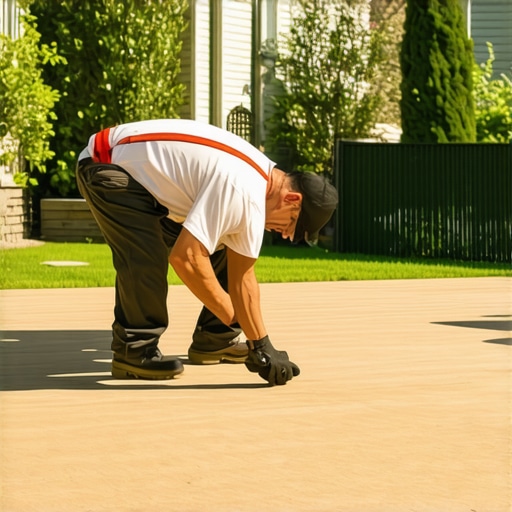
I remember the moment clearly—staring at my newly built deck, only to realize that the staircase wobbled underfoot and the composite decking showed early signs of wear. It was a lightbulb moment for me, realizing how crucial it is to choose the right deck builder. I had trusted the initial promises, but a few red flags I missed turned into costly repairs down the line.
Building an outdoor living space is exciting, but without the right guidance, it can quickly become a financial nightmare. Today, I want to share with you the three red flags I’ve learned to spot when vetting a deck builder in 2026. These are mistakes I made early on—mistakes that can be easily avoided with some savvy questions and a little research.
Why Cutting Corners Can Cost You Big Time
Choosing a deck builder isn’t just about comparing prices; it’s about trusting someone with your home and your hard-earned money. The bulk of outdoor living projects involve significant investment, and poor craftsmanship can lead to safety hazards, early deterioration, and even legal headaches. According to the OSHA safety guidelines, common construction errors can result in accidents or structural failures—precisely why spotting warning signs is worth your time.
Have you ever experienced a deck that failed prematurely or felt unsure whether your contractor would deliver what was promised? If so, you’re far from alone. Many homeowners discover red flags only after work begins, which is why early vetting is essential.
Is All That Glitters Really Gold? Sometimes, Yes—But Not Always
One of my biggest early mistakes was assuming that a low quote guaranteed a good deal. Turns out, some builders cut corners—using inferior materials or skipping necessary permits. This oversight ended up costing me more in the long run. To avoid falling into the same trap, I’ll show you how to identify the telltale signs of quality versus deceit in your prospective contractors.
But before we get into those specifics, I want to emphasize that the stakes are high. Selecting the right deck builder can transform your backyard into a stunning oasis or turn into a long-term headache. Ready to learn what red flags to watch for? Let’s dive into the key indicators that could save you thousands.
Ask About Experience and References
Begin by requesting a detailed portfolio of past projects similar in scope—specifically outdoor decks and stairs. Personally, I once asked a contractor for references from previous clients. When they hesitated or struggled to provide clear contact info, I knew to dig deeper. Contact those references to verify the quality of work, timeline adherence, and professionalism. Avoid builders who can’t or won’t provide verifiable references, as this often indicates subpar craftsmanship or unresolved complaints.
Verify Licensing and Insurance
Ensure your prospective builder holds valid licenses and comprehensive insurance, covering both liability and worker’s compensation. I once overlooked this step, assuming credentials were implicit. The result was costly: when an uninsured worker caused damage, I faced hefty bills. Confirm credentials by visiting local licensing boards or asking for documentation, then cross-check online. Builders transparent about licensing tend to be more reputable and committed to quality standards.
Request Detailed, Itemized Quotes
Insist on a written estimate that breaks down material costs, labor, permits, and timeline estimates. During my last project, I received a quote riddled with vague totals and no specifics. I asked for clarification and a detailed breakdown. The contractor revised the quote, revealing that some so-called discounts involved inferior materials. Transparent pricing helps you compare offers fairly and avoid hidden costs—key to ensuring your budget stays intact.
Evaluate Material Quality and Warranties
Discuss the materials they plan to use, focusing on durable composites and slip-resistant stairs—essential for safety and longevity. I once trusted a builder who promised low-cost materials without specifications. Later, the deck warped within a year. Always ask for product specs, manufacturer warranties, and installation guarantees. For example, choosing high-quality composite decking greatly reduces maintenance and extends lifespan, making it a worthwhile investment.
Observe Communication and Professionalism
Pay attention to how promptly and clearly they respond. During my experience, a builder’s vague answers and delayed replies signaled disorganization. A professional contractor should provide clear timelines, answer all questions thoroughly, and demonstrate respect for your property. This communication quality often predicts the overall project success.
Check Subcontractor Credentials
Ask if they employ in-house crews or subcontractors, and verify their qualifications. I once met a builder who subcontracted to unqualified laborers, leading to shoddy work. Reputable builders should be transparent about their team, providing credentials or references for subcontractors. This diligence helps prevent quality issues down the line.
Assess Compatibility with Your Vision
Finally, gauge their understanding of your outdoor living goals. I had a good experience when a builder visually sketched out a plan aligning with my style, including composite decking features and stairs design. Review their portfolio and discuss your ideas thoroughly—this ensures they can deliver the aesthetic and functionality you desire. For inspiration, explore innovative outdoor living ideas with composite decking in 2025, which can guide your expectations and conversations.
While many homeowners focus on selecting the right materials and stylish designs, there’s a subtle trap that even seasoned DIYers often overlook: misjudging the complexities of stairs and outdoor living spaces beyond surface appearances. A common misconception is that choosing the most aesthetically pleasing staircase automatically ensures safety and durability—yet this isn’t always the case. For instance, designers might prioritize modern aesthetics over slip resistance or structural integrity, leading to safety hazards down the line. According to experts in outdoor construction, overlooking detailed code compliance for stairs can result in accidents, even if the design appears flawless. One crucial nuance is understanding how load-bearing calculations differ for various composite decking styles and stair configurations, which many fail to evaluate thoroughly. If you plan to incorporate stairs into your deck, it’s vital to consider factors like rise and run ratios, wind uplift, and the impact of weather cycles—details that can be easily dismissed but are essential for longevity. Moreover, many assume that a professional builder will automatically handle these intricacies, but as I learned the hard way, it’s your responsibility to verify their expertise in these specific domains. Advanced techniques, such as analyzing the load distribution in multi-level decks or integrating seamless transitions between stairs and outdoor spaces, can dramatically enhance safety and aesthetic appeal. For those interested in elevating their outdoor living, I highly recommend reviewing the latest design strategies for stairs that blend with your deck’s aesthetic. Remember, neglecting these subtle details might seem trivial initially but can lead to costly repairs or safety issues later. My own experience taught me that asking detailed questions about load testing procedures and materials’ ratings can save you from frustrations down the line. Understanding these nuances is not just for professionals—it’s essential knowledge for any homeowner aiming to build a truly durable and beautiful outdoor space. Dive deeper into the innovative ideas and best practices that align functionality with design by exploring outdoor living ideas for 2025. Have you ever fallen into this trap? Let me know in the comments.Maintaining your outdoor decks and stairs is essential to ensure safety, durability, and aesthetic appeal over the years. I personally rely on a set of specialized tools and methods that have proven effective in my own projects. First, a high-quality cordless drill with adjustable torque-setting allows me to inspect and tighten fasteners without damaging the composite materials. Paired with a set of ratchet wrenches, I can quickly access hard-to-reach spots on stairs and railings, preventing loose elements that could pose safety risks. For cleaning, I prefer using a pressure washer with a adjustable nozzle—I’ve found that setting it to a low-pressure mode avoids damaging the composite decking surface while effectively removing dirt and grime. Regular cleaning with eco-friendly, biodegradable deck detergents helps maintain the material’s appearance without harsh chemicals. To monitor structural integrity, I utilize a moisture meter to check for hidden water intrusion within support posts or the underside of stairs. Early detection of moisture issues prevents rot and extends the lifespan of the deck. Additionally, I incorporate a digital level and ruler to ensure all stairs adhere to current code standards and are perfectly aligned, which not only enhances safety but also aesthetic consistency. For long-term results, I schedule seasonal inspections, especially after harsh weather, to catch any early signs of wear or damage. I document these inspections with a simple app, logging images and notes for future reference. As a forward-looking trend, I believe that integrating smart sensors into deck structures for real-time monitoring will become more prevalent, providing homeowners with instant alerts to potential issues before they escalate. To boost your maintenance routine, try installing moisture sensors in critical areas—that proactive approach can save you significant repair costs down the line. If you’re interested in upgrading your outdoor space with durable, beautiful features, I recommend consulting a professional deck builder to guide you through the process. Reach out through our contact page to discuss personalized solutions and maintenance plans.
The Hidden Lessons That Changed My Approach to Outdoor Living
One of the most profound realizations I had was that not all deck builders prioritize safety and longevity equally. I once trusted a contractor because their sleek proposal looked impressive, but overlooked asking about their experience with load calculations and code compliance. My lightbulb moment came when a stair failed, not because of poor materials, but due to shoddy structural planning. This taught me that visuals can be deceiving—digging into a builder’s technical expertise is crucial. Another lesson was understanding that warranties aren’t just marketing jargon; they reflect confidence in craftsmanship. I ignored the fine print once, only to face costly repairs later. Now, I always ask for detailed warranty documents covering materials and workmanship, which has saved me from surprises. Lastly, I learned that homeowner involvement isn’t a sign of distrust but a necessity. Being proactive—asking about subcontractor credentials or inspecting progress—ensures quality and compliance. These lessons underscore the importance of asking the right questions and being engaged throughout the project, turning your outdoor space into a safe, durable oasis rather than a regretful mistake.
This post really hits home for me, especially the importance of digging deeper than just the surface promises when vetting a deck builder. I once went with a contractor who offered a tempting price but later discovered they skipped a permit, leading to unexpected legal issues and having to redo part of the work. It’s clear that asking for detailed, itemized quotes and verifying licensing isn’t just bureaucratic; it’s an essential step to protect your investment. I also appreciate the emphasis on load calculations and code compliance, particularly with stairs, because safety is often overlooked until something goes wrong. I’ve found that homeowners sometimes assume that the contractor handles all technical aspects, but staying informed and asking detailed questions can save serious headaches down the road. For those planning a deck renovation, how do you personally verify the technical competence of a builder? Have any of you found effective ways to assess their understanding of load-bearing and code standards beyond just checking licenses?
This post really underscores how important it is to go beyond the surface when selecting a deck builder. I’ve personally learned that digging into a contractor’s experience with load calculations, especially for stairs and multi-level decks, can make all the difference in safety and durability. One thing I’ve started doing is asking for detailed technical documentation or diagrams that show their approach to load distribution and adherence to local building codes. It’s surprising how many homeowners overlook these aspects, assuming that a reputable-looking portfolio or a good warranty suffices.
From my experience, contractors who are transparent about their methods—such as providing load testing results or references from structural engineers—tend to be more reliable. Have others found effective ways to verify a builder’s technical competence beyond asking for licenses and references? Do you think including an on-site inspection or even hiring a third-party engineer for assessment is worthwhile before starting a project? Would love to hear your thoughts or any tips on ensuring the technical expertise of your chosen builder.