
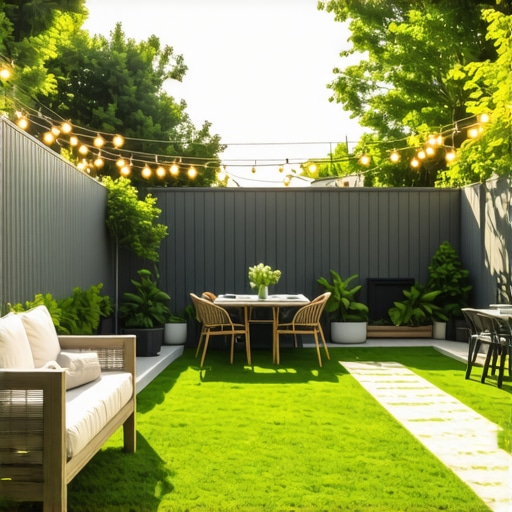
I remember the exact moment I realized my backyard was more of a misused patch of grass than a true extension of my living space. It was a chilly Sunday afternoon, and I was attempting to set up a picnic when the uneven ground, tired old stairs, and lack of privacy made the whole experience frustrating. That lightbulb moment hit me hard — I was missing out on potential. What if I could turn this neglected corner into a cozy retreat, a place where friends gather and family relax?
In today’s post, I’m going to share with you some proven small fixes that can *double* your outdoor living space without exhausting your budget or timeline. These are strategies I’ve applied myself, and I can tell you, the results have been life-changing. Whether you dream of hosting summer barbeques or simply want a serene spot to unwind, these tips are your pathway to transforming your backyard into an oasis.
Why Small Changes Can Make a Big Difference in Outdoor Living
Many homeowners overlook the power of minor improvements, assuming they require massive renovations to see significant results. But let me tell you — it’s often the small, smart tweaks that unlock the most potential. Well-placed composite decking, seamless transition steps, or a cozy corner with privacy screens can instantly expand your usable space and elevate your outdoor experience. Interestingly, according to a recent study, boosting outdoor living areas can increase property value by up to 20%, making these fixes not just enjoyable but also smart investments.
Is Investing in Your Backyard Really Worth It
Early in my journey, I made the mistake of thinking I needed a complete overhaul to create a functional outdoor area. That was a costly misconception. Now I know that strategic, small improvements can yield noticeable improvements in how you enjoy your yard. If you’re worried about budget constraints or time, rest assured — many effective fixes require just a weekend and a bit of creativity. Curious if these tweaks could be right for your space? Trust me, the return on investment in happiness and home value makes it all worthwhile.
If you’ve ever faced the frustration of an underutilized backyard or felt overwhelmed by where to start, keep reading. I’ll guide you through simple, impactful fixes that have worked wonders for my outdoor space and can do the same for you. Let’s get to it!
Lay a Foundation with Reliable Stairs
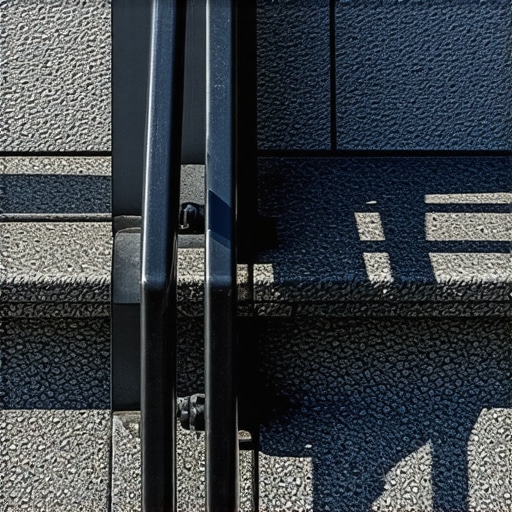
Start by addressing uneven or steep steps that make your yard inaccessible or unsafe. I once replaced a rickety old staircase with a seamless transition design, using a dedicated stringer system. This process involved measuring accurate riser heights, cutting stringers precisely, and anchoring them firmly into the ground and deck structure. Think of stairs as the backbone connecting different levels—if wobbly or awkward, your entire outdoor space feels disjointed. For safety and style, opt for stylish, durable outdoor stairs that complement your deck and landscape. When building or replacing stairs, consider materials like composite decking, which resists weather and requires less maintenance, making your investment last longer.
Create a Cohesive Look with Seamless Transitions
A pivotal aspect of outdoor living is ensuring smooth, unobtrusive transitions between different areas. I experimented with this in my yard by designing stairs that blend into the deck with consistent framing and matching decking boards, mimicking the seamless flow found in professional projects. This meant calculating exact dimensions, avoiding abrupt step-offs, and choosing transition stairs that serve as aesthetic and functional connectors. Such details elevate your space from a simple yard to a cohesive outdoor room. Remember, the key is precision—measure twice, cut once, and verify every joint for stability and visual harmony.
Select the Right Materials for Long-Term Durability
The choices you make in materials determine how well your outdoor fixes stand up over time. I opted for composite decking for my new stairs and platform because its resilience against moisture, sun, and pests makes it a low-maintenance dream. To select the best options, evaluate factors like slip resistance, color stability, and anti-heat properties. A good rule of thumb is to visit a professional or consult online guides like these composite decking selection tips. My experience was messy at first—cutting and fitting the boards took patience, but the end result was a sturdy, beautiful surface that enhanced my yard’s usability immediately.
Optimize Privacy to Create a Retreat
Privacy is often overlooked but vital for transforming your yard into a sanctuary. I added privacy screens using lattice panels with climbing plants, creating a visual barrier and a cozy atmosphere. To do this effectively, first analyze your yard’s sightlines and identify areas needing screening. Then, choose durable materials like treated wood or composite panels that withstand weather. Installing these involves anchoring posts securely into the ground, ensuring stability against wind and pushing forces. For more insights, check out this guide on creating private outdoor spaces. With these simple tweaks, I felt like I had crafted my own outdoor oasis, perfect for relaxing or entertaining.
Small Changes, Lasting Impact
This process of upgrading my backyard taught me that the most effective transformations come from deliberate, well-executed small fixes. Each step—building sturdy stairs, seamless transitions, selecting durable materials, and enhancing privacy—played a part in elevating my outdoor living. With patience and precision, you can do the same, turning an underwhelming yard into a focal point of your home. Remember, the key is to focus on function first, then style, ensuring every detail enhances your space’s durability and aesthetic appeal.
When it comes to creating a stunning outdoor space, many homeowners focus on the aesthetics of their deck or the choice of composite decking without considering some key nuances that can make or break their setup. One widespread misconception is that choosing the right materials alone guarantees durability and style. In reality, the installation process and design details are equally vital. For example, improperly graded stairs can lead to wobbliness and safety hazards, undermining your entire project. A common trap is neglecting seamless transitions between levels; this not only affects safety but also the visual harmony of your space.
How Can Overlooking Transition Details Compromise Your Outdoor Oasis?
Many folks assume that transitions are aesthetic extras rather than functional essentials. But as experts like professional deck builders emphasize, small tweaks in transition design—such as precise measurements and matching materials—ensure stability and aesthetic cohesion. Failing to get these details right can result in uneven steps, increased wear, and even accidents. Research indicates that poor transition design is a leading cause of outdoor deck-related injuries, highlighting the importance of proper planning. For comprehensive guidance, you might want to check out how a skilled deck builder can turn your garden into a private oasis, emphasizing the significance of meticulous transition planning. Additionally, common myths suggest that DIY installation saves money, but in complex aspects like stairs or seamless transitions, errors can be costly and hazardous. According to industry studies, professional intervention reduces long-term issues and enhances both safety and aesthetic appeal. When selecting materials, don’t be seduced solely by aesthetics; ensure the chosen composite decking is suitable for your climate and foot traffic, as detailed in guides on composite decking selection. Remember, the devil is in the details, and a well-planned installation can significantly extend the lifespan of your outdoor features. Have you ever fallen into this trap? Let me know in the comments.Maintaining your deck, stairs, and outdoor living areas is crucial to ensure they stay beautiful, safe, and functional for years to come. I personally rely on a combination of regular inspections, targeted cleaning, and selective repairs to keep my outdoor space thriving. For example, I schedule biannual inspections to identify early signs of wear or damage, such as loose fasteners or splintered boards. Using a high-quality pressure washer equipped with a biodegradable, low-pressure tip helps me remove dirt and algae without damaging the surface, especially when cleaning composite decking, which resists weather but still needs care to prevent mold buildup. Additionally, I always check the integrity of handrails and stair stringers, tightening or replacing components as needed to prevent accidents. These small, consistent actions significantly extend the lifespan of my outdoor features and maintain their aesthetic appeal. Looking ahead, advancements in smart maintenance tools—like wireless moisture meters and app-connected maintenance alerts—are becoming more accessible and will further streamline upkeep in the future. Regular maintenance not only preserves safety but enhances long-term value, making it worthwhile to invest time now for peace of mind later.
How do I maintain my deck and stairs over time?
I recommend establishing a seasonal maintenance routine that includes cleaning, inspection, and minor repairs. For composite decking, using specialized cleaners like composite deck brighteners can restore its natural luster, while a power drill with screwdrivers helps tighten loose fasteners. For wooden stairs, applying a weatherproof sealant every few years protects against decay and moisture damage. Keep an eye on critical areas such as joints, railings, and surface coatings, and address issues promptly to prevent them from escalating. For durability and smart upkeep, I also recommend exploring innovative tools like moisture meters that connect to your smartphone, allowing quick assessments of hidden water damage—an essential step in preventing rot and mold. To aid your efforts, consider consulting professional resources or working with a skilled deck builder to ensure your maintenance practices align with best standards. If you’re curious about more advanced tips, check out how a professional can help you implement sophisticated maintenance strategies and upgrade your outdoor space to meet future standards. Remember, consistent care is the key—dedicate a weekend to a comprehensive maintenance check and watch your outdoor area flourish for seasons to come. You might be surprised how much a few targeted tools, like a moisture meter or pressure washer, can make upkeep easier and more effective.
Lessons I Wish I’d Learned About Elevating Outdoor Spaces
One unexpected insight I gained was the importance of investing time in planning seamless transitions between different levels. Rushing this step led to wobbly stairs and safety issues that could have been avoided with more precise measurements and attention to detail. Additionally, I realized that choosing the right materials isn’t just about appearance but also about weather resilience; initially, I underestimated how much composite decking could withstand sun and rain, leading to costly repairs. Lastly, I discovered that incorporating privacy solutions like lattice panels with climbing plants not only enhances the retreat vibe but also creates a sense of enclosure that truly makes your outdoor space feel like an extension of your home.
My Top Tools and Resources for Outdoor Transformation
To streamline my project, I relied on a few trusted resources. The comprehensive guides on building durable composite decks and stairs proved invaluable for material selection and best practices. The guide on creating seamless transitions helped me perfect the flow between levels, avoiding awkward jumps and ensuring safety. I also found the tips from expert deck builders inspiring for layout ideas that maximize small spaces. Lastly, consulting specialized resources about transitions saved me from common mistakes when installing stairs, turning my backyard into a cohesive outdoor room.
Take the Leap Toward Your Outdoor Oasis
Your backyard holds endless potential just waiting to be unlocked. With a few thoughtful tweaks—like sturdy, stylish stairs, cohesive transitions, and privacy features—you can craft an outdoor haven that elevates your daily life. Remember, the key is patience, planning, and a willingness to learn from small missteps. Start today, and watch how your outdoor space transforms from neglected to delightful. If I can turn my backyard into a peaceful retreat, so can you. You’re just one step away from the outdoor oasis you deserve.