
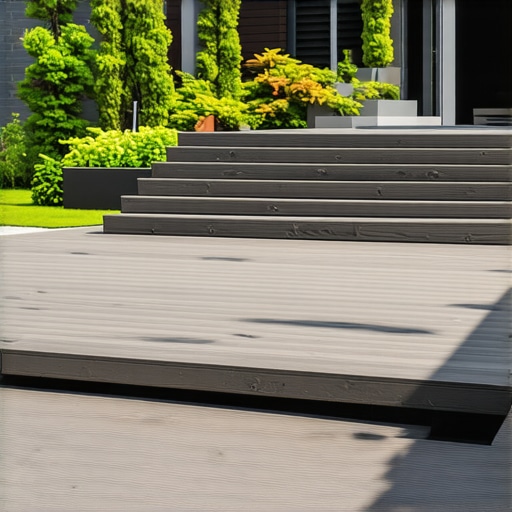
It was a sweltering summer afternoon when I finally looked out at my backyard and realized—my deck had become an eyesore. Warped boards, splintered edges, and faded color told a story of neglect and low-quality materials. I’d spent countless weekends trying to fix things, but every repair was temporary. That lightbulb moment hit hard: if I was going to enjoy my outdoor space, I needed a real solution, not just band-aids.
Your Dream Deck May Be Closer Than You Think
Imagine sipping lemonade on a beautiful, low-maintenance deck that not only looks stunning but withstands the test of time and weather. That’s exactly what I set out to achieve—creating an outdoor oasis that blends durability with style. Today, I want to share how you can turn your outdoor space into something you’re proud of, using durable composite decking and attractive stairs that invite your entire family and friends to gather.
Is All Composite Decking Truly Worth the Investment?
Early on, I made a common mistake—buying the cheapest composite boards I could find. Turns out, not all composites are created equal. Some fade, warp, or develop mold sooner than others, which defeats the purpose of a low-maintenance upgrade. I learned that choosing high-quality, well-designed composite materials could save me money and frustration in the long run. Want to avoid my rookie errors? Check out this guide on [choosing the right composite decking](https://deckdesignbuild.com/choosing-the-right-composite-decking-for-durable-low-maintenance-outdoor-areas) and ensure your investment lasts.
Another important aspect is how stairs fit into the overall aesthetic and safety of your deck. Stylish yet sturdy stairs are more than just functional; they set the tone for your outdoor design. I found that seamless transitions between the deck and yard create an inviting flow. For detailed ideas on stair design, visit [staircase ideas to elevate outdoor spaces](https://deckdesignbuild.com/staircase-design-ideas-to-elevate-outdoor-living-spaces).
The truth is, many builders overlook the impact of well-planned stairs and transitions. I used to think they were just necessary, but they’re actually a crucial element that can make or break the whole outdoor experience. If you’ve ever struggled with uneven steps or railings that don’t match, you’re not alone. Many homeowners face similar challenges. The good news? With the right guidance and materials, you can craft stairs that are both safe and stunning.
So, are you ready to ditch the temporary fixes and build an outdoor space that you’ll love for years to come? Let’s dive into the practical steps, including selecting durable materials and designing stairs that combine beauty with safety. Your perfect outdoor retreat is waiting—let’s make it happen.
Select High-Quality Composite Materials for Longevity
Start by researching reputable suppliers that offer top-rated composite decking options. I recommend choosing boards with UV protection, mold resistance, and color stability. I once ordered a sample kit from a trusted supplier, tested it outdoors for a week, and confirmed its resistance to fading and warping. Opting for high-quality materials ensures your deck remains vibrant and sturdy, saving you money and effort down the line.
Measure and Plan for Your Deck Layout
Accurate measurements prevent costly mistakes. Use a tape measure and graph paper or digital design tool to draft your layout, considering factors like sunlight, shade, and access points. I once drew my plan on the back of an old receipt, but it led to misaligned boards. Double-check every dimension, and remember to leave space for steps and railings. Proper planning ensures a seamless transition between the deck and your yard.
Prepare the Site with Precision
Clear the area of vegetation, level the ground, and lay a stable foundation—either concrete footings or gravel beds, depending on your terrain. Use a level to ensure even surfaces. When I prepared my site, I used a handheld compactor and paid close attention to low spots, which prevented future unevenness. Proper site prep creates a solid base that resists shifting and maintains levelness over time.
Frame with Sturdy Support Structures
Construct the frame with pressure-treated lumber or steel supports to withstand weathering. Use galvanized or stainless steel fasteners to prevent rust. I once had to redo a shaky section, which reminded me that strong framing is critical. Follow your plan precisely, ensuring all supports are fixed securely to prevent bounce or wobble, especially in high-traffic areas.
Lay the Composite Boards with Care
Install boards perpendicular to joists, leaving a small gap for drainage—typically 1/8 to 1/4 inch. Use a spacing tool or spacers as guides. I once forgot the gap, and water pooled on my deck, leading to mold. Secure each board with hidden fasteners or screws, ensuring they sit flush for a sleek look. Proper spacing and fastening are vital for expansion, contraction, and drainage.
Design and Construct Elegant, Secure Stairs
Determine the height and width, then cut stringers with a saw, ensuring even rise and run. For safety and style, use sturdy handrails and balusters, matching your deck’s aesthetic. I once underestimated the length of my staircase, resulting in uneven steps, but adjusting on the fly with a level saved the project. For an appealing and safe transition, focus on consistent measurements and secure attachment points. Check out this guide for comprehensive stair design tips.
Seamlessly Connect Your Deck to the Yard
Use gradual slopes, built-in benches, or integrated planters to create a harmonious transition. I added a small garden edge with natural stones, which really enhanced the flow. For a more unified look, consider matching stair and railing styles with your deck. This article explains how to make your stairs a focal point that ties the entire space together.
While many homeowners believe they understand the basics of deck construction and outdoor living, there are nuanced pitfalls that often go unnoticed, leading to costly mistakes or subpar results. One common myth is that choosing the most affordable composite decking material guarantees savings; however, I’ve seen many fall into this trap, only to face fading, warping, or mold issues sooner than expected. High-quality materials with UV protection and mold resistance may come at a higher initial price but prove more economical over time, emphasizing the importance of investing in reputable suppliers like those discussed in [choosing the right composite decking](https://deckdesignbuild.com/choosing-the-right-composite-decking-for-durable-low-maintenance-outdoor-areas).
What advanced mistakes do homeowners overlook when designing stairs for their decks?
A frequent oversight is underestimating the complexity of creating safe and stylish stairs. Many assume that standard stringers will suffice, but variations in terrain, load, and safety codes demand precision in measurement, support, and handrail placement. I’ve found that blending aesthetics with code compliance can be tricky; studying detailed guides such as [designing safe and stylish stairs](https://deckdesignbuild.com/designing-safe-and-stylish-stairs-for-outdoor-decks-in-2025) can help avoid pitfalls. Neglecting these details not only compromises safety but also diminishes visual harmony, which could have been enhanced with thoughtful design integration.

Reading through this post really resonated with my own experience with deck maintenance. I had a similar situation where my old wooden deck started warping and collecting mold after a few seasons, despite occasional repairs. What made a huge difference for me was switching to high-quality composite decking with UV and mold resistance. It’s been a game changer—less upkeep, more enjoyment. I also agree on the importance of well-designed stairs; I underestimated how much uneven or poorly supported steps can impact safety and aesthetic appeal. One thing I found helpful was to invest in sturdy support stringers and handrails that matched the overall style of my deck. For others considering this upgrade, do you find integrating lighting into steps or railings makes a significant difference in nighttime safety and ambiance? I’d love to hear your thoughts or tips on customizing outdoor stairs to enhance safety without sacrificing style.