
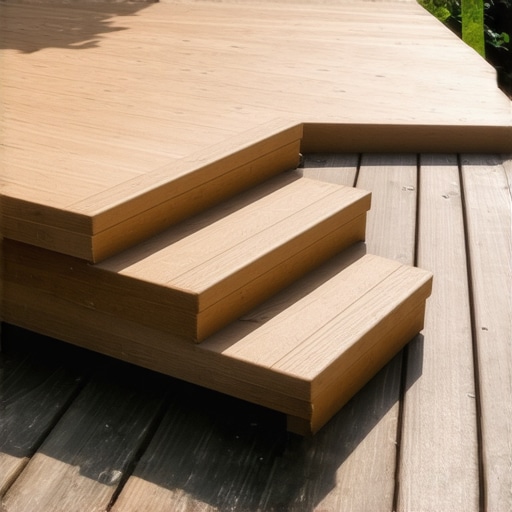
One summer morning, I stepped onto my deck and felt that unsettling creak beneath my feet. Panic washed over me as I realized that despite pouring effort and money into my outdoor project, I had overlooked a critical detail: the quality of my stairs and decking materials. The flimsy rails and warped boards weren’t just eyesores—they threatened safety and durability. It was a lightbulb moment that changed my approach forever.
Why You Can’t Afford to Skip Proper Deck and Stair Planning
Building an outdoor living space isn’t just about aesthetics; it’s about creating a safe, durable haven for family gatherings and quiet mornings. In my experience, many homeowners get excited about beautiful designs but neglect the backbone: selecting resilient materials and designing for longevity. If you’re like I was, you might not realize how much a solid foundation impacts the entire project.
Here’s the truth: The material you choose affects not only the look but also the lifespan of your deck and stairs. Composite decking, for instance, offers superior resistance to weather and pests, making it a popular choice among outdoor enthusiasts. Realistically, opting for quality materials and thoughtful design can save you thousands in repairs down the line, according to industry experts.
By the end of this guide, you’ll be equipped with the knowledge to design and build a stunning, durable outdoor space that stands the test of time. Ready to dive into the details?
Is Building Your Own Deck Really Worth the Hassle? My Honest Take
Initially, I thought that consulting a professional was just an extra expense. I made the mistake of trying to cut corners by rushing through the planning phase, assuming I could DIY my way to perfection. Turns out, that led to uneven stairs and a deck that wobbled at the slightest pressure. Only after consulting seasoned experts—who emphasized the importance of proper planning and materials—did I see the difference. It reaffirmed that investing in expert guidance, like connecting with professionals through resources at this link, really pays off.
What challenges have you faced when trying to build or improve your outdoor living space? Share your story—I’d love to hear and help you avoid common pitfalls.
Now, let’s explore how to kickstart your project with the right foundation, ensuring both safety and style are at the forefront of your design.
Start with a Solid Planning Phase
Before you grab a hammer, sketch out your deck’s layout, considering size, shape, and location relative to your house. Measure your available space accurately using a tape measure, and create a scaled blueprint. During my project, I laid out my design on graph paper, which revealed that some areas had uneven ground—prompting me to level the surface beforehand. This step prevents costly mistakes later and ensures your deck has a stable foundation.
Choose the Right Materials for Long-Term Durability
Opt for composite decking materials like those discussed in this resource for weather resistance and low maintenance. Think of your deck as the backbone of your outdoor space—like constructing a sturdy bridge that withstands decades of use. I selected a composite deck with a wood-like appearance, which meant minimal upkeep and resistance to rot and pests. Remember, investing in quality materials upfront pays off over time.
Prepare the Ground for a Secure Foundation
Clear the area of grass, roots, and debris. Level the surface with gravel or a concrete slab if necessary, which acts much like laying a solid bed for a mattress—ensuring stability and comfort. If you’re unsure, check out this guide on foundational best practices. My experience taught me that a level base prevents wobbly stairs and uneven surfaces, saving frustration down the line. Use string lines and a carpenter’s level to confirm evenness as you work.
Construct the Frame with Precision
Build your ledger board securely attached to your house, then frame the perimeter with pressure-treated joists. Think of this as constructing the skeleton—akin to framing a house—you need sturdy, well-fastened bones to support everything above. During my project, I used galvanized lag screws and joist hangers for strength. Double-check measurements before securing each beam to avoid crookedness, which can compromise safety and aesthetics.
Install Support Posts and Beams Excellent stability
Set support posts in concrete footings to prevent shifting over time. Use a post level to ensure verticality; think of these like the legs of a table—they need to be perfectly upright for the table to be stable. I used a post-hole digger, mixed quick-setting concrete, and secured each post with reinforcements. This core step guarantees your deck remains safe, especially when you’re installing heavy furniture or hosting gatherings.
Lay Your Decking Boards Carefully
Attach your composite decking planks perpendicular to the joists using hidden fasteners or screws, depending on your style. Precision here is key—think of it as laying tiles evenly on a floor. My DIY attempt involved starting from one end, keeping gaps consistent for drainage, which directly impacted the overall look and function. For a seamless appearance, prioritize gap consistency and run a chalk line for straight lines.
Design and Install the Stairs with Safety in Mind
Follow safety codes and best practices, such as riser height uniformity and proper handrail placement. Use this resource for detailed measurements. I measured my stair treads carefully, ensuring they were level and comfortable to ascend, which made my deck inviting and secure. Incorporate durable materials like composite for treads, and install handrails at an ergonomic height to ensure accessibility and safety.
Add Finishing Touches for Style and Function
Seal joints, add lighting, and furnish your space to match your style. Think of these as accessories that make your outdoor haven truly yours. I opted for built-in seating and solar-powered lights, which enhanced both usability and ambiance. These final details turn a simple platform into an inviting outdoor room, ready for relaxing weekends or lively gatherings.
While many believe that building durable stairs and decks is primarily about choosing the right materials, in my experience, the real nuance lies in understanding how these choices interact with design principles and local conditions. A common myth is that composite decking alone guarantees longevity; however, without proper installation and attention to detail, even the best materials can falter. For example, improper drainage planning often leads to moisture accumulation beneath decks, accelerating rot and discoloration—issues that specialist insights reveal are crucial but frequently overlooked.
What Advanced Techniques Can Elevate Your Outdoor Stairs Beyond Basic Compliance?
Integrating custom riser heights, ergonomic handrail designs, and hidden fastening systems are sophisticated steps many DIY builders miss, risking safety and style. Industry experts suggest that seamless integration of these elements enhances aesthetics and function, and can be achieved by partnering with professional deck builders who understand the latest trends in composite decking and outdoor design. For guidance, consulting resources like this guide can be invaluable. Recognizing and avoiding these nuanced pitfalls ensures your outdoor living space is both beautiful and resilient. Have you ever fallen into this trap? Let me know in the comments.Maintaining your outdoor deck and stairs over time requires the right tools and a proactive approach. One essential piece of equipment I swear by is a high-quality cordless drill with adjustable torque settings. I prefer models like the Milwaukee M18 Fuel because they offer the power needed to tighten or replace fasteners quickly without damaging the composite material. This becomes especially important when periodically replacing hidden fasteners to prevent wobbling or squeaking. Additionally, a digital moisture meter helps me assess the wood’s moisture levels beneath the surface, ensuring I catch potential rot issues early before they become costly repairs. For cleaning, I recommend a pressure washer with a adjustable spray nozzle; I set mine to a low-pressure setting to clean composite surfaces gently without stripping the finish or damaging internal layers. Regular cleaning prevents dirt buildup and mold, prolonging the deck’s lifespan, especially in humid climates.
Investing in a good storage system for tools such as a weatherproof storage box keeps your gear organized and protected from the elements. Over the years, I’ve found that consistent maintenance, like tightening loose fasteners and cleaning gutters around the deck, significantly extends your project’s longevity. In terms of software, I rely on project management apps like Trello or Notion to schedule seasonal inspections and keep track of maintenance tasks, ensuring nothing gets overlooked. As composite decking continues evolving, future trends point toward incorporating smart sensors that monitor structural integrity and environmental conditions in real-time, allowing for even more proactive care. Industry research, such as the insights in this guide, highlights how technological innovation will shape deck maintenance in the coming decade.
How do I keep my outdoor stairs and decking systems working smoothly over the years?
Regular inspections are key. Tighten loose fasteners, replace any damaged components promptly, and keep your decking clean with gentle pressure washing. Don’t forget to seal joints and check for signs of moisture intrusion, especially where stairs meet the deck structure. For long-term health, consider investing in professional assessments periodically, much like scheduling a check-up with a healthcare provider. Connecting with experienced professionals can provide tailored advice—learn about how a skilled deck builder can help you maintain and even improve your outdoor space by visiting this page. Try incorporating smart sensors or moisture meters into your routine maintenance plan to catch issues early and prevent deterioration. Consistent, proactive care ensures your outdoor living space remains safe, attractive, and functional for years to come.
The Hidden Lessons That Transformed My Outdoor Living
One of the most valuable lessons I learned was the importance of paying attention to small details, like proper support and material selection. Overlooking sapling-level aspects, such as correct fastening techniques or initial ground preparation, can lead to long-term issues—issues I had to fix after costly damage appeared. This taught me that patience and thorough planning during the initial phases are crucial for creating an outdoor space that truly lasts.
Secondly, I realized that the myth of DIY success often underestimates the complexity and skill involved in building durable outdoor stairs and decks. While initial savings are tempting, consulting with seasoned professionals—like those you can find at this link—ensures safety, longevity, and aesthetic appeal. Investing in expertise pays dividends over time.
Finally, I discovered that the choice of finishing touches, such as lighting, sealing, and decorative elements, ties the entire project together. Don’t overlook these aspects—they turn a practical structure into an inviting outdoor oasis, making your space functional and beautiful for years to come.
Tools and Resources That Have Transformed My Approach
- High-quality cordless drill: I rely on tools like the Milwaukee M18 Fuel for their power and precision, especially when installing fasteners for composite decking, which can be unforgiving to inferior equipment.
- Moisture meters: Regularly checking beneath the surface prevents hidden rot, helping me catch issues early before they escalate into costly repairs.
- Pressure washer with adjustable settings: Gentle cleaning keeps my deck and stairs looking new without damaging sensitive composite surfaces, extending their lifespan.
- Project management apps like Trello or Notion: Staying organized helps me track maintenance schedules and keeps my outdoor space in top shape throughout the years.
To stay ahead of trends and maintain my deck and stairs, I also keep an eye on the latest industry insights. Embracing new technologies and materials ensures I always deliver safe, stylish, and durable outdoor spaces that stand the test of time.
The Next Step for Your Outdoor Living Journey
If you’re ready to elevate your outdoor space, remember that meticulous planning, quality materials, and expert guidance are your best allies. Whether you’re designing a cozy balcony or a sprawling backyard deck, small details matter—so don’t hesitate to seek professional advice or explore innovative solutions. Your dream outdoor oasis is within reach, and taking deliberate action today will bring lasting joy tomorrow.
What specific challenge have you faced when building or maintaining your outdoor stairs or deck? Share your story below—I’d love to learn from your experience and help you avoid common pitfalls.
Reading through this guide really highlighted how crucial proper planning and material selection are when building decks and stairs. I remember my first project, where I rushed the ground prep and chose cheaper materials to save costs. Inevitably, I ended up with uneven stairs and some warped boards after just a couple of seasons, which was frustrating given the effort I initially invested. Since then, I’ve learned that investing in high-quality composite materials combined with meticulous foundation work makes all the difference for longevity and safety. It’s interesting how many DIY builders underestimate the importance of support posts and drainage—effects that can really compromise the integrity over time. Have others found that focusing on detailed steps like support stability and water drainage significantly extends their deck’s lifespan? I’d love to hear additional tips or experiences from fellow outdoor enthusiasts to better manage ongoing maintenance and prevent common issues.