
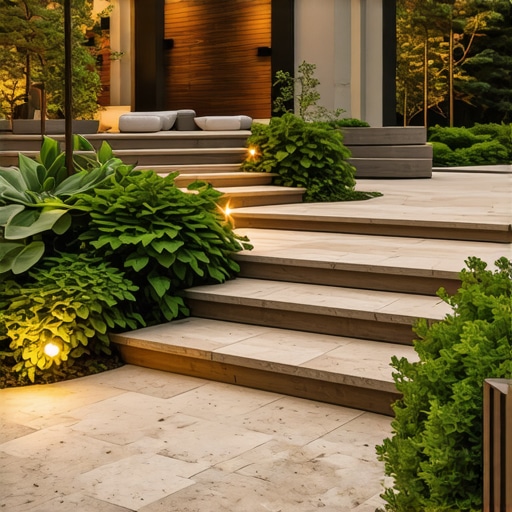
Ever stepped outside onto your patio or garden, only to be greeted by a staircase that just doesn’t fit the vibe? I remember my own lightbulb moment when I realized that my worn-out, mismatched stairs not only hampered the look but also felt unsafe underfoot. It was then I understood that a staircase isn’t just a functional element—it’s a statement piece that can elevate your entire outdoor living experience.
Why Staircase Design Can Make or Break Your Outdoor Oasis
We often focus on decks, furniture, or landscaping, but overlook one crucial component: the staircase. A thoughtfully designed staircase can provide seamless access, boost curb appeal, and even add a touch of personal style. Conversely, a poorly planned staircase can become an eyesore or, worse, a hazard.
Is Outdated or Clunky Really Worth the Hype?
Let me be honest—I once installed a basic set of stairs without much thought, thinking any set would do. Turns out, that was a mistake. Not only did it look disconnected from the overall design, but it also posed safety risks, especially during wet weather. Early on, I learned that investing in quality materials and clever design pays off exponentially. If you’re hesitant, check out this guide on designing safe and stylish stairs. It emphasizes how choosing the right staircase can transform your garden into a private oasis.
Did you know that poorly designed stairs are among the leading causes of outdoor injuries in residential spaces? According to the Consumer Product Safety Commission, falls on outdoor stairs account for thousands of injuries each year. That’s a stark reminder that good design isn’t just about looks—it’s about safety and durability too.
Now, if you’ve faced similar dilemmas—clunky stairs, slipping on slick surfaces, or just a lack of inspiration—you’re not alone. I promise, with the right ideas and a bit of planning, your outdoor staircase can become a striking feature that complements your space beautifully. Ready to dive into how exactly you can achieve this? Let’s explore the top staircase design ideas and the key elements that will ensure your stairs are both stylish and safe.
Select the Perfect Material for Your Stairs
Start by choosing durable, low-maintenance materials like composite decking, known for resisting weathering and reducing upkeep. I once opted for composite because I wanted longevity without the hassle of painting or sealing, which proved to be a game-changer in my project. For guidance, check out this resource on composite decking options.
Plan Your Staircase Dimensions and Layout
Accurate measurements are crucial. Measure the height from the ground to the surface where the stairs will end, then divide this total by a comfortable tread height, typically around 7-8 inches. For example, I measured my slope and found I needed four steps; I double-checked my measurements twice to avoid costly errors. Use a string line or chalk to outline the staircase path, ensuring a smooth, natural flow with your existing landscape. This step ensures safety and aesthetic harmony, similar to how professional deck builders plan seamless transitions.
Construct a Stable and Level Support Frame
Create a solid base by building stringer supports using pressure-treated lumber or steel, depending on load requirements. I learned from my first attempt that failing to secure support supports correctly led to wobbling stairs. To avoid this, I used concrete footings for the support posts, which provided stability even during torrential rain. Secure everything well, checking levels repeatedly—nothing undermines safety more than uneven stairs. Professional guidance from experienced deck builders can help refine your support system.
Assemble and Secure Treads and Risers
Attach your chosen decking material to the support frame using corrosion-resistant fasteners. I used hidden screws for a sleek look, which also prevented tripping hazards. For a seamless aesthetic and enhanced safety, ensure all surfaces are flush and even. During my build, I meticulously staggered seams to mimic professional craftsmanship, making a noticeable difference. Use a level and a square to double-check your joints—this saves you from embarrassing corrections later. If unsure about your skills, consulting a professional deck builder may be your best investment.
Incorporate Safety Features and Finishings
Non-slip treads and handrails heighten safety and enhance the overall look. I installed textured surface planks, which significantly reduced slips in rainy weather. For added safety, consider installing lighting on the stairs—solar options are easy and eco-friendly. I integrated LED strip lights underneath the handrails, which create a welcoming ambiance at night. Finish your stairs with weatherproof sealant or stain to prolong lifespan and maintain aesthetics. These finishing touches turn a simple set of stairs into a charming focal point and safe passage—an essential in any modern outdoor space.Many homeowners rush into upgrading their outdoor spaces, but there’s a common misconception that can trip you up—believing that more expensive materials or complex designs guarantee better results. In my experience, this isn’t always true. A prevalent myth is that composite decking, for instance, is completely maintenance-free and will stay perfect indefinitely. While it’s low-maintenance, it still requires proper installation and periodic cleaning to prevent issues like mold or fading. Ignoring these nuances can lead to disappointment and costly repairs later. Additionally, some assume that an elaborate staircase design naturally equals safety; however, intricate steps without proper support or anti-slip features can be hazardous, especially in rainy climates. Advanced homeowners are increasingly aware that meticulous planning, quality support framing, and safe finishes are what truly matter.
A common mistake I’ve observed is underestimating the importance of professional guidance. Relying solely on DIY plans or generic instructions often results in a cramped or unstable staircase, which, in turn, diminishes outdoor enjoyment and raises safety concerns. Working with an experienced deck builder can help you avoid these pitfalls, ensuring longevity and style.
For those wondering how to elevate their outdoor space intentionally, consider the nuanced benefits of tailored design—like integrating lighting for safety and ambiance, or choosing the right profile for your staircase to complement your overall landscape. Remember, what’s visible isn’t the only factor; structural integrity and material resilience play pivotal roles in durability.
Have you ever fallen into this trap? Let me know in the comments. Let’s dig deeper—share your experiences or questions about outdoor projects, and together, we’ll uncover even more hidden nuances to make your space truly exceptional.
Keep It Running: Tools and Techniques for Long-Term Outdoor Decks and Stairs
Maintaining your outdoor spaces, from composite decks to sturdy stairs, is key to ensuring their longevity and beauty. Over the years, I’ve relied on specific tools and methods that have made upkeep manageable and even enjoyable. Investing in the right equipment is not just about preservation; it’s about taking control of your outdoor environment.
How do I maintain my outdoor structures over time?
One essential tool I consistently use is a high-quality pressure washer. For delicate surfaces like composite decking, I prefer models with adjustable settings—my personal choice is the Sun Joe SPX3000—which allows me to remove dirt and grime without damaging the material. When cleaning, I opt for eco-friendly, low-pressure cleaning solutions that effectively break down mold and algae, extending the visual appeal and safety of my deck.
Additionally, a good silicone-based sealant applicator is invaluable for protecting wood or composite surfaces. I’ve found that applying sealant with a brush or sprayer maintains the surface’s resistance to moisture, UV rays, and temperature fluctuations. For ongoing inspections, a digital level and laser distance measurer help identify shifts or unevenness early, preventing costly repairs down the line.
In terms of software, I use project management tools like Trello to schedule regular maintenance tasks and track supplies. Automating reminders for sealing, cleaning, and inspections ensures nothing slips through the cracks, maintaining safety and appearance over the years. Stay consistent—this approach fosters long-term durability and minimizes unexpected repairs.
Why choose composite decking and how to keep it pristine?
Considering the trend towards composite decking, which resists rot and minimizes maintenance, I recommend tools specifically designed for these materials. A soft-bristle brush and gentle cleaning agents prevent surface scratching during routine cleaning. For more complex repairs, like fixing scratches or replacing damaged boards, specialized tools such as pry bars and fastener removal kits are necessary. Regular maintenance, combined with these tools, keeps your deck looking like new for years to come.
Looking ahead, innovations like robotic cleaners and smart weather sensors are making maintenance even smarter. These gadgets can monitor your outdoor spaces in real-time and alert you to potential issues, such as moisture accumulation or structural shifts, allowing for preemptive action. As these technologies become mainstream, routines will be more efficient and effective.
Try this advanced tip to enhance longevity
Invest in a professional-grade sprayer with adjustable pressure settings and a corrosion-resistant nozzle. Using the right spray detail, especially when applying sealants or cleaning solutions, makes a noticeable difference in application quality and surface protection. If you want a comprehensive upgrade, check out this guide on expert deck maintenance tips. Consistent use of proper tools and techniques now will save you money and headaches later, allowing you to enjoy your outdoor retreat for years to come. Don’t hesitate—try implementing one of these advanced maintenance strategies today and see the difference in your outdoor space!
Lessons That Turned My Outdoor Vision into Reality
- I’ve realized that combining safety with style in staircase design isn’t just a tip—it’s a game-changer. A misstep here can lead to accidents or an eyesore that diminishes your outdoor charm.
- Quality materials truly matter—cheap options may save money upfront but cost much more in repairs or replacements later. Investing in durable, low-maintenance options like composite decking pays dividends over time.
- Collaborating with professional deck builders can elevate your project from ordinary to extraordinary, ensuring the safety, durability, and aesthetic appeal of your outdoor stairs.
- Understanding the safety implications of poor support framing changed how I approach every step in the process. Proper support isn’t optional—it’s essential.
- Strategic lighting and finishing touches can transform simple stairs into captivating features that invite admiration and provide safe passage after sunset.
Tools That Make Outdoor Transformation Effortless
- A good pressure washer with adjustable settings like the Sun Joe SPX3000 helps keep composite decking pristine without damaging surfaces, extending the life of your outdoor spaces.
- Sealant applicators—whether brushes or sprayers—are invaluable for applying weatherproof treatments accurately, preventing moisture damage and fading.
- Laser distance measurers and digital levels ensure your measurements are precise, saving you frustration and costly errors during construction.
- A dedicated deck and stair cleaning solution, combined with eco-friendly cleaning agents, keeps your environment safe and environmentally conscious.
- Innovative tools like robotic cleaners or smart weather sensors, although optional, can streamline maintenance and offer real-time health checks for your outdoor spaces.
Your Next Step Toward an Outdoor Oasis
Embrace the journey—your outdoor living space is an extension of yourself, and with thoughtful planning, quality choices, and a bit of expert help, you can create a staircase and deck that truly reflect your style and prioritize safety. Don’t wait to turn your backyard into the sanctuary you’ve always dreamed of—every step you take today builds a more beautiful, safe, and inviting outdoor retreat. Looking forward to seeing your transformation—share your plans or questions below, and let’s make your outdoor space an inspiring masterpiece!
This post really hits home for me because I recently replaced my old wooden steps with a composite material that’s both low-maintenance and slip-resistant. The safety aspect cannot be overstated, especially in rainy climates where slick surfaces are a hazard. I also added LED lighting underneath the handrails, which makes nighttime navigation safer and adds a lovely ambiance. One thing I’ve noticed is how much a well-designed staircase can really elevate the overall look of your outdoor space, turning it from ordinary to impressive.
When planning your staircase, how do you typically approach blending safety features like non-slip treads with aesthetic elements? For anyone considering a new outdoor staircase, I’d suggest paying close attention not just to the materials but also to the support framing and finishing touches. In your experience, what’s the most overlooked aspect that can make or break the safety and style of an outdoor staircase?