
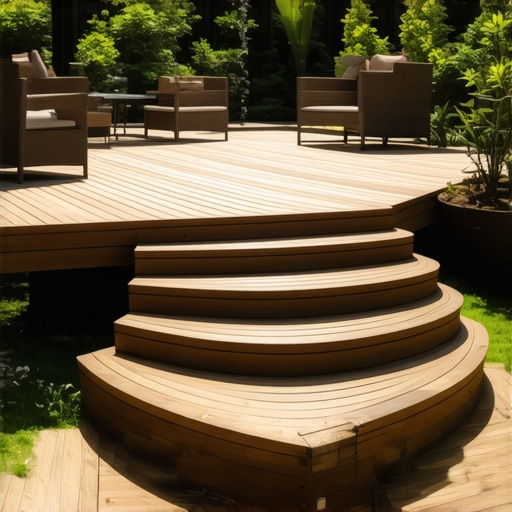
I remember the moment vividly—standing at the edge of my backyard, ladder in hand, trying to balance and install a set of stairs that looked nothing like the elegant design I had envisioned. It was a frustrating ordeal, and honestly, I felt overwhelmed. Somehow, the stairs looked clunky, uneven, and out of place, disrupting the harmony of my outdoor living area. That lightbulb moment made me realize how crucial the right approach to building stairs is—not just for aesthetics, but for safety and longevity.
If you’ve ever faced similar struggles, you’re not alone. Many eager homeowners and DIY enthusiasts jump into deck renovations without fully understanding the nuances of stylish and durable outdoor stairs. But here’s the truth: a set of stairs can make or break your entire outdoor aesthetic—and more importantly, your safety.
Today, I want to share how you can elevate your outdoor space by choosing the right design, materials, and construction techniques for your stairs. Whether you’re planning a new deck or sprucing up an existing one, mastering these top deck building strategies will help you create a seamless transition from your home to your yard, all while improving safety and boosting curb appeal.
Why Getting Outdoor Stairs Right Matters More Than You Think
Every detail in your outdoor design contributes to the overall vibe. But stairs? They’re often overlooked until it’s too late. They need to be solid enough to withstand the elements, stylish enough to complement your deck, and safe enough to prevent accidents.
A poorly designed staircase can turn into a trip hazard or become a maintenance nightmare—especially in climates with heavy rain or snow. Conversely, a thoughtfully designed staircase enhances your outdoor living experience, making it more inviting and functional.
According to an outdoor design expert, choosing the correct materials and design could save you time and money in repair and replacement, and add value to your home. Yet, many folks make initial mistakes that can be costly in the long run. For example, I initially underestimated the importance of proper support and installation, which led to sagging steps—an embarrassment and safety risk I had to fix later.
If you’ve ever wondered whether investing in good design and durable materials is worth it or just a waste of money, you’re not alone. It’s a common worry, and I get it. But if you consider the long-term benefits—safety, style, and durability—it becomes clear that skimping on quality isn’t the answer.
In the upcoming sections, I’ll guide you through practical tips and best practices to help you avoid common pitfalls and build outdoor stairs that are both stunning and resilient. If you’ve faced the challenge of making your outdoor stairs not just functional but also a statement piece, stick around. We’re about to turn that yard of yours into a showstopper!
For more insights into designing safe and stylish stairs, you might find this resource helpful: Designing Safe and Stylish Stairs for Outdoor Decks.
Choose the Perfect Materials for Lasting Outdoor Stairs
Select materials that resist weather and require minimal maintenance. Durable options include composite decking, which offers the look of wood with added resilience. I once installed composite steps on a friend’s deck, and months later, they looked brand new despite heavy rain and snow. Remember, the right material prevents rot and reduces upkeep, ensuring your stairs stay safe and attractive for years. To explore the best options, visit this guide on composite decking choices.
Plan Your Stair Dimensions and Layout Carefully
Measure the height from your deck to the ground accurately. Break down the total height into even riser heights—typically 7-8 inches for comfort and safety. For example, I once had a deck height of 36 inches, so I planned for five risers at about 7.2 inches each. Unplanned variations can lead to uneven steps that detract from style and pose safety hazards. Use a framing square or stair stringer jig to ensure precise cuts. This planning step is crucial; a well-laid-out design results in stairs that look proportionate and feel comfortable to use. Check out top design ideas for outdoor stairs for inspiration.
Build a Strong Support Structure
Support is the backbone of your stairs. I once neglected this step, resulting in sagging after just one winter. Start by installing stringers—cut from 2×12 or 2×10 lumber—using exact measurements from your planning phase. Space them evenly, typically every 16 inches. Use a level and carpenter’s square to ensure perfect alignment. Secure the stringers firmly to the deck framing and the ground with concrete pier blocks or post bases. Think of it like building a sturdy foundation for a house; without proper support, everything else collapses. For detailed techniques, see this expert guide on deck support systems.
Attach Treads and Risers Precisely
Cut your treads to size, adding a slight overhang for aesthetics. Secure each tread to the support stringers with corrosion-resistant screws. Use a drill with a countersink bit to prevent splitting. I remember the first time I carefully aligned each step, which made the overall look seamless. Install risers if desired, which can be decorative or functional. This meticulous attachment prevents movement and squeaking over time. For a clean finish, seal the edges with outdoor paint or stain compatible with your material. Proper execution here transforms basic steps into a polished feature of your outdoor design. Discover more about designing safe stairs at this comprehensive safety guide.
Seal and Protect Your Stairs for Durability
Finish your stairs with weatherproof sealant or paint to resist moisture and UV rays. I once skipped sealing, and the wood rotted in two years; now I always apply a protective coating. For composite options, ensure the surface is clean before applying a UV protector. Regular maintenance prolongs the life and keeps the stairs looking their best. Use a stiff brush or pressure washer for cleaning, then reapply the sealant annually. Think of it as giving your stairs a raincoat—they stay dry and vibrant longer, saving you money on repairs. Further tips on maintenance are available at this maintenance guide.
Many homeowners assume that choosing standard materials and following basic guidelines will guarantee beautiful, long-lasting outdoor stairs. However, this oversimplification overlooks critical nuances that can make or break your project. For instance, a prevalent myth is that all composite decking is inherently maintenance-free. In reality, not all composites are created equal; some require specific cleaners and protective coatings to maintain their appearance and structural integrity over time. In my experience, opting for premium-grade composite can significantly reduce long-term upkeep and prevent issues like warping or fading, especially in harsh climates. To avoid costly surprises, always research the manufacturer’s specifications and look for products backed by expert reviews, such as those found in the comprehensive expert guide on deck support systems.Maintaining outdoor stairs and decking is an ongoing process that ensures safety, durability, and visual appeal. The right tools make this work efficient and effective. Personally, I swear by a high-quality cordless drill like the Milwaukee M18 Fuel. Its power and battery life allow me to tackle tasks from screw driving to drilling holes effortlessly, saving me time and frustration. For cleaning, I rely on a pressure washer equipped with adjustable nozzles; it’s essential to remove dirt, grime, and mold that can accelerate material degradation. I prefer models with a vertical spray setting for precise, targeted cleaning of stairs and deck surfaces, which prevents damage and extends material life. When it comes to sealing or staining, a sprayer such as the Wagner Flexio 3000 makes applying finish quick and uniform, especially on textured surfaces like composite decking. Investing in good quality brushes and rollers for touch-ups is also worthwhile because they provide smoother finishes and better product adhesion. Software-wise, I recommend using a project-management app like Trello to track maintenance schedules and any repairs needed over time. Regular inspections combined with these tools can catch issues early, such as loose screws or minor cracks, preventing costly repairs later.
Looking ahead, I believe the trend is moving towards even smarter maintenance solutions, like IoT-enabled sensors that monitor humidity, temperature, and structural integrity in real-time. This technology could revolutionize how we care for outdoor structures, making proactive maintenance the norm rather than reactive.
**How do I keep my outdoor stairs working well without breaking the bank?** Regularly cleaning with a pressure washer, reapplying sealant or stain every couple of years, and performing routine inspections are key. Don’t forget—address small issues immediately before they escalate. For example, replacing loose fasteners or repairing minor cracks now can save you from complete replacements later.
For DIY enthusiasts eager to take maintenance a step further, I suggest trying out the Wagner Flexio 3000 for consistent finishes or upgrading to a smart sensor system as a future-proof move. Keep in mind, partnering with a skilled deck builder can also optimize your long-term results; professionals not only build but also teach you the best maintenance practices to extend your outdoor structures’ lifespan. Discover more about how a professional can enhance your project by visiting this detailed guide. Regular maintenance isn’t glamorous, but it’s the secret to keeping your outdoor spaces beautiful and safe for years to come.
Real Lessons No One Tells You About Outdoor Stair Building
I once thought I could wing the stair support and end up with perfectly aligned steps—that was a costly mistake that taught me the importance of precise measurements and proper framing. Over time, I realized that overlooking small details like proper support spacing or quality fasteners can turn your beautiful staircase into an unsafe, sagging mess. The biggest lesson? Every component, from the foundation to the finishing sealant, impacts longevity and safety more than I initially believed.
Another insight I uncovered is the myth that all composite decking reacts the same in different climates. Investing in the right grade and backing these materials with expert reviews saved my stairs from fading and warping. The secret isn’t just choosing durable materials but understanding how they interact with your environment and maintenance routine.
Patience in planning and execution surpasses rushed DIY projects. It’s tempting to cut corners, but in outdoor stairs, precision and quality materials are your best allies, ensuring safety and style for years to come.
My Trusted Tools and Resources for Outdoor Steps Mastery
If you want to improve your outdoor stairs, I recommend starting with quality tools like the Milwaukee M18 Fuel drill, which handles everything from support framing to tread installation efficiently. For cleaning and maintenance, a pressure washer with adjustable nozzles helps preserve material integrity. To stay informed, I rely on trusted resources like this expert guide on deck support systems and the comprehensive deck material reviews.
Additionally, project management apps such as Trello help me keep track of maintenance schedules, repairs, and upgrades to ensure my stairs stay reliable and attractive. Investing time in learning about new technologies, like IoT sensors for structural monitoring, could be the next step toward smarter outdoor living investments.
Don’t Just Build — Elevate Your Outdoor Space Now
If transforming your outdoor stairs feels overwhelming, remember that each step completed is a move toward a safer, more inviting yard. Applying these insights and trusting quality tools and resources makes the process not only manageable but rewarding. Your outdoor living space is an extension of your home, deserving of the same care and craftsmanship. So, why wait? Start planning today and watch your backyard become the envy of neighbors, all while ensuring safety and durability that lasts.
Have you faced challenges in building or maintaining outdoor stairs? Share your experience below—I’d love to hear your stories and tips!
,