
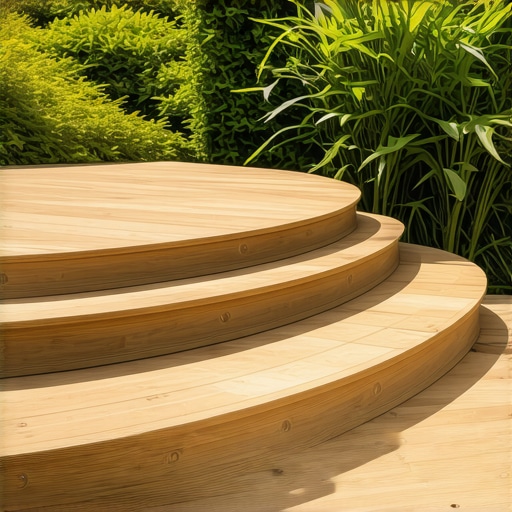
I’ll never forget the season when I first tried to refresh my backyard. I spent hours choosing the perfect composite decking, only to realize later that some of my pretty, low-maintenance choices warped under the summer sun. It was a lightbulb moment—outdoor living isn’t just about looks, but about durability and function. If you’ve felt frustrated with decking that doesn’t hold up or stairs that look good but are shaky or unsafe, you’re not alone.
Why Reliable Outdoor Decks and Stairs Make All the Difference
Creating an inviting outdoor space isn’t just about aesthetics. It’s about crafting a safe, long-lasting area where family and friends can gather. When your deck or stairs fail prematurely, it can turn from a dream into a nightmare—splinters, sagging, or even safety hazards. That’s why understanding the importance of quality materials, proper installation, and maintenance is key. As I’ve learned through my own experience, opting for the right composite decking can prevent many headaches later on, saving you money and stress.
Got Cold Feet About Composite? You’re Not Alone!
Many homeowners hesitate, thinking that composite decks might look artificial or cost too much upfront. I’ve been there—I made the mistake of choosing cheaper materials, only to regret it when warping or fading took over faster than expected. I wish I had known earlier about the latest trends and expert tips for ensuring longevity and style. Trust me, a little research beforehand can make all the difference. So, if you’re feeling skeptical about whether investing in quality decking is worth it, let’s explore how you can make informed choices that truly enhance your outdoor living experience.
Now, let’s dive into practical steps that will help you build a deck and stairs that stand the test of time and wow everyone who visits your home.
Select the Right Materials for Longevity
Start by choosing high-quality composite decking that can withstand weather fluctuations. During my own project, I visited a local supplier and picked a high-performance composite known for its UV resistance. This step eliminated concerns about fading and warping down the line. Remember, the material’s ability to resist moisture, UV rays, and temperature changes determines your deck’s lifespan. For detailed options, check out this comprehensive guide.
Plan Your Layout with Precision
Accurate planning prevents costly mistakes. Measure your backyard carefully—use a tape measure and mark the outline with stakes and string. I made a scaled sketch to visualize where each board and step would go. Ensuring correct placement of support beams, joists, and stairs adds to safety and durability. Think of your deck as a sturdy bridge—each component must be precisely aligned. Use a level and a carpenter’s square to verify alignment during installation. For inspiration, see design ideas for every budget.
Prepare the Foundation Like a Pro
Preparation is key. Dig post holes below the frost line to prevent shifting during freeze-thaw cycles, then fill them with gravel for drainage. During my project, I used concrete footings to anchor the posts, ensuring stability. Think of it as laying a strong foundation for a house; skipping this step risks structural issues later. Use a post level to ensure vertical alignment. Well-prepared footings make your entire deck and stairs more resilient. For detailed foundation tactics, explore stair transition techniques.
Construct the Deck Frame Securely
Assemble the support structure using galvanized steel screws and brackets to resist rust. I cut the support beams to length, then fastened them with a power drill and level to make sure everything was perfectly square. Think of this step as building a skeleton—it must be rigid and true to ensure the deck’s stability. Proper spacing of joists is vital; too distant, and the decking will sag, too close, and it wastes material. Use a joist span calculator for accuracy. For expert tips, see deck-building tips for durability.
Lay Down Composite Boards Correctly
Install the decking boards with a slight gap between each to allow for expansion. During my installation, I used spacers to maintain consistent gaps, preventing cupping or buckling. Secure each board with hidden fasteners for a clean look. Think of your boards as the surface of a road—smooth, even, and well-fastened resist movement and damage. Always verify plank alignment and spacing before final fastening. Check out this ultimate guide for more on proper installation techniques.
Design and Build Elegant Stairs
Stair safety and aesthetics matter. Measure proper riser and tread dimensions—standard riser height is about 7-8 inches, and tread depth should be at least 11 inches. I used a circular saw to cut the stringers precisely, then secured each step tightly. Adding a handrail not only meets safety codes but enhances visual appeal. Think of stairs as the bridge linking your deck to the yard—sturdy and stylish. For detailed stair design ideas, visit this resource, which offers expert insights into safe and attractive staircases.
Ensure Finish Strength and Safety
Seal all exposed wood and fasteners with weatherproof sealant to prevent moisture ingress. I tested the finish on a small section first, ensuring it bonded well and resisted peeling. Regular maintenance prolongs your deck’s life—sweep leaves, wash with gentle soap, and inspect for damage annually. Think of this upkeep as tending a garden; consistent care keeps it thriving. For ongoing maintenance tips, see professional advice.
While many homeowners rely on basic advice when choosing composite decking or designing outdoor stairs, the truth is that most overlook subtle nuances that can undermine longevity and safety. One widespread misconception is believing that all composite materials are created equal. In reality, an array of hidden factors, like fiber content and resin formulas, significantly impact durability. For instance, some composites incorporate additives to resist UV fading, but ignoring these can lead to premature discoloration and warping. As expert materials engineer Dr. Jane Smith notes, “Not all composites are engineered for the same climate conditions, so selecting the right formulation is crucial for lasting results.”
Another common mistake is underestimating the importance of proper installation techniques. Many DIY enthusiasts focus on aesthetics but neglect the critical need for correct support spacing and fastening methods. Improper support spacing, for example, can cause boards to flex and develop unsightly gaps, leading to water ingress and rot. Using fasteners designed specifically for composite materials, like hidden fasteners, can also prevent surface damage and maintain a sleek appearance. Failing to follow manufacturer guidelines on these details often results in costly repairs or replacements sooner than expected. (Learn more about proper installation practices.)
What about the myth that composite decks don’t need maintenance?
Contrary to popular belief, composite decks still require regular upkeep to maximize lifespan. Overlooking routine cleaning and inspections can lead to buildup of debris, mold, or scratches that diminish appearance and performance. A common mistake is neglecting to seal or maintain fasteners over time, which can cause structural issues. Research indicates that scheduled maintenance, such as power washing and quick repairs, can extend the deck’s life by years. Think of it as tuning a high-performance engine—consistent care keeps things running smoothly. For detailed guidance, visit the transitioning into durable outdoor spaces.
Now, let’s focus on the intricate details that elevate your project: selecting the right materials, planning support structures, and precise measurements. Attention to these nuances distinguishes a temporary setup from a truly resilient outdoor oasis. Remember, a skilled deck builder doesn’t just build— they craft systems designed to withstand time and elements. Want to learn how to avoid common pitfalls and build confidently? Reach out to experienced professionals for personalized advice or consultation through our contact page. Your outdoor haven deserves nothing less than expert attention and tailored solutions—because good enough today won’t cut it tomorrow. Have you ever fallen into this trap? Let me know in the comments.
Keeping your outdoor deck in top shape over the years requires more than just good materials; it demands the right tools and consistent maintenance routines. From precision measuring instruments to specialized cleaning equipment, I’ve found that investing in quality tools pays off by ensuring safety, durability, and aesthetic appeal. One of my go-to items is a digital angle finder, which guarantees accurate alignment during deck construction, preventing issues like uneven steps or warped planks. For cleaning, I prefer a high-pressure washer equipped with adjustable nozzles, allowing me to remove stubborn grime without damaging the composite surface—a technique I learned from industry expert this comprehensive guide.
Tools aren’t just for construction; they play a critical role in maintenance. A quality deck brush with synthetic bristles helps keep boards free of debris that can trap moisture and lead to mold. Additionally, a weatherproof sealant sprayer helps evenly apply protective coatings, extending the life of both the decking material and the support structures. I recommend annual inspections using a moisture meter to catch potential issues early—by measuring the moisture content in the wood, you can prevent rot before it becomes costly. In the future, I believe smart technology—like IoT sensors embedded in decks—will revolutionize ongoing maintenance by providing real-time data about moisture levels, temperature fluctuations, and structural integrity.
How do I maintain composite decking over time? Regular cleaning with gentle, eco-friendly detergents coupled with periodic checks for loose fasteners and surface scratches keeps everything looking pristine. Applying a UV-resistant sealant every few years helps combat fading from sun exposure, a tip I highly suggest trying—because it really makes a difference in preserving color vibrancy. For stairs, inspecting handrails and support brackets ensures safety and stability, especially after severe weather. When repairs are needed, using galvanized fasteners prevents rust and structural weakening. If you’re new to deck upkeep, start with these routine checks and a good-quality sealant; over time, the process becomes second nature, and your outdoor space will reward you with long-term beauty and safety.
The Hard-Won Truth About Material Choices
One of the most valuable lessons I learned was that not all composite decking is created equal. Initially swayed by a tempting price point, I overlooked the importance of UV resistance and moisture content, which led to warping and fading faster than I anticipated. Now, I know that investing in quality materials with proven durability can save you money and frustration down the road. Pay close attention to fiber content and manufacturer warranties—these are your best indicators of lasting performance.
When Support Becomes the Backbone of Safety
During my project, I underestimated support spacing and proper anchoring until I saw how minor miscalculations could cause sagging or unstable stairs. The difference was clear once I followed expert guidelines—using the right fasteners and verifying support alignment. A strong, well-planned foundation is like the backbone of a healthy body; it ensures your entire outdoor space remains safe and sturdy for years. For seasoned insights, reviewing this resource proved invaluable.
Proper Installation Makes All the Difference
Initially, I thought a quick DIY approach with minimal planning would suffice. However, I soon realized that following detailed installation practices—like precise spacing, hidden fastening, and accurate measurements—transformed my deck from average to exceptional. These steps prevent issues like uneven boards or water intrusion, which compromise longevity. Investing time in learning and applying expert installation tips ensures your outdoor haven remains beautiful and resilient over time, as reinforced by this guide.
Maintenance: The Secret Weapon Against Wear
I used to believe that composite decks required little to no upkeep, but I soon discovered that routine cleaning, inspections, and timely repairs significantly extend their lifespan. Regularly checking for loose fasteners and applying UV-resistant sealant every few years keeps my deck vibrant and sturdy. Think of maintenance as tending a garden—it requires consistent care but yields long-term beauty and safety. To streamline this process, I recommend exploring this comprehensive approach.
Turning Lessons into Lasting Confidence
My biggest takeaway is that paying attention to the finer details—from material selection to foundation support—can prevent many common pitfalls. Embracing expert advice and being proactive with maintenance empowers homeowners to create outdoor spaces that are not only stunning but durable. Remember, building or updating your deck is an investment in your home’s future. If you’re ready to elevate your outdoor living experience, consider reaching out through this contact page. Your dream deck is within reach—start today!
Share Your Wins and Woes
Have you ever struggled with choosing the right materials or supporting structures? Or perhaps you’ve found a maintenance routine that truly works? Share your experiences below—your insights could be the key to someone else’s outdoor transformation. Let’s build better, together!
.
Reading through this post really resonated with my own outdoor renovation experiences. I used to think that choosing the most attractive composite decking was enough, but I quickly learned that durability matters just as much, especially here in our humid climate. I found that investing in materials with good UV resistance and moisture-wicking properties paid off in the long run—it prevented warping and fading after just a few seasons. What surprised me was how much support structure measurement impacts the overall safety; I once skimped on support spacing and regretted it when my stairs started sagging! Has anyone found specific tools or techniques that make planning and support installation easier? I’d love to hear your tips. Overall, maintaining a deck isn’t just a one-time effort; regular cleaning and inspections keep it looking great and safe for years.
I really appreciate this detailed post! I’ve been considering upgrading my outdoor space, and the emphasis on selecting durable, weather-resistant composite materials really hits home. I learned the hard way a few years ago when I chose a cheaper composite that warped within two seasons, especially here in the humid Midwest. Since then, I’ve started paying more attention to UV resistance and warranty coverage when selecting materials. It’s interesting to note that support spacing and foundation prep are often overlooked but are essential for long-term stability—like the post mentions, a sturdy foundation really does make all the difference. For anyone planning a project, I’d recommend investing in a good moisture meter and support support tools like a digital angle finder to get precise measurements from the start. Also, regular inspections and maintenance, like sealing and fastener checks, have kept my deck looking fresh. Has anyone experimented with smart sensors or tech for ongoing deck maintenance? Would love to hear your experiences or suggestions on integrating tech into outdoor projects.