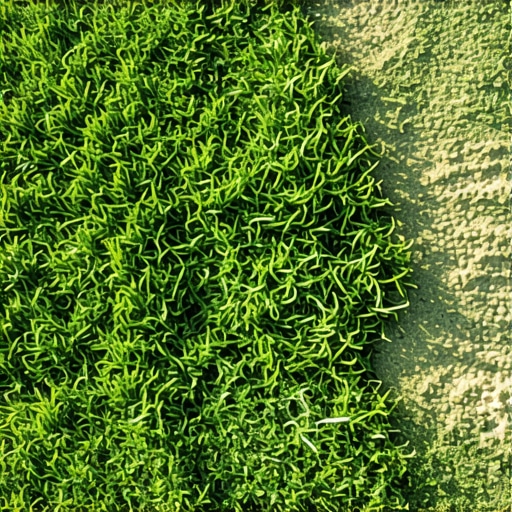
The Secret to a Level Lawn: Why Top Dressing Beats Rolling for Greenville Homeowners
If you live in the Upstate, you’ve likely experienced the “Upstate Roller Coaster” – that frustrating phenomenon where your lawn looks more like a series of miniature mountain ranges than a smooth, emerald carpet. For many homeowners in Greenville, Spartanburg, and Anderson, a bumpy lawn isn’t just an aesthetic eyesore; it’s a functional nightmare. It makes mowing a chore of constant scalping and jarring bumps, and it creates a literal tripping hazard for kids and pets.
As a turf care specialist here in Greenville, SC, I often see homeowners reaching for the heaviest tool they can find to solve the problem: the lawn roller. The logic seems sound – if the ground is bumpy, push it down, right? Unfortunately, that’s one of the most damaging mistakes you can make. Many Greenville new-builds suffer from poor initial grading and “builder-grade” soil that is already struggling. Adding a heavy roller to the mix is like trying to fix a headache by wearing a tighter hat. The real professional secret to lawn leveling near me isn’t force; it’s top dressing for lawns. In this guide, I’ll explain why top dressing is the superior method for achieving that golf-course finish without destroying your soil’s health.
The Fatal Flaw of Lawn Rolling: Why Your Soil Can’t Breathe
Lawn rolling is a practice that dates back decades, but modern soil science has largely debunked it for residential use. The mechanic is simple: a heavy steel or plastic cylinder filled with water is pulled across the yard to flatten high spots. While it might look smoother for a week or two, you are essentially committing “soil homicide.”
The core issue is soil compaction. Healthy soil is not a solid mass; it is a delicate balance of minerals, organic matter, and, most importantly, pore space. These pores allow oxygen, water, and nutrients to reach the root zone. When you run a heavy roller over your yard, you are crushing those pores. In the Upstate, our soil is notoriously high in heavy red clay. This clay is composed of tiny, flat particles that stack together easily. When compacted, this clay becomes nearly as hard as concrete.
Once the soil is compacted, your grass begins to suffocate. Roots cannot penetrate the hard earth, water pools on the surface (leading to fungal diseases), and oxygen cannot reach the microbes that keep your soil alive. This lack of stability can even affect nearby structures; for instance, understanding why your deck post footings keep sinking into the soil often comes down to the same issues of soil density and poor drainage that rolling exacerbates. By trying to level the surface with weight, you are sacrificing the long-term viability of your turf.
What is Top Dressing? The Professional’s Approach to Leveling
If rolling is about pushing the high spots down, top dressing is about bringing the low spots up. This is the method used by professional greenskeepers at high-end golf courses and sports stadiums. Top dressing for lawns involves applying a thin layer of specialized material over the surface of the grass and working it into the canopy so it settles into the depressions.
The standard professional mix is usually a 70/30 blend: 70% masonry sand and 30% high-quality compost or topsoil. Why sand? Sand doesn’t compact. It maintains its structure, allowing for excellent drainage and air movement even as it fills in the “bumps” of your yard. The compost component adds vital organic matter and beneficial biology back into the soil profile.
The benefits of top dressing go beyond just a flat surface. It improves the physical structure of the soil over time and helps manage thatch buildup by encouraging microbial activity. It’s a regenerative process, whereas rolling is a destructive one. This approach is very similar to the grading trick that saves Branson landscaping from Ozark runoff; it’s about managing the flow of water and the integrity of the ground through additive, strategic materials rather than blunt force.
Comparing the Costs: Is Professional Leveling Worth It?
When searching for “affordable landscaping,” homeowners are often tempted by the low price of a rental roller. However, the true yard grading and leveling cost should be measured over the life of your lawn. If you roll your lawn and kill the root system, you’ll eventually face a total renovation bill that far exceeds the cost of a professional top dressing service.
According to regional data for landscaping companies Greenville SC, the typical investment for professional yard leveling ranges from $539 to $3,596. The average homeowner in the Upstate spends about $900 for a standard residential lot. This price accounts for the specialized equipment (like power spreaders and leveling lutes) and the high-quality materials required. Labor costs in our area typically hover around $50 an hour.
While this is a higher upfront cost than a DIY roller rental, the value proposition is clear. You are investing in a permanent improvement to your soil structure. A properly top-dressed lawn requires less water in the summer, fewer chemical fertilizers, and experiences fewer pest and disease issues. It’s the difference between a quick fix and a long-term solution.
The Step-by-Step Process for a Perfectly Level Lawn
If you are looking for lawn leveling near me, you need to know what a professional process looks like. We don’t just throw sand on the grass and call it a day. It is a calculated, multi-step operation:
- Mow Low (Scalping): Before we begin, the lawn must be mowed at its lowest possible setting. We want to see the “skeleton” of the ground. For Bermuda or Zoysia, this means taking it down almost to the dirt.
- Core Aeration: This is the most critical step. To combat existing compaction, we pull thousands of small soil plugs out of the ground. This creates “pockets” for the new top dressing material to fall into, integrating the sand/compost mix directly into the root zone.
- Material Selection: We use custom “864-999-SAND” style blends. In Greenville, we prefer a kiln-dried masonry sand because it flows easily into the aeration holes and settles perfectly into the low spots.
- Spreading & Leveling: Using a specialized machine or a manual leveling rake (often called a “lute”), the material is spread evenly. The goal is to fill the holes and the valleys while leaving the tips of the grass blades exposed.
- Watering & Recovery: Immediately after leveling, the lawn needs a deep soak. This helps the material settle and encourages the grass to grow through the new layer. Within 14 to 21 days, your lawn will “pop” through, and the surface will be noticeably flatter.
This meticulous yard grading and leveling ensures that you aren’t just burying your problems, but actually changing the topography of your yard for the better.
When Top Dressing Isn’t Enough: Sod and Irrigation
Sometimes, a lawn is beyond the help of a simple top dressing. If your yard has depressions deeper than two or three inches, or if the initial grading by the builder was fundamentally flawed, you might need more aggressive landscaping services.
In these cases, we often recommend a fresh bermuda sod installation. This allows us to regrade the entire lot with heavy machinery, ensuring proper drainage away from your home’s foundation, before laying down a fresh, level carpet of turf. If you are going this route, it is the absolute best time to look for sod installers near me who also handle sprinkler system installation near me.
There is a massive synergy between leveling and irrigation. When the ground is already being worked, installing residential irrigation services is much more cost-effective. You can even plan your outdoor layout to include features like decks or patios, perhaps even learning how to hide your irrigation pipes under a new deck installation to keep your backyard looking pristine and professional.
Why Local Expertise Matters in Upstate SC
Greenville is located in what we call the “transition zone.” This is a challenging geographic area where it’s almost too hot for cool-season grasses like Fescue and sometimes too cold for warm-season grasses like Bermuda. Because of this, the timing of your leveling project is vital.
Top dressing a Fescue lawn in the middle of a Greenville July is a recipe for disaster. Conversely, leveling Bermuda while it’s dormant in January won’t yield the results you want. Hiring landscaping companies Greenville SC that understand our local soil chemistry and climate cycles is essential. We know when the clay is too wet to work and when the grass is vigorous enough to handle a heavy sand application. Local experts like myself, working with teams like The Grounds Guys of Greenville and Lawn Pride, see these soil conditions every day and know exactly how to navigate the Upstate’s unique challenges.
Conclusion: Elevating Your Outdoor Living Space
A level lawn is more than just a vanity project; it is the foundation of your entire outdoor living space. Whether you are planning a backyard makeover with professional outdoor living space designers or simply want a safe place for your family to play, the quality of your turf matters.
Stop the cycle of compaction caused by rolling. Choose the professional path of top dressing to ensure your soil remains healthy, breathable, and perfectly flat. If you’re ready to transform your bumpy yard into a masterpiece, I encourage you to contact a local professional for a soil assessment. Once your lawn is level, you can truly begin to enjoy the beauty of the Upstate from the comfort of a perfectly manicured yard or a custom-built deck. For more information on creating the ultimate backyard, consider the benefits of working with a professional deck builder in your outdoor projects to complement your newly leveled lawn.