
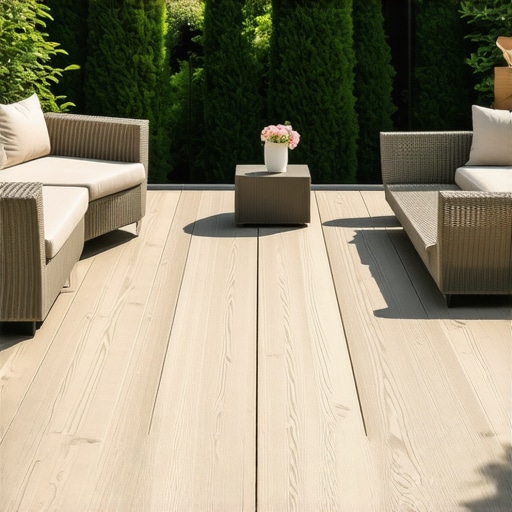
One summer evening, I stepped out onto my aging deck, only to realize the stairs were wobbly, and the design felt outdated. That sinking feeling of both danger and aesthetic disappointment hit hard. It was a lightbulb moment—if I wanted my outdoor space to be both beautiful and safe, I needed to do something about it. Since then, I’ve learned that crafting a stylish, durable outdoor living area isn’t just about choosing the right materials; it’s about understanding what truly makes a deck inviting and functional.
In this post, I’ll share proven tips that have helped me—and countless others—turn simple decks into personalized retreats. Whether you’re dreaming of transforming your garden or upgrading your current setup, these insights will guide you toward making smarter choices, avoiding common pitfalls, and finally achieving that outdoor haven you’ve always envisioned.
Why a Well-Designed Deck and Stairs Matter More Than You Think
The appeal of outdoor living is undeniable, especially as more homeowners realize its value in enhancing their lifestyle and property. A well-built deck creates seamless transitions from indoors to outdoors, increases your home’s footprint, and sets the stage for gatherings and relaxation. But it’s not just about looks—sturdy, safety-compliant stairs are vital to prevent accidents and improve accessibility. According to a study by the Consumer Product Safety Commission, falls from decks and stairs are among the most common outdoor injuries, emphasizing the importance of quality design and construction.
Early in my projects, I made the mistake of neglecting the importance of proper stair design, leading to wobbling steps and a lack of aesthetic harmony. Since then, I’ve realized that investing in seamless, stylish, and safe stairs pays off in both safety and visual appeal. Now, I make sure every deck I work on meets modern standards, blending function with style.
Ready to learn how to elevate your outdoor space effectively? Let’s explore the most crucial tips, from choosing the perfect composite decking to designing stairs that impress—and last. If you’ve ever faced mishaps like loose steps or a deck that doesn’t quite fit your vision, you’re not alone. This guide is designed to help you avoid those pitfalls and build with confidence.
Is decking and stair safety really worth the hype?
Absolutely. I once overlooked the importance of proper framing and just got lucky that my stairs held up for years. But a lack of proper support can turn a beautiful project into a hazard overnight. It’s easy to think that DIY fixes are enough, but experienced builders know that a small mistake can lead to costly repairs or accidents. To ensure your outdoor project stands the test of time—and the weather—consider consulting resources like the [Ultimate Guide to Composite Decking and Stylish Stairs for Outdoor Spaces](https://deckdesignbuild.com/ultimate-guide-to-composite-decking-stylish-stairs-for-outdoor-spaces-2), which offers expert tips and safety guidelines.
Making informed decisions from the start guarantees a safe, long-lasting, and gorgeous outdoor environment. Now, let’s get into the specifics that will make your deck and stairs both stunning and durable for years to come.To build a safe and stylish outdoor deck, start by assessing your space and selecting durable materials such as composite decking, which offers low maintenance and long-lasting beauty. Measure your area precisely, and create a detailed plan focusing on the layout and support structures to ensure stability. During construction, use galvanized steel fasteners instead of nails to prevent corrosion, much like choosing the right connectors for a sturdy Lego structure. When framing your stairs, ensure the stringers — the main supports — are cut to exact specifications; I once miscalculated the angle, causing wobbly steps, which taught me the importance of accurate measurements. Employ a carpenter’s square to maintain proper angles and check each cut meticulously.
Next, focus on the stair treads and risers. For treads, opt for non-slip surfaces; many composite options come with textured finishes that mimic wood grain. Install risers at uniform heights to prevent tripping hazards and give the staircase a polished look. For a visual guide, review the detailed techniques shared in [Designing Safe and Stylish Stairs](https://deckdesignbuild.com/designing-safe-and-stylish-stairs-for-outdoor-decks-in-2025). Make sure that the risers and treads are secured tightly with appropriate fasteners, avoiding any loose components.
In constructing the support posts and beams, follow local building codes meticulously. Use pressure-treated lumber or composite supports that resist rot and pests, especially in exposed outdoor environments. When attaching the handrails and guardrails, ensure they meet height standards—typically 34 to 38 inches—to prevent falls. I once skimped on the railing height, which became a safety hazard; now, I always double-check specifications. Anchor all posts securely to concrete footings using post anchors to prevent shifting over time. For design consistency and safety, incorporate balusters ideally spaced no more than 4 inches apart, complying with safety standards.
Throughout the process, double-check every measurement and connection, as small errors can compromise safety and aesthetics. Don’t forget to seal or treat the composite decking if needed, even though it’s low-maintenance, to protect against staining and UV damage. For inspiration and further detailed procedures, visit [Outdoor Living Made Easy](https://deckdesignbuild.com/outdoor-living-made-easy-best-tips-for-durable-composite-decks-elegant-stairs).
By following these methodical steps, you’ll ensure your outdoor space is both inviting and resilient. Remember, precision in measurement, quality materials, and adherence to safety standards are your best allies in creating a deck and stairs that last. If you need personalized assistance or want to see how pro builders approach these projects, consider [how a skilled deck builder can turn your garden into a retreat](https://deckdesignbuild.com/how-a-skilled-deck-builder-can-turn-your-garden-into-a-private-oasis).While obvious mistakes like poor measurements or subpar materials are easy to spot, many homeowners and even some professionals overlook subtle nuances that can compromise the longevity and safety of outdoor structures. One common misconception is that choosing the right composite decking alone guarantees durability; in reality, installation techniques and understanding material properties are equally crucial. For instance, many folks assume that all composite decks are maintenance-free, but some higher-end options require specific cleaning protocols to prevent staining and UV damage, as highlighted in expert guides on [composite decking trends for 2025](https://deckdesignbuild.com/composite-decking-trends-2025-the-ultimate-guide-for-outdoor-enthusiasts). A frequent trap is neglecting proper support framing, which can lead to early sagging or even structural failure over time, despite using premium materials. Additionally, the glamour of stylish stairs often blinds builders to the importance of precise stringer calculations; a minor miscalculation here can make the entire staircase wobbly or unsafe, emphasizing the need to follow detailed [designing safe and stylish stairs](https://deckdesignbuild.com/designing-safe-and-stylish-stairs-for-outdoor-spaces) procedures. Another advanced nuance that many miss is the effect of temperature fluctuations — wood expands and contracts, but composite materials are not immune. Understanding these thermal movements helps prevent cracks or warping in your outdoor structures. Many experts now recommend incorporating expansion gaps and flexible fasteners, as discussed in [the ultimate guide on durable composite decks](https://deckdesignbuild.com/ultimate-guide-to-composite-decking-stylish-stairs-for-outdoor-spaces-2), to mitigate these issues. The worst mistake, however, is ignoring local building codes and regulations. Not only can this lead to fines, but it also risks safety; a deck built without adhering to these standards may collapse during heavy use or storms. As I learned from experience, consulting local codes early in the project saves headaches and reinforces safety. Let’s remember: building an outdoor oasis demands more than just aesthetic choices; it requires an in-depth understanding of material behaviors, precise craftsmanship, and awareness of regulations. Want to avoid these hidden mistakes and elevate your outdoor living space? Carefully selecting your materials, consulting comprehensive guides, and considering advanced factors like thermal expansion can make all the difference. If you’re curious about more under-the-radar pitfalls or expert insights, check out [how a skilled deck builder transforms outdoor spaces](https://deckdesignbuild.com/how-a-skilled-deck-builder-can-turn-your-garden-into-a-private-oasis). Have you ever fallen into this trap? Let me know in the comments.Maintaining a beautiful, durable outdoor space requires more than initial construction; it demands regular upkeep and the right tools. I personally rely on specialized equipment and software to ensure my decks remain safe and visually appealing. For instance, I use a laser distance meter, such as the Bosch GLM 50 C, for precise measurements during repairs or future expansions. Its accuracy helps prevent costly mistakes, especially when working on support supports or stair dimensions. Additionally, I utilize drone photography with a lightweight drone like the DJI Mini SE to inspect hard-to-reach areas, identifying potential issues like warping or loose framing before they escalate.
Alongside hardware, software tools play a crucial role. I recommend using project management apps like Trello or Asana to track maintenance schedules and modifications over time. These platforms help organize tasks such as sealing decks or replacing worn-out components, ensuring nothing falls through the cracks. For detailed design adjustments, SketchUp Pro offers a user-friendly interface for visualizing modifications or future layout changes to your outdoor living area.
In terms of long-term results, adopting a proactive maintenance routine is essential. For composite decking, a gentle cleaning with a non-abrasive brush and mild detergent every few months preserves its appearance and prevents staining. When it comes to stairs, inspecting for loose balusters or signs of wood rot—especially at the support posts—can prevent accidents. Applying sealants, like aluminum oxide-based coatings, can also extend the lifespan of supporting structures.
Looking ahead, I believe that integration between digital monitoring tools and smart sensors is the future of outdoor maintenance. Imagine sensors that alert you when a support post shows signs of shifting or when materials need sealing. This convergence can revolutionize how we care for outdoor structures, making upkeep less reactive and more preventive.
How do I maintain my decks and stairs over time? Regular inspections combined with the right tools—like laser measurers for accurate adjustments and drone inspections for hidden areas—are game-changers. I encourage you to try using a laser distance meter on your next project; its precision can save you time and money by catching issues early. For in-depth guidance on the latest tools and maintenance techniques, visit this resource on professional deck-building strategies.
The Hidden Truths I Didn’t Expect About Outdoor Living and Deck Construction
One of the most eye-opening lessons I learned was the significance of patience. Rushing through measurements or ignoring small details in stair support can lead to costly mistakes. Taking the extra time to double-check and fine-tune every element not only ensures safety but also elevates the aesthetic appeal of your outdoor space.
Another revelation was understanding the true complexity behind choosing the right materials. I initially thought that investing in premium composite decking was enough, but I soon realized that proper installation techniques and ongoing maintenance are equally vital to longevity. This insight transformed how I approach outdoor projects, emphasizing a holistic view rather than just the upfront costs.
An unexpected lesson was how design impacts everyday usability. Small tweaks, like adjusting stair riser heights or railing spacing, made a remarkable difference in comfort and safety. It taught me that thoughtful planning is the secret ingredient in creating inviting outdoor environments that genuinely enhance your lifestyle.
Blueprints for Success: Tools and Resources I Swear By
My essential toolkit begins with a laser distance meter, such as the Bosch GLM 50 C, which guarantees precise measurements—crucial for seamless decking and stair construction. Paired with a digital level, these tools prevent skewed supports and uneven steps. For visual planning, I rely on SketchUp Pro; its intuitive interface helps me visualize complex layouts before breaking ground.
When searching for expert advice, I turn to comprehensive guides like the ultimate resource on composite decking and stylish stairs. These resources distill professional techniques into accessible steps, which I find invaluable for both beginner projects and advanced renovations.
Books such as “The Complete Guide to Deck Construction” by Rob Roy provide timeless wisdom on structural integrity and safety standards, helping me refine my craftsmanship. And for inspiration, websites like outdoor living ideas with the latest composite trends keep me updated with innovative design ideas that marry beauty with resilience.
Seize the Moment and Elevate Your Outdoor Space Today
Transforming your outdoor area into a stunning, durable retreat is within reach—armed with the right knowledge, tools, and mindset. Remember, every detail matters in creating a space that’s safe, stylish, and tailored to your lifestyle. Don’t wait for the perfect moment; start planning your outdoor masterpiece now. The future of outdoor living hinges on the steps you take today, so embrace the challenge and enjoy every stage of your journey.
What’s the biggest obstacle you’ve faced when working on your deck or stairs? Share your experiences below—I’d love to hear and help you overcome it!
Reading this post really resonated with me, especially the part about how small details in stair design can make a huge difference in safety and aesthetics. I’ve personally experienced the frustration of wobbly stairs due to mismeasured stringers, which could have been easily avoided with more precise planning. It’s clear that taking the time to double-check every cut and measurement is worth the extra effort, as it pays off in durability and safety. I’ve started using a digital level and laser measure for all my projects, and the difference it makes is incredible. Do others find that investing in quality tools reduces errors during construction? I’d love to hear what specific tools or techniques others have found most helpful for ensuring safety and longevity in their outdoor projects. Creating a comfortable, stylish outdoor space is a goal I share, and these insights definitely help me stay motivated to do it right from the start.