
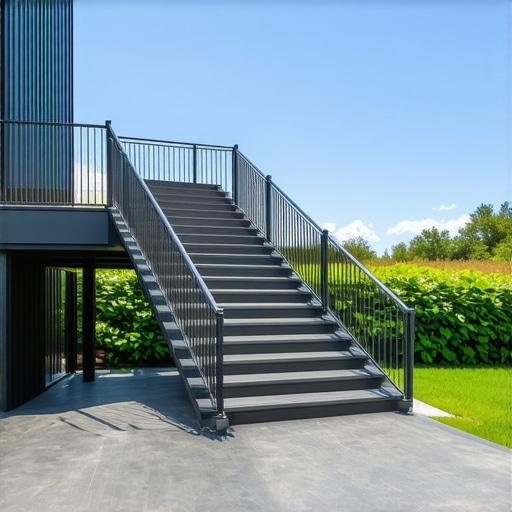
There was a moment last summer when I finally looked out my back door and saw a crumbling, uneven staircase that was more hazard than pathway. It hit me hard—outdoor stairs aren’t just functional; they’re a vital part of your outdoor living experience. If you’ve ever tripped, slipped, or simply felt embarrassed by your outdoor steps, you’re not alone. That lightbulb moment made me realize that upgrading my stairs and deck wasn’t just about aesthetics—it was about safety, durability, and creating a space I could truly enjoy.
Why Your Outdoor Stairs and Deck Deserve Better Materials
Over the years, I learned that choosing the right materials for outdoor stairs and decking can make or break your backyard oasis. Cheap wood might seem like a good deal initially, but it quickly deteriorates, especially in harsh weather. I wish I had known earlier that modern composite decking and specially designed outdoor stairs could stand up to anything—rain, sun, or snow—without constant maintenance. According to industry experts, composite decking trends for 2025 highlight how these materials are evolving into more durable, eco-friendly options that require less upkeep and look stunning for years.
Is Composite Decking Actually Worth the Hype?
Early on, I made the mistake of thinking that composite decking was just a fad. I spent a fortune on traditional wood that warped and faded faster than I anticipated. Trust me, I’ve been there. Now, I know better. Modern composite decking is designed for longevity and beauty. When I switched to a high-quality, low-maintenance composite, my outdoor space transformed. No more sanding or staining—just enjoying my backyard. For a deeper dive into choosing the right composite, check out this guide.
So, if you’ve faced the frustration of rotting stairs or faded decking, you’re in the right place. I’ll walk you through the practical steps to select, design, and install outdoor stairs and decks that last. Ready to turn your outdoor space into a safe, stylish haven? Let’s get started.
Choose the Right Materials for Longevity and Style
Start by selecting high-quality composite decking, which offers durability and minimal maintenance. During my own project, I visited a local supplier and examined several samples; I noticed that cheaper composites chipped easily, while premium options had a solid feel and rich color that lasted. This step is crucial because the right material withstands weather and foot traffic, keeping your space looking fresh for years. For more insights, explore this detailed guide.
Designing Safe and Attractive Stairs
Next, plan your stairs with safety and aesthetics in mind. I recommend a tread depth of at least 11 inches and risers no taller than 7 inches for comfortable navigation. I once sketched my design on graph paper, then used a level and string to mark the stringers on site, ensuring consistent angles. Remember, the transition between your deck and stairs should be seamless, which can be achieved by creating a gentle slope or matching the stair rise to the deck height. Check out this resource for detailed stair design tips.
Preparing Your Site for Installation
Before installing, clear the area of debris and level the ground. I used a rented plate compactor to firm the base, which prevented future shifting. Lay a gravel bed for drainage, then set concrete footings or metal post anchors depending on your design. Precise preparation minimizes movement and enhances safety. During my project, I spent a Saturday morning leveling the site, which made the entire installation smoother. Proper groundwork is the foundation for durable stairs and decking. For expert advice, consider professional tips.
Building the Frame and Installing the Decking
Construct the frame using pressure-treated lumber or steel supports, ensuring it is square and level. When I built my frame, I used a carpenter’s square and laser level to double-check measurements. Attach the composite decking boards perpendicular to the joists, leaving a small gap for drainage. Secure each board with corrosion-resistant screws, making sure they sit flush for a clean look. During my build, I realized that pre-drilling prevented splitting and made assembly easier. The frame acts as the backbone, so invest time in precise construction to prevent issues later. Learn more from expert construction tips.
Finishing Touches for Safety and Style
Finally, add handrails, lighting, and non-slip surfaces. I installed LED step lights and textured the surface of the stairs for safety and ambiance. Ensure all components are securely anchored and compliant with safety codes. These details not only enhance the look but also improve usability and safety. I found that a coat of weatherproof paint or sealant on the handrails kept them looking new longer. Small improvements can make a big difference in your outdoor experience. For inspiration, visit this inspiration gallery.
Many homeowners believe that choosing the most affordable materials will yield the best long-term results, but this is a trap that can lead to costly repairs and safety hazards. For example, some assume that composite decking is maintenance-free, but quality varies widely, and neglecting proper installation or maintenance can reduce its lifespan significantly. I’ve seen many projects where cheap composites chipped or warped within a year, despite claims of durability. To truly benefit from modern composite trends, investing in higher-quality materials and proper installation is essential, which can be explored in this comprehensive guide.
A common myth is that outdoor stairs can be built with minimal planning or precision. However, overlooking correct measurements, safety standards, and transitional design can result in uneven, unsafe stairs that pose tripping hazards. Many overlook the importance of seamless transitions between deck and stairs, which can be a subtle but critical detail. Proper design ensures not only safety but also aesthetic harmony, as discussed in this detailed article.
Advanced builders often face questions about integrating stairs into complex outdoor layouts. One mistake is underestimating the importance of drainage and foundation stability, which can cause shifting or settling over time. For example, inadequate gravel beds or improper footing preparation can lead to uneven stairs that become hazardous. Industry experts emphasize thorough site prep and precise framing to avoid these issues, as explained in this expert resource.
Have you ever fallen into this trap? Let me know in the comments. Remember, a well-constructed outdoor space combines smart material choices, meticulous planning, and attention to detail. It’s the secret to transforming your backyard into a safe, stylish retreat that lasts for years.
Maintaining your outdoor stairs, decking, and overall outdoor living space requires not only the right techniques but also the proper tools and equipment. Over the years, I’ve refined my toolkit to ensure my outdoor projects stay durable, safe, and beautiful with minimal hassle. Investing in quality tools now pays off by reducing time, preventing mistakes, and extending the lifespan of your structures.
How do I maintain my outdoor stairs and decks over time?
One of the most crucial aspects of keeping your outdoor spaces in top shape is routine inspection and cleaning. I recommend starting with a high-pressure washer designed specifically for decks and stairs. For example, I personally use the Sun Joe SPX3000 because it provides adjustable pressure settings that let me remove dirt and grime without damaging composite surfaces. This prevents mold buildup and keeps the surface slip-resistant, especially important for safety during rainy seasons.
Next, I focus on sealing and protecting the materials. For composite decking, I rely on specialized sealants that are formulated for low-maintenance materials. Applying these annually helps preserve color and prevents surface degradation. I use a quality brush or sprayer—my personal favorite is the Wagner Control Spray Max because it offers even coverage and reduces overspray, saving time and effort.
When it comes to tools, I cannot recommend a good cordless drill enough. A reliable drill like the DeWalt DCD791D2 makes installing handrails, lighting fixtures, or upgrading stairs much easier. Its power and battery life ensure I can complete projects without interruption, especially when working in tight spots or on elevated areas.
For ongoing safety, I always check for loose screws, cracked boards, or unstable supports. A compact Milwaukee M12 Insulation Resistance Tester helps me verify electrical safety for lighting and wiring, especially if I’ve integrated LED steps or other electrical features for ambiance.
Looking ahead, I believe technology will continue to revolutionize outdoor maintenance. Smart sensors that monitor surface wear or moisture levels could alert homeowners when to clean or reseal surfaces, extending the lifespan of composite decking and stairs even further. Staying updated with trends like these will ensure your outdoor living space remains stunning and safe for years to come.
Take your outdoor maintenance to the next level by investing in a versatile pressure washer and a quality sprayer. These tools make routine upkeep efficient and effective, ensuring your outdoor stairs and decks stay in excellent condition. For more advanced tips and expert guidance, consider consulting a professional deck builder—click here to get started.

Lessons from My Outdoor Renovation Journey
- Never underestimate the importance of precise measurements—small errors can lead to unsafe stairs that cause trips or falls. I learned that taking extra time to double-check every dimension is worth the effort.
- Investing in high-quality composite materials initially might seem costly, but the long-term savings on maintenance and repairs far outweigh the upfront expense. Upgrading to premium composites transformed my backyard into a low-maintenance paradise.
- Safety features like non-slip surfaces and sturdy handrails aren’t just accessories—they’re essentials. I discovered that thoughtful design details significantly enhance both safety and aesthetic appeal.
- Proper site prep, like proper soil leveling and drainage, prevents future shifting or settling of stairs and decks. Skipping this step can cause costly issues down the line, so it’s worth doing right from the start.
- Lighting isn’t just for ambiance; it’s a safety feature that helps prevent accidents at night. Installing LED lights along stairs added both style and security to my outdoor space.
My Go-To Tools and Resources for Outdoor Living Projects
- Sun Joe SPX3000: A versatile pressure washer that makes cleaning composite decks quick and effective, preventing mold and maintaining slip resistance.
- Wagner Control Spray Max: An excellent sprayer for applying sealants evenly across large surfaces, extending the life of your materials.
- DeWalt DCD791D2: A powerful cordless drill that simplifies installing handrails, lighting, and other fixtures, saving time and effort.
- For expert guidance, I trust this comprehensive guide to selecting durable, low-maintenance composite decking that stands up to weather and foot traffic.
Your Next Step to a Stunning Outdoor Retreat
Building or upgrading your outdoor stairs and deck with the right materials and careful planning can truly transform your backyard into a safe, stylish sanctuary. Whether you’re aiming for a seamless transition between your home and garden or an inviting space for family gatherings, the possibilities are endless. Remember, a well-designed outdoor space isn’t just beautiful—it’s a smart investment in your home’s safety and value. Don’t wait to create the outdoor living area you’ve envisioned—start today and enjoy the benefits for years to come.
What’s been your biggest challenge when designing outdoor stairs or decks? Share your experience below—I’d love to hear your story!
Your detailed journey with upgrading your outdoor stairs and deck resonates with me a lot. I recently realized that our old wooden stairs were getting dangerous, especially with unpredictable weather here in Denver. Switching to composite materials not only enhanced safety but also reduced my maintenance chores significantly. I appreciate your emphasis on proper site prep—it’s often overlooked but truly the foundation of a durable structure. One thing I’ve found helpful is installing anti-slip treads on the stairs, which has made a noticeable difference in safety during rainy days. Out of curiosity, have you considered integrating smart lighting or sensors to monitor the condition of your stairs over time? I wonder if those technological integrations might be the next step for long-term safety and convenience. Overall, your tips and resource links are really practical for homeowners considering a renovation; I’ll definitely be bookmarking this for my next project.