
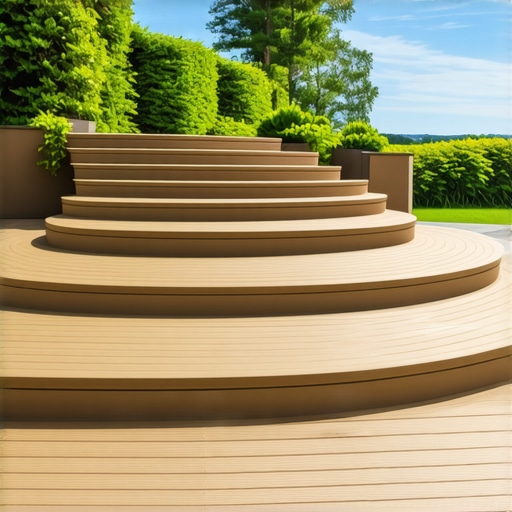
Ever spent a weekend under the sun only to realize that your deck isn’t holding up as well as you hoped? I remember the first time I built my own outdoor deck—excited, eager, but completely unaware of how quickly poor choices could turn it into a warped, splinter-filled nightmare. That lightbulb moment taught me a lot about what it really takes to create a durable, gorgeous outdoor space. If you’re tired of wasting time and money fixing or replacing your deck and stairs, stick around. Today, I’ll share expert tips that can help you build with confidence, ensuring your outdoor haven stands the test of time and looks stunning for years to come.
Why Choosing the Right Materials and Techniques Matters
When I kicked off my project, I underestimated how crucial material selection and proper installation are. I used the cheapest composite decking I could find, thinking durability was a given. Spoiler alert: it wasn’t. The result was a deck that faded, warped, and required frequent upkeep. That mistake cost me more in the long run and taught me that investing in quality from the start makes all the difference. If you’re committed to creating a space that’s both beautiful and resilient, I recommend diving into the latest composite decking trends. These materials are designed to withstand weather, wear, and tear, reducing maintenance and extending your deck’s lifespan.
Is Composite Decking Truly Worth the Investment?
This is the question that held me back at first. I was skeptical about the costs and whether it would really deliver on durability. Early on, I made the mistake of choosing a budget option that promised low maintenance but couldn’t handle my climate’s humidity. The truth is, not all composites are created equal. Some brands and types are engineered for strength and longevity, making them worth every penny. To avoid my mistake, I suggest researching and selecting a trusted supplier, and even consulting a professional if needed. Remember, a well-built deck isn’t just about materials—it’s about craftsmanship and planning. Want to see how expert builders approach this? Check out tips from seasoned professionals.
Start with Precise Planning and Material Selection
My first project went awry because I didn’t double-check the compatibility of my chosen materials. I grabbed the cheapest composite decking, assuming all options were equally durable. When the weather turned humid, the deck warped within months. To avoid this, I now recommend thoroughly researching the best composite decking options. Choose materials engineered for your climate—look for brands that emphasize UV resistance and moisture protection. This upfront investment ensures your deck withstands weather and time, saving you money and stress later.
Prepare the Foundation Like a Pro
Think of building your deck like laying a sturdy foundation for a house. I once rushed through the ground prep, skipping proper leveling and drainage considerations. The result was a wobbly deck that settled unevenly. Now, I use a laser level to ensure the ground is perfectly flat and install a gravel base for drainage. This step is crucial because it prevents water pooling and wood rot. Proper footing, with concrete piers or blocks, provides stability and aligns with local building codes. Never skip this step—your future self will thank you.
Focus on Accurate Framing and Fastening
The frame is your deck’s skeleton. I learned this the hard way when I used nails instead of screws; the structure rattled and squeaked within months. Switch to galvanized or stainless steel fasteners—they resist rust and keep your frame solid. Use a framing square and a level to ensure every joist is perfectly aligned. For added strength, stagger the joints of your decking boards, like a brick wall, to distribute weight evenly and prevent warping. Proper framing sets the stage for a smooth, durable surface and safe stairs.
Constructing Elegant and Safe Stairs
When building stairs, precision matters. I once measured incorrectly and ended up with uneven risers, which made my stairs look amateurish. To get it right, I first determine the total rise and run, then divide by the desired step height—usually between 7 and 8 inches. Cut stringers using a jig or a template that matches your measurements. Secure stringers firmly with corrosion-resistant brackets and bolts. Install treads with a slight overhang to create a clean look and prevent water pooling. For safety, add sturdy handrails and non-slip nosing. Check local regulations for stair dimensions to ensure compliance and safety.
Seal and Finish for Longevity
Once your deck and stairs are built, apply a high-quality sealant designed for composite surfaces. This creates a barrier against moisture and UV rays, maintaining color and integrity. I recommend reapplying every couple of years, especially in harsh climates. Regularly sweep debris and wash with mild soap to prevent mold and dirt buildup. These maintenance habits extend your deck’s life and keep it looking fresh.
Consult Professionals When Needed
If you’re unsure about any step, consulting a professional can save you time and costly mistakes. Expert builders can provide insights tailored to your space and climate, ensuring your project meets safety standards and lasts for decades. Check out the benefits of professional help before starting your build.
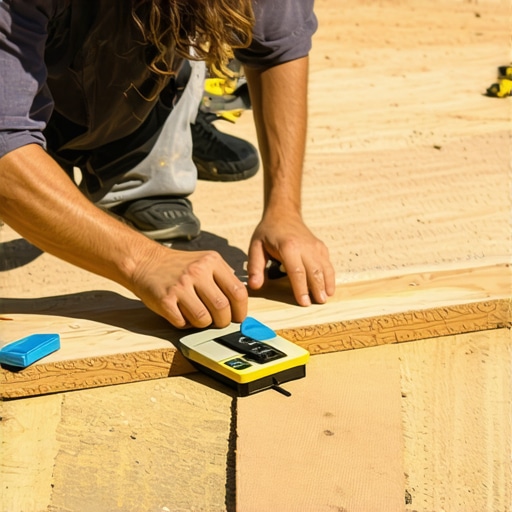
Many DIY enthusiasts and even seasoned builders often fall for misconceptions that can compromise the quality and longevity of their outdoor decks and stairs. Let’s dig deeper into some of the most common mistakes and overlooked details that can trip up your project, despite your best intentions.
Why Most People Overlook the Importance of Proper Drainage
A frequent mistake is neglecting adequate drainage planning. While it might seem minor, poor drainage causes water to pool around the foundation and under the decking boards, accelerating wood rot and degrading composite materials faster than expected. Experts emphasize that ensuring a slight slope away from your structure and installing a gravel base can dramatically extend your deck’s lifespan. Proper drainage is often underestimated, but it’s a critical detail that can make or break your project.
Debunking the Myth: All Composite Decking Is Equal
Many believe that all composite decking offers similar durability, but the truth is quite the opposite. In my experience, choosing a cheaper, poorly engineered composite can lead to fading, warping, and mold growth, especially in humid climates. The key is selecting brands that incorporate UV-resistant and moisture-proof technologies, which are often highlighted in latest composite decking trends. Investing in high-quality materials from reputable suppliers ensures your deck will withstand the test of time, saving you money and headaches in the long run.
Are You Making This Advanced Mistake in Framing?
One advanced mistake I see many overlook is the importance of precise framing and fastening techniques. Using nails instead of corrosion-resistant screws might seem insignificant, but it compromises the structural integrity over time. Additionally, not staggering board joints properly can lead to uneven settling and warping. For the best results, use galvanized fasteners, ensure every joist is perfectly aligned, and follow professional standards for spacing and support. This attention to detail is what separates a good deck from a truly durable one. For expert insights, check out tips from seasoned professionals.
Have you ever fallen into this trap? Let me know in the comments. Remember, understanding these nuances and avoiding common myths can significantly improve your outdoor project’s durability and aesthetic appeal. Take the time to plan thoroughly, select quality materials, and execute with precision—your future self will thank you.
Maintaining a durable outdoor deck and stairs requires the right tools and a consistent approach. Over the years, I’ve tested various equipment and methods to ensure my structures stay in top shape. Investing in quality tools not only saves time but also enhances the precision of your work, leading to longer-lasting results.
Power Drills and Impact Drivers
For fastening and screw driving, I rely on a high-quality cordless impact driver. It provides the torque needed to secure galvanized or stainless steel fasteners firmly, preventing rust and loosening over time. My personal favorite is the Makita XDT14 Impact Driver because of its lightweight design and long battery life, which allows me to work efficiently without interruptions. These tools help me achieve professional-quality framing, which is critical for the overall stability of your deck and stairs.
Laser Levels for Precision
Achieving perfectly aligned joists and stairs hinges on accurate leveling. I use a laser level to double-check measurements during framing. This piece of equipment ensures the foundation is level, preventing uneven settling and warping in the future. Investing in a reliable laser level is crucial because even small misalignments can compromise safety and aesthetics.
Moisture Meters and Weather Forecasting Apps
Monitoring moisture levels helps me schedule sealing and maintenance. I use a digital moisture meter to assess the wood’s condition before sealing or staining, ensuring the product adheres properly and provides optimal protection. Additionally, weather forecasting apps like AccuWeather or The Weather Channel help me plan work during dry spells, which is essential for applying sealants and finishing coats without issues.
Future Trends in Deck Maintenance Tools
Looking ahead, I predict an increased integration of smart technology in outdoor maintenance tools. Devices that connect via Bluetooth to smartphones can provide real-time data on moisture, temperature, and even structural integrity. Such innovations will make it easier to schedule maintenance proactively, extending the lifespan of your deck and stairs even further. Staying ahead means embracing these technological advancements early, ensuring your outdoor space remains durable and stunning for years to come.
How do I maintain my deck and stairs over time?
The key to long-term durability is regular inspection and maintenance. Schedule annual checks for loose fasteners, signs of rot, or warping. Reapply sealant every two to three years, especially in harsh climates, to protect against moisture and UV damage. Keep the surface clean by sweeping regularly and washing with a mild soap. Using the right tools, like a power washer with a gentle setting, can help remove dirt and mold without damaging the surface. Remember, proactive maintenance is much easier and less costly than repairs after damage occurs.
Try incorporating a moisture meter into your routine to better understand your wood’s condition. Small investments now can save you significant time and money later, ensuring your outdoor space remains inviting and safe for years to come.
The Hardest Lesson I Learned About Building Outdoor Stairs
One of my biggest mistakes was rushing through stair stringer measurements, which resulted in uneven risers and an awkward look. The lesson? Always double-check your calculations and use a jig or template for consistency. Patience here saves you from future safety hazards and aesthetic disappointments.
Three Myths About Composite Decking That Held Me Back
I used to believe that all composite decking was equally durable, but I discovered that quality varies drastically. Investing in reputable brands with UV and moisture resistance means your deck stays vibrant and intact longer, saving money and frustration over time.
What Experts Won’t Tell You About Framing and Fastening
Many underestimate the importance of corrosion-resistant fasteners and precise framing. Using galvanized screws and a laser level during framing ensures a stable, long-lasting structure. It’s these small details that make a big difference in safety and durability.
Curated Tools That Transformed My Building Process
My impact driver, especially models like the Makita XDT14, made fastening quick and rust-free. A reliable laser level keeps your joists perfectly aligned, while a digital moisture meter helps schedule maintenance. These tools are game changers for achieving professional results and extending your deck’s lifespan.
Keep Your Outdoor Space Strong and Beautiful
Building a durable deck and stairs isn’t just about following steps but embracing a mindset of precision, quality, and patience. Regular inspection, proper material choices, and the right tools will ensure your outdoor oasis remains safe and stunning for years to come. Ready to start your project? Dive into the latest composite decking trends and see how expert advice can elevate your build.