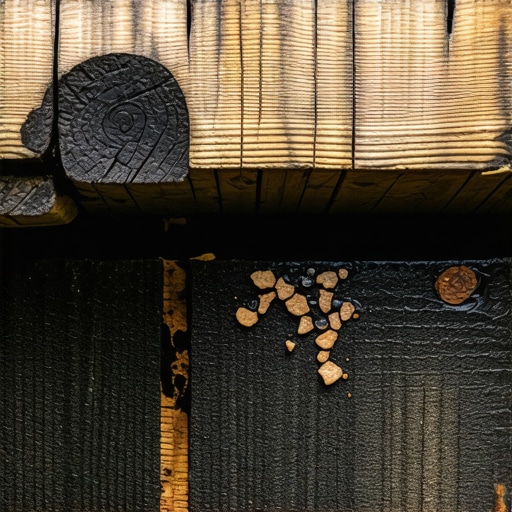
I’ll never forget the day I had to tell a homeowner their three-year-old waterproof ceiling was actually a giant Petri dish. I was the one who built it. I used standard pressure-treated 2x4s to create the pitch for the drainage troughs, thinking the wood was treated and therefore invincible. When the homeowner complained of a persistent mushroom smell, I cut a small inspection hole. A gallon of stagnant, black water poured onto my shoulder, followed by chunks of wood that had the consistency of wet oatmeal. It was a five-thousand-dollar mistake that taught me a brutal lesson: standard wood has absolutely no business being inside an under-deck drainage system. If you are transforming your outdoor living with custom composite decking ideas, you want that space underneath to be bone-dry and safe, not a breeding ground for decay. Today, I am going to share exactly why wood is the enemy of your under-deck ceiling and what you should be using instead to ensure your substructure lasts as long as your boards. Have you ever noticed a weird, musty smell under your deck after a rainstorm, or seen weeping joists that never seem to dry out? Drop a comment below; I would love to hear if you have faced this same damp nightmare.
Water Always Wins the Long Game
The fundamental problem with using timber—even the green-tinted pressure-treated stuff—for your drainage pitch is that it is essentially a sponge trapped in a plastic bag. When you install an under-deck system, you are creating a micro-environment with very little airflow. Even if you know how to protect your deck frame from rot for thirty years, those internal components are constantly subjected to humidity and condensation. According to the American Wood Protection Association (AWPA), wood in high-moisture, non-ventilated environments requires significantly higher chemical retention levels than what you find in off-the-shelf lumber at big-box stores. Without that airflow, the wood stays damp, the chemicals leach out, and the fungi move in. I’ve seen 2x4s rot through in less than forty months when they were tucked away inside a drainage trough. It is a slow-motion disaster that happens where you can’t see it until the structural integrity is already compromised.
Is saving a few dollars now worth a full tear-out in five years?
When I first started out, I thought I was being a hero by saving my clients money on materials. I would use wood shims and scrap PT lumber to create the fall for the water. But the simple drainage trick for dry under deck storage isn’t about being cheap; it’s about being smart with materials that don’t breathe. If you are already invested in how to keep your deck joists from rotting under the boards, you know that moisture is the primary villain. Using wood for the very system designed to divert water is a total paradox. Eventually, that wood swells, the pitch of your drainage system changes, and you end up with standing water pools right above your head. This isn’t just about a smell; it’s about preventing the ledger and the main house rim joist from becoming part of the rot cycle. If you want a dry space that stays dry, you have to look toward non-organic materials that don’t care if they get a little wet.
Replace Organic Materials with Synthetic Bones
To stop the rot before it starts, you have to swap out every piece of timber that sits inside your drainage zone. Think of your under-deck system like the gutting on your house; you wouldn’t line your gutters with wood, right? When choosing the right composite decking for durable low-maintenance outdoor areas, you need a substructure that matches that longevity. Instead of 2x4s, I now use PVC trim boards or aluminum profiles to create my pitch. These materials don’t care if they are submerged or trapped in 100% humidity for a decade. They don’t swell, they don’t shrink, and they don’t provide food for the fungi that destroyed my $5,000 mistake.
Ditch the Wood Shims for Good
The most common failure point I see is the shim. Most builders use cedar or pressure-treated shingle shims to tilt their drainage pans. These are essentially sponges. Over time, they compress or rot away, and suddenly your ‘slope’ is a valley where water sits and stinks. This is exactly why you should use block shims instead of shingle shims for joists and drainage components. I once went back to a project after a heavy storm and found that my old cedar shims had shifted so much that the water was actually running back toward the house ledger. Since I switched to solid plastic block shims, that pitch never moves a fraction of an inch.
Seal the Skeleton Before the Ceiling Goes Up
If you are going to trap moisture between your deck boards and your new ceiling, you have to armor the joists themselves. Even with a perfect drainage system, condensation is a silent killer. This is why I always use joist tape on every single deck frame I build now. The tape acts as a gasket between the deck board and the joist, preventing water from seeping into the screw holes. It’s a small step that adds maybe a few hundred dollars to a project, but it’s the only way to ensure the wood you *must* use—the structural joists—stays dry.
The Secret to the Ledger Connection
The area where the deck meets the house is the most dangerous zone for an under-deck system. If water gets trapped there, it’s not just your deck that’s at risk; it’s your home’s rim joist. You need to master the flashing secret that prevents ledger board rot. I use a triple-layer defense: a Z-flashing, followed by a high-quality butyl tape, and then the drainage pan itself tucked under the flashing. I remember one job where the previous builder had just caulked the gap. When we pulled the boards, the house’s sheathing was so soft I could stick a screwdriver through it with one finger. Using a mechanical flashing transition ensures that gravity does the work for you, pulling water away from the house and into your synthetic troughs. Once that skeleton is protected, you can finally think about the fun stuff, like the best way to mount a TV on your outdoor deck without worrying about a short circuit from a ceiling leak.
Why Pressure-Treated Wood Isn’t the Safety Net You Think
Most builders and DIYers believe that buying ‘Ground Contact’ pressure-treated lumber is a magic shield against rot. In my experience, that is a dangerous myth when it comes to under-deck drainage. While the chemicals prevent rot in open-air environments, they behave differently when sealed inside a ceiling. When you trap wood inside a drainage trough, you are creating an oxygen-poor, high-humidity chamber. The Forest Products Laboratory (FPL) has documented that when wood is enclosed without consistent cross-ventilation, the ‘drying potential’ drops to nearly zero. This means even the most heavily treated timber eventually becomes saturated, leading to internal fiber collapse. Have you ever fallen into this trap? Let me know in the comments.
The Invisible Greenhouse That Destroys Structural Joists
The ‘oops’ factor I see most often is the creation of a micro-greenhouse. When the sun hits your deck boards, it warms the air trapped between the boards and the drainage ceiling. This warm, moist air has nowhere to go, so it condenses on the coolest surfaces—your wood framing. If you don’t use the right hardware, this moisture accelerates galvanic corrosion. I always tell my clients that finding the best fastener for building a deck in a high-moisture area is just as important as the framing itself. I have moved away from old-fashioned hardware because the reason we use structural screws instead of old-fashioned lag bolts is often about the superior coating that resists the corrosive nature of today’s pressure-treated chemicals in wet zones.
Is Using Wood for High-Moisture Framing Always a Mistake?
For advanced builders, the question isn’t just about the drainage ceiling, but the entire substructure. If you’ve noticed why your deck stairs are the first thing to rot, it’s usually because wood stringers act like sponges for every drop of runoff. This is precisely why I stopped using wood for deck stair stringers in favor of steel or aluminum. When wood framing in these high-moisture areas begins to swell and contract, it leads to the mistake that makes your deck stairs trip hazards: uneven riser heights caused by shifting timber. Furthermore, if you want to identify the structural reason your deck feels bouncy when you walk, you should check the moisture content of your joists; water-logged wood loses its stiffness long before it shows visible mushrooms. By switching to synthetic or metal components for your pitch and stairs, you eliminate the organic ‘food’ that rot fungi need to survive, ensuring your dry space stays structural for decades.
Can I actually keep my under-deck space clean for twenty years?
Maintenance is the dirty secret of the outdoor living world that most contractors won’t mention during the sales pitch. Even if you’ve built a bulletproof synthetic skeleton, nature has a way of depositing organic silt, pine needles, and pollen into your drainage troughs. If you let that stuff sit, it turns into a thick sludge that can eventually clog your downspouts. I recommend my clients use a specialized long-reach crevice tool attached to a shop vac or a gentle hose-out once a year. Whatever you do, remember why you should never power wash your composite deck or the delicate drainage membranes beneath it; high pressure is the fastest way to blow out a seal and create a leak where none existed. If you are struggling with the gunk between boards, mastering the best way to clean pine needles out of deck gaps will save your drainage system from an early grave.
Plan Your Drainage in Three Dimensions Before You Cut
One of the biggest shifts in my workflow over the last five years hasn’t been a new saw or a better drill—it is software. I realized that visualizing how water moves around corners and obstacles like stairs or support posts is nearly impossible on a 2D sketch. This is why I never start a complex deck project without a digital 3d walkthrough first. By modeling the pitch of the ceiling in a 3D environment, I can spot flat spots or potential pooling areas before a single joist is hung. This level of precision is one of the benefits of working with a professional deck builder in your outdoor projects who uses modern tech to supplement old-school craftsmanship.
The Future Belongs to Modular Aluminum Systems
As we look toward innovative outdoor living ideas with composite decking in 2025, I predict we will see a total move away from field-fabricated drainage systems. Prefabricated aluminum joist troughs are already hitting the market, and they offer a level of fire resistance and structural permanence that plastic and wood simply cannot match. According to the structural engineering reports from the North American Decking and Railing Association (NADRA), metal substructures are becoming the gold standard for high-end builds because they eliminate the creep and warping associated with organic materials. As Joseph Lstiburek of Building Science Corporation famously notes, the key to durability is the control of heat, air, and moisture, and a metal frame simply handles those variables better than timber ever will. I challenge you to try using a non-organic material for your next pitch, even if it is just swapping those wood shims for solid plastic. Your future self will thank you when the space stays dry for decades.
Lessons I Learned the Hard Way Under a Leaky Deck
Reflecting on years of structural failures, I have realized that the biggest mistake isn’t lack of skill, but a misplaced trust in wood’s resilience. When you are maximizing space with modern designs for composite decks, the structural ‘bones’ are more important than the skin. I realized too late that pressure-treated wood is great for air-exposed framing but a liability inside a waterproof ceiling. Now, I always assume that if I cannot see a component, it must be made of something that refuses to rot, like PVC or aluminum. Remember that moisture doesn’t just sit; it migrates, and timber provides the perfect highway for that migration. If you choose organic materials for your drainage pitch, you are essentially setting a timer on your project’s lifespan.
Tools and Standards I Trust for a Lifetime of Dry Living
To get your substructure right the first time, I rely on a few non-negotiables that have never let me down. First, I highly recommend looking into why a digital designer is the best move for planning a complex backyard deck to map out your water flow in three dimensions. For physical materials, I exclusively use solid plastic block shims and high-quality butyl joist tape to create a barrier between metal and wood. If your project involves elevation changes, keep in mind that innovative stairs solutions for safe outdoor deck access require this same moisture-resistant mindset to prevent the stringers from becoming sponges. I also suggest reading up on the latest ICC building codes for deck drainage to ensure your synthetic components meet local safety standards.
The Future of Your Outdoor Living Starts with a Smart Skeleton
Building a dry space under your deck is one of the most rewarding composite decking trends 2025 has to offer. It transforms wasted, muddy ground into a functional patio or a secure storage zone. Do not let the fear of my past mistakes stop you; instead, let them guide you toward better material choices. When you swap wood for synthetics, you are not just building a ceiling; you are building peace of mind. You now have the blueprint to create a space that stays dry and solid for decades to come. Have you ever found a surprising ‘science project’ growing under your old deck boards? Drop a comment below and let us troubleshoot your drainage together!